Acromegaly Diagnosis
Acromegaly is often diagnosed late because symptoms are subtle. Serum IGF-I is the best screening test, OGTT confirms GH excess, and MRI localizes pituitary tumors. New AI and imaging tools may improve earlier detection.
Our website uses essential cookies and, with your consent, additional cookies to measure performance and improve our services. Cookie Policy.
You can change your choice at any time.

Acromegaly is often diagnosed late because symptoms are subtle. Serum IGF-I is the best screening test, OGTT confirms GH excess, and MRI localizes pituitary tumors. New AI and imaging tools may improve earlier detection.


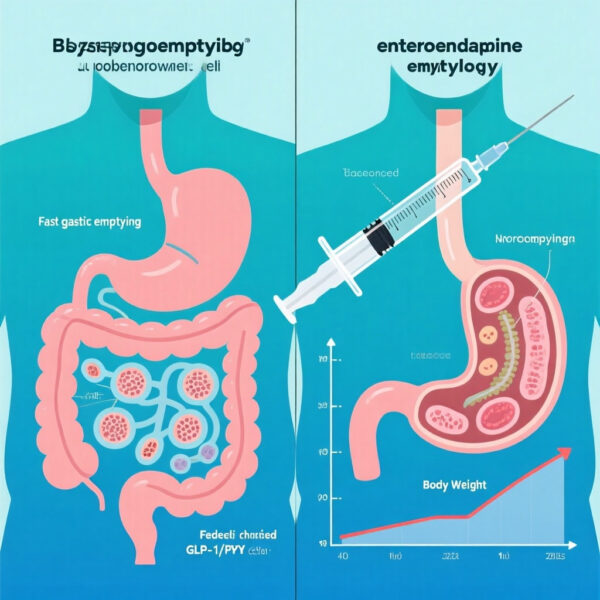
A 2026 study identifies a biologically distinct obesity subphenotype marked by fast gastric emptying, low GLP-1 synthesis, and substantially greater 6-month weight loss with tirzepatide.

A 2026 review shows that many patients with acromegaly remain symptomatic and functionally impaired despite biochemical control, underscoring the need for routine patient-reported outcomes and lower-burden, multidisciplinary care.

In a large U.K. cohort, losing at least 15% of body weight within 2 years of type 2 diabetes diagnosis was linked to lower risks of heart, kidney, and eye complications, along with better glucose and blood pressure control.

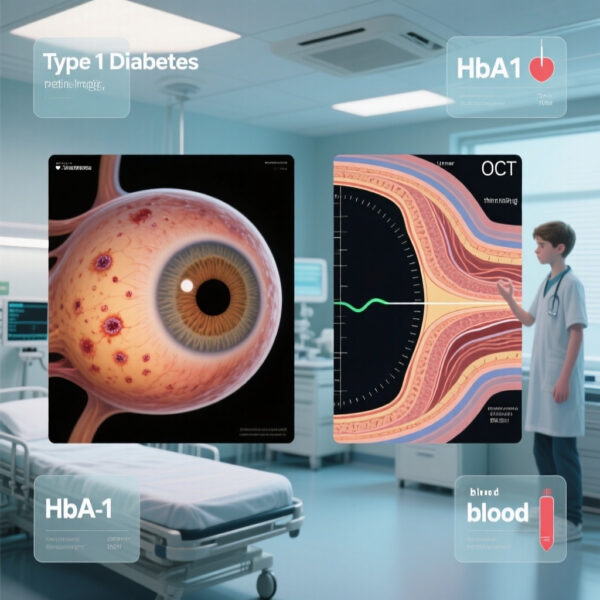
A large retrospective study links higher HbA1c and elevated blood pressure to diabetic retinopathy in youth with type 1 diabetes, while worse glycemia also correlates with thinner inner retinal layers suggestive of early neurodegeneration.

Macro-TSH was rare but clinically important in patients with subclinical hypothyroidism, sometimes mimicking true thyroid disease and leading to unnecessary levothyroxine use. Specialized testing confirmed multiple immunoglobulin-linked TSH

In a nationwide Swedish cohort, type 1 diabetes diagnoses rose briefly after SARS-CoV-2 infection and first vaccine dose, but the signal was short-lived, supporting diagnostic acceleration rather than a durable causal effect.

High-quality pituitary imaging is essential for diagnosing and managing acromegaly, localizing somatotroph adenomas, guiding surgery or radiotherapy, and reducing treatment-related harm. A standardized, tiered MRI-based approach improves ac

A 19-year Finnish cohort study found that a higher waist-to-height ratio was linked to increased coronary artery disease risk in type 1 diabetes, especially in people without albuminuria.

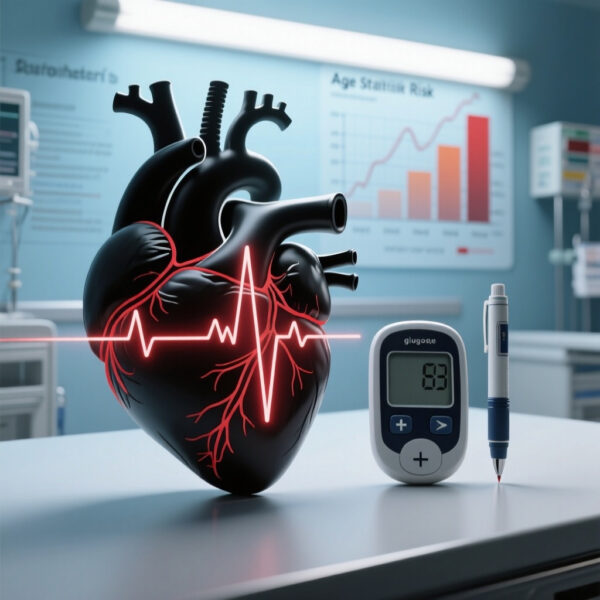
A Danish nationwide study found substantially higher sudden cardiac death rates in both type 1 and type 2 diabetes, especially at younger ages, with meaningful loss of life expectancy attributable to sudden cardiac death.

A nationwide Danish study found that type 1 and type 2 diabetes substantially increase sudden cardiac death risk, especially in younger adults, and contribute meaningfully to shortened life expectancy.

In phase 3 testing, veligrotug produced rapid and clinically meaningful reductions in proptosis, diplopia, and disease activity in active thyroid eye disease, with durable benefit through 52 weeks and a favorable short-term safety profile.

A Phase 2 trial found that once-weekly subcutaneous levothyroxine (XP-8121) was generally well tolerated and suggested a dose conversion of about four times the daily oral dose for adults with hypothyroidism.

In a large Hong Kong cohort with newly diagnosed type 2 diabetes, higher early HbA1c exposure was associated with greater long-term cancer risk, suggesting that glycaemic control soon after diagnosis may matter more than later improvement.

A large French cohort study found that higher exposure to several food coloring additives was associated with increased incidence of type 2 diabetes, highlighting the need for further research and possible reevaluation of some additives.

A multinational OHDSI network analysis found no meaningful association between semaglutide use and neovascular age-related macular degeneration among adults with type 2 diabetes across cohort and self-controlled designs.

Thyroid abnormalities found during pregnancy, especially when subclinical hypothyroidism and TPO antibodies coexist, can signal a much higher long-term risk of overt hypothyroidism, supporting ongoing thyroid follow-up after delivery.

In papillary thyroid carcinoma treated with thyroidectomy and RAI, TgAb levels above the assay’s limit of quantification identified patients with higher long-term recurrence risk despite undetectable serum thyroglobulin.

A pooled analysis of nine type 1 diabetes trials found that beta cell glucose sensitivity may better predict response to disease-modifying therapy than C-peptide alone, helping identify patients most likely to benefit.

A 2026 Mendelian randomization study supports high BMI as a causal risk factor for vascular-related dementia, with part of the effect mediated through elevated systolic and diastolic blood pressure.
Open language-specific specialty feeds and department pages.