We use cookies

Our website uses essential cookies and, with your consent, additional cookies to measure performance and improve our services. Cookie Policy.

You can change your choice at any time.

MMedXYNews
HomeVideos
© 2026 MedXY
Contact usAbout usPrivacy PolicyMedXY story
MedXY AI/MedXY News/Neurology

Neurology

Ask MedXY AI
What is the latest evidence?Key clinical updatesGuideline changes

Latest news

Why Prevalence Is Rising Differently in Parkinson Disease, Multiple Sclerosis, and Motor Neuron Diseases
Neurologymultiple sclerosisParkinson disease

Why Prevalence Is Rising Differently in Parkinson Disease, Multiple Sclerosis, and Motor Neuron Diseases

By MedXY|Jun 9, 2026

A large Sweden-France analysis suggests rising MS prevalence is mainly survival-driven, increasing MND prevalence reflects growing incidence, and PD prevalence rises modestly through mixed demographic and survival effects.


Mechanical Thrombectomy and Final Infarct Volume in Medium or Distal Vessel Occlusion Stroke: A Post Hoc Analysis of a Randomized Clinical Trial
Neurologyinfarct volumeischemic stroke

Mechanical Thrombectomy and Final Infarct Volume in Medium or Distal Vessel Occlusion Stroke: A Post Hoc Analysis of a Randomized Clinical Trial

By MedXY|Jun 9, 2026

In a post hoc analysis of the DISTAL trial, mechanical thrombectomy plus best medical treatment preserved more threatened brain tissue than medical treatment alone in medium or distal vessel occlusion stroke, and better tissue preservation

Ultra-High-Resolution Photon-Counting CTA Improves Noninvasive Detection of Neurovascular In-Stent Restenosis
NeurologyCT Angiographyin-stent restenosis

Ultra-High-Resolution Photon-Counting CTA Improves Noninvasive Detection of Neurovascular In-Stent Restenosis

By MedXY|Jun 7, 2026

A prospective study suggests ultra-high-resolution photon-counting CTA can detect neurovascular in-stent restenosis with excellent accuracy while reducing blooming artifacts and improving visualization of in-stent pathology.

Neurocognitive Outcomes of In Utero Exposure to Antiseizure Medication: An Australian Cohort Study
Neurologyantiseizure medicationchild development

Neurocognitive Outcomes of In Utero Exposure to Antiseizure Medication: An Australian Cohort Study

By MedXY|Jun 7, 2026

An Australian cohort study found that prenatal exposure to valproate, levetiracetam, topiramate, and carbamazepine was associated with poorer cognitive outcomes in children, while lamotrigine exposure was not.

A Two-Marker Plasma Model Closely Mirrors PET-Based Biological Staging of Alzheimer Disease
NeurologyAlzheimer diseaseDấu hiệu sinh học huyết tương

A Two-Marker Plasma Model Closely Mirrors PET-Based Biological Staging of Alzheimer Disease

By MedXY|Jun 7, 2026

Plasma %p-tau217 plus eMTBR-tau243 showed strong agreement with amyloid/tau PET staging, tracked clinical severity, and aligned with neuropathology, supporting a scalable blood-based approach to Alzheimer disease biological staging.

Pregnancy Complications Signal Long-Term Maternal Risk of Subarachnoid Hemorrhage in a 50-Year Swedish Cohort
NeurologyHypertensive Disorders of PregnancyChảy máu dưới nhện não

Pregnancy Complications Signal Long-Term Maternal Risk of Subarachnoid Hemorrhage in a 50-Year Swedish Cohort

By MedXY|Aug 18, 2026

In a nationwide Swedish cohort, several adverse pregnancy outcomes were linked to higher long-term maternal risk of subarachnoid hemorrhage, supporting pregnancy as an early vascular stress test.

Rural-Urban Disparities in Epilepsy Outcomes in the United States
NeurologyEEGepilepsy

Rural-Urban Disparities in Epilepsy Outcomes in the United States

By MedXY|Jun 5, 2026

A national U.S. study found that patients with epilepsy from rural counties had worse hospital outcomes, including higher mortality, more status epilepticus, longer stays, and less EEG use, highlighting access-related disparities.

Ecopipam Reduced Relapse Risk in Pediatric Tourette Syndrome Without Metabolic or Extrapyramidal Signal in a Phase 3 Randomized Withdrawal Trial
Neurologydopamine D1 antagonistecopipam

Ecopipam Reduced Relapse Risk in Pediatric Tourette Syndrome Without Metabolic or Extrapyramidal Signal in a Phase 3 Randomized Withdrawal Trial

By MedXY|Jun 5, 2026

In a phase 3 randomized withdrawal trial, ecopipam maintained tic improvement in pediatric Tourette syndrome over 24 weeks and showed a generally favorable safety profile without clinically meaningful weight, metabolic, or drug-induced move

Efficacy and Safety of Ecopipam for Tourette Syndrome: Phase 3 Randomized Clinical Trial
Neurologydopamine D1 antagonistecopipam

Efficacy and Safety of Ecopipam for Tourette Syndrome: Phase 3 Randomized Clinical Trial

By MedXY|Jun 5, 2026

This phase 3 trial found that ecopipam reduced tic relapse and maintained symptom improvement in children and adolescents with Tourette syndrome, with mainly central nervous system side effects and no major weight or metabolic concerns.

Acetazolamide Fails to Improve Gait in Idiopathic Normal Pressure Hydrocephalus: Swedish DRAIN Trial
Internal Medicineacetazolamidegait disorder

Acetazolamide Fails to Improve Gait in Idiopathic Normal Pressure Hydrocephalus: Swedish DRAIN Trial

By MedXY|Jun 5, 2026

In a Swedish randomized trial, low-dose acetazolamide did not improve gait in patients with idiopathic normal pressure hydrocephalus and caused more side effects than placebo, arguing against routine use as medical therapy.

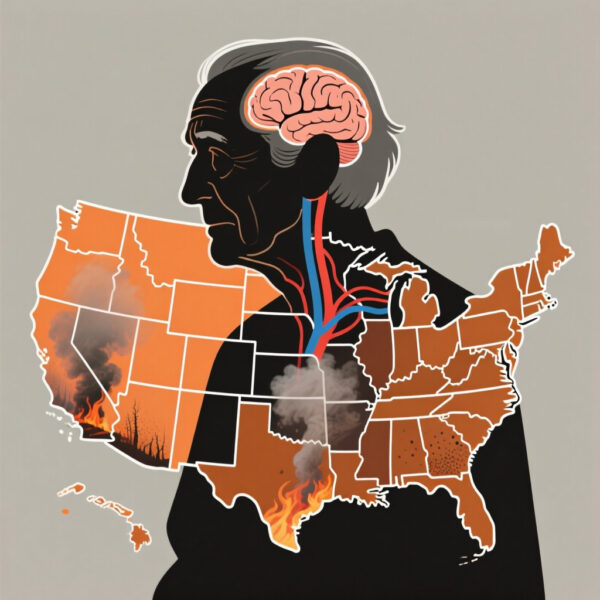
Long-Term Wildfire Smoke PM2.5 Exposure Is Linked to Higher Incident Stroke Risk in Older US Adults
Neurologykhói cháy rừngMedicare

Long-Term Wildfire Smoke PM2.5 Exposure Is Linked to Higher Incident Stroke Risk in Older US Adults

By MedXY|Jun 5, 2026

In a nationwide Medicare cohort, chronic wildfire smoke PM2.5 exposure was associated with a modest but significant increase in incident stroke, with stronger effects over longer exposure windows.

Application of the AHA-Proposed Cancer-Related Ischemic Stroke Classification: Reclassification and Prognostic Impact
Hematology-Oncologycancer-related ischemic strokeCRIS

Application of the AHA-Proposed Cancer-Related Ischemic Stroke Classification: Reclassification and Prognostic Impact

By MedXY|Jun 3, 2026

The AHA-proposed CRIS classification reclassified many cancer-associated strokes previously labeled cryptogenic and identified a subgroup with markedly worse survival, improving both etiologic clarity and prognostic stratification.

Midlife Central Obesity Tracks With Higher Late-Life Plasma P-tau217 and Biomarker-Verified Alzheimer Dementia, While the Association Reverses in Old Age
NeurologyAlzheimer diseaseBody Mass Index

Midlife Central Obesity Tracks With Higher Late-Life Plasma P-tau217 and Biomarker-Verified Alzheimer Dementia, While the Association Reverses in Old Age

By MedXY|Jun 3, 2026

In the HUNT Study, higher midlife waist-to-height ratio and BMI predicted higher late-life plasma p-tau217 and biomarker-verified Alzheimer dementia, whereas higher adiposity in late life was associated with lower biomarker levels and lower

Standard-Dose Tenecteplase vs Low-Dose Alteplase for Acute Ischemic Stroke From Large-Vessel Occlusion: A Randomized Clinical Trial
Neurologyacute ischemic strokealteplase

Standard-Dose Tenecteplase vs Low-Dose Alteplase for Acute Ischemic Stroke From Large-Vessel Occlusion: A Randomized Clinical Trial

By MedXY|Jun 3, 2026

In a randomized trial of large-vessel-occlusion stroke, standard-dose tenecteplase improved early reperfusion before thrombectomy compared with low-dose alteplase, with similar safety and functional outcomes.

Standard-Dose Tenecteplase vs Low-Dose Alteplase for Acute Ischemic Stroke From Large-Vessel Occlusion: A Randomized Clinical Trial
Neurologyacute ischemic strokealteplase

Standard-Dose Tenecteplase vs Low-Dose Alteplase for Acute Ischemic Stroke From Large-Vessel Occlusion: A Randomized Clinical Trial

By MedXY|Jun 3, 2026

In patients with large-vessel-occlusion stroke undergoing thrombectomy, standard-dose tenecteplase achieved more early reperfusion than low-dose alteplase, with similar safety and functional outcomes.

New Genetic Modifiers in Autosomal Dominant Alzheimer’s Disease Link Aβ, Tau, TDP-43, and Vascular Biology to Clinical Variability
Neurologyautosomal dominant Alzheimer’s diseasebiomarkers

New Genetic Modifiers in Autosomal Dominant Alzheimer’s Disease Link Aβ, Tau, TDP-43, and Vascular Biology to Clinical Variability

By MedXY|Jun 3, 2026

A genome-wide association study identified CNIH4, CCNG1, and RHOJ as genetic modifiers of autosomal dominant Alzheimer’s disease, with associations spanning disease risk, age at onset, fluid biomarkers, and neuroimaging phenotypes.

Genetic Evidence Strengthens High BMI as a Causal Driver of Vascular Dementia, With Blood Pressure as a Partial Mediator
Diabetes & EndocrinologyBody Mass IndexHypertension

Genetic Evidence Strengthens High BMI as a Causal Driver of Vascular Dementia, With Blood Pressure as a Partial Mediator

By MedXY|Jun 3, 2026

A 2026 Mendelian randomization study supports high BMI as a causal risk factor for vascular-related dementia, with part of the effect mediated through elevated systolic and diastolic blood pressure.

A Pain-Predominant Dry Eye Phenotype Emerges: Severe Symptoms, Few Ocular Signs, and Strong Links to Migraine and Psychiatric Disease
Neurologydry eye diseaseMigraine

A Pain-Predominant Dry Eye Phenotype Emerges: Severe Symptoms, Few Ocular Signs, and Strong Links to Migraine and Psychiatric Disease

By MedXY|Jun 1, 2026

A 2026 Ophthalmology report identified a pain-predominant dry eye phenotype in 6.9% of patients, marked by high symptom burden, minimal surface signs, and enrichment for migraine and psychiatric comorbidity.

Avoiding Intensive Systolic Blood Pressure Lowering After Successful Thrombectomy May Improve 1-Year Stroke Recovery: The OPTIMAL-BP Extension
Critical CareBlood Pressure ManagementEndovascular Thrombectomy

Avoiding Intensive Systolic Blood Pressure Lowering After Successful Thrombectomy May Improve 1-Year Stroke Recovery: The OPTIMAL-BP Extension

By MedXY|May 31, 2026

In OPTIMAL-BP 1-year follow-up, targeting systolic BP <140 mm Hg after successful thrombectomy was associated with worse long-term functional recovery than conventional BP management.

Teleneurology in Rural General Practice Improved Triage but Did Not Reduce Secondary Care Use in a Stepped-Wedge Randomized Trial
Family Medicine & Nutritionprimary carerural health

Teleneurology in Rural General Practice Improved Triage but Did Not Reduce Secondary Care Use in a Stepped-Wedge Randomized Trial

By MedXY|May 31, 2026

In rural Germany, GP-based teleneurology reduced direct neurology referrals but increased referrals to other specialists and hospitals, suggesting better triage rather than substitution of secondary care.

Prev
11 / 25
1…910111213…25
Next
Ask MedXY AI

Most popular

Intimate Health
Five Benefits for Women Continuing Sexual Activity After Menopause
Intimate Health
Why Some Women Have a Strong Sex Drive—And Why Men Shouldn't Worry About It
Nursing & care
How often should a couple have sex?
Intimate Health
Classic Intimacy Recommendations: How to Help Women Reach Orgasm and Enjoy Mutual Pleasure
Intimate Health
What Makes a Woman "Physiologically Addicted" Is Never Money, But These Two Relationship Qualities

Browse by specialty

Open language-specific specialty feeds and department pages.

news6629 articlesCardiology1375 articlesClinical Updates1288 articlesOncology1139 articlesDiabetes & Endocrinology842 articlesNeurology820 articlesPublic Health595 articlesGastroenterology572 articles
Hematology-Oncology
487 articles
Pediatrics484 articles
Internal Medicine444 articles