We use cookies

Our website uses essential cookies and, with your consent, additional cookies to measure performance and improve our services. Cookie Policy.

You can change your choice at any time.

MMedXYNews
HomeVideos
© 2026 MedXY
Contact usAbout usPrivacy PolicyMedXY story
MedXY AI/MedXY News/Neurology

Neurology

Ask MedXY AI
What is the latest evidence?Key clinical updatesGuideline changes

Latest news

Chemoendocrine Therapy Linked to Greater Cognitive Decline in Breast Cancer Patients, Regardless of Menopausal Status
Neurologybreast cancercognitive impairment

Chemoendocrine Therapy Linked to Greater Cognitive Decline in Breast Cancer Patients, Regardless of Menopausal Status

By MedXY|Dec 17, 2025

A secondary analysis of the RxPONDER trial finds chemoendocrine therapy causes more lasting cognitive impairment than endocrine therapy alone in both pre- and postmenopausal women.
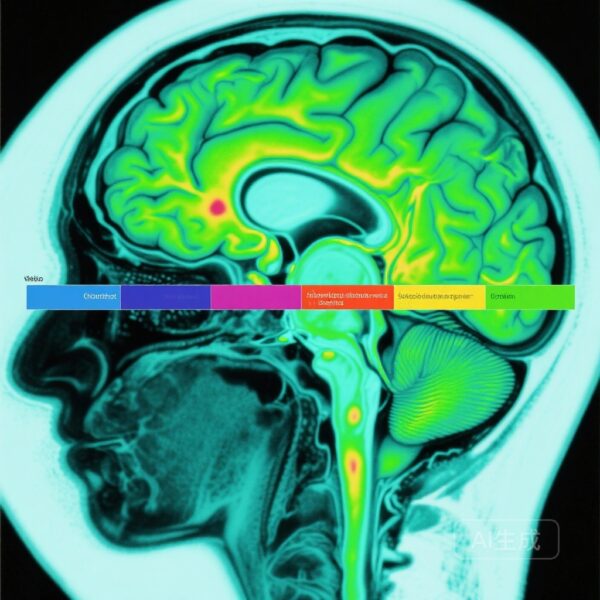

Elevated Serotonin Release in Schizophrenia: New Insights Into Negative Symptom Pathophysiology
NeurologyNeuroimagingschizophrenia

Elevated Serotonin Release in Schizophrenia: New Insights Into Negative Symptom Pathophysiology

By MedXY|Dec 17, 2025

A PET imaging study reveals increased frontal serotonin release in schizophrenia, particularly in deficit type, tied to worse negative symptoms.

Combined Cardiorespiratory and Resistance Training After Stroke: Small Gains, Big Questions
Cardiologyaerobic exercisecardiorespiratory fitness

Combined Cardiorespiratory and Resistance Training After Stroke: Small Gains, Big Questions

By MedXY|Dec 17, 2025

Evidence suggests combined aerobic and strength training post-stroke yields modest improvements in fitness and function but uncertain long-term benefits.

Do Behavioural, Self-Management, and Service Delivery Models Improve Outcomes in Adults with Epilepsy?
Neurologybehavioural interventionsepilepsy

Do Behavioural, Self-Management, and Service Delivery Models Improve Outcomes in Adults with Epilepsy?

By MedXY|Dec 17, 2025

A Cochrane review finds limited and low- to moderate-certainty evidence that behavioural, self-management, or service delivery interventions improve seizure control or quality of life in adults with epilepsy.

Omega-3 Fatty Acids Show Limited Benefits for Diabetic Peripheral Neuropathy
Diabetes & Endocrinologyclinical trialdiabetes

Omega-3 Fatty Acids Show Limited Benefits for Diabetic Peripheral Neuropathy

By MedXY|Dec 17, 2025

Current evidence suggests minimal impact of omega-3 supplementation on neuropathy symptoms or quality of life in adults with diabetes.

Limited Evidence for Behavioural and Service Delivery Interventions in Childhood Epilepsy: Urgent Need for Robust Trials
Neurologybehavioural interventionschildren

Limited Evidence for Behavioural and Service Delivery Interventions in Childhood Epilepsy: Urgent Need for Robust Trials

By MedXY|Dec 16, 2025

Current evidence for behavioural and service delivery interventions in childhood epilepsy is scarce and of low quality, highlighting an urgent need for rigorous, long-term trials.

Low-Dose Colchicine Reduces Myocardial Infarction and Stroke Risk in Cardiovascular Disease Patients
Cardiologycardiovascular diseasecolchicine

Low-Dose Colchicine Reduces Myocardial Infarction and Stroke Risk in Cardiovascular Disease Patients

By MedXY|Dec 16, 2025

A large meta-analysis shows colchicine can lower MI and stroke risk without raising serious adverse events, but GI side effects remain a concern.

Acupuncture for Cancer-Related Insomnia: Limited, Low-Certainty Benefits Compared with Sham or No Treatment; Inferior to CBT‑I
Neurologyacupuncturecancer

Acupuncture for Cancer-Related Insomnia: Limited, Low-Certainty Benefits Compared with Sham or No Treatment; Inferior to CBT‑I

By MedXY|Dec 16, 2025

A 2025 Cochrane review (5 RCTs, 402 patients, mainly women with breast cancer) finds very low- to moderate-certainty evidence that acupuncture delivers small, uncertain sleep diary benefits versus sham or inactive controls and is probably l

FDA Approves Inebilizumab (Uplizna) for Antibody-Positive Generalized Myasthenia Gravis: Interpreting the MINT Trial and Clinical Implications
NeurologyCD19inebilizumab

FDA Approves Inebilizumab (Uplizna) for Antibody-Positive Generalized Myasthenia Gravis: Interpreting the MINT Trial and Clinical Implications

By MedXY|Dec 15, 2025

The FDA has approved inebilizumab-cdon (Uplizna) for adults with AChR- or MuSK-antibody positive generalized myasthenia gravis based on the phase 3 MINT trial showing a 1.9-point MG‑ADL improvement at 26 weeks versus placebo and sustained b

Manual Therapy Combined with Exercise for Neck Pain: An Evidence-Based Clinical Update
Clinical Updatesexerciserehabilitation

Manual Therapy Combined with Exercise for Neck Pain: An Evidence-Based Clinical Update

By MedXY|Dec 15, 2025

Systematic review evidence suggests manual therapy with exercise moderately improves function and reduces pain in chronic neck pain compared with no treatment; benefits versus placebo are less clear, highlighting need for further trials and

Beyond the Lesion: Long-Term Cardiovascular, Neurologic, Psychiatric, and Endocrine Risks After Traumatic Spinal Cord Injury
Cardiologycardiovascular riskspinal cord injury

Beyond the Lesion: Long-Term Cardiovascular, Neurologic, Psychiatric, and Endocrine Risks After Traumatic Spinal Cord Injury

By MedXY|Dec 15, 2025

A large retrospective cohort study shows traumatic spinal cord injury (TSCI) is associated with increased long-term cardiovascular, neurologic, psychiatric, and endocrine morbidity and higher mortality, even in previously healthy adults.

Prehospital Postintubation Hypotension Strongly Linked to 30‑Day Mortality After Severe Traumatic Brain Injury — Especially in Isolated TBI
Critical Careairway managementprehospital care

Prehospital Postintubation Hypotension Strongly Linked to 30‑Day Mortality After Severe Traumatic Brain Injury — Especially in Isolated TBI

By MedXY|Dec 15, 2025

A multicenter cohort study of 555 patients with severe TBI who underwent prehospital rapid sequence induction found postintubation hypotension (SBP <90 mmHg within 10 minutes) in 19.1%, which was associated with higher 30‑day mortality (

Stage-specific Tau-PET Dynamics in Biological Alzheimer’s Disease: Implications for Trial Design and Outcome Selection
NeurologyAlzheimer's diseasebiomarkers

Stage-specific Tau-PET Dynamics in Biological Alzheimer’s Disease: Implications for Trial Design and Outcome Selection

By MedXY|Dec 13, 2025

Longitudinal tau-PET accumulation follows distinct regional patterns across biological AD stages; aligning trial inclusion and outcome ROIs to baseline tau stage can substantially reduce sample sizes and improve power for disease-modifying

Your Nose Knows: How Smell Loss Signals More Than a Cold — Links to 139 Diseases and What to Do About It
Neurologyneurologyolfaction

Your Nose Knows: How Smell Loss Signals More Than a Cold — Links to 139 Diseases and What to Do About It

By MedXY|Dec 13, 2025

A large prospective study links smell disturbances to at least 139 conditions. Olfactory loss can be an early sign of neurological, ENT, metabolic, or systemic disease — and a practical, underused screening tool clinicians can adopt.

Connectivity as a Universal Predictor of Tau Progression in Atypical Alzheimer’s Disease: A Multicentre Evidence Synthesis
Clinical UpdatesAlzheimer's diseaseFunctional Connectivity

Connectivity as a Universal Predictor of Tau Progression in Atypical Alzheimer’s Disease: A Multicentre Evidence Synthesis

By MedXY|Dec 13, 2025

Functional connectivity reliably predicts spatial and temporal tau propagation patterns across atypical Alzheimer’s disease variants, underpinning personalized approaches to diagnosis and therapy.

Lower-than-Expected Hemorrhage Risk From Unruptured Brain AVMs: MARS Clarifies Natural History and Key Predictors
Neurologybrain arteriovenous malformationIntracranial Hemorrhage

Lower-than-Expected Hemorrhage Risk From Unruptured Brain AVMs: MARS Clarifies Natural History and Key Predictors

By MedXY|Dec 12, 2025

The MARS multicenter cohort (n=3030) found a lower annual intracranial hemorrhage risk (1.40%/yr) for unruptured brain AVMs than commonly cited. Older age, associated arterial aneurysms, and cerebellar/deep supratentorial location increased

Bridging IV Alteplase Before EVT Modestly Raises Intracranial Hemorrhage Risk — But Net Clinical Impact Is Complex
NeurologyalteplaseEndovascular Thrombectomy

Bridging IV Alteplase Before EVT Modestly Raises Intracranial Hemorrhage Risk — But Net Clinical Impact Is Complex

By MedXY|Dec 11, 2025

An IPD meta-analysis of six randomized trials (2313 patients) found IV alteplase before EVT modestly increased intracranial hemorrhage—particularly parenchymal hematoma—yet ICH risk must be balanced against IVT-associated improvements in re

Pregnancy DMT Management in Multiple Sclerosis Increases Relapse Risk — Anti‑CD20 Before Conception Is Most Protective
NeurologyDisease-Modifying Therapymultiple sclerosis

Pregnancy DMT Management in Multiple Sclerosis Increases Relapse Risk — Anti‑CD20 Before Conception Is Most Protective

By MedXY|Dec 11, 2025

A large French registry study shows that how disease-modifying therapies (DMTs) are managed during pregnancy meaningfully affects relapse rates in relapsing‑onset MS; prolonged natalizumab interruption and fingolimod use carry the highest r

急性虚血性脳卒中における補助的静注アルガトロバンまたはエプチフィバチド投与:MOST無作為化臨床試験によるエビデンス
Clinical Updatesacute ischemic strokemechanical thrombectomy

急性虚血性脳卒中における補助的静注アルガトロバンまたはエプチフィバチド投与:MOST無作為化臨床試験によるエビデンス

By MedXY|Dec 11, 2025

Recent multi-site randomized evidence demonstrates that adding intravenous argatroban or eptifibatide to standard thrombolysis within 3 hours of stroke onset does not improve functional recovery and is associated with increased mortality, i

White Matter Microstructure and Cognitive Decline in Aging and Alzheimer Disease: A Comprehensive Review of Recent Advances
Clinical UpdatesAlzheimer diseasecognitive decline

White Matter Microstructure and Cognitive Decline in Aging and Alzheimer Disease: A Comprehensive Review of Recent Advances

By MedXY|Dec 10, 2025

This review synthesizes recent large-scale multi-cohort studies revealing white matter microstructural abnormalities—especially free water increases—in limbic tracts as critical markers of cognitive decline in aging and Alzheimer’s di

Prev
25 / 25
1…232425
Ask MedXY AI

Most popular

Intimate Health
Five Benefits for Women Continuing Sexual Activity After Menopause
Intimate Health
Why Some Women Have a Strong Sex Drive—And Why Men Shouldn't Worry About It
Nursing & care
How often should a couple have sex?
Intimate Health
Classic Intimacy Recommendations: How to Help Women Reach Orgasm and Enjoy Mutual Pleasure
Intimate Health
What Makes a Woman "Physiologically Addicted" Is Never Money, But These Two Relationship Qualities

Browse by specialty

Open language-specific specialty feeds and department pages.

news6629 articlesCardiology1375 articlesClinical Updates1288 articlesOncology1139 articlesDiabetes & Endocrinology842 articlesNeurology820 articlesPublic Health595 articlesGastroenterology572 articles
Hematology-Oncology
487 articles
Pediatrics484 articles
Internal Medicine444 articles