We use cookies

Our website uses essential cookies and, with your consent, additional cookies to measure performance and improve our services. Cookie Policy.

You can change your choice at any time.

MMedXYNews
HomeVideos
© 2026 MedXY
Contact usAbout usPrivacy PolicyMedXY story
MedXY AI/MedXY News/Hematology-Oncology

Hematology-Oncology

Ask MedXY AI
What is the latest evidence?Key clinical updatesGuideline changes

Latest news

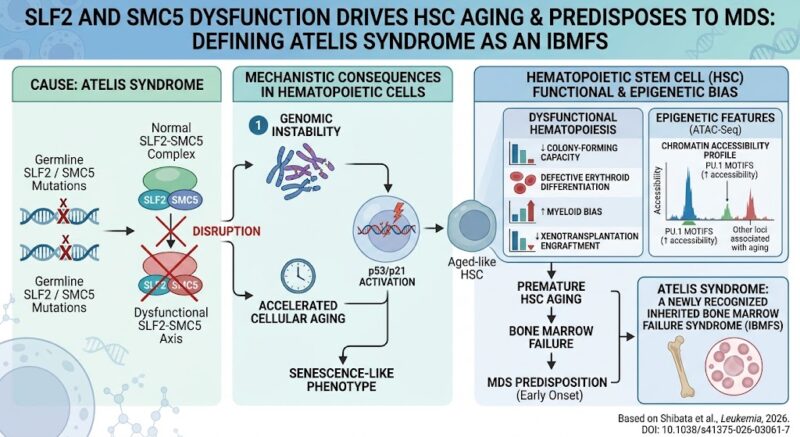
Unveiling Atelis Syndrome: SLF2 and SMC5 Dysfunction as Drivers of Hematopoietic Stem Cell Aging and Myelodysplastic Syndrome Predisposition
Hematology-Oncologyinherited bone marrow failureAtelis Syndrome

Unveiling Atelis Syndrome: SLF2 and SMC5 Dysfunction as Drivers of Hematopoietic Stem Cell Aging and Myelodysplastic Syndrome Predisposition

By MedXY|Aug 10, 2026

Dysfunction in SLF2 and SMC5 causes premature hematopoietic stem cell aging, bone marrow failure, and early-onset myelodysplastic syndrome in Atelis Syndrome, defining a novel inherited bone marrow failure disorder.
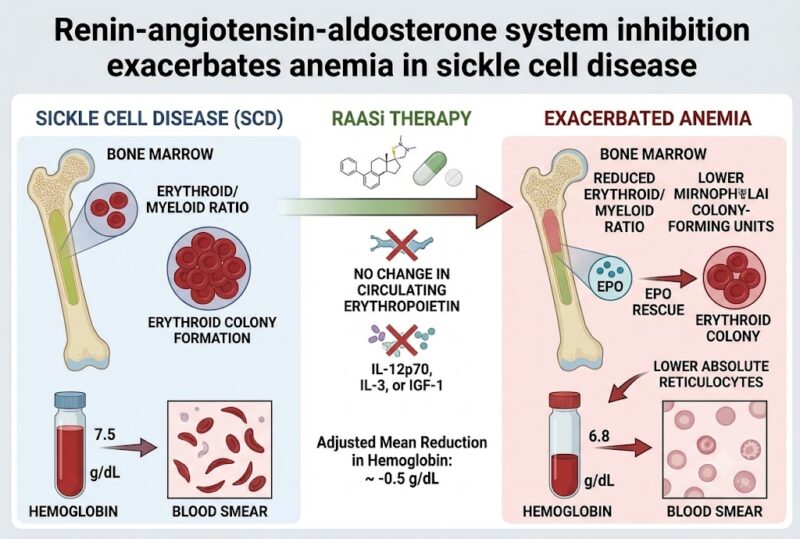
Renin-Angiotensin-Aldosterone System Inhibitors Worsen Anemia in Sickle Cell Disease: Clinical and Mechanistic Insights
Hematology-Oncologysickle cell diseaseErythropoiesis

Renin-Angiotensin-Aldosterone System Inhibitors Worsen Anemia in Sickle Cell Disease: Clinical and Mechanistic Insights

By MedXY|Aug 10, 2026

RAAS inhibitors, used for kidney protection in sickle cell disease, may significantly exacerbate anemia by impairing erythropoiesis, warranting close hemoglobin monitoring in this vulnerable population.

Advancing Diagnosis in Myeloproliferative Neoplasms: Non-invasive Multiparametric Profiling of ET, Premyelofibrosis, and Overt Myelofibrosis
Hematology-Oncologymyelofibrosispremyelofibrosis

Advancing Diagnosis in Myeloproliferative Neoplasms: Non-invasive Multiparametric Profiling of ET, Premyelofibrosis, and Overt Myelofibrosis

By MedXY|Aug 7, 2026

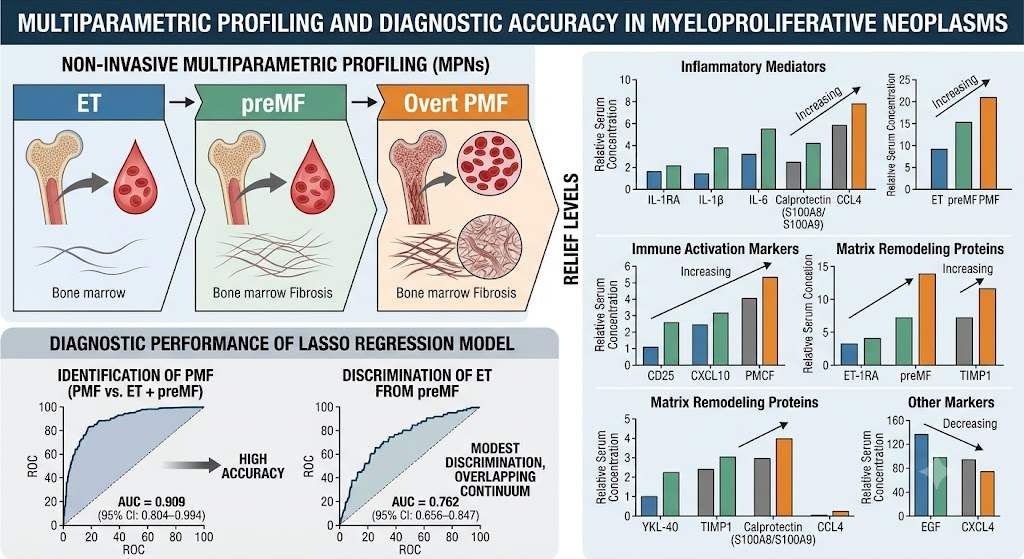
This study evaluates non-invasive biomarkers to differentiate essential thrombocythemia, premyelofibrosis, and overt myelofibrosis, revealing distinct inflammatory and immune profiles and supporting a disease continuum model.

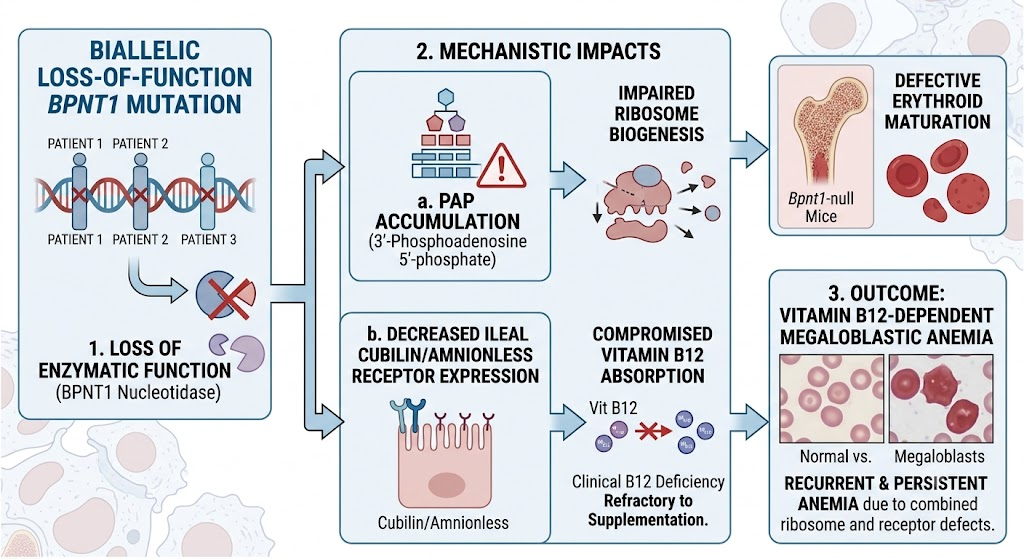
Unveiling BPNT1 Mutations as a Novel Cause of Vitamin B12-Dependent Megaloblastic Anemia
Hematology-Oncologygenetic mutationsBPNT1

Unveiling BPNT1 Mutations as a Novel Cause of Vitamin B12-Dependent Megaloblastic Anemia

By MedXY|Aug 7, 2026

Biallelic loss-of-function mutations in BPNT1 are identified as a new genetic cause of vitamin B12-dependent megaloblastic anemia, linked to disrupted ribosome biogenesis and impaired ileal vitamin B12 absorption in mouse models.

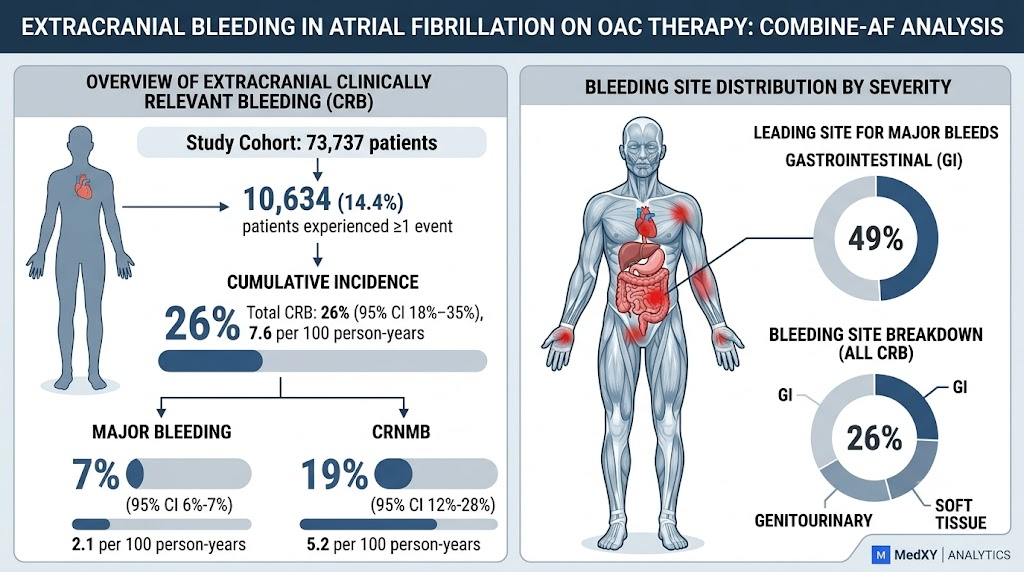
Extracranial Bleeding Risk on Oral Anticoagulants in Atrial Fibrillation: Insights from COMBINE-AF Analysis
Cardiologyoral anticoagulantsextracranial bleeding

Extracranial Bleeding Risk on Oral Anticoagulants in Atrial Fibrillation: Insights from COMBINE-AF Analysis

By MedXY|Aug 5, 2026

This study evaluates the incidence, severity, and predictors of extracranial bleeding in atrial fibrillation patients on oral anticoagulants, highlighting its substantial burden beyond major bleeds and informing bleeding risk management.

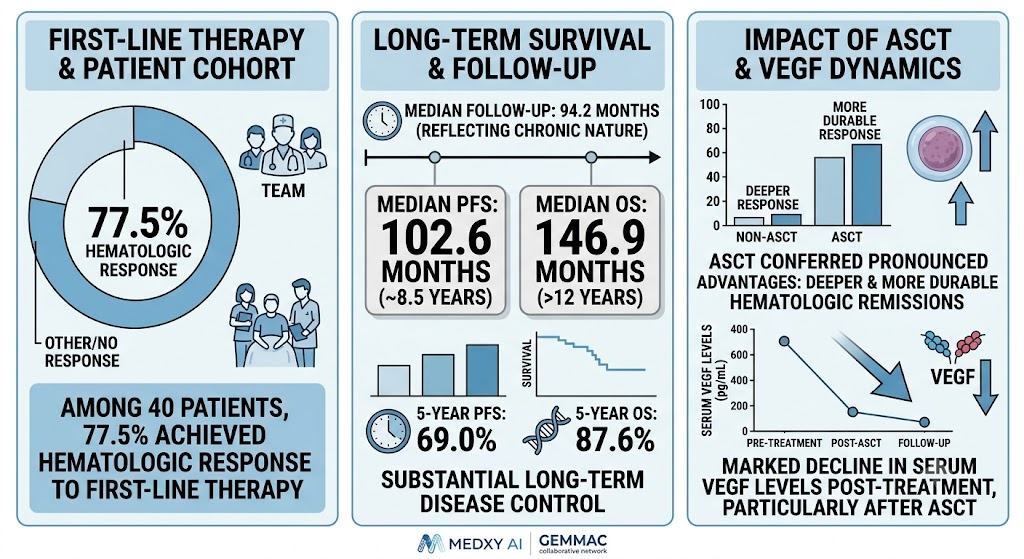
Optimizing Outcomes in POEMS Syndrome: Real-World Insights on Autologous Stem Cell Transplantation from a Multicenter Study
Hematology-Oncologyprogression-free survivalautologous stem-cell transplantation

Optimizing Outcomes in POEMS Syndrome: Real-World Insights on Autologous Stem Cell Transplantation from a Multicenter Study

By MedXY|Aug 5, 2026

This multicenter study evaluates autologous stem cell transplantation (ASCT) in POEMS syndrome, showing significant hematologic response, durable survival, and manageable toxicity, highlighting ASCT’s pivotal role in treatment.

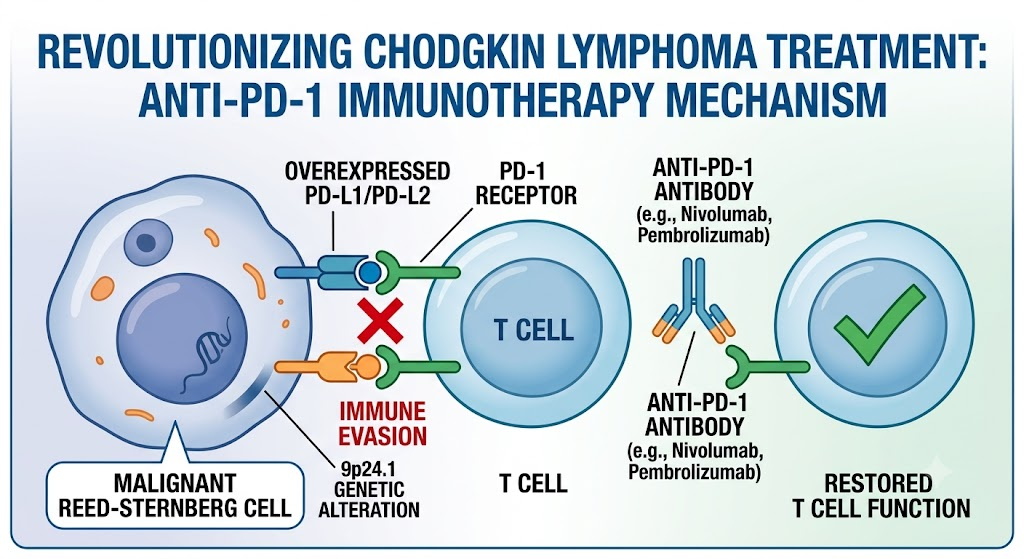
Revolutionizing Classical Hodgkin Lymphoma Treatment: The Promise of Anti-PD-1 Therapy
Hematology-OncologyNivolumabimmunotherapy

Revolutionizing Classical Hodgkin Lymphoma Treatment: The Promise of Anti-PD-1 Therapy

By MedXY|Aug 5, 2026

Anti-PD-1 therapy has transformed classical Hodgkin lymphoma management, demonstrating safety, feasibility, and durable efficacy across treatment settings—from relapsed/refractory disease to frontline therapy.

Breast Implant-Associated Anaplastic Large Cell Lymphoma: Insights into Cellular Diversity, Immune Suppression, and Therapeutic Opportunities
Hematology-Oncologyimmune suppressionTumor Microenvironment

Breast Implant-Associated Anaplastic Large Cell Lymphoma: Insights into Cellular Diversity, Immune Suppression, and Therapeutic Opportunities

By MedXY|Aug 5, 2026

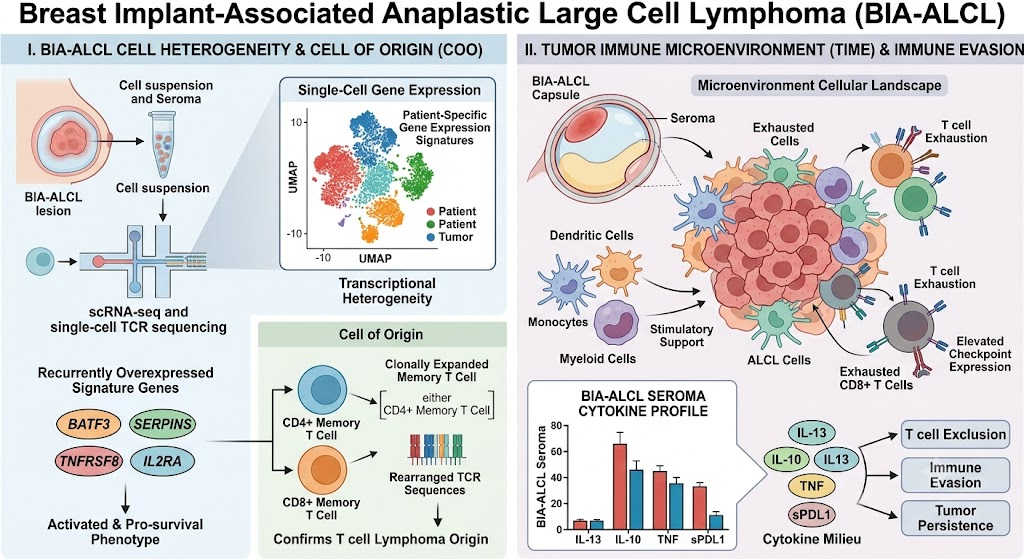
BIA-ALCL is a heterogeneous T cell lymphoma marked by immunosuppressive tumor microenvironments that promote tumor survival and proliferation, revealing potential targets for advanced disease therapy.

Unexpected Prognostic Significance of FLT3-ITD Microclones in Young Adults with Acute Myeloid Leukemia Undergoing Intensive Chemotherapy
Hematology-OncologyNext-Generation SequencingRelapse Risk

Unexpected Prognostic Significance of FLT3-ITD Microclones in Young Adults with Acute Myeloid Leukemia Undergoing Intensive Chemotherapy

By MedXY|Aug 5, 2026

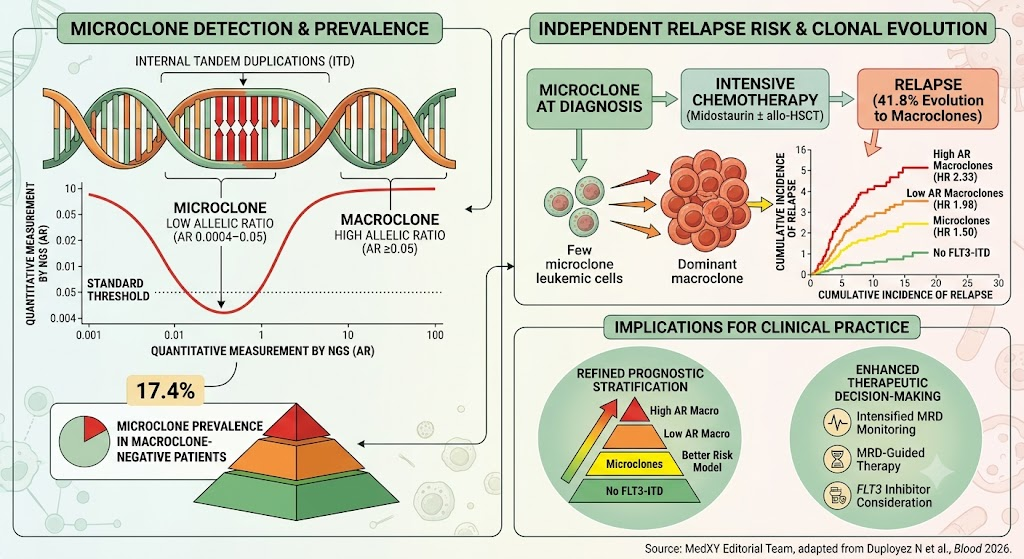
Low-level FLT3-ITD microclones, detected via NGS in young adults with AML, independently increase relapse risk comparable to macroclones, challenging current risk stratification and underscoring the need to integrate advanced genetic testin

Secondary Autoimmune and Inflammatory Diseases Post-Allogeneic Hematopoietic Stem Cell Transplantation: Incidence, Risk Factors, and Clinical Outcomes from the EBMT Registry
Allergy & ImmunologyAllo-HSCTepidemiology

Secondary Autoimmune and Inflammatory Diseases Post-Allogeneic Hematopoietic Stem Cell Transplantation: Incidence, Risk Factors, and Clinical Outcomes from the EBMT Registry

By MedXY|Aug 18, 2026

This retrospective EBMT study identifies secondary autoimmune and inflammatory diseases as rare but significant complications following allo-HSCT, highlighting their incidence, risk factors, and impact on patient survival, calling for impro

Cytogenetic Insights into Multiple Myeloma Outcomes Despite MRD Negativity Post-Autologous Stem Cell Transplant
Hematology-Oncologyautologous stem-cell transplantationHigh-Risk Cytogenetics

Cytogenetic Insights into Multiple Myeloma Outcomes Despite MRD Negativity Post-Autologous Stem Cell Transplant

By MedXY|Aug 2, 2026

This study reveals that certain high-risk cytogenetic abnormalities continue to influence progression-free survival in multiple myeloma patients even after achieving deep MRD negativity post-ASCT, highlighting the need for tailored post-tra

EASIX and sC5b-9 Levels Predict TA-TMA Risk After Allo-HCT in Adults
Hematology-Oncologyallo-HCTEASIX

EASIX and sC5b-9 Levels Predict TA-TMA Risk After Allo-HCT in Adults

By MedXY|Jul 27, 2026

A prospective study finds that baseline EASIX and day 14 sC5b-9 are independently associated with TA-TMA after allo-HCT, with combined stratification identifying high-risk adults.

Five-year OPTIC follow-up confirms benefit of response-based ponatinib dosing in chronic-phase CML
Hematology-OncologyCMLdose reduction

Five-year OPTIC follow-up confirms benefit of response-based ponatinib dosing in chronic-phase CML

By MedXY|Jul 27, 2026

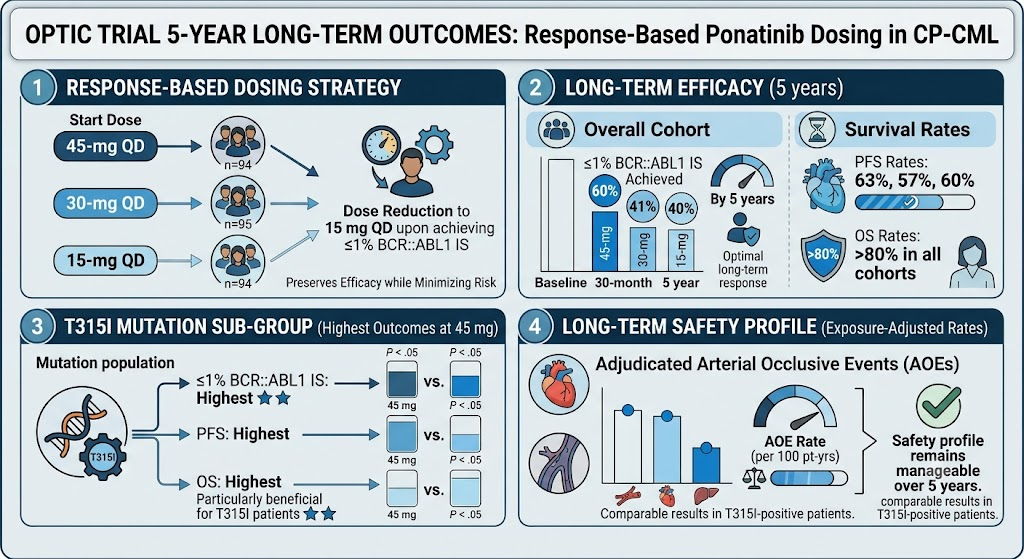
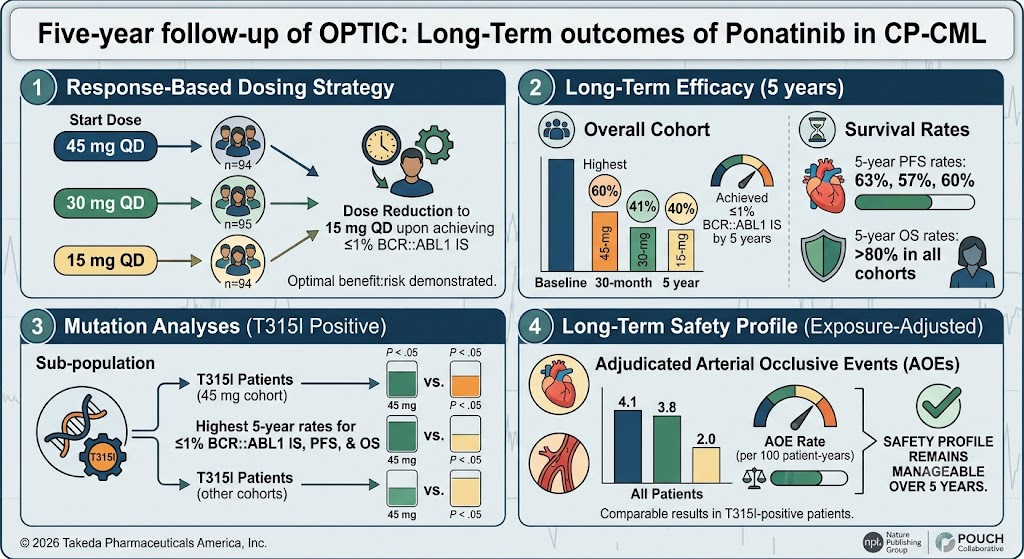
Five-year results from the OPTIC trial show that starting ponatinib at 45 mg then reducing to 15 mg upon response provides the best long-term efficacy and manageable safety in resistant CP-CML, particularly for T315I patients.

Extended HLA Haplotypes Linked to Survival After Hematopoietic Cell Transplantation
Hematology-OncologyHLAhematopoietic cell transplantation

Extended HLA Haplotypes Linked to Survival After Hematopoietic Cell Transplantation

By MedXY|Jul 27, 2026

A study of 2,577 haploidentical transplants shows that extended HLA haplotypes, including a class III SNP, significantly influence mortality and relapse, potentially improving donor selection.

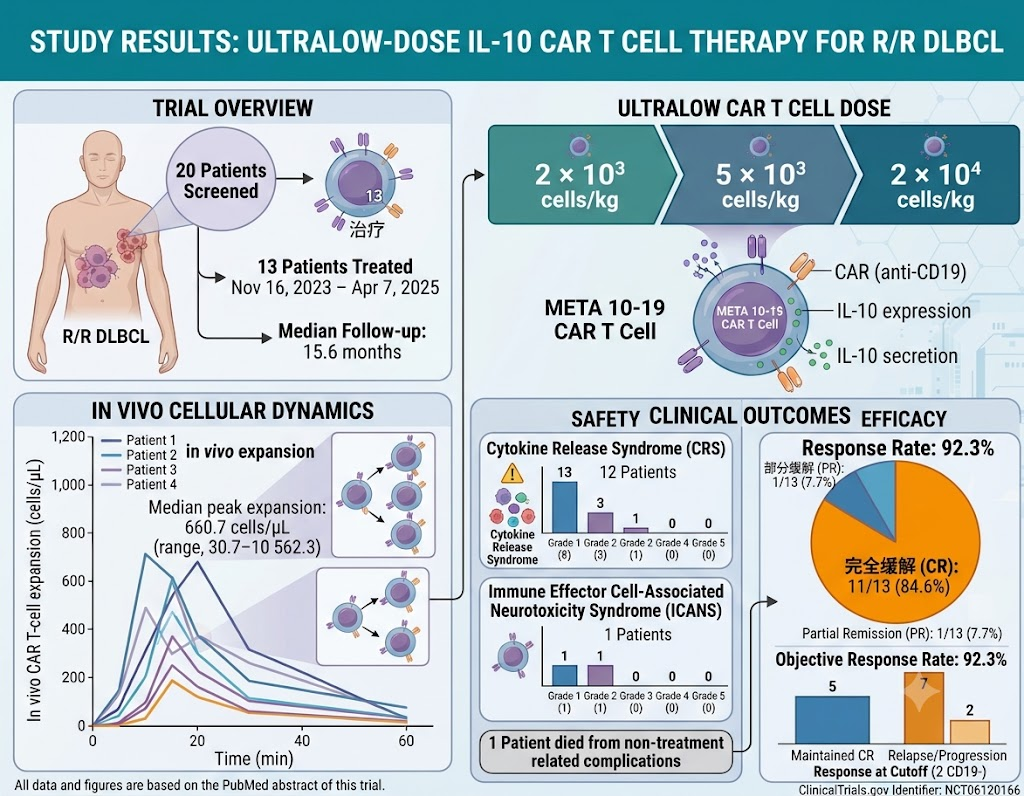
Ultralow-Dose IL-10–Expressing CAR T Cells Show Promising Activity in Relapsed/Refractory DLBCL
Hematology-OncologyCAR T-cell therapyDiffuse large B-cell lymphoma

Ultralow-Dose IL-10–Expressing CAR T Cells Show Promising Activity in Relapsed/Refractory DLBCL

By MedXY|Jul 25, 2026

A phase 1 trial of ultralow-dose IL-10–expressing CD19 CAR T cells in 13 patients with R/R DLBCL reported a 92.3% objective response rate with manageable safety.

G3BP2-Mediated Venetoclax Resistance via ELF1-Driven MCL1 Transcription in Acute Myeloid Leukemia: Mechanisms and Therapeutic Implications
Clinical Updatesacute myeloid leukemiaELF1

G3BP2-Mediated Venetoclax Resistance via ELF1-Driven MCL1 Transcription in Acute Myeloid Leukemia: Mechanisms and Therapeutic Implications

By MedXY|Jul 24, 2026

This review synthesizes evidence on the role of RNA-binding protein G3BP2 in conferring venetoclax resistance in AML through stabilizing ELF1 mRNA and upregulating MCL1 transcription, highlighting novel therapeutic avenues combining G3BP2 i

Measurable Residual Disease as a Prognostic Biomarker in Frontline Azacitidine and Venetoclax-Treated AML: Insights from the French VENAURA Registry
Hematology-Oncologyacute myeloid leukemiaazacitidine

Measurable Residual Disease as a Prognostic Biomarker in Frontline Azacitidine and Venetoclax-Treated AML: Insights from the French VENAURA Registry

By MedXY|Jul 20, 2026

In AML patients receiving frontline azacitidine and venetoclax, achieving measurable residual disease negativity strongly predicts longer survival and lower relapse rates, overriding baseline risk factors, as shown in the French VENAURA reg

Blinatumomab Consolidation in High-Risk Ph-Negative B-Cell Acute Lymphoblastic Leukemia: Insights from the GRAALL-2014/B-QUEST Study
Hematology-OncologyAlloHSCTblinatumomab

Blinatumomab Consolidation in High-Risk Ph-Negative B-Cell Acute Lymphoblastic Leukemia: Insights from the GRAALL-2014/B-QUEST Study

By MedXY|Jul 20, 2026

The GRAALL-2014/B-QUEST study demonstrates that integrating blinatumomab into consolidation and maintenance therapy significantly improves outcomes for adults with high-risk Philadelphia chromosome-negative B-cell acute lymphoblastic leukem

EIF4A3-Driven Nonsense-Mediated Decay: A Novel Regulatory Axis Modulating AML1-ETO9a Dosage and Clinical Outcomes in t(8;21) Acute Myeloid Leukemia
Hematology-Oncologyacute myeloid leukemiaAML1-ETO9a

EIF4A3-Driven Nonsense-Mediated Decay: A Novel Regulatory Axis Modulating AML1-ETO9a Dosage and Clinical Outcomes in t(8;21) Acute Myeloid Leukemia

By MedXY|Jul 17, 2026

This review highlights how EIF4A3-dependent nonsense-mediated mRNA decay selectively regulates the oncogenic AML1-ETO9a isoform in t(8;21) AML, influencing leukemic cell proliferation, chemosensitivity, and patient survival through an isofo

Unraveling MDM4 Haploinsufficiency: A Novel TP53-Dependent Mechanism Driving Bone Marrow Failure Syndromes
Hematology-Oncologybone marrow failureHematopoiesis

Unraveling MDM4 Haploinsufficiency: A Novel TP53-Dependent Mechanism Driving Bone Marrow Failure Syndromes

By MedXY|Jul 17, 2026

MDM4 haploinsufficiency activates p53, causing diverse bone marrow failure phenotypes and hypocellular MDS, highlighting the pivotal MDM4-p53 axis in hematopoietic regulation and potential targets for intervention.

Prev
7 / 24
1…56789…24
Next
Ask MedXY AI

Most popular

Intimate Health
Five Benefits for Women Continuing Sexual Activity After Menopause
Intimate Health
Why Some Women Have a Strong Sex Drive—And Why Men Shouldn't Worry About It
Nursing & care
How often should a couple have sex?
Intimate Health
Classic Intimacy Recommendations: How to Help Women Reach Orgasm and Enjoy Mutual Pleasure
Intimate Health
What Makes a Woman "Physiologically Addicted" Is Never Money, But These Two Relationship Qualities

Browse by specialty

Open language-specific specialty feeds and department pages.

news6629 articlesCardiology1375 articlesClinical Updates1288 articlesOncology1139 articlesDiabetes & Endocrinology842 articlesNeurology820 articlesPublic Health595 articlesGastroenterology572 articles
Hematology-Oncology
487 articles
Pediatrics484 articles
Internal Medicine444 articles