We use cookies

Our website uses essential cookies and, with your consent, additional cookies to measure performance and improve our services. Cookie Policy.

You can change your choice at any time.

MMedXYNews
HomeVideos
© 2026 MedXY
Contact usAbout usPrivacy PolicyMedXY story
MedXY AI/MedXY News/Gastroenterology

Gastroenterology

Ask MedXY AI
What is the latest evidence?Key clinical updatesGuideline changes

Latest news

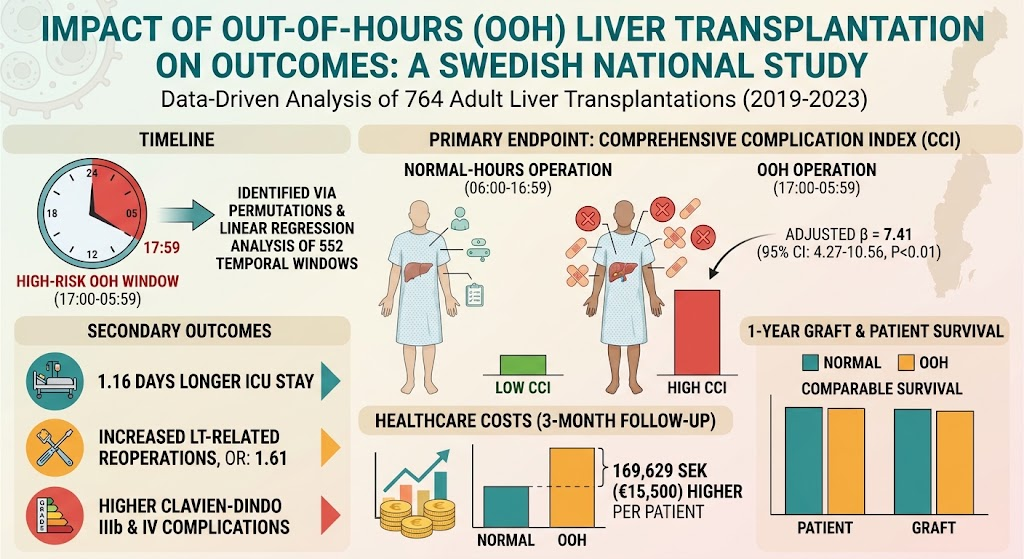
Out-of-Hours Liver Transplantation: Identifying High-Risk Timeframes and Implications for Patient Outcomes
Gastroenterologyliver transplantationOut-of-Hours Surgery

Out-of-Hours Liver Transplantation: Identifying High-Risk Timeframes and Implications for Patient Outcomes

By MedXY|Sep 19, 2026

A Swedish national retrospective study reveals that liver transplantations initiated between 17:00 and 05:59 are linked to significantly increased postoperative complications and healthcare costs, highlighting the need for optimized schedul
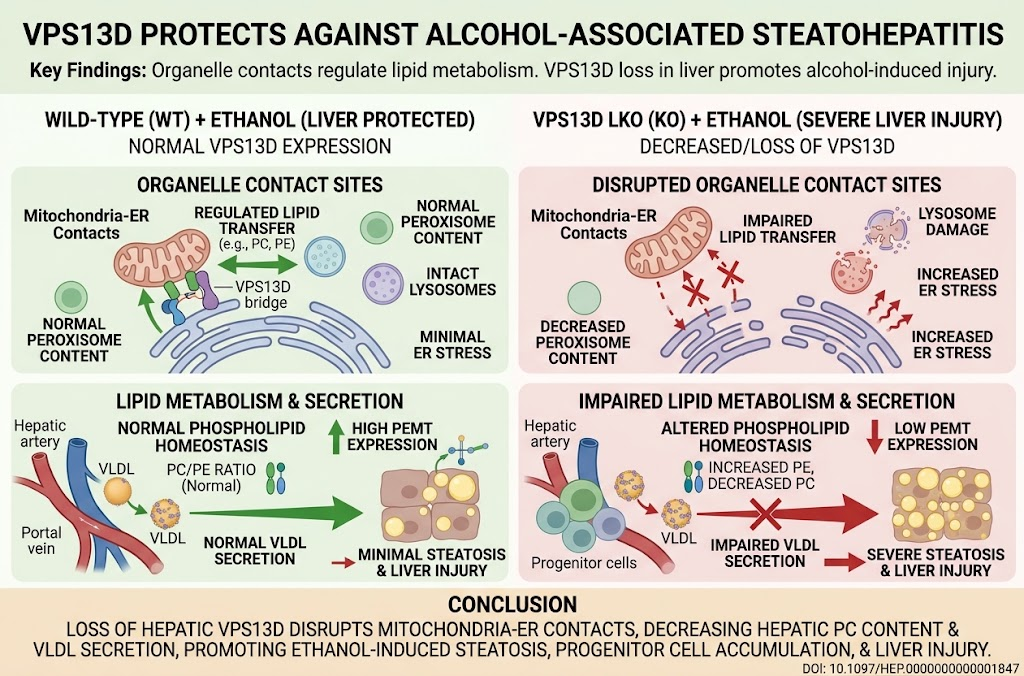
VPS13D: A Crucial Regulator of Organelle Contact Sites and Lipid Metabolism in Alcohol-Associated Steatohepatitis
Gastroenterologyalcohol-associated steatohepatitisphospholipid metabolism

VPS13D: A Crucial Regulator of Organelle Contact Sites and Lipid Metabolism in Alcohol-Associated Steatohepatitis

By MedXY|Sep 19, 2026

VPS13D protects against alcohol-induced liver injury by maintaining mitochondria-ER contact sites, regulating phospholipid balance and promoting VLDL secretion, thus mitigating steatosis and inflammation in alcoholic hepatitis.

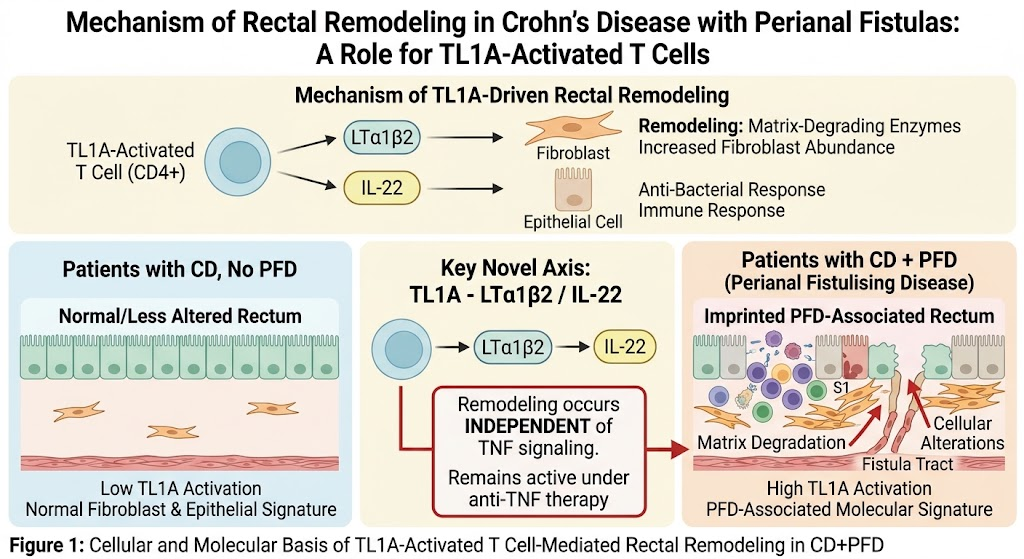
Unveiling the TL1A-LTα1β2/IL-22 Axis: A New Therapeutic Target in Crohn’s Disease with Perianal Fistulising Disease
Allergy & ImmunologyCrohn’s diseasesingle-cell RNA sequencing

Unveiling the TL1A-LTα1β2/IL-22 Axis: A New Therapeutic Target in Crohn’s Disease with Perianal Fistulising Disease

By MedXY|Sep 19, 2026

This study reveals that TL1A-activated CD4+ T cells drive distinct cellular and molecular changes in the rectal mucosa of Crohn’s disease patients with perianal fistulising disease (PFD), highlighting a novel TL1A-LTα1β2/IL-22 axis in

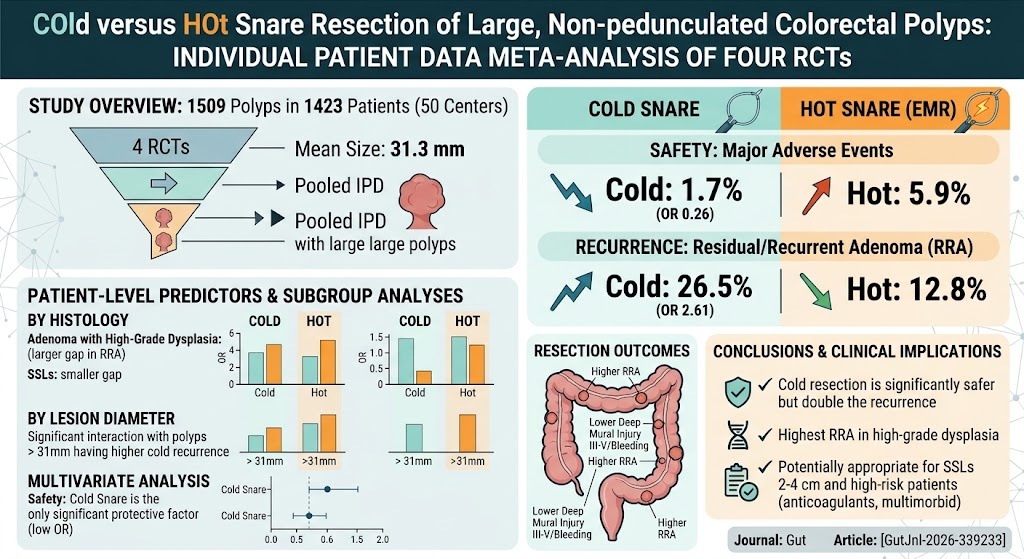
Balancing Safety and Recurrence: Cold vs Hot Snare Resection of Large Colorectal Polyps
GastroenterologyAdenoma Recurrencecolorectal polyps

Balancing Safety and Recurrence: Cold vs Hot Snare Resection of Large Colorectal Polyps

By MedXY|Sep 19, 2026

This meta-analysis of four RCTs compares cold and hot snare polypectomy for large colorectal polyps, demonstrating lower major adverse events but higher recurrence with cold resection, especially in adenomas with high-grade dysplasia.

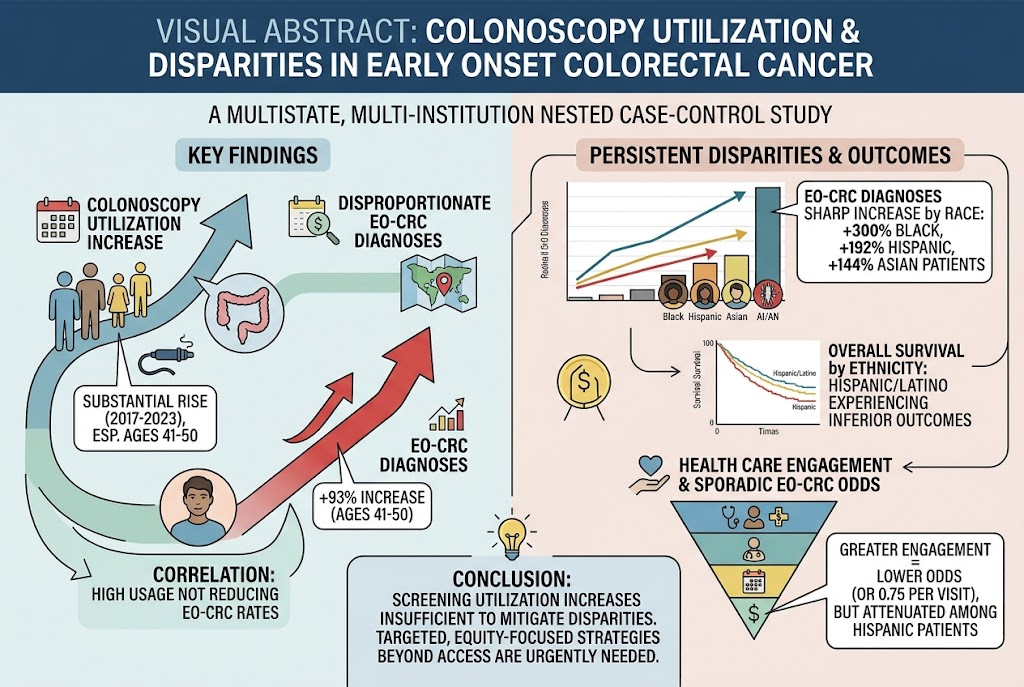
Rising Early-Onset Colorectal Cancer and Persistent Racial Disparities Despite Increased Colonoscopy Use
Gastroenterologyracial disparitiesearly-onset colorectal cancer

Rising Early-Onset Colorectal Cancer and Persistent Racial Disparities Despite Increased Colonoscopy Use

By MedXY|Sep 18, 2026

From 2017 to 2023, colonoscopy use increased notably in adults under 50. Yet, early-onset colorectal cancer rates and racial disparities, particularly among Black and Hispanic populations, worsened, highlighting that screening alone does no

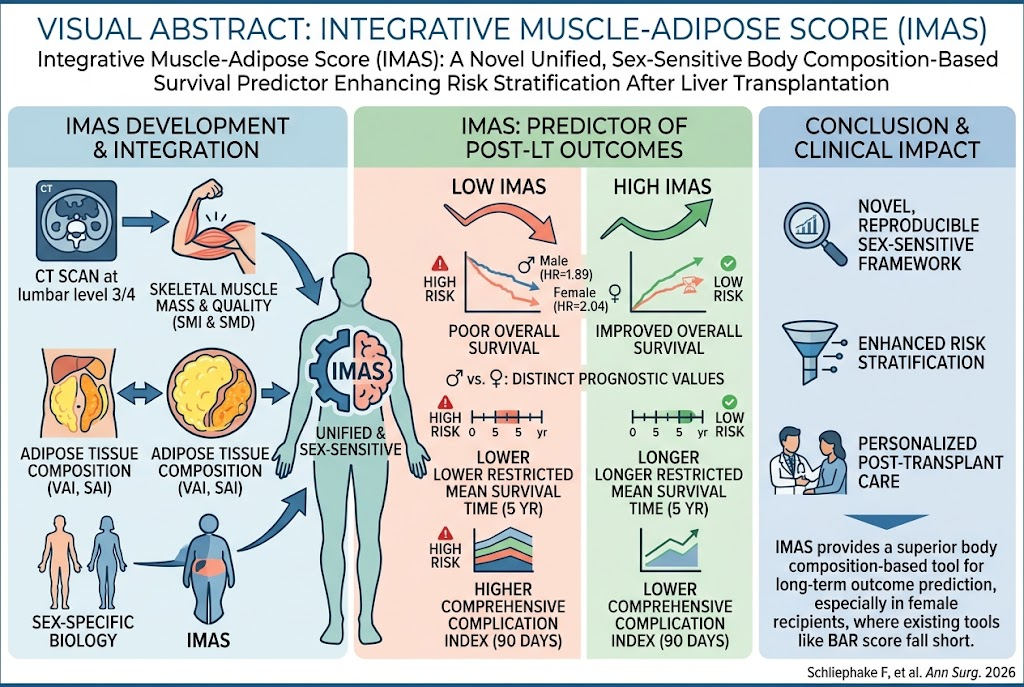
Integrative Muscle-Adipose Score (IMAS): Enhancing Sex-Sensitive Prognostication After Liver Transplantation
Gastroenterologyliver transplantationbody composition

Integrative Muscle-Adipose Score (IMAS): Enhancing Sex-Sensitive Prognostication After Liver Transplantation

By MedXY|Sep 18, 2026

The Integrative Muscle-Adipose Score (IMAS) combines muscle and fat measures into a sex-specific tool that accurately predicts long-term survival and postoperative complications in liver transplant recipients, outperforming existing models.

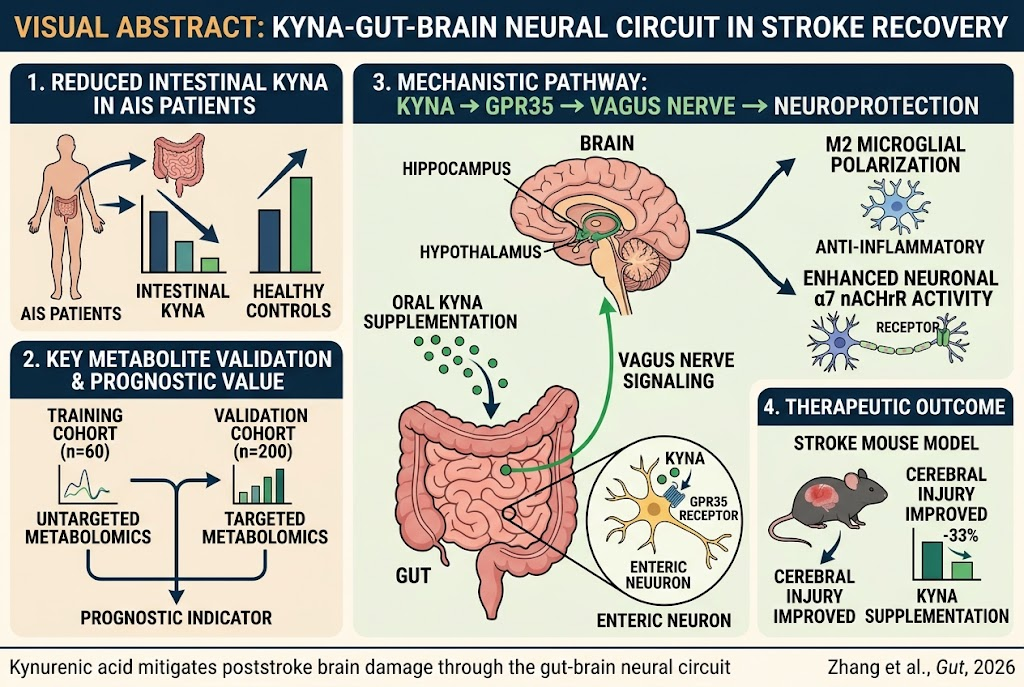
Harnessing Kynurenic Acid and the Gut-Brain Axis to Improve Stroke Recovery
GastroenterologyneuroprotectionKynurenic acid

Harnessing Kynurenic Acid and the Gut-Brain Axis to Improve Stroke Recovery

By MedXY|Sep 18, 2026

Kynurenic acid (KYNA) reduction in the gut correlates with worse poststroke outcomes. Supplementation activates a gut-brain neural circuit via GPR35 and the vagus nerve, promoting neuroprotection and functional recovery after ischemic strok

Parental Obesity and the Adult Offspring’s Risk of Metabolic Dysfunction Associated Steatotic Liver Disease: Insights from a UK Birth Cohort Study
GastroenterologyMASLDchildhood adiposity

Parental Obesity and the Adult Offspring’s Risk of Metabolic Dysfunction Associated Steatotic Liver Disease: Insights from a UK Birth Cohort Study

By MedXY|Sep 17, 2026

This UK cohort study reveals that both maternal and paternal obesity before pregnancy significantly increase offspring’s risk of metabolic dysfunction associated steatotic liver disease (MASLD) by age 24, largely mediated by excess ch

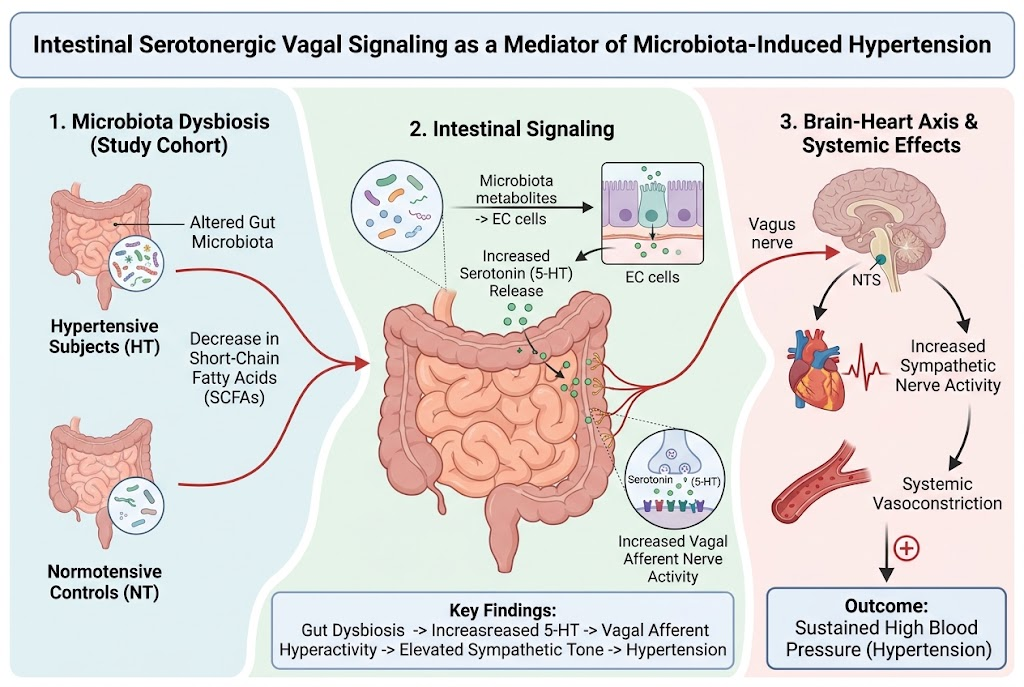
Intestinal Serotonergic Vagal Signaling: A Novel Link Between Gut Microbiota and Hypertension Management
Cardiologygut microbiotaHypertension

Intestinal Serotonergic Vagal Signaling: A Novel Link Between Gut Microbiota and Hypertension Management

By MedXY|Sep 17, 2026

Recent research identifies intestinal serotonin 5-HT3a receptor signaling via vagal neurons as a key mediator of microbiota-induced hypertension, offering new insights into resistant hypertension and potential therapeutic targets.

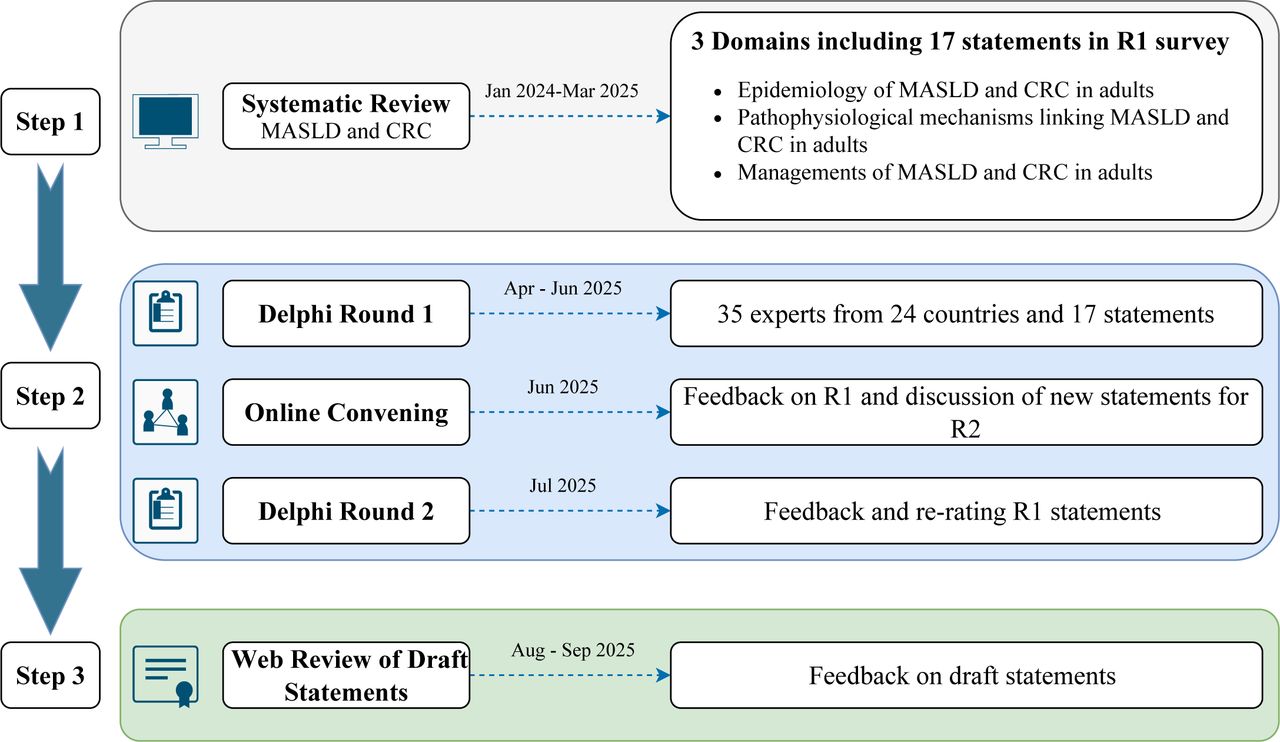
New International Consensus: Colorectal Cancer Risk in MASLD — What Clinicians Need to Know
GastroenterologyMASLDmetabolic disease

New International Consensus: Colorectal Cancer Risk in MASLD — What Clinicians Need to Know

By MedXY|Sep 15, 2026

An international Delphi panel concludes metabolic dysfunction‑associated steatotic liver disease (MASLD) raises colorectal cancer (CRC) risk. Experts call for earlier, risk‑adapted CRC screening and integrated metabolic care to reduce CRC b

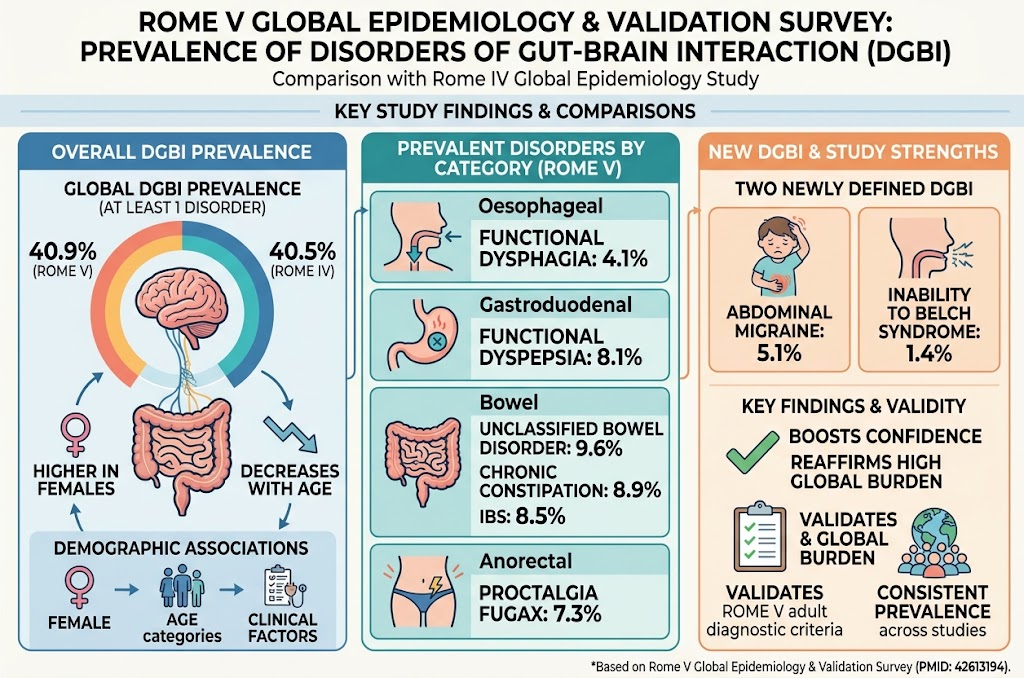
Global Burden of Disorders of Gut-Brain Interaction: Insights from Rome V Versus Rome IV Criteria
GastroenterologyepidemiologyRome V criteria

Global Burden of Disorders of Gut-Brain Interaction: Insights from Rome V Versus Rome IV Criteria

By MedXY|Sep 15, 2026

The Rome V global epidemiology survey confirms a high prevalence of disorders of gut-brain interaction (DGBI) worldwide, consistent with prior Rome IV findings, underscoring a significant and persistent global clinical burden.

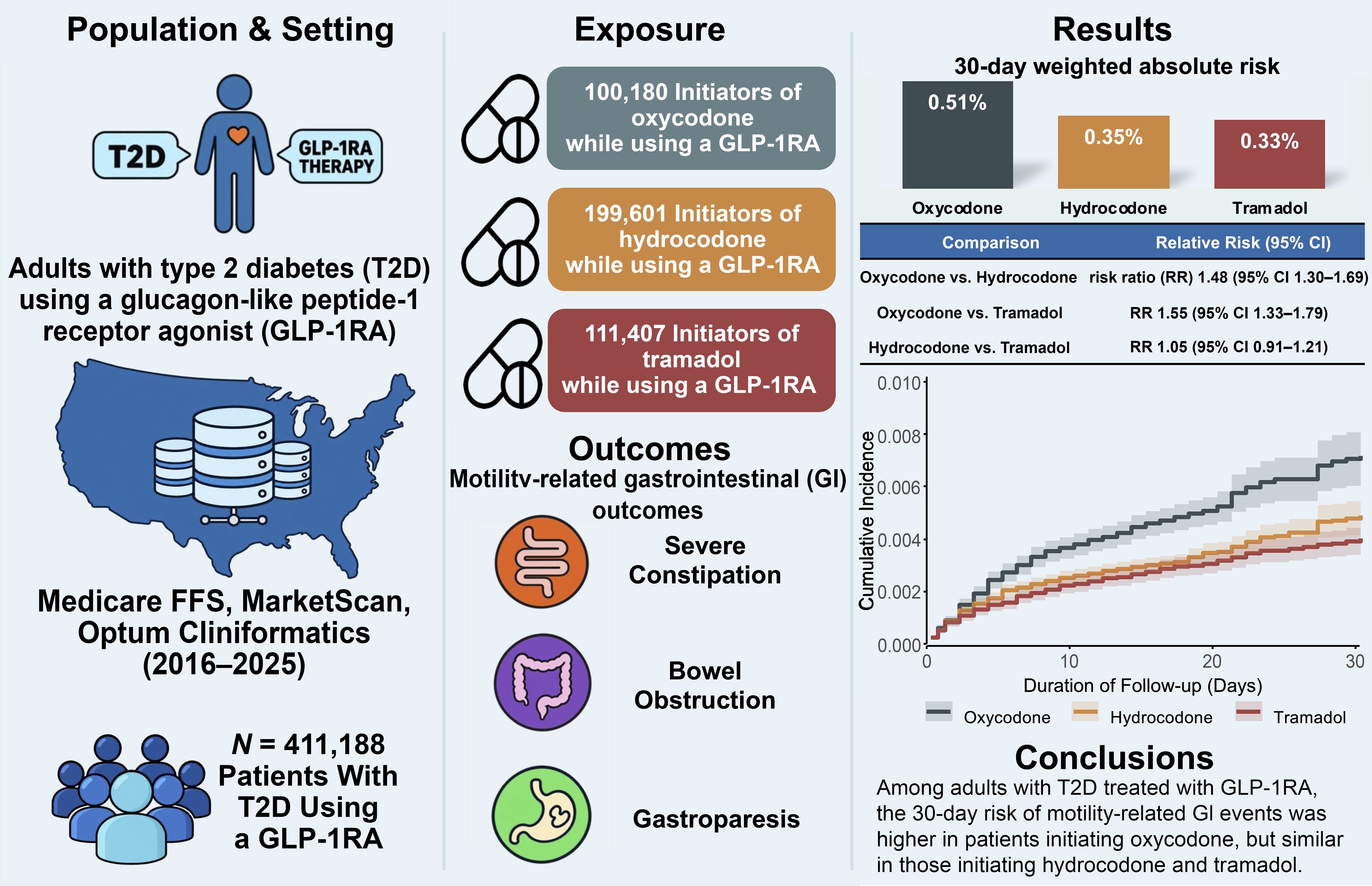
Differential Gastrointestinal Risks of Opioids in Type 2 Diabetes Patients on GLP-1RA Therapy: A Comparative Analysis
Diabetes & Endocrinologyopioidstype 2 diabetes

Differential Gastrointestinal Risks of Opioids in Type 2 Diabetes Patients on GLP-1RA Therapy: A Comparative Analysis

By MedXY|Sep 15, 2026

Among type 2 diabetes patients using GLP-1 receptor agonists, oxycodone is linked to higher short-term risks of severe gastrointestinal complications compared to hydrocodone and tramadol, warranting cautious opioid selection in this populat

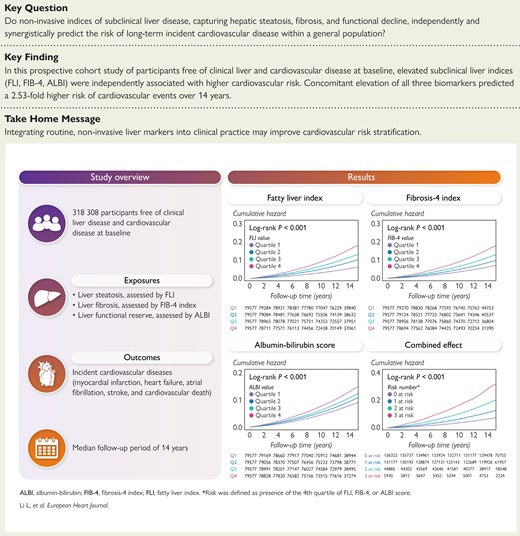
Subclinical Liver Disease as a Silent Driver of Cardiovascular Risk: Insights from a Large-Scale Prospective Study
Cardiologyhepatic steatosiscardiovascular risk

Subclinical Liver Disease as a Silent Driver of Cardiovascular Risk: Insights from a Large-Scale Prospective Study

By MedXY|Sep 15, 2026

Subclinical liver disease, marked by steatosis, fibrosis, and functional impairment, independently and synergistically increases cardiovascular disease risk. Incorporating non-invasive liver biomarkers could enhance CVD risk prediction and

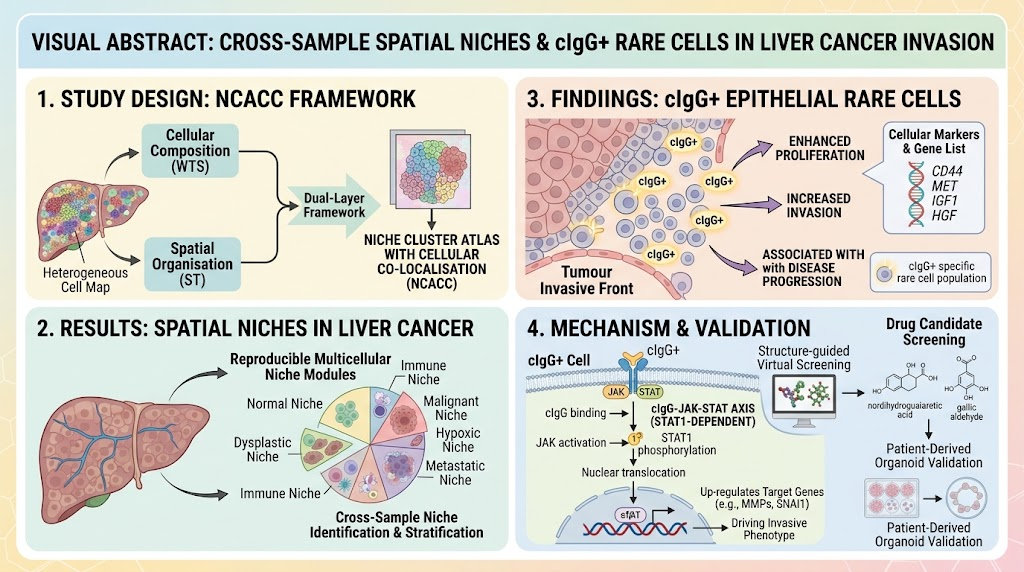
Mapping Liver Cancer’s Hidden Frontiers: NCACC Uncovers Rare cIgG+ Epithelial Cells Driving Tumor Invasion
Gastroenterologyliver cancerRare malignant cells

Mapping Liver Cancer’s Hidden Frontiers: NCACC Uncovers Rare cIgG+ Epithelial Cells Driving Tumor Invasion

By MedXY|Sep 15, 2026

NCACC technology identifies rare cIgG+ epithelial cells at liver cancer invasive fronts, revealing a STAT1-dependent signaling axis promoting aggressiveness and offering new therapeutic targets in liver cancer.

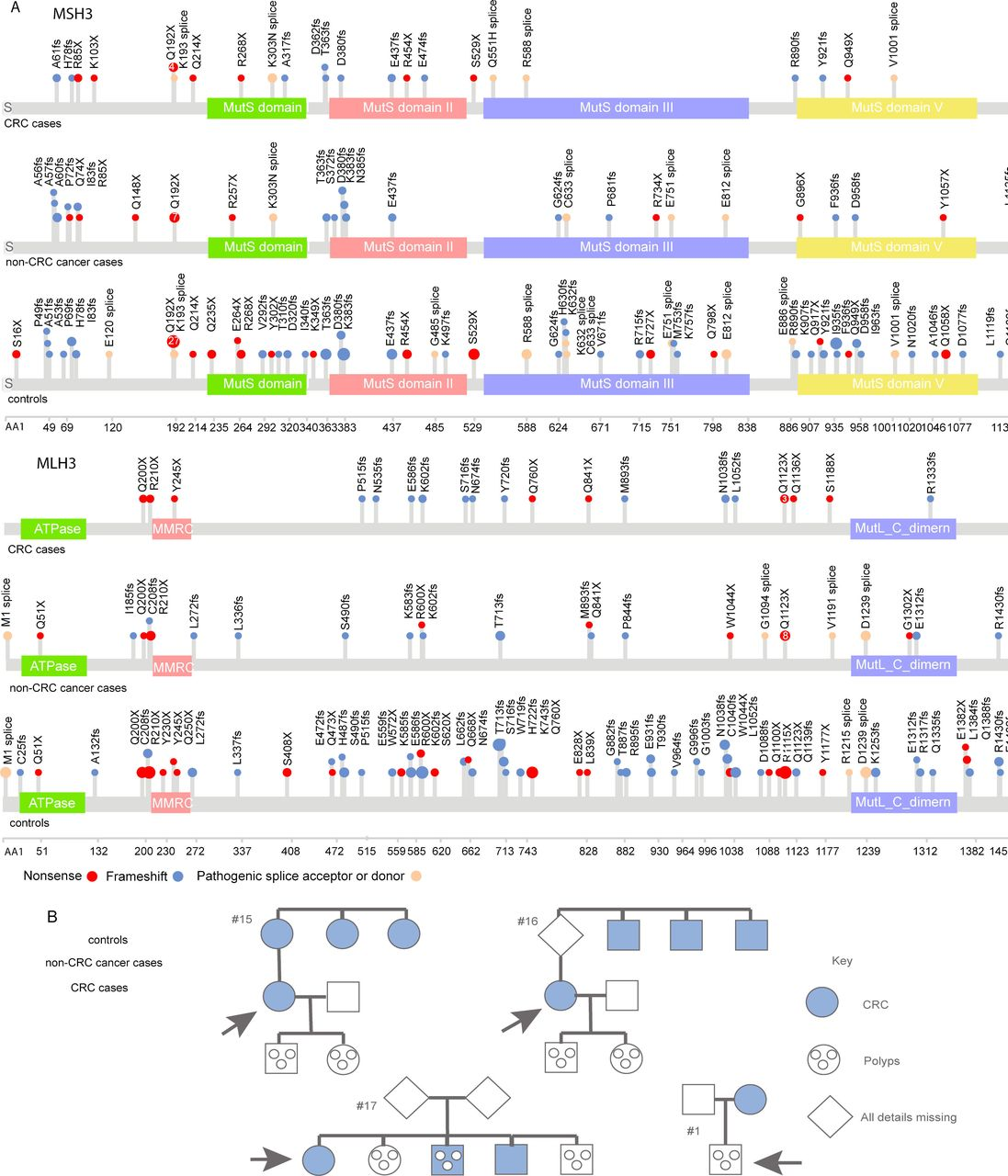
Germline MSH3 and MLH3 Mutations as Tumor Suppressors Elevating Colorectal Cancer Risk via Hypermutation Signature ID4
GastroenterologyDNA mismatch repairMLH3

Germline MSH3 and MLH3 Mutations as Tumor Suppressors Elevating Colorectal Cancer Risk via Hypermutation Signature ID4

By MedXY|Sep 15, 2026

Heterozygous germline mutations in MSH3 and likely MLH3 confer an increased colorectal cancer risk through somatic second hits, inducing hypermutant, microsatellite-stable tumors characterized by signature ID4 and excess somatic deletions.

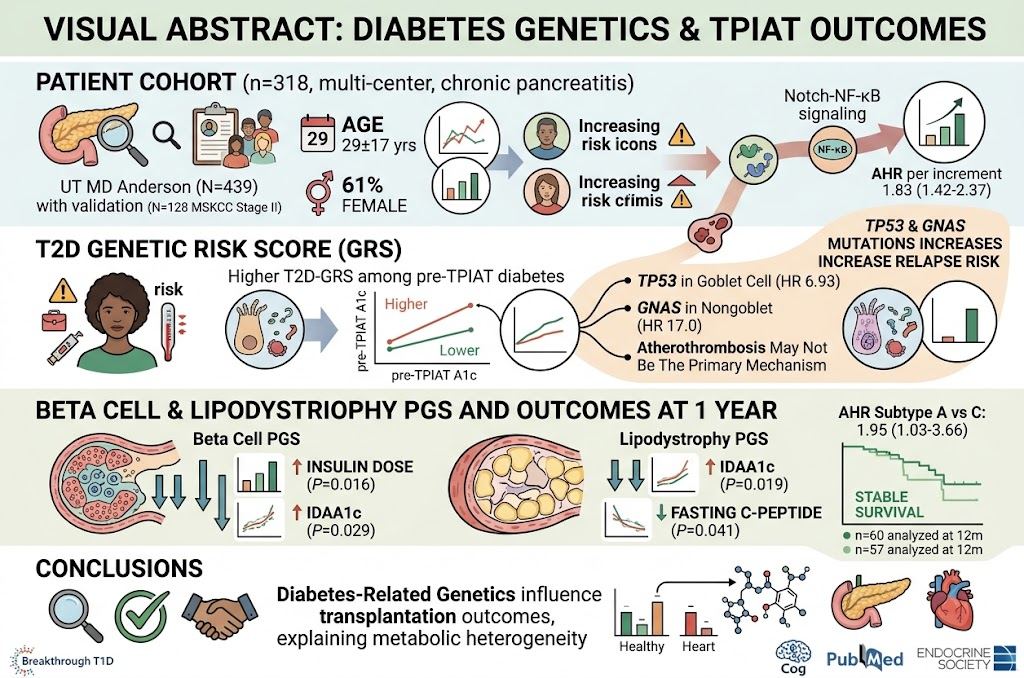
Genetic Influences on Diabetes Outcomes After Total Pancreatectomy with Islet Autotransplantation
Diabetes & EndocrinologyGenetic Risk Scorediabetes genetics

Genetic Influences on Diabetes Outcomes After Total Pancreatectomy with Islet Autotransplantation

By MedXY|Sep 15, 2026

This study reveals that diabetes-related genetic risk scores predict pre-transplant diabetes status and influence metabolic outcomes one year after total pancreatectomy with islet autotransplantation in chronic pancreatitis patients.

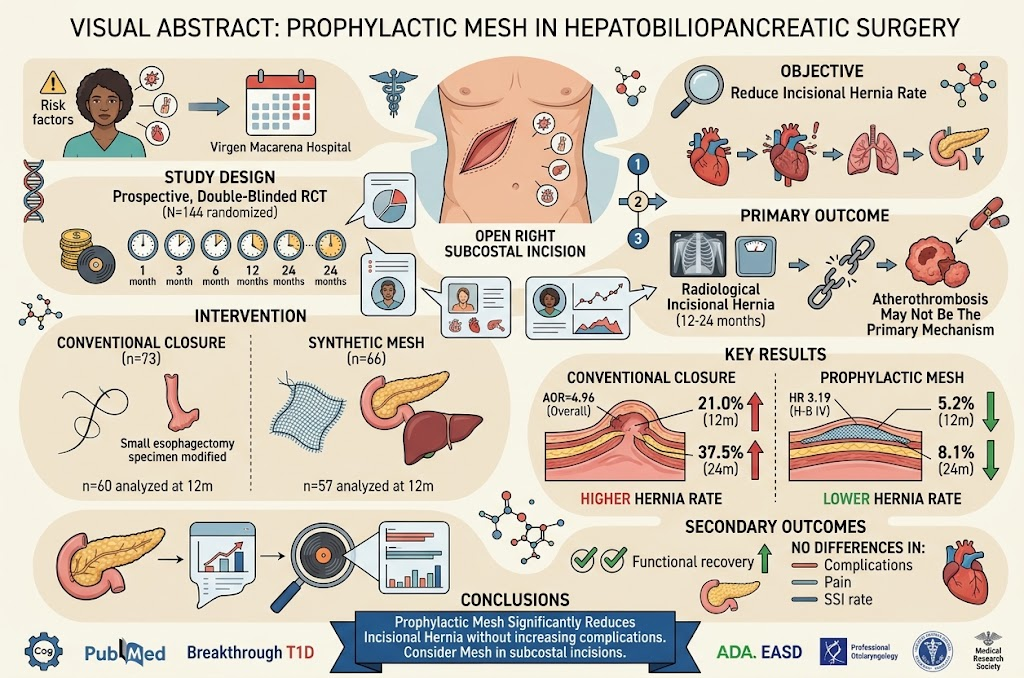
Prophylactic Mesh Placement Significantly Reduces Incisional Hernia Risk After Hepatobiliopancreatic Surgery
Gastroenterologyhepatobiliopancreatic surgeryincisional hernia

Prophylactic Mesh Placement Significantly Reduces Incisional Hernia Risk After Hepatobiliopancreatic Surgery

By MedXY|Sep 15, 2026

A randomized clinical trial demonstrates that synthetic mesh reinforcement during subcostal abdominal closure notably decreases incisional hernia incidence without increasing postoperative complications, improving patient recovery after hep

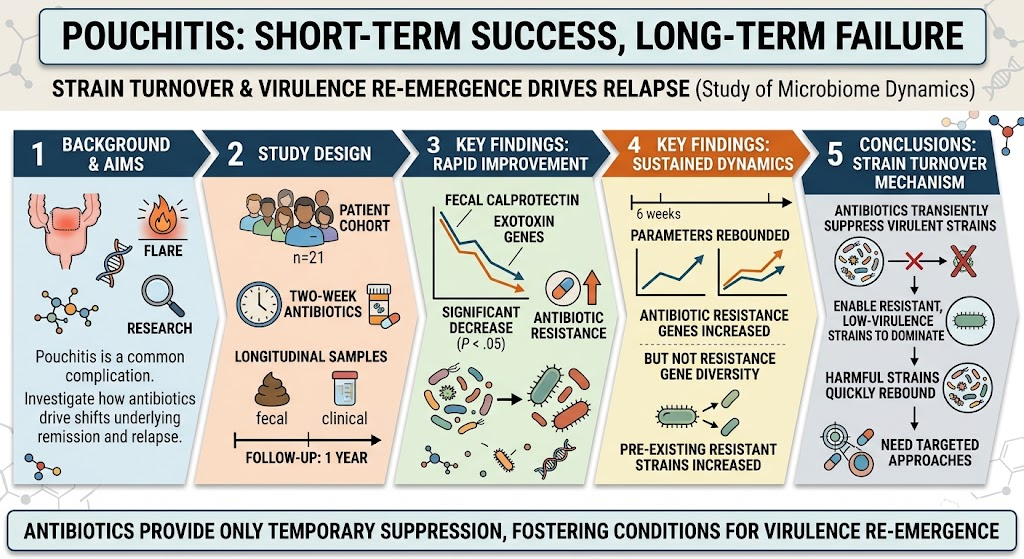
Short-Term Antibiotic Success but Long-Term Challenges in Pouchitis: Insights into Microbial Strain Dynamics and Virulence Re-Emergence
Gastroenterologymicrobial virulencepouchitis

Short-Term Antibiotic Success but Long-Term Challenges in Pouchitis: Insights into Microbial Strain Dynamics and Virulence Re-Emergence

By MedXY|Sep 13, 2026

Antibiotic treatment transiently improves pouchitis by suppressing exotoxin-producing bacteria, but resistant strains quickly re-emerge, driving relapse; targeted microbial approaches are needed for sustained remission.

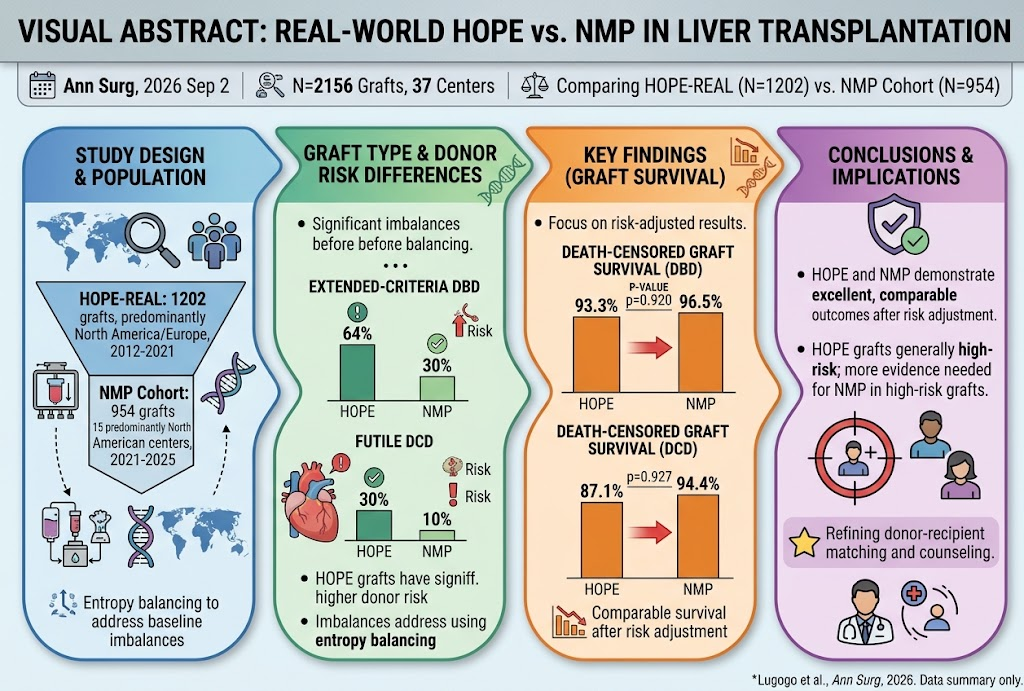
Comparative Real-World Outcomes of Hypothermic Oxygenated and Normothermic Machine Perfusion in Liver Transplantation
Gastroenterologyhypothermic oxygenated perfusionnormothermic machine perfusion

Comparative Real-World Outcomes of Hypothermic Oxygenated and Normothermic Machine Perfusion in Liver Transplantation

By MedXY|Sep 12, 2026

This international cohort study evaluates hypothermic oxygenated perfusion (HOPE) versus normothermic machine perfusion (NMP) in liver transplantation, revealing comparable high graft survival despite differing donor risk profiles and highl

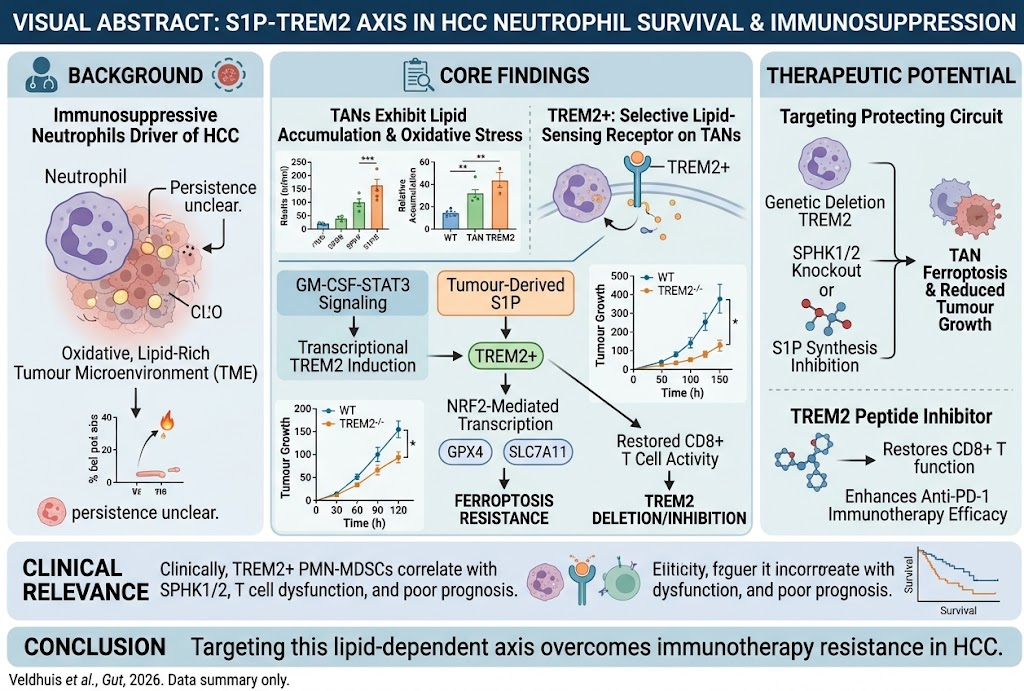
Unraveling the S1P-TREM2 Axis: A Novel Ferroptosis-Resistance Mechanism Driving Immunosuppressive Neutrophils and Tumour Progression in Hepatocellular Carcinoma
Gastroenterologyferroptosisimmunotherapy resistance

Unraveling the S1P-TREM2 Axis: A Novel Ferroptosis-Resistance Mechanism Driving Immunosuppressive Neutrophils and Tumour Progression in Hepatocellular Carcinoma

By MedXY|Sep 12, 2026

This study reveals how the S1P-TREM2-NRF2 signaling pathway protects tumor-associated neutrophils from ferroptosis, sustaining immunosuppression and promoting hepatocellular carcinoma progression, offering new therapeutic avenues.

1 / 25
123…25
Next
Ask MedXY AI

Most popular

Intimate Health
Five Benefits for Women Continuing Sexual Activity After Menopause
Intimate Health
Why Some Women Have a Strong Sex Drive—And Why Men Shouldn't Worry About It
Nursing & care
How often should a couple have sex?
Intimate Health
Classic Intimacy Recommendations: How to Help Women Reach Orgasm and Enjoy Mutual Pleasure
Intimate Health
What Makes a Woman "Physiologically Addicted" Is Never Money, But These Two Relationship Qualities

Browse by specialty

Open language-specific specialty feeds and department pages.

news6629 articlesCardiology1375 articlesClinical Updates1288 articlesOncology1139 articlesDiabetes & Endocrinology842 articlesNeurology820 articlesPublic Health595 articlesGastroenterology572 articles
Hematology-Oncology
487 articles
Pediatrics484 articles
Internal Medicine444 articles