We use cookies

Our website uses essential cookies and, with your consent, additional cookies to measure performance and improve our services. Cookie Policy.

You can change your choice at any time.

MMedXYNews
HomeVideos
© 2026 MedXY
Contact usAbout usPrivacy PolicyMedXY story
MedXY AI/MedXY News/Critical Care

Critical Care

Ask MedXY AI
What is the latest evidence?Key clinical updatesGuideline changes

Latest news

Cultural Diversity in ICU: A Protective Factor Against Sepsis Mortality
Critical Caređa dạng văn hóahealth disparities

Cultural Diversity in ICU: A Protective Factor Against Sepsis Mortality

By MedXY|Apr 24, 2026

A multicenter study reveals that culturally and linguistically diverse patients with sepsis had lower in-hospital mortality and shorter ICU stays compared to non-CaLD patients, challenging prior assumptions about healthcare disparities.


Antifungal Therapy Slashes Mortality in COVID-19-Associated Pulmonary Aspergillosis: European Data Confirms
Critical Careantifungal treatmentCAPA

Antifungal Therapy Slashes Mortality in COVID-19-Associated Pulmonary Aspergillosis: European Data Confirms

By MedXY|Apr 23, 2026

A multicenter European cohort study demonstrates that antifungal treatment significantly reduces 60-day mortality in COVID-19-associated pulmonary aspergillosis (CAPA), particularly in immunocompromised patients. Key findings underscore the

Higher EMS Clinician Trauma Volume Linked to Lower Early Mortality in Trauma Patients
Critical CareEMSMortality

Higher EMS Clinician Trauma Volume Linked to Lower Early Mortality in Trauma Patients

By MedXY|Apr 23, 2026

A study finds that increased annual trauma patient volume per EMS clinician is associated with significantly reduced 6-hour and in-hospital mortality rates, highlighting the importance of experience in prehospital trauma care.

Low-Calorie, Low-Protein Feeding in Shock: No Harm to Kidneys, NUTRIREA-3 Analysis Confirms
Critical Carecritical carenutrition therapy

Low-Calorie, Low-Protein Feeding in Shock: No Harm to Kidneys, NUTRIREA-3 Analysis Confirms

By MedXY|Apr 21, 2026

Early low-calorie and low-protein nutrition in critically ill patients with shock does not worsen renal outcomes compared to standard feeding, per NUTRIREA-3 post hoc analysis.

Language Barriers and Delirium Detection: Study Reveals Critical Disparities in ICU Care for Spanish-Speaking Patients
Critical Carecritical caredelirium

Language Barriers and Delirium Detection: Study Reveals Critical Disparities in ICU Care for Spanish-Speaking Patients

By MedXY|Apr 24, 2026

A new study highlights significant disparities in delirium detection for Spanish-speaking ICU patients, with usual-care methods missing 72% of cases. Caregiver-administered tools improved detection by 47%, offering a potential solution to l

Transfer Before Support: Why Cardiogenic Shock Patients Referred from Regional Centers Face Higher Device-Related Complications
Cardiologycardiogenic shockdevice-related adverse events

Transfer Before Support: Why Cardiogenic Shock Patients Referred from Regional Centers Face Higher Device-Related Complications

By MedXY|Apr 15, 2026

A large observational study reveals that cardiogenic shock patients receiving temporary mechanical circulatory support at regional referral centers before transfer to hub centers experience significantly higher device-related adverse events

Remimazolam Besylate Matches Propofol for Short-Term ICU Sedation: The SHOSREB Trial
Anesthesiologyanesthesiologycritical care

Remimazolam Besylate Matches Propofol for Short-Term ICU Sedation: The SHOSREB Trial

By MedXY|Apr 13, 2026

The SHOSREB trial demonstrates that remimazolam besylate is non-inferior to propofol for short-term light sedation in mechanically ventilated ICU patients, with both agents achieving 97.5% successful sedation rates and comparable time withi

Mortality Trends in Mechanically Ventilated ARDS: 20 Years of Paradox Revealed
Critical CareARDSICD Coding

Mortality Trends in Mechanically Ventilated ARDS: 20 Years of Paradox Revealed

By MedXY|Apr 2, 2026

A landmark 20-year analysis of over 200,000 mechanically ventilated ARDS patients reveals a striking paradox—mortality declined during the ICD-9 era but increased after ICD-10 adoption, challenging assumptions about ARDS outcomes and highli

Mind the Gap: Why Point-of-Care and Central Lab Electrolytes Are Not Interchangeable in the ICU
Critical Carecritical careElectrolyte Monitoring

Mind the Gap: Why Point-of-Care and Central Lab Electrolytes Are Not Interchangeable in the ICU

By MedXY|Mar 29, 2026

A prospective study highlights significant discrepancies between point-of-care and central laboratory sodium and potassium measurements in the ICU, revealing a 10.48 mmol/L limit of agreement for sodium and a widespread lack of physician aw

Rethinking Shock Management: From Standardized Protocols to Personalized Precision Medicine
Critical Carecritical careHemodynamic Monitoring

Rethinking Shock Management: From Standardized Protocols to Personalized Precision Medicine

By MedXY|Mar 19, 2026

Expert consensus highlights a shift in shock treatment, emphasizing that standardized protocols must give way to personalized, physiology-driven bedside care to prevent iatrogenic injury and improve survival.

Electrolyte Monitoring in the ICU: Bridging the Gap Between Point-of-Care and Central Laboratory Discrepancies
Clinical Updatescritical careElectrolytes

Electrolyte Monitoring in the ICU: Bridging the Gap Between Point-of-Care and Central Laboratory Discrepancies

By MedXY|Mar 18, 2026

This review analyzes the analytical biases between direct and indirect potentiometry for sodium and potassium measurement in critical care, highlighting significant clinical classification discrepancies and a widespread lack of physician aw

Antipsychotic Exposure in the ICU: A Double-Edged Sword for Catatonia Risk?
Critical CareantipsychoticsCatatonia

Antipsychotic Exposure in the ICU: A Double-Edged Sword for Catatonia Risk?

By MedXY|Mar 14, 2026

A prospective cohort study demonstrates that antipsychotic use in critically ill patients is significantly associated with fewer catatonia-free days, suggesting that dopamine blockade may be a primary driver of catatonic syndromes in intens

Etiology, Management, and Outcomes of Society for Cardiovascular Angiography and Interventions Stage B Cardiogenic Shock
Cardiologyacute kidney injurycardiogenic shock

Etiology, Management, and Outcomes of Society for Cardiovascular Angiography and Interventions Stage B Cardiogenic Shock

By MedXY|Mar 10, 2026

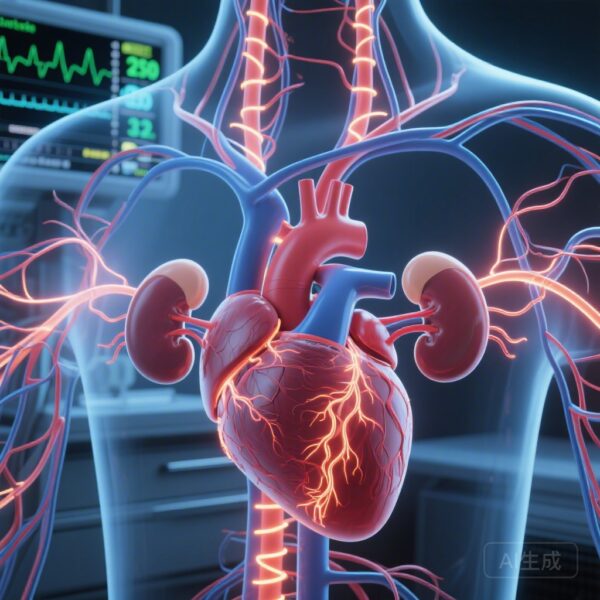
This clinical analysis of 500 patients identifies heart failure and arrhythmias as the primary causes of SCAI Stage B shock. Key findings highlight acute kidney injury and diuretic resistance as significant predictors of clinical deteriorat

Daily Chlorhexidine Bathing in the ICU: Results from the CLEAN-IT Multicentre Trial
Critical CareAntimicrobial Resistancecritical care

Daily Chlorhexidine Bathing in the ICU: Results from the CLEAN-IT Multicentre Trial

By MedXY|Mar 2, 2026

A large-scale trial in Brazilian ICUs found that daily chlorhexidine bathing did not lower overall nosocomial infection rates but significantly reduced multi-drug resistant pathogen isolation and the use of high-priority reserve antibiotics

Plasma GFAP and NfL Levels Predict Acute Brain Injury and Poor Outcomes in Pediatric ECMO
Critical CarebiomarkersECMO

Plasma GFAP and NfL Levels Predict Acute Brain Injury and Poor Outcomes in Pediatric ECMO

By MedXY|Mar 2, 2026

This multi-center study demonstrates that serial monitoring of plasma GFAP and NfL biomarkers can detect acute brain injury in pediatric ECMO patients before imaging diagnosis, significantly correlating with long-term survival and functiona

Plasma GFAP and NfL as Real-Time Predictors of Brain Injury and Long-Term Disability in Pediatric ECMO
Critical Carebiomarkersneurocritical care

Plasma GFAP and NfL as Real-Time Predictors of Brain Injury and Long-Term Disability in Pediatric ECMO

By MedXY|Mar 2, 2026

A prospective study demonstrates that rising levels of plasma GFAP and NfL precede neuroimaging-confirmed brain injury in children on ECMO. These biomarkers are also strongly associated with mortality and long-term functional impairment, of

The Warning Signs of Deterioration: Acute Kidney Injury and Diuretic Resistance in SCAI Stage B Cardiogenic Shock
Cardiologyacute kidney injurycardiogenic shock

The Warning Signs of Deterioration: Acute Kidney Injury and Diuretic Resistance in SCAI Stage B Cardiogenic Shock

By MedXY|Mar 1, 2026

A large-scale study reveals that 25% of patients with SCAI Stage B cardiogenic shock deteriorate clinically. Acute kidney injury and diuretic resistance are identified as critical, independent predictors of poor outcomes, emphasizing the ne

AKI and Diuretic Resistance: Identifying the High-Risk Phenotype in SCAI Stage B Cardiogenic Shock
Cardiologyacute kidney injurycardiogenic shock

AKI and Diuretic Resistance: Identifying the High-Risk Phenotype in SCAI Stage B Cardiogenic Shock

By MedXY|Mar 2, 2026

New research highlights that nearly a quarter of SCAI Stage B cardiogenic shock patients deteriorate. Acute kidney injury and diuretic resistance serve as critical early warning signs, providing clinicians a window for proactive interventio

Albumin Replacement in Septic Shock: Safety Confirmed but Survival Benefit Remains Elusive
Critical CareAlbumincritical care

Albumin Replacement in Septic Shock: Safety Confirmed but Survival Benefit Remains Elusive

By MedXY|Feb 23, 2026

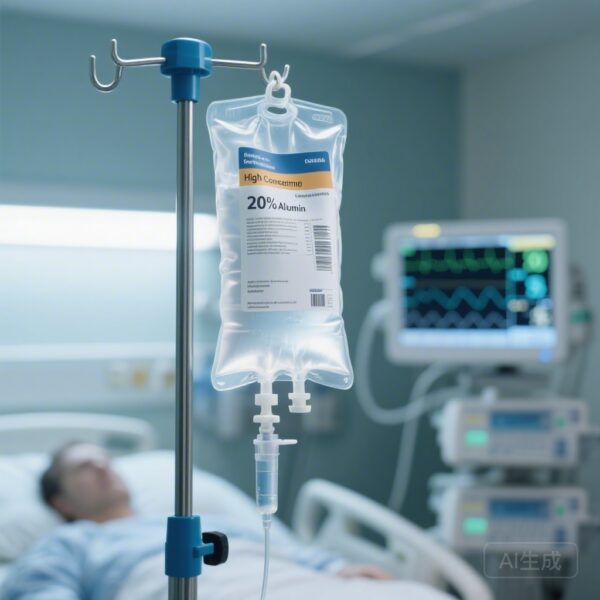
The ARISS randomized clinical trial found that 20% albumin supplementation to maintain serum levels ≥3.0 g/dL is safe in septic shock but does not significantly improve 90-day survival compared to standard crystalloids, though the study&#82

Redefining Post-Cardiac Arrest Care: Two-Year TTM2 Data Confirm No Long-Term Advantage for Targeted Hypothermia
Cardiologycardiac arrestNeurocognition

Redefining Post-Cardiac Arrest Care: Two-Year TTM2 Data Confirm No Long-Term Advantage for Targeted Hypothermia

By MedXY|Feb 20, 2026

This 2-year follow-up of the TTM2 trial demonstrates that targeted hypothermia at 33°C provides no long-term benefit for functional or cognitive recovery compared to targeted normothermia. The findings emphasize the importance of early feve

Prev
7 / 16
1…56789…16
Next
Ask MedXY AI

Most popular

Intimate Health
Five Benefits for Women Continuing Sexual Activity After Menopause
Intimate Health
Why Some Women Have a Strong Sex Drive—And Why Men Shouldn't Worry About It
Nursing & care
How often should a couple have sex?
Intimate Health
Classic Intimacy Recommendations: How to Help Women Reach Orgasm and Enjoy Mutual Pleasure
Intimate Health
What Makes a Woman "Physiologically Addicted" Is Never Money, But These Two Relationship Qualities

Browse by specialty

Open language-specific specialty feeds and department pages.

news6629 articlesCardiology1375 articlesClinical Updates1288 articlesOncology1139 articlesDiabetes & Endocrinology842 articlesNeurology820 articlesPublic Health595 articlesGastroenterology572 articles
Hematology-Oncology
487 articles
Pediatrics484 articles
Internal Medicine444 articles