We use cookies

Our website uses essential cookies and, with your consent, additional cookies to measure performance and improve our services. Cookie Policy.

You can change your choice at any time.

MMedXYNews
HomeVideos
© 2026 MedXY
Contact usAbout usPrivacy PolicyMedXY story
MedXY AI/MedXY News/Gastroenterology

Gastroenterology

Ask MedXY AI
What is the latest evidence?Key clinical updatesGuideline changes

Latest news

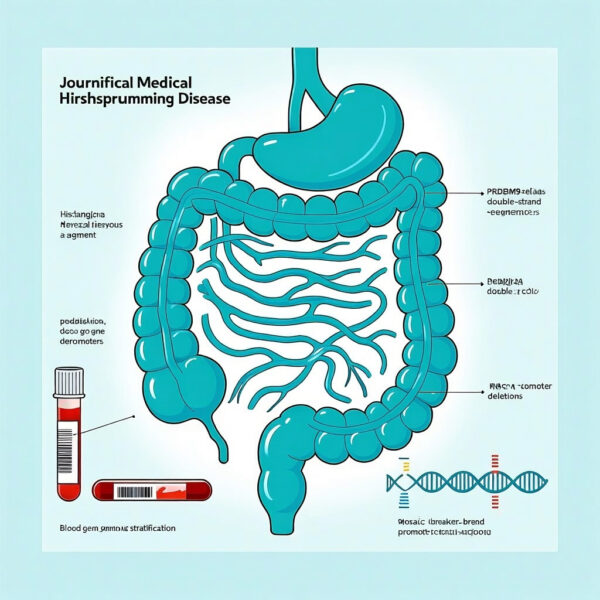
PRDM9 Deficiency Identifies a Predominant Molecular Subgroup in Sporadic Hirschsprung Disease and Enables Blood-based Risk Stratification
Gastroenterologymosaic promoter deletionspolygenic risk score

PRDM9 Deficiency Identifies a Predominant Molecular Subgroup in Sporadic Hirschsprung Disease and Enables Blood-based Risk Stratification

By MedXY|Jun 10, 2026

A 2026 Gastroenterology study links PRDM9 deficiency to ectopic DNA breaks, mosaic promoter deletions, and impaired enteric neuronal differentiation in sporadic Hirschsprung disease, while introducing a blood-based molecular score that impr


Role of Relaxing Lateral Incisions as an Add-On to Difficult Hiatal Repair in Redo and Giant Hernia Cases
GastroenterologyGERDhiatal hernia

Role of Relaxing Lateral Incisions as an Add-On to Difficult Hiatal Repair in Redo and Giant Hernia Cases

By MedXY|Jun 10, 2026

Lateral relaxing diaphragmatic incisions may help reduce tension during difficult hiatal hernia repairs, improving symptom control in redo and giant hernia cases, though long-term recurrence data are still needed.

Intraperitoneal and Intravenous Paclitaxel Plus S-1 for Gastric Cancer With Peritoneal Metastasis: Phase 3 Trial
GastroenterologyGastric Cancerintraperitoneal chemotherapy

Intraperitoneal and Intravenous Paclitaxel Plus S-1 for Gastric Cancer With Peritoneal Metastasis: Phase 3 Trial

By MedXY|Jun 10, 2026

A phase 3 trial found that adding intraperitoneal paclitaxel to intravenous paclitaxel plus S-1 improved survival in gastric cancer with peritoneal metastasis without increasing severe toxicity.

When a Stomach Bug Doesn’t End: The Hidden Global Burden of Post-Infection Gut Disorders
Gastroenterologychronic digestive symptomsgastroenteritis

When a Stomach Bug Doesn’t End: The Hidden Global Burden of Post-Infection Gut Disorders

By MedXY|Jun 10, 2026

A major global study shows that some people develop lasting gut-brain disorders after acute gastroenteritis, linking infections to chronic digestive and psychological symptoms.

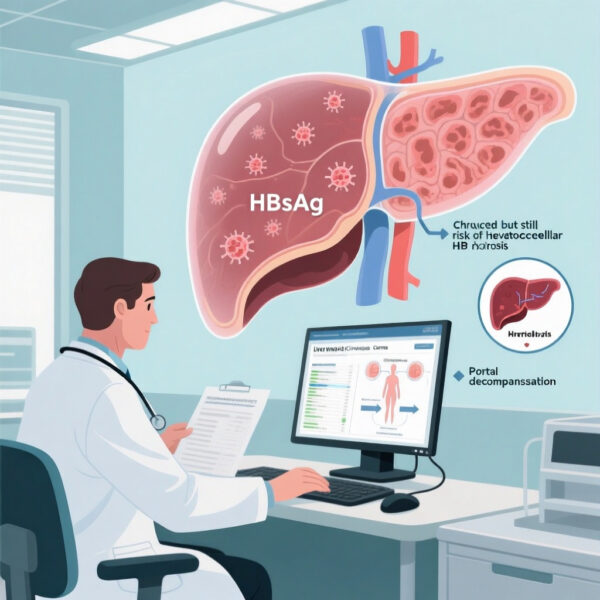
HBsAg Seroclearance Lowers Hepatocellular Carcinoma Risk Beyond Viral Suppression in Cirrhosis, but Does Not Reduce Hepatic Decompensation
Gastroenterologychronic hepatitis Bcirrhosis

HBsAg Seroclearance Lowers Hepatocellular Carcinoma Risk Beyond Viral Suppression in Cirrhosis, but Does Not Reduce Hepatic Decompensation

By MedXY|Jun 10, 2026

In NA-treated cirrhotic chronic hepatitis B with complete viral suppression, HBsAg seroclearance was linked to lower HCC risk but not lower hepatic decompensation, reinforcing functional cure as a meaningful but incomplete clinical endpoint

Colonic GPR15L Emerges as a Microbiota-Shaping Host-Defense Peptide That Protects Against Experimental Colitis
Allergy & ImmunologycolitisGPR15L

Colonic GPR15L Emerges as a Microbiota-Shaping Host-Defense Peptide That Protects Against Experimental Colitis

By MedXY|Jun 10, 2026

New data identify GPR15L as an epithelial host-defense peptide that reshapes the colonic microbiota, reduces experimental colitis, and may have therapeutic relevance in inflammatory bowel disease.

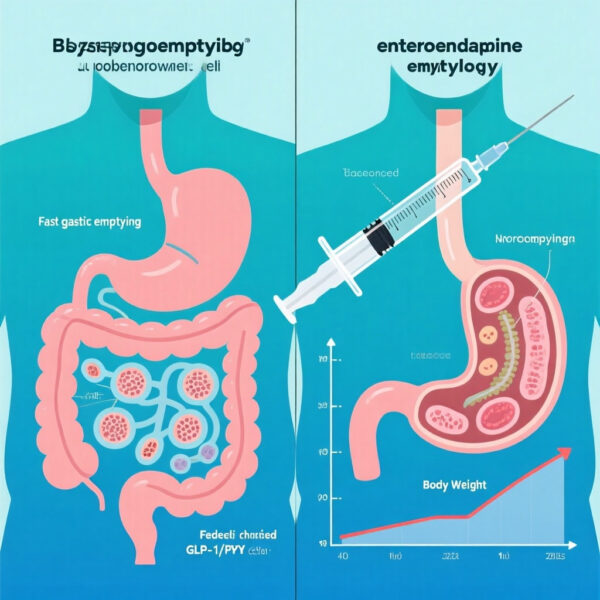
An Obesity Subphenotype With Low Endogenous GLP-1 Production Shows Markedly Greater Weight Loss With Tirzepatide
Diabetes & Endocrinologygastric emptyingGLP-1

An Obesity Subphenotype With Low Endogenous GLP-1 Production Shows Markedly Greater Weight Loss With Tirzepatide

By MedXY|Jun 9, 2026

A 2026 study identifies a biologically distinct obesity subphenotype marked by fast gastric emptying, low GLP-1 synthesis, and substantially greater 6-month weight loss with tirzepatide.

Primary vs Specialist Palliative Care in End-Stage Liver Disease: Interpreting the 2026 Cluster Randomized Trial in the Broader Evidence Base
Clinical Updatescirrhosisend-stage liver disease

Primary vs Specialist Palliative Care in End-Stage Liver Disease: Interpreting the 2026 Cluster Randomized Trial in the Broader Evidence Base

By MedXY|Jun 9, 2026

A major 2026 cluster randomized trial shows that palliative care delivered by trained hepatologists is noninferior to specialist palliative care for improving quality of life in end-stage liver disease, supporting scalable integrated models

Chronic Kidney Disease Worsens Short-Term Outcomes in Hospitalized Patients With Cirrhosis Across a Global Cohort
Gastroenterologyacute kidney injurychronic kidney disease

Chronic Kidney Disease Worsens Short-Term Outcomes in Hospitalized Patients With Cirrhosis Across a Global Cohort

By MedXY|Jun 7, 2026

In a large international prospective cohort of hospitalized patients with cirrhosis, chronic kidney disease was common, clustered with metabolic risk, and strongly associated with acute kidney injury, more decompensation, and higher in-hosp

Computer-Aided Detection Increased Adenoma Detection in a Large Pragmatic Cluster Randomized Colonoscopy Study
AIAdenoma Detection Ratecolonoscopy

Computer-Aided Detection Increased Adenoma Detection in a Large Pragmatic Cluster Randomized Colonoscopy Study

By MedXY|Jun 7, 2026

In a large Veterans Health Administration cluster randomized study, CADe availability increased adenoma detection during colonoscopy without changing withdrawal time or nonadenomatous lesion detection.

RETREAT Score Stratifies Long-Term Hepatocellular Carcinoma Recurrence Risk After Liver Transplantation in Real-World Practice
Gastroenterologyhepatocellular carcinomaliver transplantation

RETREAT Score Stratifies Long-Term Hepatocellular Carcinoma Recurrence Risk After Liver Transplantation in Real-World Practice

By MedXY|Jun 7, 2026

A single-center validation study shows the RETREAT score reliably predicts long-term HCC recurrence after liver transplantation and identifies patients with markedly different recurrence-free and overall survival trajectories.

Deprescribing Intervention Reduces Proton Pump Inhibitor Use in Primary Care
Family Medicine & NutritionBệnh trào ngược dạ dày thực quảndeprescribing

Deprescribing Intervention Reduces Proton Pump Inhibitor Use in Primary Care

By MedXY|Jun 6, 2026

A large primary care trial found that a combined patient- and GP-focused deprescribing intervention safely reduced long-term proton pump inhibitor use more effectively than usual care or GP-only education.

Adult Liver Transplant Candidate Evaluation: What the New AASLD/AST Guideline Changes
Gastroenterologycandidate evaluationguideline update

Adult Liver Transplant Candidate Evaluation: What the New AASLD/AST Guideline Changes

By MedXY|Jun 6, 2026

The updated AASLD/AST guideline clarifies how adults should be evaluated for liver transplantation, emphasizing equitable access, multidisciplinary assessment, psychosocial readiness, and structured risk–benefit decision-making.

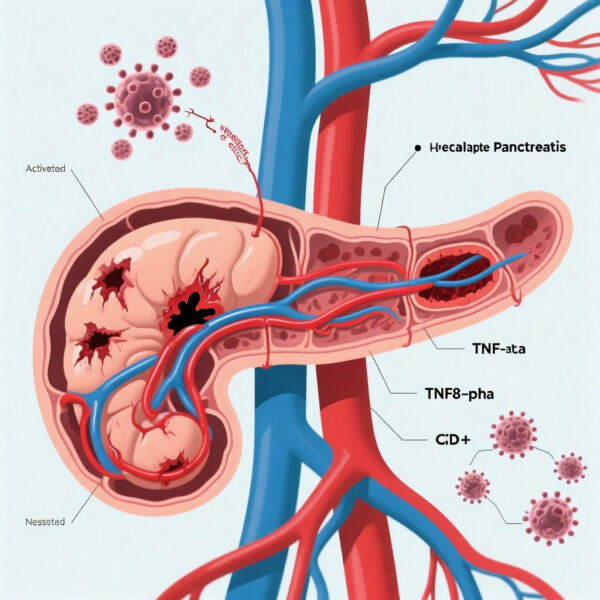
TNF-α–Driven Immune-Endothelial Injury Emerges as a Therapeutic Target in Severe Acute Pancreatitis
Critical CareCD8 T cellsmicrocirculation

TNF-α–Driven Immune-Endothelial Injury Emerges as a Therapeutic Target in Severe Acute Pancreatitis

By MedXY|Jun 5, 2026

Single-cell analysis of human severe acute pancreatitis identifies TNF-α–induced CD8+ T-cell endothelial injury as a driver of pancreatic microcirculatory failure, supporting TNF-α blockade as a potential targeted therapy.

Pathology-Driven Epithelial Sulfide Loss Reprograms the Redox Proteome and Triggers Barrett’s Esophagus
GastroenterologyBarrett's esophagushydrogen sulfide

Pathology-Driven Epithelial Sulfide Loss Reprograms the Redox Proteome and Triggers Barrett’s Esophagus

By MedXY|Jun 5, 2026

A study shows that reflux-related sulfide loss rewires esophageal redox proteins, increases PGE2 signaling, and helps drive Barrett’s esophagus, revealing a new potential therapeutic target.

Language Barriers and Treatment Delays Emerge as Modifiable Threats in Early-Onset Colorectal Cancer
Gastroenterologyearly-onset colorectal cancerlanguage barriers

Language Barriers and Treatment Delays Emerge as Modifiable Threats in Early-Onset Colorectal Cancer

By MedXY|Jun 5, 2026

A large Texas registry study found that treatment delays beyond 6 weeks were independently associated with worse survival in early-onset colorectal cancer, with language barriers identified as a potentially modifiable contributor.

Mailed Outreach for Colorectal Cancer Screening in Community Health Centers: CARES Pragmatic Cluster Randomized Clinical Trial
Gastroenterologycolorectal cancer screeningcommunity health centers

Mailed Outreach for Colorectal Cancer Screening in Community Health Centers: CARES Pragmatic Cluster Randomized Clinical Trial

By MedXY|Jun 4, 2026

Mailed outreach improved colorectal cancer screening in community health centers, with FIT-DNA outperforming FIT. However, colonoscopy follow-up after abnormal stool tests remained low despite navigation support.

Machine Learning Clustering Reveals Distinct Phenotypes in Bilateral Hepatocellular Carcinoma
Gastroenterologybilateral hepatocellular carcinomahepatectomy

Machine Learning Clustering Reveals Distinct Phenotypes in Bilateral Hepatocellular Carcinoma

By MedXY|Jun 4, 2026

Machine learning identified two distinct bilateral hepatocellular carcinoma phenotypes with different tumor burdens, surgical approaches, and outcomes, suggesting preoperative risk stratification may improve patient selection and treatment

Y90 Radioembolization as a Bridge to Liver Transplantation in Hepatocellular Carcinoma with Portal Vein Tumor Thrombosis
Gastroenterologydownstaginghepatocellular carcinoma

Y90 Radioembolization as a Bridge to Liver Transplantation in Hepatocellular Carcinoma with Portal Vein Tumor Thrombosis

By MedXY|Jun 3, 2026

Y90 radioembolization downstaged about one-quarter of HCC patients with portal vein tumor thrombosis to transplant eligibility, and those who received liver transplantation had markedly better cancer-related outcomes and survival.

Quorum-Sensing Molecules Elevated in Long-Standing Ulcerative Colitis May Help Drive Colitis-Associated Cancer
Gastroenterologycolitis-associated cancermicrobiome

Quorum-Sensing Molecules Elevated in Long-Standing Ulcerative Colitis May Help Drive Colitis-Associated Cancer

By MedXY|Jun 3, 2026

Bacterial quorum-sensing molecules, especially C6-scAHL, were elevated in long-standing ulcerative colitis and promoted colon tumor growth in mice, suggesting a new microbiome-driven pathway for colitis-associated cancer.

Prev
9 / 25
1…7891011…25
Next
Ask MedXY AI

Most popular

Intimate Health
Five Benefits for Women Continuing Sexual Activity After Menopause
Intimate Health
Why Some Women Have a Strong Sex Drive—And Why Men Shouldn't Worry About It
Nursing & care
How often should a couple have sex?
Intimate Health
Classic Intimacy Recommendations: How to Help Women Reach Orgasm and Enjoy Mutual Pleasure
Intimate Health
What Makes a Woman "Physiologically Addicted" Is Never Money, But These Two Relationship Qualities

Browse by specialty

Open language-specific specialty feeds and department pages.

news6629 articlesCardiology1375 articlesClinical Updates1288 articlesOncology1139 articlesDiabetes & Endocrinology842 articlesNeurology820 articlesPublic Health595 articlesGastroenterology572 articles
Hematology-Oncology
487 articles
Pediatrics484 articles
Internal Medicine444 articles