We use cookies

Our website uses essential cookies and, with your consent, additional cookies to measure performance and improve our services. Cookie Policy.

You can change your choice at any time.

MMedXYNews
HomeVideos
© 2026 MedXY
Contact usAbout usPrivacy PolicyMedXY story
MedXY AI/MedXY News/news

news

Ask MedXY AI
What is the latest evidence?Key clinical updatesGuideline changes

Latest news

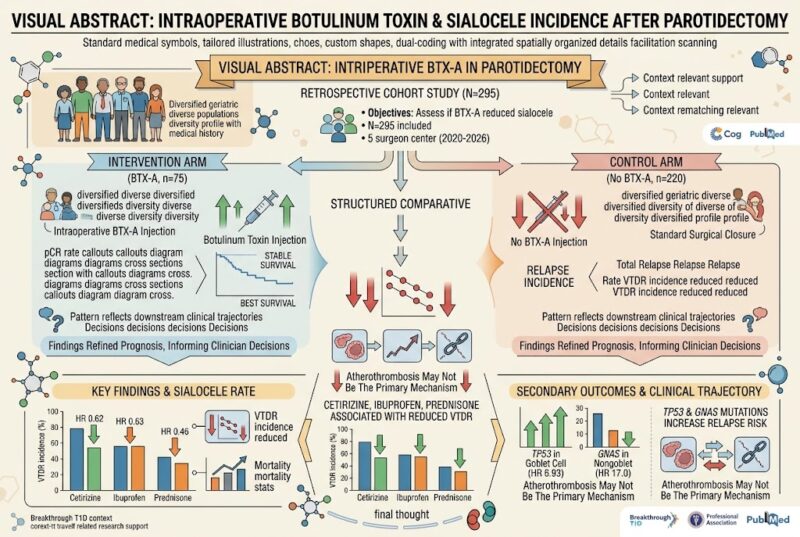
Intraoperative Botulinum Toxin Injection to Reduce Postoperative Sialocele After Parotidectomy: A Retrospective Cohort Analysis
General SurgeryParotidectomyĐộc tố botulinum

Intraoperative Botulinum Toxin Injection to Reduce Postoperative Sialocele After Parotidectomy: A Retrospective Cohort Analysis

By MedXY|Sep 15, 2026

This study suggests intraoperative botulinum toxin may reduce sialocele formation after parotidectomy, though larger prospective trials are needed to confirm efficacy and guide clinical use.
Outcomes of Laryngeal Carcinoma Treatment in Female Patients: A Multicenter Retrospective Analysis
newsfemale patientscancer outcomes

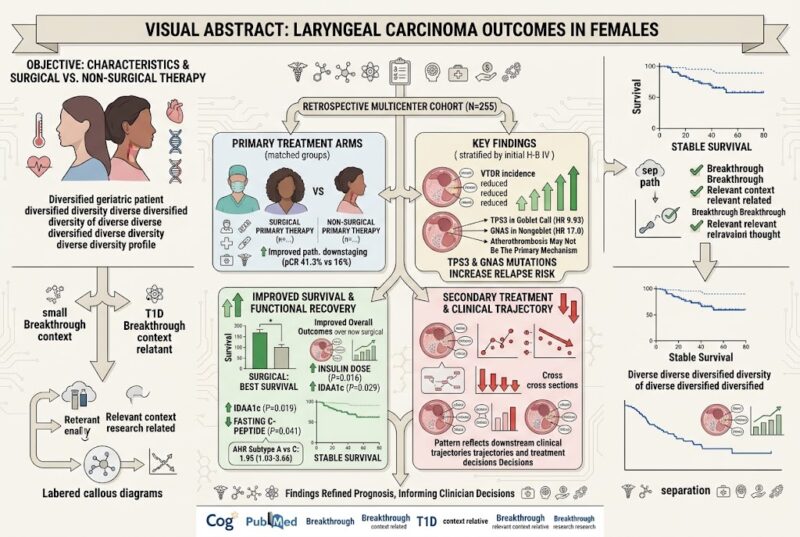
Outcomes of Laryngeal Carcinoma Treatment in Female Patients: A Multicenter Retrospective Analysis

By MedXY|Sep 15, 2026

This study evaluates clinical characteristics and treatment outcomes of female laryngeal cancer patients, highlighting better survival with surgical therapy compared to non-surgical approaches, and emphasizing the need for sex-specific trea

Imaging-Guided Classification and Diagnostic Pathways for Appendiceal Abscesses: Practical Takeaways from the 2025 Italian Consensus
General SurgeryCTappendiceal abscess

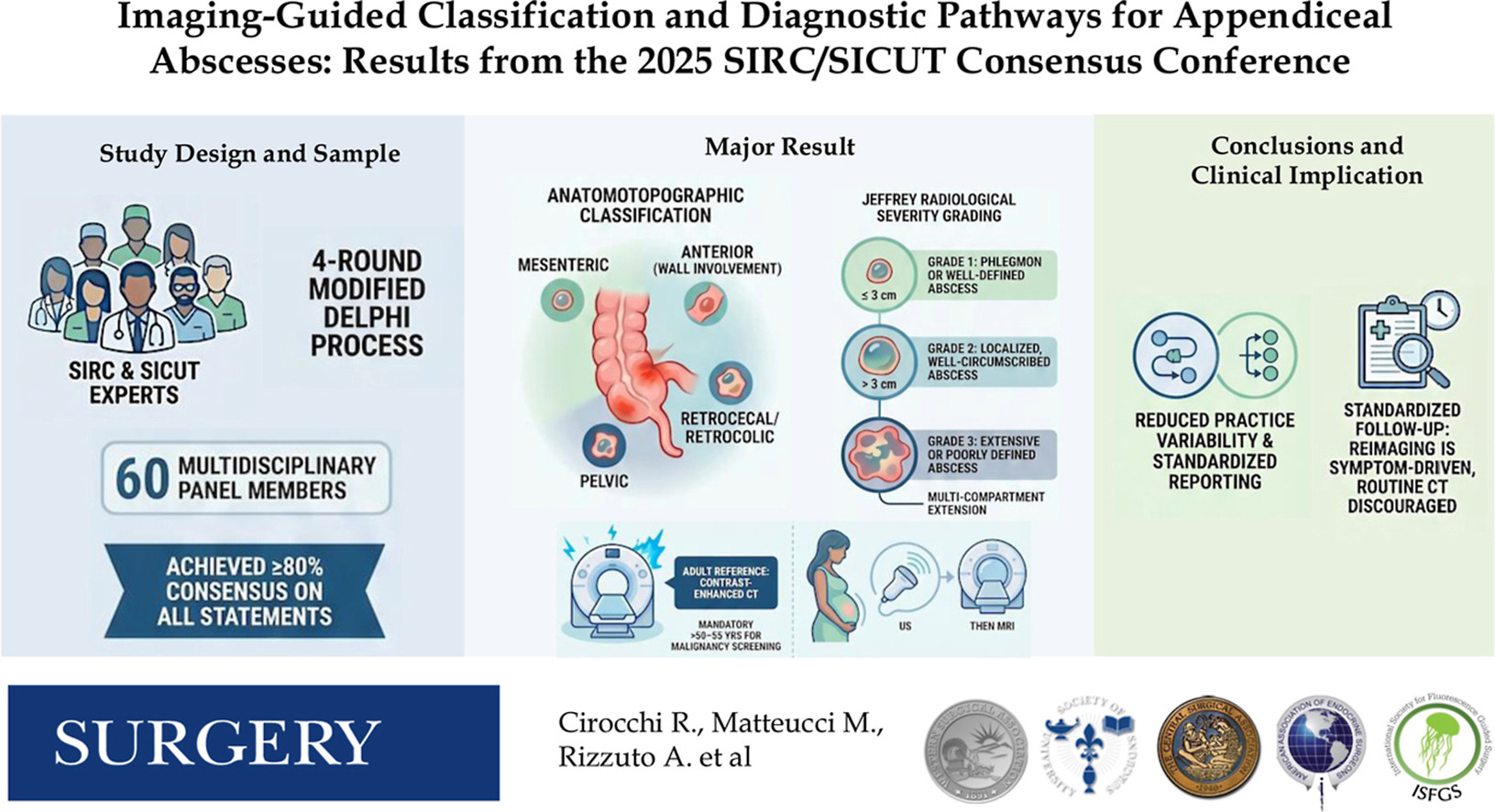
Imaging-Guided Classification and Diagnostic Pathways for Appendiceal Abscesses: Practical Takeaways from the 2025 Italian Consensus

By MedXY|Sep 15, 2026

A clear, imaging-centered framework for diagnosing and stratifying appendiceal abscesses—introducing anatomotopographic localization, the Jeffrey radiological grading, and pathway-based imaging recommendations to harmonize practice.

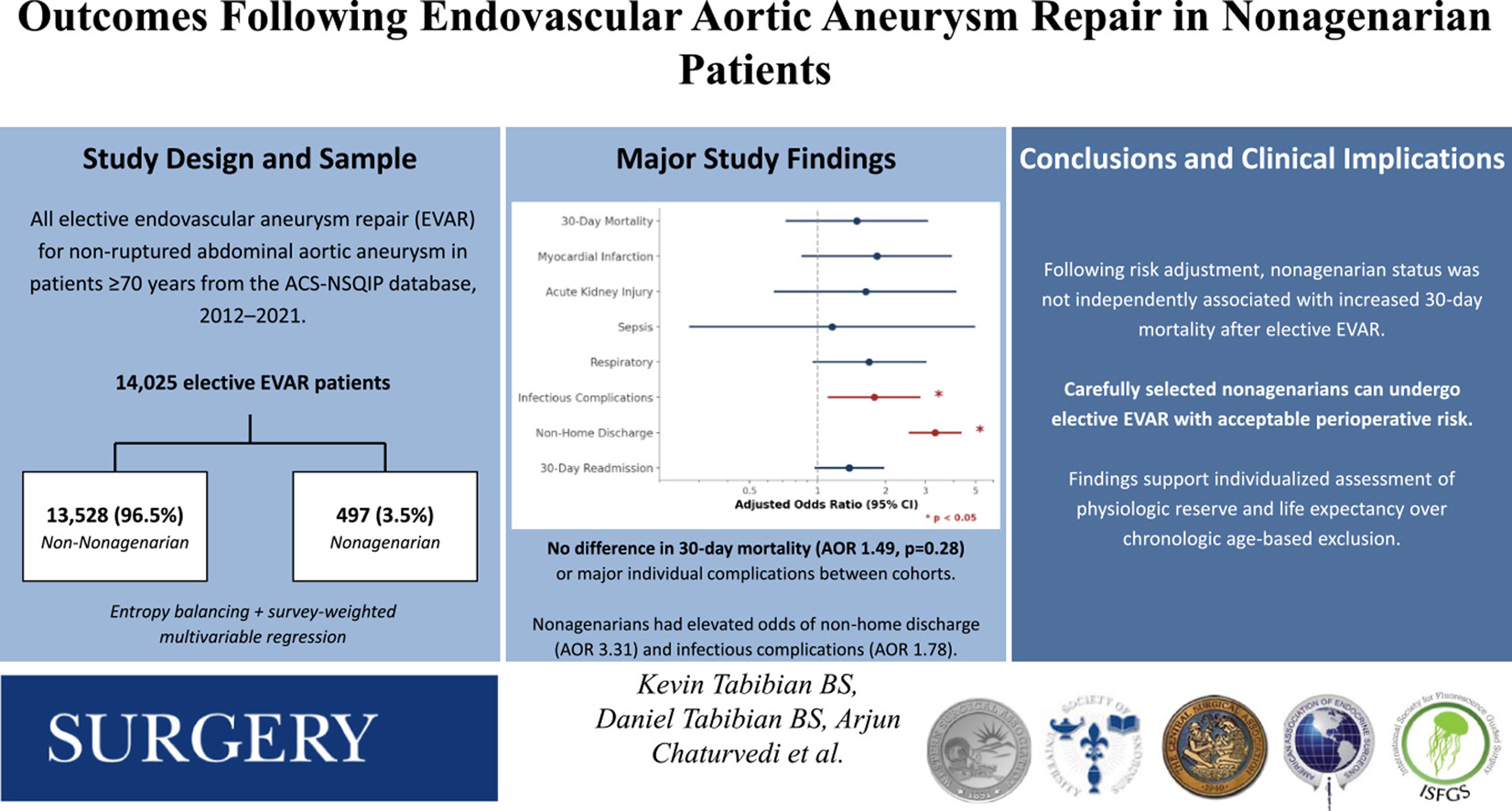
Evaluating Endovascular Aortic Aneurysm Repair Safety in Nonagenarians: A Risk-Adjusted Analysis
CardiologyNonagenarianEndovascular aneurysm repair

Evaluating Endovascular Aortic Aneurysm Repair Safety in Nonagenarians: A Risk-Adjusted Analysis

By MedXY|Sep 15, 2026

An analysis of elective endovascular repair outcomes in nonagenarians shows similar 30-day mortality to younger patients, supporting individualized treatment decisions based on risk rather than age alone.

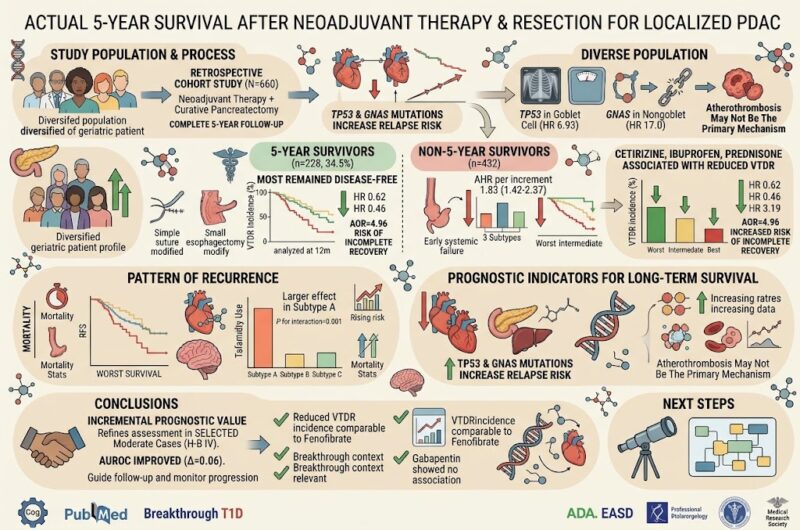
Real-World Five-Year Survival After Neoadjuvant Therapy and Surgery in Localized Pancreatic Ductal Adenocarcinoma
General Surgeryrecurrencefive-year survival

Real-World Five-Year Survival After Neoadjuvant Therapy and Surgery in Localized Pancreatic Ductal Adenocarcinoma

By MedXY|Sep 15, 2026

This study reveals that over one-third of patients with localized PDAC receiving neoadjuvant therapy and surgery achieve actual five-year survival, highlighting the impact of early systemic failure and identifying factors predicting long-te

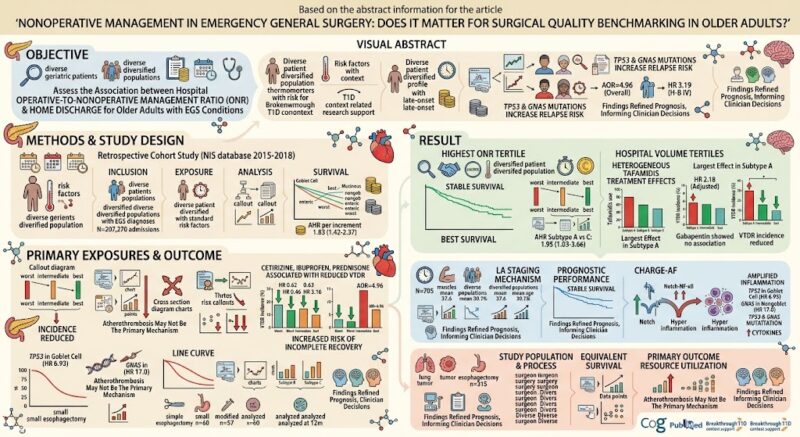
Rethinking Surgical Quality Metrics: The Role of Operative-to-Nonoperative Management Ratio in Elderly Emergency General Surgery Outcomes
Emergency Medicineolder adultsOperative-to-Nonoperative Ratio

Rethinking Surgical Quality Metrics: The Role of Operative-to-Nonoperative Management Ratio in Elderly Emergency General Surgery Outcomes

By MedXY|Sep 15, 2026

This study analyzes how the balance between operative and nonoperative management in emergency general surgery for older adults relates to their odds of discharge home, proposing ONR as a novel quality benchmark beyond traditional metrics.

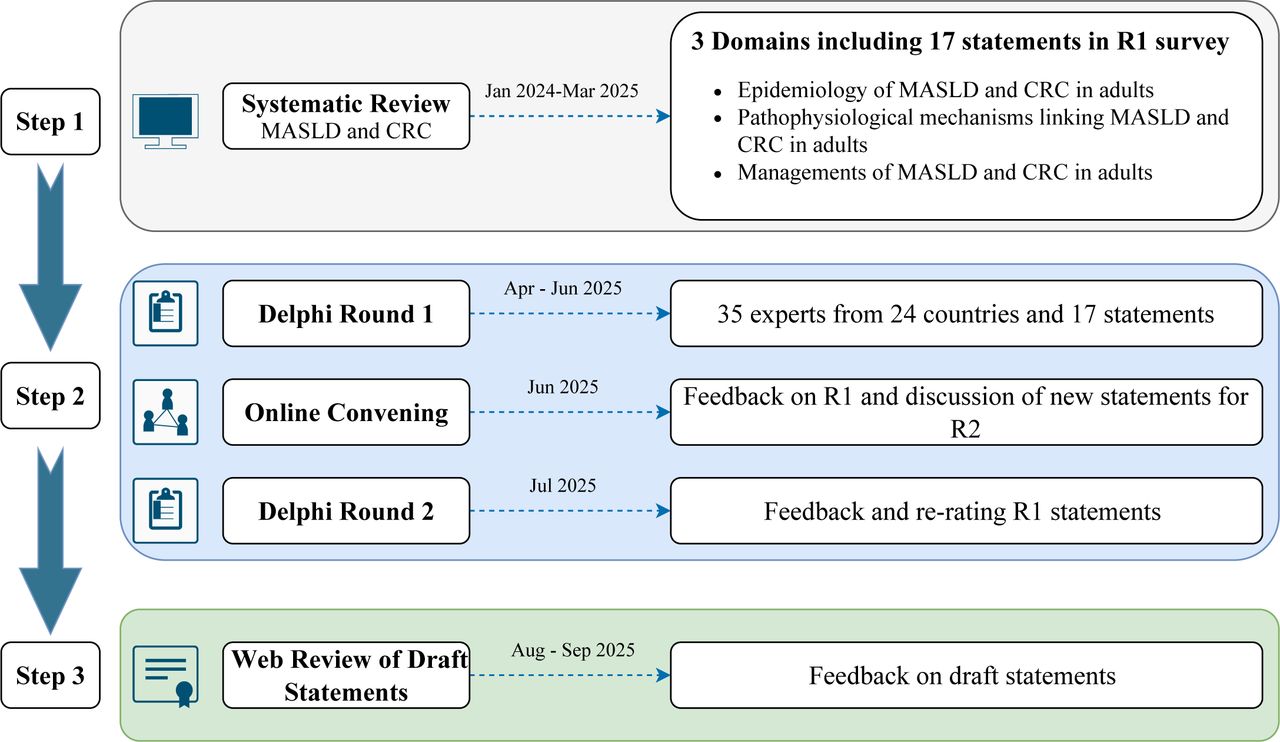
New International Consensus: Colorectal Cancer Risk in MASLD — What Clinicians Need to Know
GastroenterologyMASLDmetabolic disease

New International Consensus: Colorectal Cancer Risk in MASLD — What Clinicians Need to Know

By MedXY|Sep 15, 2026

An international Delphi panel concludes metabolic dysfunction‑associated steatotic liver disease (MASLD) raises colorectal cancer (CRC) risk. Experts call for earlier, risk‑adapted CRC screening and integrated metabolic care to reduce CRC b

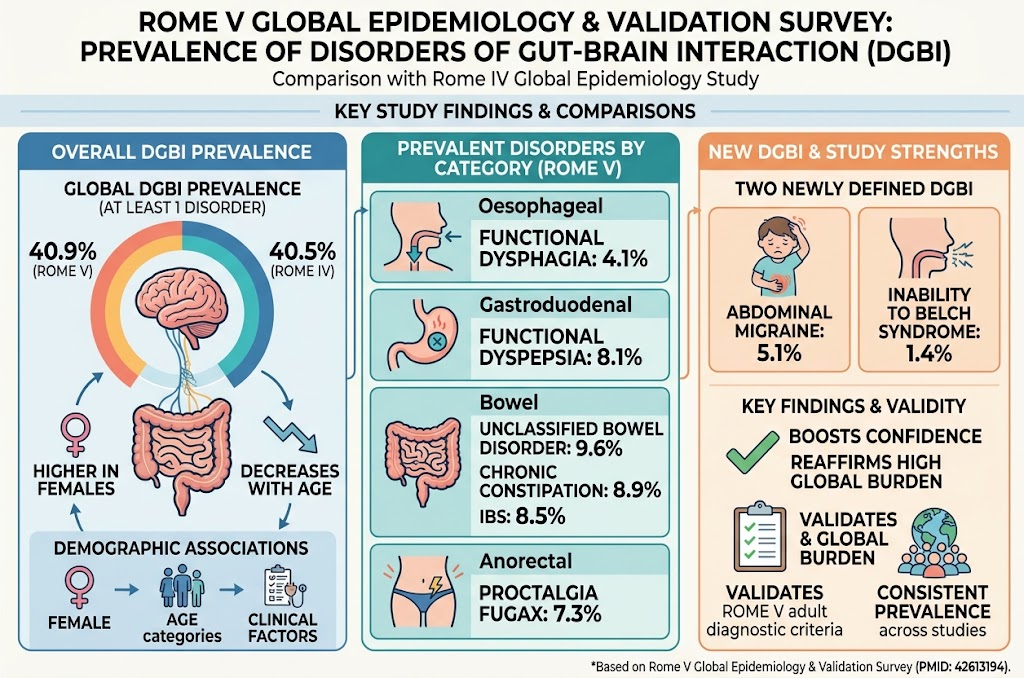
Global Burden of Disorders of Gut-Brain Interaction: Insights from Rome V Versus Rome IV Criteria
GastroenterologyepidemiologyRome V criteria

Global Burden of Disorders of Gut-Brain Interaction: Insights from Rome V Versus Rome IV Criteria

By MedXY|Sep 15, 2026

The Rome V global epidemiology survey confirms a high prevalence of disorders of gut-brain interaction (DGBI) worldwide, consistent with prior Rome IV findings, underscoring a significant and persistent global clinical burden.

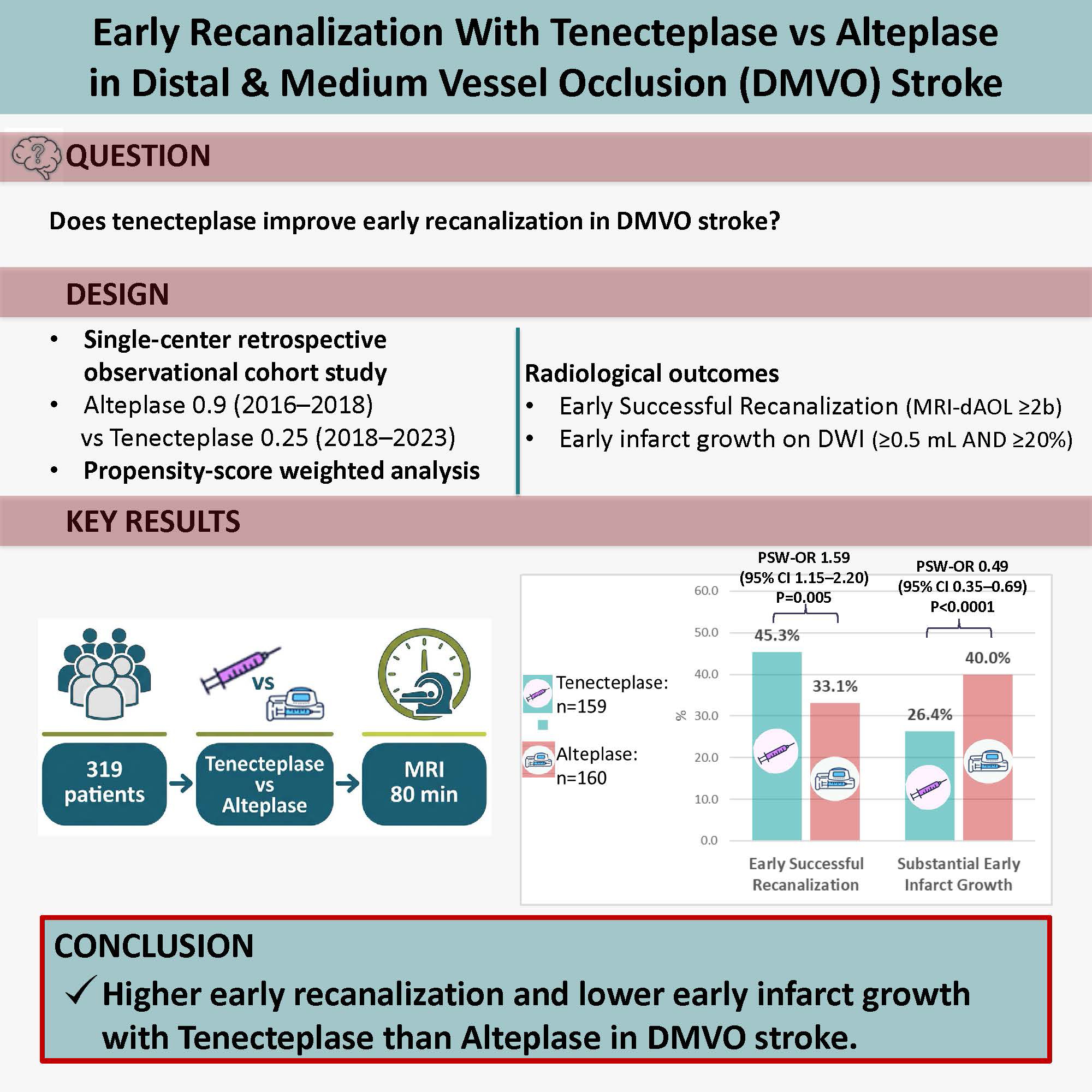
Early Recanalization in Distal and Medium Vessel Occlusion Strokes: Tenecteplase vs Alteplase
Neurologydistal vessel occlusionrecanalization

Early Recanalization in Distal and Medium Vessel Occlusion Strokes: Tenecteplase vs Alteplase

By MedXY|Sep 15, 2026

In patients with distal and medium vessel occlusion strokes, tenecteplase achieves higher early recanalization rates and reduces early infarct growth compared to alteplase, supporting its preferential use in this clinical setting.

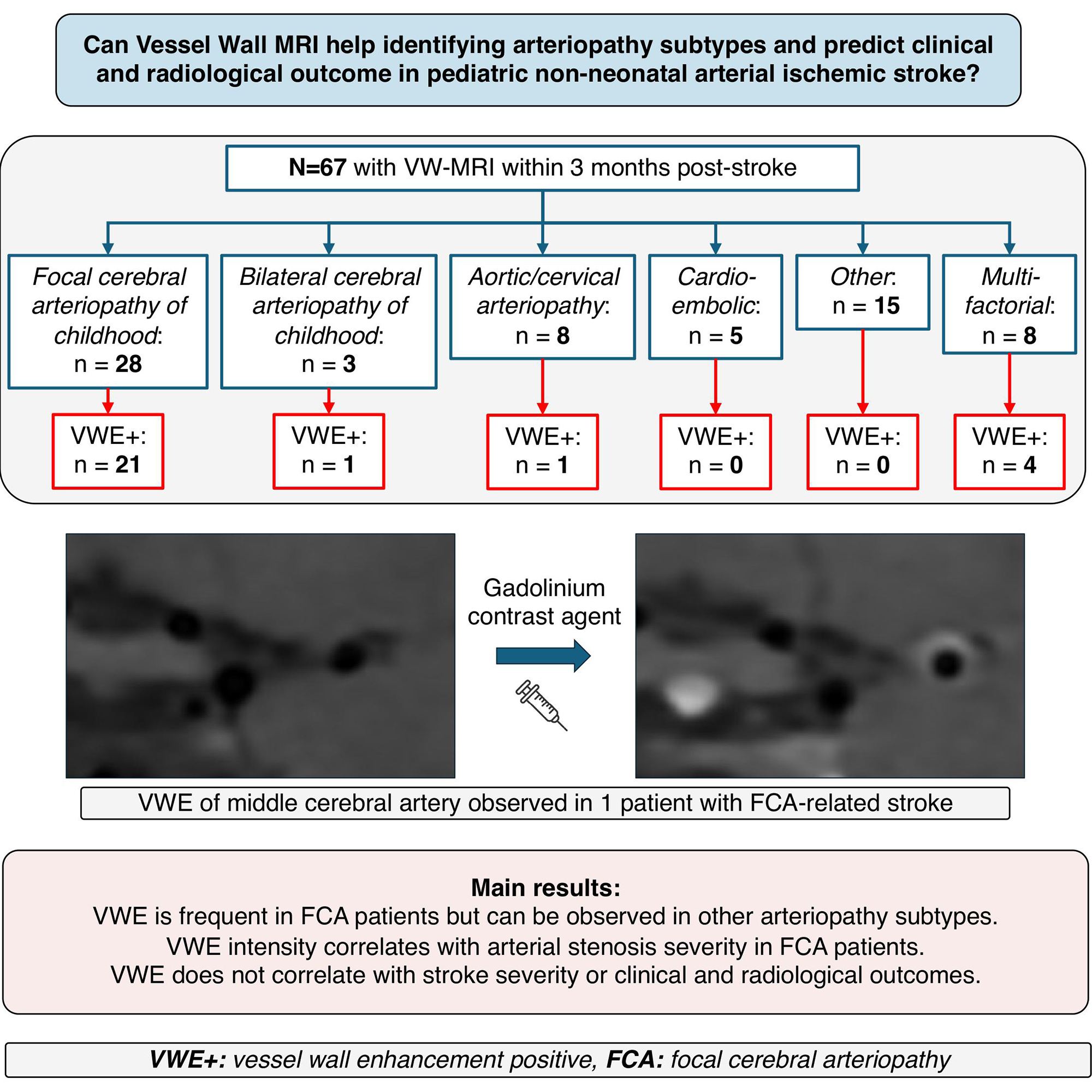
Vessel Wall MRI in Pediatric Arterial Ischemic Stroke: Insights into Diagnosis and Prognosis
NeurologyVessel Wall MRIarterial ischemic stroke

Vessel Wall MRI in Pediatric Arterial Ischemic Stroke: Insights into Diagnosis and Prognosis

By MedXY|Sep 15, 2026

This study evaluates vessel wall MRI (VW-MRI) in pediatric arterial ischemic stroke, highlighting its diagnostic role in detecting inflammatory arteriopathies but limited prognostic value for long-term outcomes.

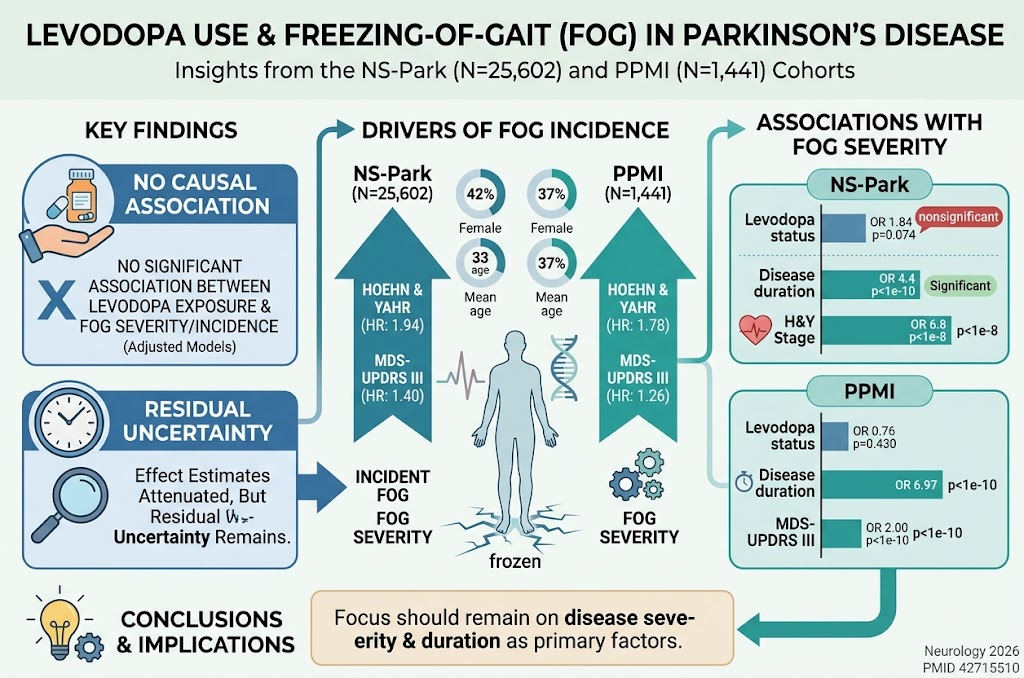
Reevaluating Levodopa’s Role in Freezing of Gait Among Parkinson’s Disease Patients: Insights from NS-Park and PPMI Cohorts
NeurologyParkinson's diseaseFreezing of Gait

Reevaluating Levodopa’s Role in Freezing of Gait Among Parkinson’s Disease Patients: Insights from NS-Park and PPMI Cohorts

By MedXY|Sep 15, 2026

Analysis of two large cohorts reveals no significant association between levodopa use and freezing of gait in Parkinson’s disease after adjusting for disease severity and duration, emphasizing the primary role of disease progression in this

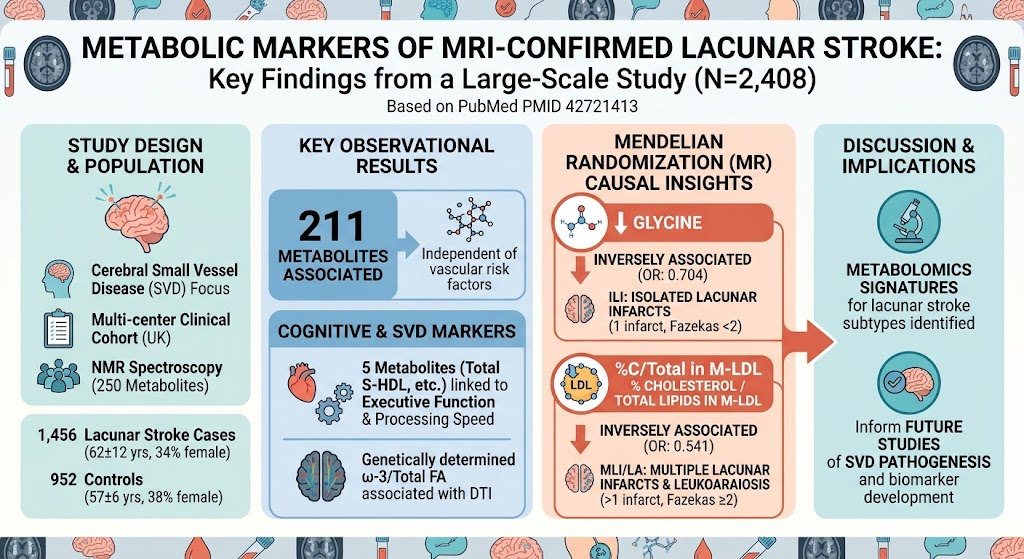
Metabolic Signatures and Causal Markers in MRI-Confirmed Lacunar Stroke: Insights from Observational and Mendelian Randomization Analyses
NeurologyMendelian Randomizationcerebral small vessel disease

Metabolic Signatures and Causal Markers in MRI-Confirmed Lacunar Stroke: Insights from Observational and Mendelian Randomization Analyses

By MedXY|Sep 15, 2026

This study identifies glycine and specific lipid cholesterol proportions as metabolomic markers causally linked to lacunar stroke subtypes, enhancing understanding of cerebral small vessel disease pathogenesis and potential biomarkers.

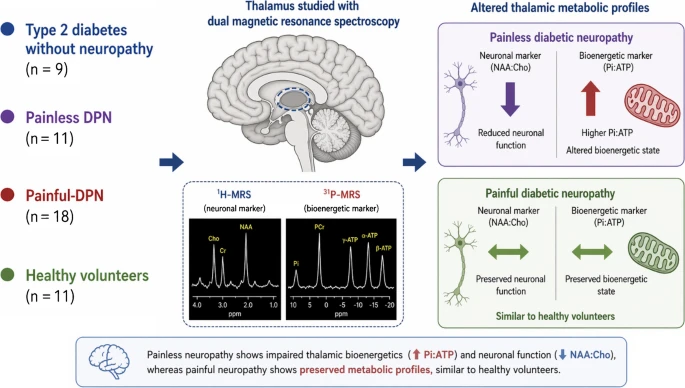
Preserved Thalamic Bioenergetics and Neuronal Function in Painful Diabetic Peripheral Neuropathy: Insights from Dual Magnetic Resonance Spectroscopy
Diabetes & Endocrinologyneuropathic painDiabetic peripheral neuropathy

Preserved Thalamic Bioenergetics and Neuronal Function in Painful Diabetic Peripheral Neuropathy: Insights from Dual Magnetic Resonance Spectroscopy

By MedXY|Sep 15, 2026

A study using dual magnetic resonance spectroscopy reveals contrasting thalamic neuronal and bioenergetic profiles in painful versus painless diabetic peripheral neuropathy, highlighting potential biomarkers and mechanisms underlying neurop

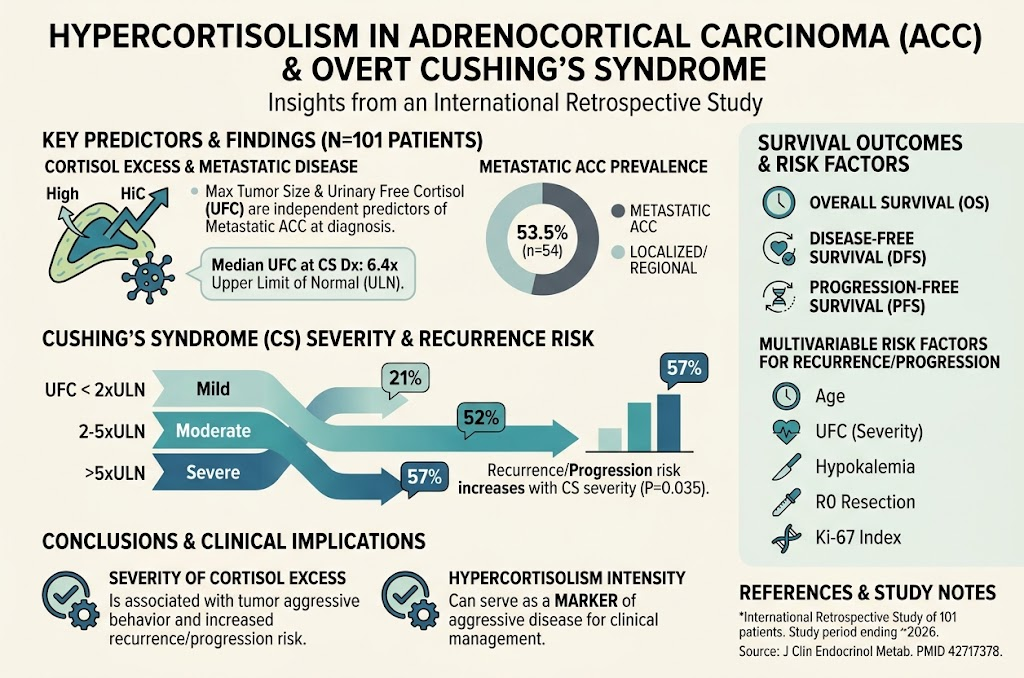
Impact of Hypercortisolism Severity on Outcomes in Adrenocortical Carcinoma with Cushing’s Syndrome
Diabetes & EndocrinologyCushing's Syndromesurvival outcomes

Impact of Hypercortisolism Severity on Outcomes in Adrenocortical Carcinoma with Cushing’s Syndrome

By MedXY|Sep 15, 2026

This study reveals that the severity of hypercortisolism in adrenocortical carcinoma patients with Cushing’s syndrome correlates with higher metastatic risk and worse survival outcomes, highlighting its role as a marker of tumor aggressiven

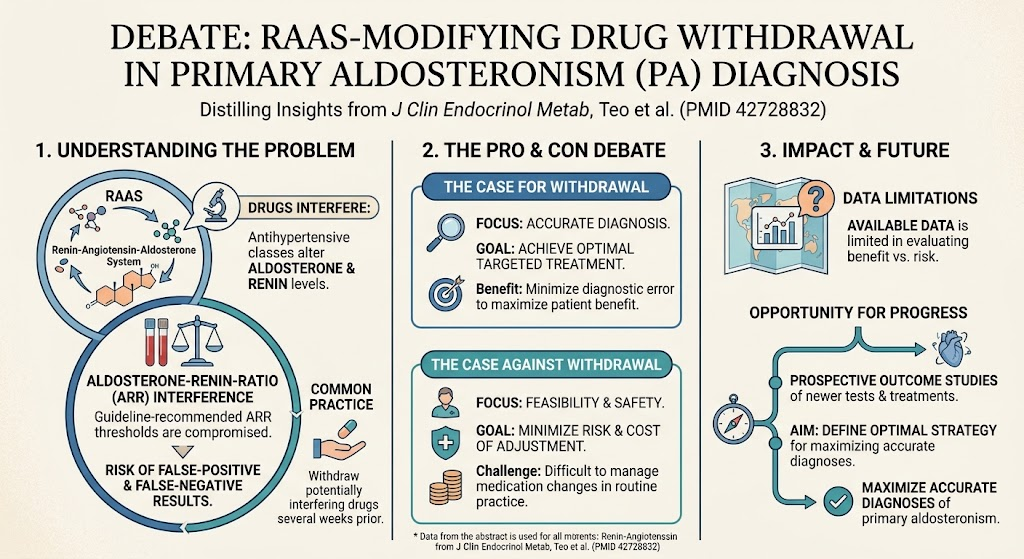
Balancing Accuracy and Practicality: Should RAAS-Modifying Drugs Be Withdrawn in Primary Aldosteronism Diagnosis?
Diabetes & Endocrinologyaldosterone-renin ratiohypertension diagnosis

Balancing Accuracy and Practicality: Should RAAS-Modifying Drugs Be Withdrawn in Primary Aldosteronism Diagnosis?

By MedXY|Sep 15, 2026

This article examines the debate on whether RAAS-modifying antihypertensives should be stopped before testing for primary aldosteronism, weighing diagnostic accuracy against patient safety and feasibility.

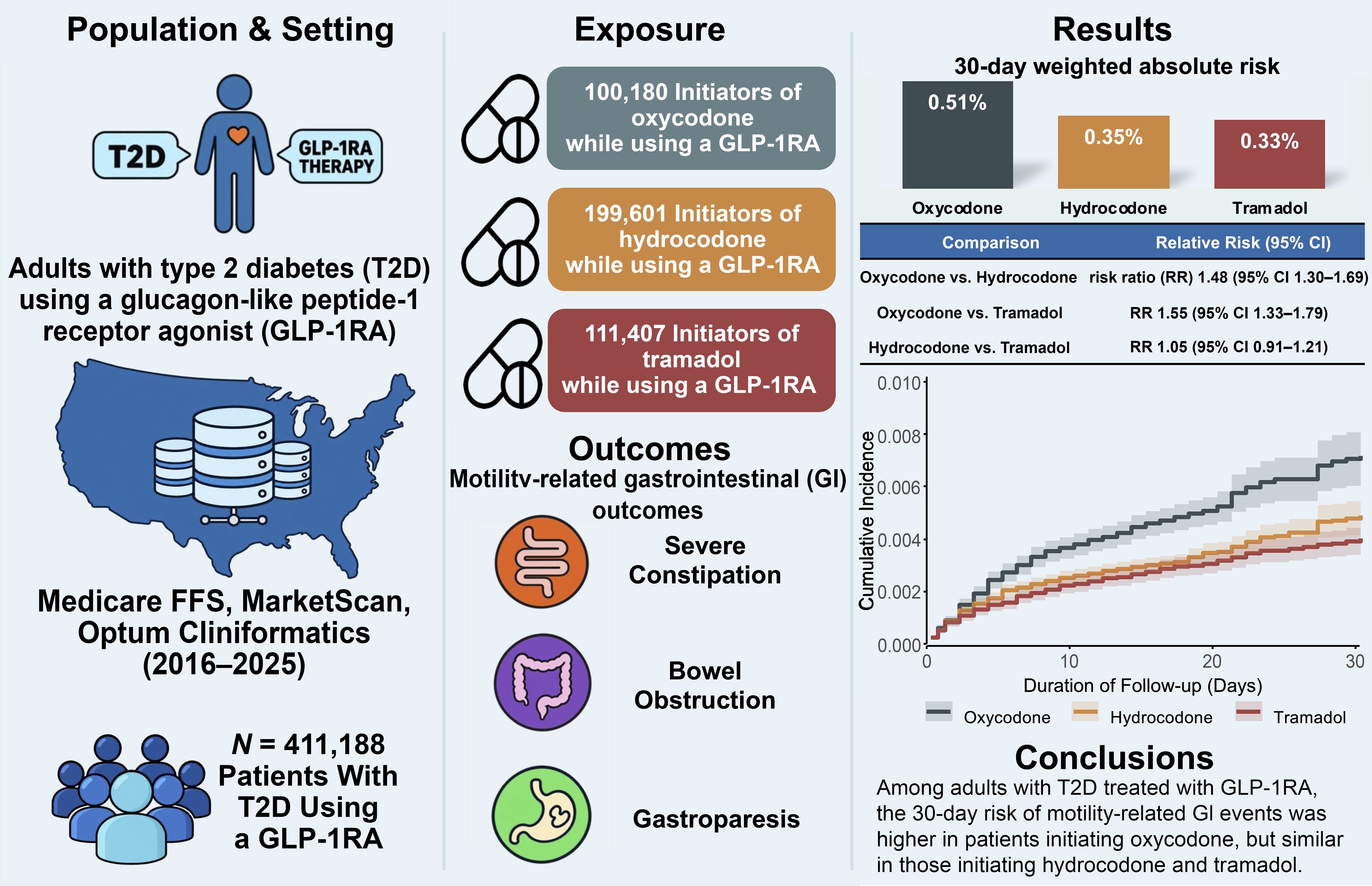
Differential Gastrointestinal Risks of Opioids in Type 2 Diabetes Patients on GLP-1RA Therapy: A Comparative Analysis
Diabetes & Endocrinologyopioidstype 2 diabetes

Differential Gastrointestinal Risks of Opioids in Type 2 Diabetes Patients on GLP-1RA Therapy: A Comparative Analysis

By MedXY|Sep 15, 2026

Among type 2 diabetes patients using GLP-1 receptor agonists, oxycodone is linked to higher short-term risks of severe gastrointestinal complications compared to hydrocodone and tramadol, warranting cautious opioid selection in this populat

Cardiac Resynchronization Therapy: Metabolomic Insights into Heart Failure Improvement
Cardiologyleft ventricular ejection fractionCardiac Resynchronization Therapy

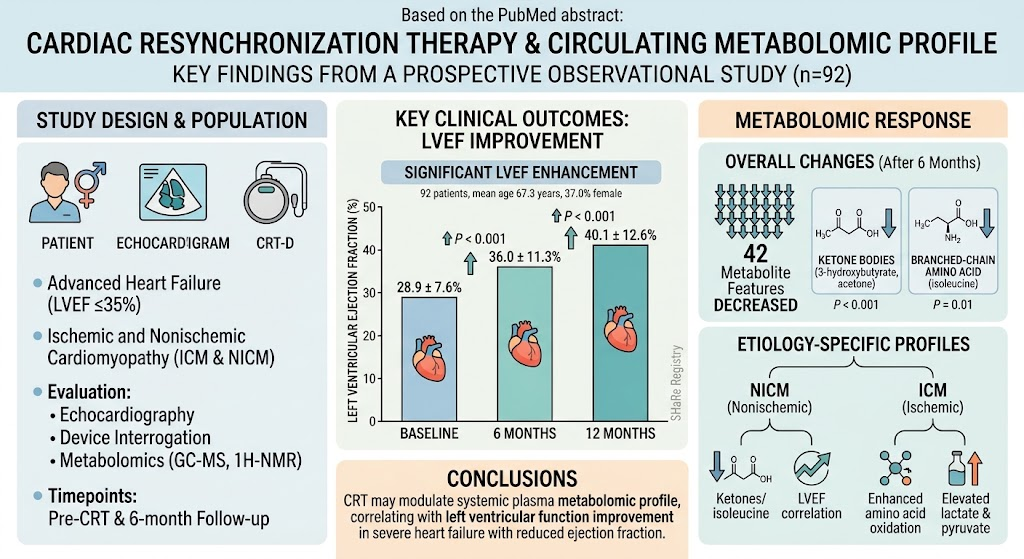
Cardiac Resynchronization Therapy: Metabolomic Insights into Heart Failure Improvement

By MedXY|Sep 15, 2026

This study reveals how cardiac resynchronization therapy (CRT) improves left ventricular function in heart failure patients and modulates systemic metabolomic profiles, highlighting differences between ischemic and nonischemic cardiomyopath

Genotype-Dependent Risk and Impact of Atrial Fibrillation in Dilated Cardiomyopathy: Insights from the SHaRe Registry
CardiologyLMNAgenetics

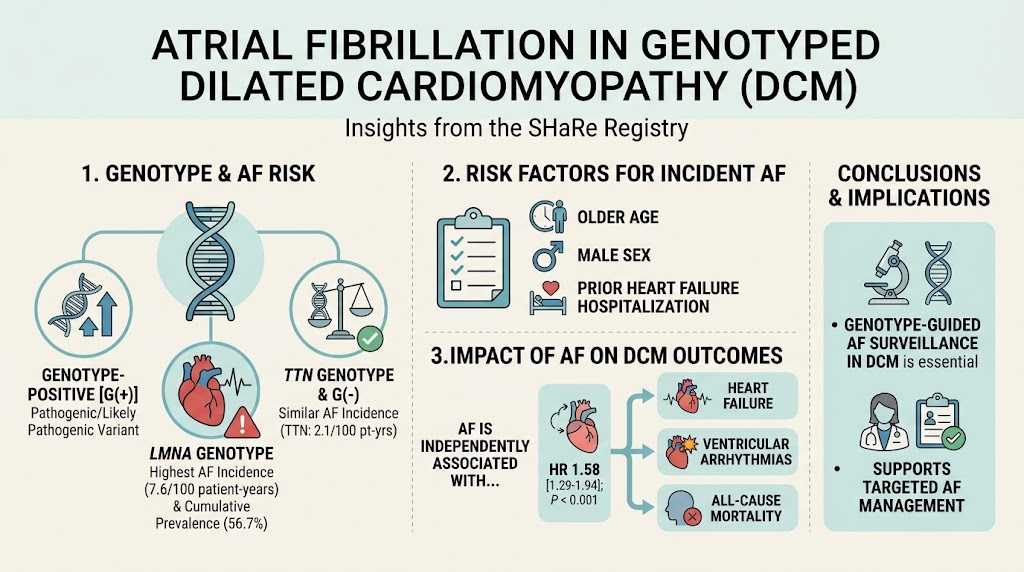
Genotype-Dependent Risk and Impact of Atrial Fibrillation in Dilated Cardiomyopathy: Insights from the SHaRe Registry

By MedXY|Sep 15, 2026

This study reveals genotype-specific differences in atrial fibrillation (AF) risk among dilated cardiomyopathy (DCM) patients, highlighting LMNA mutations as a major predictor of incident AF and its association with worse clinical outcomes,

Subclinical Liver Disease as a Silent Driver of Cardiovascular Risk: Insights from a Large-Scale Prospective Study
Cardiologyhepatic steatosiscardiovascular risk

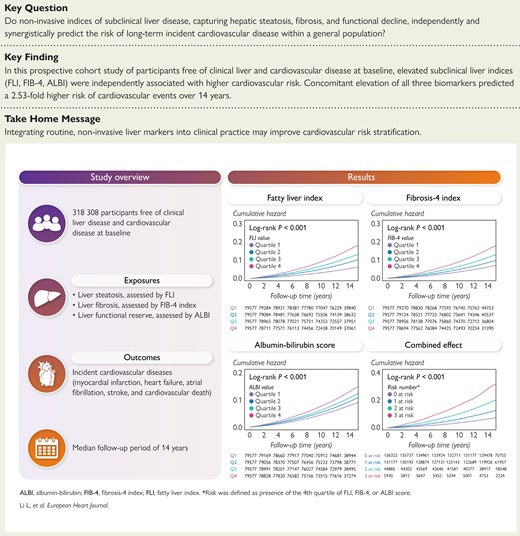
Subclinical Liver Disease as a Silent Driver of Cardiovascular Risk: Insights from a Large-Scale Prospective Study

By MedXY|Sep 15, 2026

Subclinical liver disease, marked by steatosis, fibrosis, and functional impairment, independently and synergistically increases cardiovascular disease risk. Incorporating non-invasive liver biomarkers could enhance CVD risk prediction and

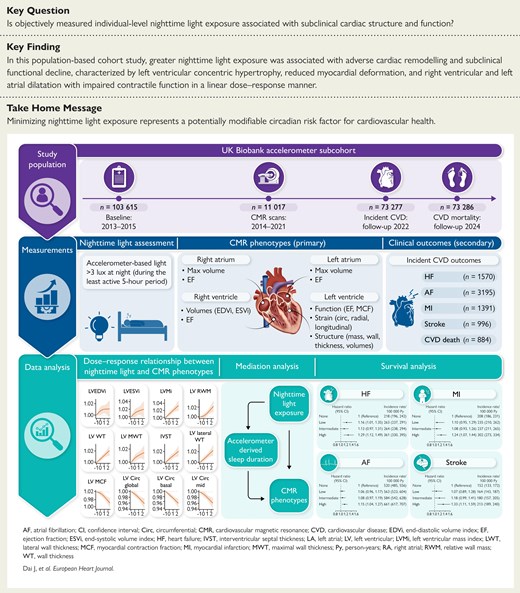
Illuminating the Night: How Nighttime Light Exposure Impacts Cardiac Structure, Function, and Cardiovascular Risk
Cardiologysleep durationcardiovascular risk

Illuminating the Night: How Nighttime Light Exposure Impacts Cardiac Structure, Function, and Cardiovascular Risk

By MedXY|Sep 15, 2026

Nighttime light exposure over 3 lux is linked to adverse cardiac remodeling, subclinical functional decline, and increased cardiovascular events, partly mediated by shorter sleep duration, underscoring the importance of dark nights and slee

Prev
6 / 25
1…45678…25
Next
Ask MedXY AI

Most popular

Intimate Health
Five Benefits for Women Continuing Sexual Activity After Menopause
Intimate Health
Why Some Women Have a Strong Sex Drive—And Why Men Shouldn't Worry About It
Nursing & care
How often should a couple have sex?
Intimate Health
Classic Intimacy Recommendations: How to Help Women Reach Orgasm and Enjoy Mutual Pleasure
Intimate Health
What Makes a Woman "Physiologically Addicted" Is Never Money, But These Two Relationship Qualities

Browse by specialty

Open language-specific specialty feeds and department pages.

news6629 articlesCardiology1375 articlesClinical Updates1288 articlesOncology1139 articlesDiabetes & Endocrinology842 articlesNeurology820 articlesPublic Health595 articlesGastroenterology572 articles
Hematology-Oncology
487 articles
Pediatrics484 articles
Internal Medicine444 articles