We use cookies

Our website uses essential cookies and, with your consent, additional cookies to measure performance and improve our services. Cookie Policy.

You can change your choice at any time.

MMedXYNews
HomeVideos
MedXY AI/MedXY News/Tag: stroke
MedXY News
EnglishTag

stroke

Ask MedXY AI
type 2 diabetesclinical trialheart failureimmunotherapyobesitycardiovascular riskatrial fibrillationbiomarkerscritical careclinical trialsHypertensionartificial intelligenceCardiologyoncologypublic healthtype 1 diabetesdiabetesMortalityAlzheimer's diseasecardiovascular diseasebreast cancerepidemiology

Latest news

Tag

Perihematomal Edema Dynamics and Functional Outcomes in Spontaneous Intracerebral Hemorrhage: Insights from a Global IPD Meta-Analysis
Clinical UpdatesIntracerebral Hemorrhageneurocritical care

Perihematomal Edema Dynamics and Functional Outcomes in Spontaneous Intracerebral Hemorrhage: Insights from a Global IPD Meta-Analysis

By MedXY|Mar 10, 2026

This article synthesizes evidence from a large-scale individual participant data meta-analysis, demonstrating that early perihematomal edema growth (at 24 and 72 hours) is an independent predictor of death and disability after intracerebral


Beyond the Binary: The Evolving Consensus on the Spectrum of Primary Aldosteronism and Cardiovascular Risk
Cardiologyatrial fibrillationcardiovascular disease

Beyond the Binary: The Evolving Consensus on the Spectrum of Primary Aldosteronism and Cardiovascular Risk

By MedXY|Mar 7, 2026

Recent data from the ARIC study and emerging expert consensus are redefining primary aldosteronism. Rather than a rare, all-or-nothing condition, it is now viewed as a broad spectrum where even subclinical elevations significantly increase

Antiepileptogenesis After Stroke: Assessing the Impact of Eslicarbazepine Acetate on Seizure Prevention
Neurologyclinical trialepilepsy

Antiepileptogenesis After Stroke: Assessing the Impact of Eslicarbazepine Acetate on Seizure Prevention

By MedXY|Mar 6, 2026

This article examines a Phase 2a trial investigating eslicarbazepine acetate for preventing post-stroke epilepsy. While the primary endpoint was not met due to recruitment challenges, the study provides a critical framework for future antie

The Rising Tide of Cardiovascular Disease: AHA’s 2050 Forecast for Women’s Heart Health
CardiologyCardiologycardiovascular disease

The Rising Tide of Cardiovascular Disease: AHA’s 2050 Forecast for Women’s Heart Health

By MedXY|Mar 2, 2026

A major AHA scientific statement forecasts a significant increase in cardiovascular disease and risk factors among U.S. women by 2050. It highlights rising rates of obesity and hypertension while emphasizing the urgent need for targeted int

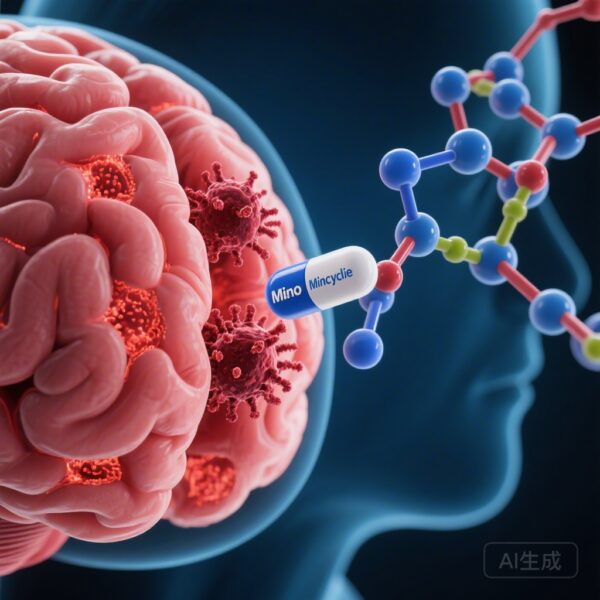
Minocycline Significantly Improves Functional Recovery in Acute Ischaemic Stroke: Evidence from the EMPHASIS Trial
Internal Medicineneurologyneuroprotection

Minocycline Significantly Improves Functional Recovery in Acute Ischaemic Stroke: Evidence from the EMPHASIS Trial

By MedXY|Mar 2, 2026

The EMPHASIS trial reveals that oral minocycline initiated within 72 hours of an acute ischaemic stroke significantly enhances functional independence at 90 days. This multicentre study provides robust evidence for a well-tolerated, accessi

Adversity Across the Lifespan: The Compounding Impact of Childhood and Adult Stress on Dementia and Stroke Risk
NeurologyAdverse Childhood ExperiencesDementia

Adversity Across the Lifespan: The Compounding Impact of Childhood and Adult Stress on Dementia and Stroke Risk

By MedXY|Feb 11, 2026

This population-based cohort study highlights how cumulative psychosocial stress across the life course significantly escalates the risk of neurovascular and neurodegenerative diseases, identifying depression as a critical target for interv

Time-Dependent Topography: How Specific ASPECTS Regions Predict Outcomes in Early vs. Extended Window Large Vessel Occlusion Stroke
NeurologyASPECTSNeuroimaging

Time-Dependent Topography: How Specific ASPECTS Regions Predict Outcomes in Early vs. Extended Window Large Vessel Occlusion Stroke

By MedXY|Feb 4, 2026

A post-hoc analysis of 1,040 LVO stroke patients reveals that the prognostic value of specific brain regions varies significantly between early (0-6h) and extended (6-24h) time windows, identifying the insula, caudate, and M6 as early-windo

Tenecteplase Fails to Improve Visual Outcomes in Acute Central Retinal Artery Occlusion: Results from the TenCRAOS Trial
Neurologycentral retinal artery occlusionophthalmology

Tenecteplase Fails to Improve Visual Outcomes in Acute Central Retinal Artery Occlusion: Results from the TenCRAOS Trial

By MedXY|Feb 2, 2026

The TenCRAOS trial demonstrated that intravenous tenecteplase administered within 4.5 hours of acute central retinal artery occlusion does not improve vision recovery compared to aspirin and carries significant safety risks, including fatal

Predicting Stroke Recurrence: MRI Markers Outperform Location in Risk-Stratifying Patients with ICH and Atrial Fibrillation
Cardiologyatrial fibrillationNeuroimaging

Predicting Stroke Recurrence: MRI Markers Outperform Location in Risk-Stratifying Patients with ICH and Atrial Fibrillation

By MedXY|Jan 21, 2026

A secondary analysis of the PRESTIGE-AF trial reveals that specific MRI markers, including cortical superficial siderosis and macrohemorrhages, are more potent predictors of recurrent intracerebral hemorrhage than hematoma location alone, o

Long-Term Gains vs. Short-Term Risks: Decoding the Role of Bailout Angioplasty in Acute Large Vessel Occlusion
NeurologyAngioplastystroke

Long-Term Gains vs. Short-Term Risks: Decoding the Role of Bailout Angioplasty in Acute Large Vessel Occlusion

By MedXY|Jan 18, 2026

The ANGEL-REBOOT trial reveals that while bailout angioplasty (BAOS) increases short-term procedural risks, it significantly improves one-year functional outcomes and reduces stroke recurrence in patients with failed thrombectomy or high-gr

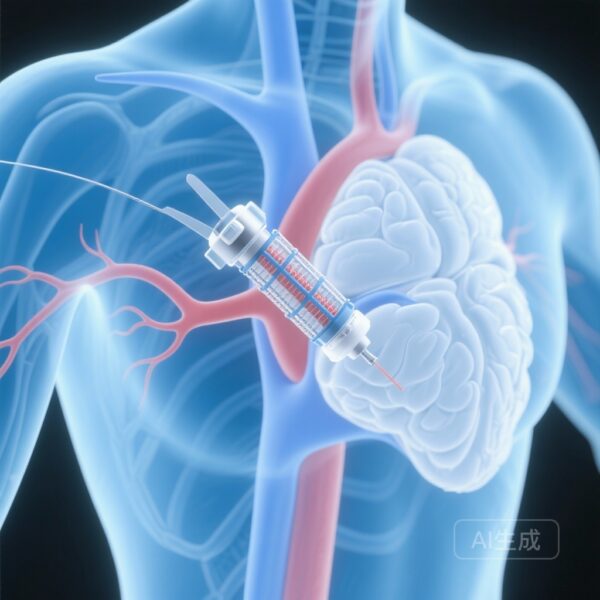
Routine Cerebral Embolic Protection Fails to Mitigate Stroke or Cognitive Decline in TAVI: Results from the BHF PROTECT-TAVI Trial
Cardiologycerebral embolic protectionNeurocognition

Routine Cerebral Embolic Protection Fails to Mitigate Stroke or Cognitive Decline in TAVI: Results from the BHF PROTECT-TAVI Trial

By MedXY|Jan 18, 2026

The landmark BHF PROTECT-TAVI trial reveals that cerebral embolic protection (CEP) does not reduce periprocedural stroke or cognitive impairment following TAVI. This large-scale study challenges the routine use of embolic filters, suggestin

Pushing the Limits: Very Low LDL-C Levels Below 40 mg/dL Proven Safe and Effective for Secondary Stroke Prevention
NeurologyLDL-Cstroke

Pushing the Limits: Very Low LDL-C Levels Below 40 mg/dL Proven Safe and Effective for Secondary Stroke Prevention

By MedXY|Jan 17, 2026

A long-term analysis of the FOURIER trials reveals that achieving ultra-low LDL-C levels (<40 mg/dL) significantly reduces recurrent stroke and major cardiovascular events in stroke survivors, without increasing hemorrhagic stroke risk,

Decompressive Craniectomy Benefits Persist Across Deep Intracerebral Hemorrhage Locations: A SWITCH Trial Analysis
Critical CareIntracerebral Hemorrhagestroke

Decompressive Craniectomy Benefits Persist Across Deep Intracerebral Hemorrhage Locations: A SWITCH Trial Analysis

By MedXY|Jan 17, 2026

A post hoc analysis of the SWITCH trial demonstrates that the clinical benefits of decompressive craniectomy in reducing death and severe disability are consistent across different anatomical locations of deep supratentorial intracerebral h

Medical Management Proves Superior to Endovascular Recanalization for Symptomatic Nonacute Intracranial Artery Occlusion
Neurologyneurologystroke

Medical Management Proves Superior to Endovascular Recanalization for Symptomatic Nonacute Intracranial Artery Occlusion

By MedXY|Jan 6, 2026

A multicenter cohort study (ERNA-IAO) demonstrates that endovascular recanalization significantly increases the risk of stroke and death compared to medical treatment alone in patients with symptomatic nonacute intracranial artery occlusion

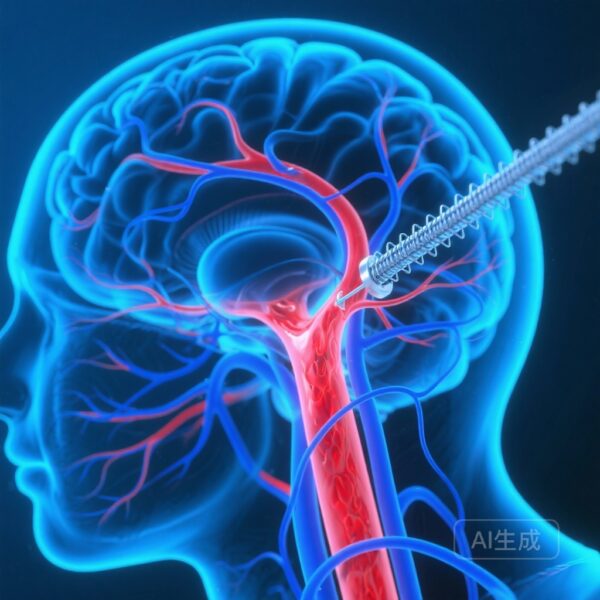
Emergent Carotid Stenting for Tandem Lesions Yields Superior One-Year Outcomes: Evidence from the SECURIS Study
NeurologyCarotid Artery StentingEndovascular therapy

Emergent Carotid Stenting for Tandem Lesions Yields Superior One-Year Outcomes: Evidence from the SECURIS Study

By MedXY|Jan 6, 2026

The SECURIS study demonstrates that emergent carotid artery stenting (eCAS) for tandem lesions in acute ischemic stroke significantly improves one-year functional outcomes and recanalization success without increasing hemorrhagic risks comp

Emergent Carotid Stenting Redefines Outcomes in Tandem Lesion Stroke: Insights from the CERES-TANDEM Study
Neurologycarotid stentingstroke

Emergent Carotid Stenting Redefines Outcomes in Tandem Lesion Stroke: Insights from the CERES-TANDEM Study

By MedXY|Jan 6, 2026

The multicenter CERES-TANDEM study provides Class II evidence that emergent carotid stenting (eCAS) during thrombectomy for tandem lesions significantly improves 90-day functional recovery without increasing the risk of symptomatic intracra

Endovascular Thrombectomy for Basilar Artery Occlusion: 3-Year Outcomes Confirm Durable Clinical Benefits
NeurologyATTENTION Trialbasilar artery occlusion

Endovascular Thrombectomy for Basilar Artery Occlusion: 3-Year Outcomes Confirm Durable Clinical Benefits

By MedXY|Jan 1, 2026

Long-term data from the ATTENTION trial reveal that endovascular thrombectomy significantly improves functional outcomes and survival at three years for patients with basilar artery occlusion, establishing it as a durable standard of care.

The Earlier, the Better: INTERACT Pooled Analysis Confirms 3-Hour Golden Window for Intensive Blood Pressure Lowering in Acute ICH
Emergency MedicineHypertensionIntracerebral Hemorrhage

The Earlier, the Better: INTERACT Pooled Analysis Confirms 3-Hour Golden Window for Intensive Blood Pressure Lowering in Acute ICH

By MedXY|Dec 23, 2025

A pooled analysis of over 11,000 patients from the INTERACT trials demonstrates that intensive blood pressure reduction significantly improves functional recovery in acute intracerebral hemorrhage, with the most robust benefits observed whe

Telemedicine is Superior to Onboard Neurologists for Optimizing Mobile Stroke Unit Efficiency: Results from the MSU-TELEMED Trial
Emergency MedicineĐơn Vị Cấp Cứu Đột Quỵ Di Độngstroke

Telemedicine is Superior to Onboard Neurologists for Optimizing Mobile Stroke Unit Efficiency: Results from the MSU-TELEMED Trial

By MedXY|Dec 23, 2025

The MSU-TELEMED trial demonstrates that a telemedicine model for mobile stroke units significantly improves neurologist resource utilization while maintaining safety, outperforming the traditional onboard neurologist model in a hierarchical

Remote Expertise, Local Impact: Telemedicine Models Outperform Onboard Care in Mobile Stroke Units
Emergency Medicineemergency medicinestroke

Remote Expertise, Local Impact: Telemedicine Models Outperform Onboard Care in Mobile Stroke Units

By MedXY|Dec 23, 2025

The MSU-TELEMED trial demonstrates that telemedicine models for Mobile Stroke Units are superior to onboard neurologist care. By dramatically improving physician resource utilization without compromising safety, telemedicine provides a more

Prev
2 / 4
1234
Next
Ask MedXY AI

Most popular

Intimate Health
Five Benefits for Women Continuing Sexual Activity After Menopause
Intimate Health
Why Some Women Have a Strong Sex Drive—And Why Men Shouldn't Worry About It
Nursing & care
How often should a couple have sex?
Intimate Health
Classic Intimacy Recommendations: How to Help Women Reach Orgasm and Enjoy Mutual Pleasure
Intimate Health
What Makes a Woman "Physiologically Addicted" Is Never Money, But These Two Relationship Qualities
© 2026 MedXY
Contact usAbout usPrivacy PolicyMedXY story