We use cookies

Our website uses essential cookies and, with your consent, additional cookies to measure performance and improve our services. Cookie Policy.

You can change your choice at any time.

MMedXYNews
HomeVideos
MedXY AI/MedXY News/Tag: oncology
MedXY News
EnglishTag

oncology

Ask MedXY AI
type 2 diabetesclinical trialheart failureimmunotherapyobesitycardiovascular riskatrial fibrillationbiomarkerscritical careclinical trialsHypertensionartificial intelligenceCardiologyoncologypublic healthtype 1 diabetesdiabetesMortalityAlzheimer's diseasecardiovascular diseasebreast cancerepidemiology

Latest news

Tag

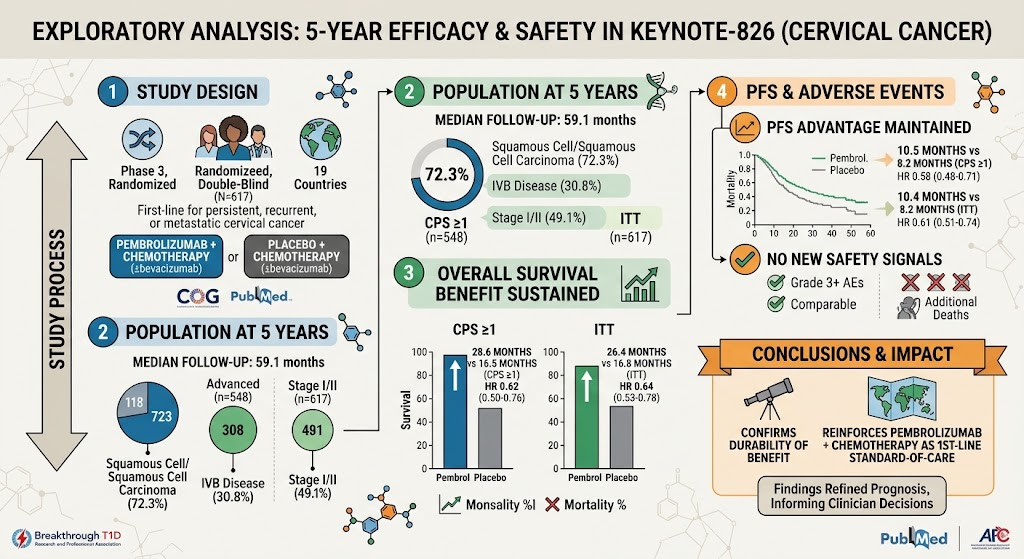
Pembrolizumab Plus Chemotherapy for Cervical Cancer: Five-Year Exploratory Analysis from the KEYNOTE-826 Randomized Clinical Trial
newschemotherapyKEYNOTE-826

Pembrolizumab Plus Chemotherapy for Cervical Cancer: Five-Year Exploratory Analysis from the KEYNOTE-826 Randomized Clinical Trial

By MedXY|Sep 15, 2026

Five-year data from KEYNOTE-826 confirm pembrolizumab combined with chemotherapy as a durable, first-line treatment improving survival in persistent, recurrent, or metastatic cervical cancer without new safety concerns.


Cancer Biologics Utilization After Biosimilar Entry and Financial Implications For Payers and Patients
Hematology-Oncologybiosimilars
© 2026 MedXY
Contact usAbout usPrivacy PolicyMedXY story
cancer biologics

Cancer Biologics Utilization After Biosimilar Entry and Financial Implications For Payers and Patients

By MedXY|Aug 29, 2026

This study examines the impact of biosimilar introduction on cancer biologics, highlighting reduced costs and market share for originator biologics, benefiting both payers and patients.

Oncologyquality of lifeoncology

New EORTC Questionnaire Module for Vulvar Cancer Quality of Life Undergoes Successful Cross-Cultural Pre-Testing

By MedXY|Aug 18, 2026

The EORTC QLQ-VU34, a new disease-specific quality-of-life module for vulvar cancer patients, was developed and pre-tested across nine European countries, showing high relevance and applicability.

Longitudinal Risk for Suicidal Self-Directed Violence Among Veterans With Cancer
newsmental healthoncology

Longitudinal Risk for Suicidal Self-Directed Violence Among Veterans With Cancer

By MedXY|Jun 10, 2026

A large study of veterans with cancer found persistent risk of suicidal self-directed violence, especially in younger, unmarried, frail, or mentally ill patients and those with central nervous system, head and neck, or thyroid cancers.

Immune Checkpoint Inhibitor-Associated Uveitis: Comparative Risk Across Cancers and Drug Classes
newsimmune checkpoint inhibitorsmelanoma

Immune Checkpoint Inhibitor-Associated Uveitis: Comparative Risk Across Cancers and Drug Classes

By MedXY|Jun 4, 2026

A multicenter study found that immune checkpoint inhibitor–associated uveitis risk varies by cancer type and drug class, with melanoma showing the highest intrinsic risk and RCC risk largely linked to ipilimumab/nivolumab exposure.

Beyond the Diagnosis: Addressing the Persistent Risk of Suicidal Self-Directed Violence in Veterans with Cancer
Clinical UpdatesoncologySuicidal Self-Directed Violence

Beyond the Diagnosis: Addressing the Persistent Risk of Suicidal Self-Directed Violence in Veterans with Cancer

By MedXY|May 31, 2026

This review synthesizes recent longitudinal evidence on suicidal self-directed violence (SSDV) among veterans with cancer, identifying high-risk subgroups, temporal vulnerability windows, and the critical need for long-term psychological su

Longitudinal Suicide Risk in Veterans with Cancer: A Comprehensive Synthesis of Risk Factors and Temporal Trends
Clinical UpdatesoncologySSDV

Longitudinal Suicide Risk in Veterans with Cancer: A Comprehensive Synthesis of Risk Factors and Temporal Trends

By MedXY|May 31, 2026

This review synthesizes longitudinal evidence on suicidal self-directed violence (SSDV) among veterans with cancer, identifying high-risk clinical subgroups, temporal peaks in vulnerability, and the critical need for long-term survivorship

Longitudinal Risk for Suicidal Self-Directed Violence Among Veterans With Cancer
newscancermental health

Longitudinal Risk for Suicidal Self-Directed Violence Among Veterans With Cancer

By MedXY|May 31, 2026

A national study of veterans with cancer found elevated suicide-related risk that persisted for years, especially among younger, unmarried, frail, or mentally ill patients and those with certain cancers such as central nervous system and th

When Severe Mental Illness Meets Lung Cancer: Why Equal Treatment Still Isn’t Guaranteed
newscancer disparitieslung cancer

When Severe Mental Illness Meets Lung Cancer: Why Equal Treatment Still Isn’t Guaranteed

By MedXY|May 29, 2026

A large Japanese study found that people with schizophrenia spectrum disorders were less likely to receive several standard treatments for non-small cell lung cancer, underscoring a persistent and preventable gap in cancer care.

Adherence to Surveillance in the Watch and Wait Approach for Rectal Cancer
Gastroenterologycancer surveillanceNonoperative Management

Adherence to Surveillance in the Watch and Wait Approach for Rectal Cancer

By MedXY|May 8, 2026

Study finds 62% of rectal cancer patients on Watch and Wait receive optimal surveillance, with younger patients showing better adherence. Critical gaps occur in the first year, particularly in initial endoscopic/imaging exams and colonoscop

Survival of Patients Diagnosed With Cancer During the COVID-19 Pandemic
newsCancer MortalityCancer survival

Survival of Patients Diagnosed With Cancer During the COVID-19 Pandemic

By MedXY|Apr 22, 2026

A cohort study of over 1 million cancer patients revealed significant reductions in 1-year survival rates during 2020-2021 compared to pre-pandemic trends, with an estimated 17,390 excess cancer deaths attributable to pandemic-related care

Three Modifiable Factors Predict Emotional Impairment in Thyroid Cancer Patients: What Clinicians Need to Know
Diabetes & EndocrinologyEmotional functioningoncology

Three Modifiable Factors Predict Emotional Impairment in Thyroid Cancer Patients: What Clinicians Need to Know

By MedXY|Apr 13, 2026

A prospective study identifies exhaustion, head and neck discomfort, and body image concerns as independent predictors of poor emotional functioning in differentiated thyroid carcinoma patients. These findings highlight actionable targets f

Optimizing the Synergy: Sequential vs. Concurrent Radiotherapy and Immunotherapy in Advanced Non-Small Cell Lung Cancer
Clinical UpdatesimmunotherapyNSCLC

Optimizing the Synergy: Sequential vs. Concurrent Radiotherapy and Immunotherapy in Advanced Non-Small Cell Lung Cancer

By MedXY|Apr 2, 2026

This review evaluates the optimal sequencing of radiotherapy and immunotherapy in advanced NSCLC, highlighting real-world evidence from the OCEANUS study favoring sequential over concurrent administration.

Spatial Profiling of Resistance Mechanisms in HER2-Positive Gastric Cancer: Insights from Patient-Matched Analysis
GastroenterologyHER2+ Gastric Canceroncology

Spatial Profiling of Resistance Mechanisms in HER2-Positive Gastric Cancer: Insights from Patient-Matched Analysis

By MedXY|Mar 27, 2026

This report examines spatial transcriptomic data from HER2+ gastric cancer patients to identify resistance mechanisms to trastuzumab and T-DXd, including EMT and ERAD pathway activation.

Liquid Biopsy Predicts Recurrence in HPV-Independent Head and Neck Cancer Months Before Imaging
newsctDNAHNSCC

Liquid Biopsy Predicts Recurrence in HPV-Independent Head and Neck Cancer Months Before Imaging

By MedXY|Mar 23, 2026

A prospective study demonstrates that tumor-informed ctDNA-based minimal residual disease (MRD) testing significantly predicts recurrence and survival in HPV-independent HNSCC, offering a median five-month lead time over clinical detection

Exploring Diagnostic Delays for Gynecologic and Breast Cancers Following Emergency Department Visits
newsemergency medicineoncology

Exploring Diagnostic Delays for Gynecologic and Breast Cancers Following Emergency Department Visits

By MedXY|Mar 23, 2026

This study analyzes how cancer diagnosis timing varies after an emergency department visit, finding that breast cancer faces the longest delays while ovarian cancer is often diagnosed immediately. Factors like comorbidities and primary care

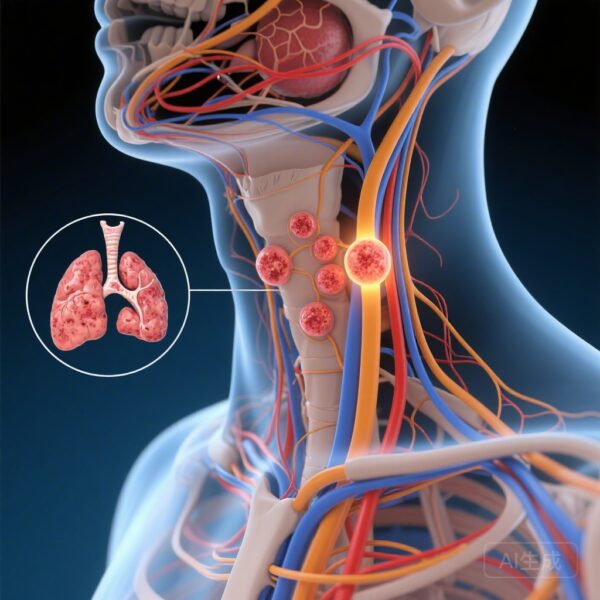
Head and Neck Metastases From Infraclavicular Primary Tumors: Analysis of 136 Cases
newsDiagnostic Pathologyhead and neck cancer

Head and Neck Metastases From Infraclavicular Primary Tumors: Analysis of 136 Cases

By MedXY|Mar 18, 2026

This clinical analysis of 136 patients highlights that head and neck metastases often serve as the primary manifestation of infraclavicular cancers, emphasizing the diagnostic value of cervical lymph nodes.

The Bottom-Up Revolution: How New Surgical Techniques are Saving Lives and Lifestyles in Rectal Cancer
General Surgeryoncologyrectal cancer

The Bottom-Up Revolution: How New Surgical Techniques are Saving Lives and Lifestyles in Rectal Cancer

By MedXY|Mar 18, 2026

A groundbreaking North American trial reveals that the taTME ‘bottom-up’ surgical approach for rectal cancer offers a 93.7% three-year survival rate and allows 97% of patients to remain stoma-free, fundamentally changing the lan

Malignancy Risk Patterns in Solid Organ Transplant Recipients with a History of Pretransplant Cancer
Clinical Updatesimmunosuppressiononcology

Malignancy Risk Patterns in Solid Organ Transplant Recipients with a History of Pretransplant Cancer

By MedXY|Mar 15, 2026

A large-scale cohort study reveals that solid organ transplant recipients with pre-existing cancer histories face significantly elevated risks for subsequent malignancies, particularly recurring or de novo cancers of the same type, necessit

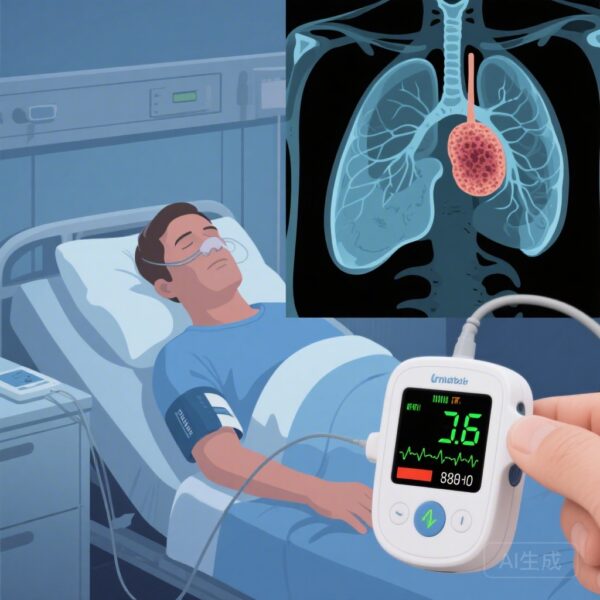
Severe Nocturnal Hypoxemia, Not Just Obstructive Sleep Apnea, Predicts Reduced Survival in Non-Small Cell Lung Cancer Patients
newsHypoxemiasleep apnea

Severe Nocturnal Hypoxemia, Not Just Obstructive Sleep Apnea, Predicts Reduced Survival in Non-Small Cell Lung Cancer Patients

By MedXY|Mar 13, 2026

The NEOSAS-GFPC study demonstrates that severe sleep-related hypoxemia is an independent predictor of increased mortality in NSCLC patients, highlighting the clinical importance of monitoring nocturnal oxygen saturation beyond traditional a

1 / 5
123…5
Next
Ask MedXY AI

Most popular

Intimate Health
Five Benefits for Women Continuing Sexual Activity After Menopause
Intimate Health
Why Some Women Have a Strong Sex Drive—And Why Men Shouldn't Worry About It
Nursing & care
How often should a couple have sex?
Intimate Health
Classic Intimacy Recommendations: How to Help Women Reach Orgasm and Enjoy Mutual Pleasure
Intimate Health
What Makes a Woman "Physiologically Addicted" Is Never Money, But These Two Relationship Qualities