We use cookies

Our website uses essential cookies and, with your consent, additional cookies to measure performance and improve our services. Cookie Policy.

You can change your choice at any time.

MMedXYNews
HomeVideos
© 2026 MedXY
Contact usAbout usPrivacy PolicyMedXY story
MedXY AI/MedXY News/Tag: cardiomyopathy
MedXY News
EnglishTag

cardiomyopathy

Ask MedXY AI
type 2 diabetesclinical trialheart failureimmunotherapyobesitycardiovascular riskatrial fibrillationbiomarkerscritical careclinical trialsHypertensionartificial intelligenceCardiologyoncologypublic healthtype 1 diabetesdiabetesMortalityAlzheimer's diseasecardiovascular diseasebreast cancerepidemiology

Latest news

Tag

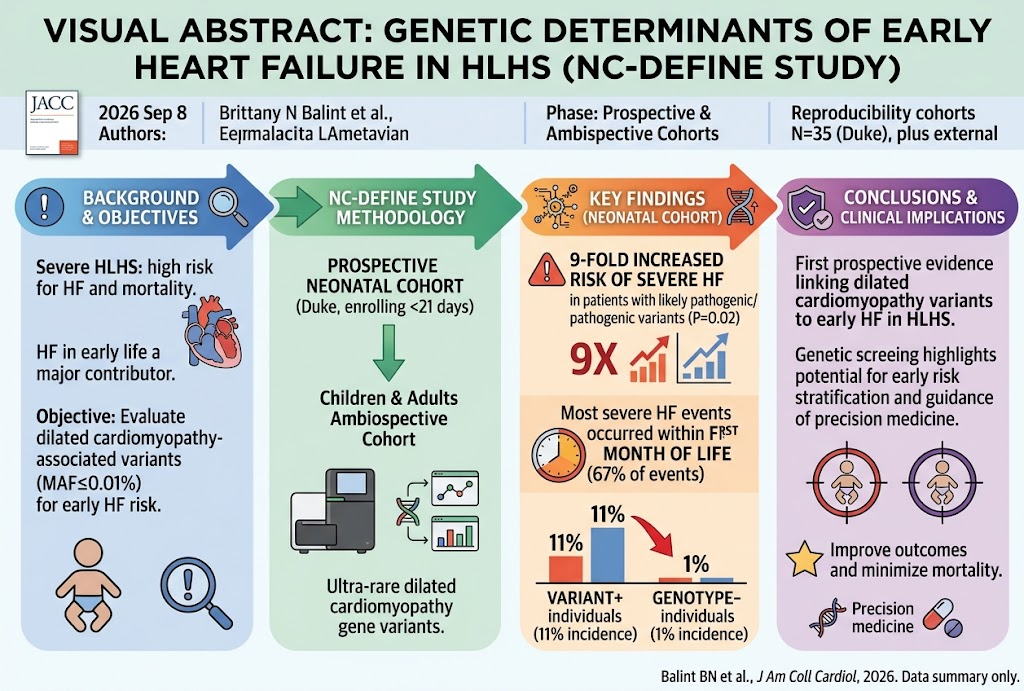
Genetic Insights into Early Heart Failure Risk in Hypoplastic Left Heart Syndrome: Findings from the NC-DEFINE Study
Cardiologycardiomyopathygenetic screening

Genetic Insights into Early Heart Failure Risk in Hypoplastic Left Heart Syndrome: Findings from the NC-DEFINE Study

By MedXY|Sep 12, 2026

A prospective study reveals that ultra-rare cardiomyopathy gene variants significantly increase risk for early heart failure in infants with hypoplastic left heart syndrome, highlighting potential for genetic risk stratification and precisi
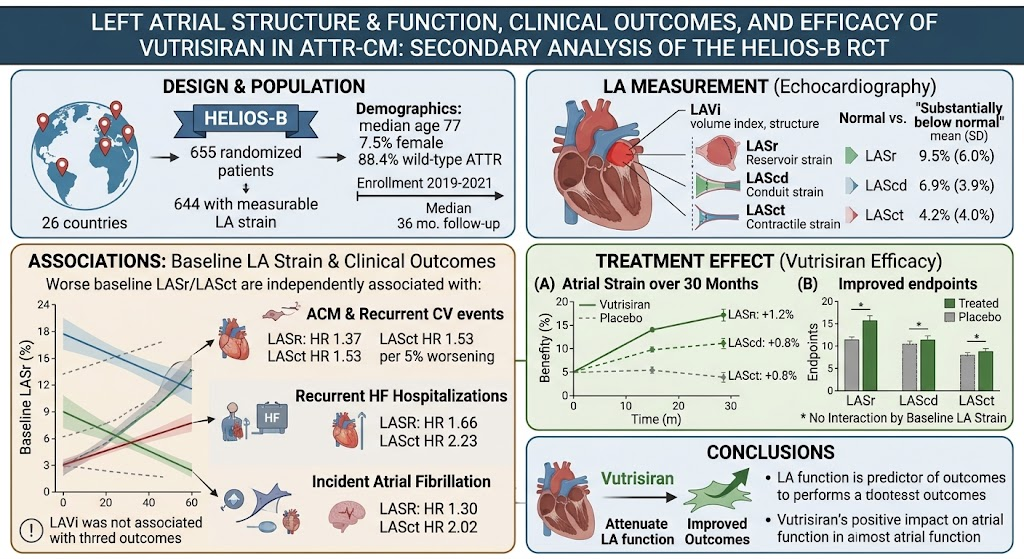

Left Atrial Dysfunction and Vutrisiran Efficacy in Transthyretin Amyloid Cardiomyopathy: Insights from the HELIOS-B Trial
Cardiologyleft atrial dysfunction
cardiomyopathy

Left Atrial Dysfunction and Vutrisiran Efficacy in Transthyretin Amyloid Cardiomyopathy: Insights from the HELIOS-B Trial

By MedXY|Aug 21, 2026

This article reviews the prognostic role of left atrial dysfunction in transthyretin amyloid cardiomyopathy and evaluates vutrisiran’s impact on atrial function and clinical outcomes based on a secondary analysis of the HELIOS-B phase 3 tri

Microplastic Exposure and Cardiomyopathy: Unveiling the Gut-Heart Axis Mechanism
CardiologyBisphenol Fcardiomyopathy

Microplastic Exposure and Cardiomyopathy: Unveiling the Gut-Heart Axis Mechanism

By MedXY|Jul 14, 2026

This study reveals that bisphenol F exposure aggravates cardiomyopathy under hemodynamic stress through gut microbiota metabolism, highlighting a novel gut-heart axis involving N-acetylputrescine and potential therapeutic targets.

AAVrh.10hFXN Gene Therapy for Friedreich Ataxia Cardiomyopathy: Safety and Preliminary Efficacy in a Nonrandomized Clinical Trial
CardiologyAAVrh.10hFXNcardiomyopathy

AAVrh.10hFXN Gene Therapy for Friedreich Ataxia Cardiomyopathy: Safety and Preliminary Efficacy in a Nonrandomized Clinical Trial

By MedXY|Jul 1, 2026

This review synthesizes evidence from a pioneering nonrandomized trial demonstrating that intravenous AAVrh.10hFXN gene therapy is safe and may improve cardiac outcomes in Friedreich ataxia cardiomyopathy, highlighting translational advance

Association of Common Ancestry-Enriched Variants With Cardiomyopathy and Arrhythmias: Insights From Genetic Studies in Individuals of African Ancestry
CardiologyAfrican ancestryarrhythmia

Association of Common Ancestry-Enriched Variants With Cardiomyopathy and Arrhythmias: Insights From Genetic Studies in Individuals of African Ancestry

By MedXY|Jun 26, 2026

Genetic variants enriched in individuals of African ancestry confer increased risk of cardiomyopathy and arrhythmias, with cardiovascular risk factors amplifying this risk. Large biobank studies enable reclassification of key variants and h

Sex- and Age-Specific Genetic Risk Across Dilated and Arrhythmogenic Cardiomyopathy: Insights From the SHaRe Registry
Cardiologycardiomyopathygenetics

Sex- and Age-Specific Genetic Risk Across Dilated and Arrhythmogenic Cardiomyopathy: Insights From the SHaRe Registry

By MedXY|May 25, 2026

A large registry study found that genetic cardiomyopathy risk varies by sex, age, and gene. TTN truncating variants were more common and earlier in males, while DSP and non-TTN sarcomeric variants were more common in females.

Cardiomyopathy Gene Therapy Reaches an Inflection Point: From AAV Delivery to Precision Genome Editing
CardiologyAAVcardiomyopathy

Cardiomyopathy Gene Therapy Reaches an Inflection Point: From AAV Delivery to Precision Genome Editing

By MedXY|May 12, 2026

Gene therapy for cardiomyopathy is moving from concept to clinic, but durable benefit will depend on solving delivery, immunogenicity, cargo, and safety barriers in the failing human heart.

Is Indefinite Heart Failure Therapy Necessary After AF Rhythm Control? Insights from the WITHDRAW-AF Trial
Cardiologyatrial fibrillationcardiomyopathy

Is Indefinite Heart Failure Therapy Necessary After AF Rhythm Control? Insights from the WITHDRAW-AF Trial

By MedXY|Jan 17, 2026

The WITHDRAW-AF trial suggests that heart failure therapy can be safely withdrawn in patients with atrial fibrillation-mediated cardiomyopathy who achieve rhythm control and ejection fraction normalization, showing no significant decline in

Genetic Tug-of-War: How Polygenic Background Dictates the Penetrance and Phenotype of Monogenic Cardiomyopathies
CardiologycardiomyopathyGenetic penetrance

Genetic Tug-of-War: How Polygenic Background Dictates the Penetrance and Phenotype of Monogenic Cardiomyopathies

By MedXY|Dec 23, 2025

A large-scale study from the Penn Medicine BioBank demonstrates that polygenic risk scores for hypertrophic and dilated cardiomyopathies act as bidirectional modifiers, influencing the clinical expression of rare pathogenic variants and off

LMNA Variant Type and Location Shape Arrhythmic Risk in Cardiomyopathy: Truncations Confer Higher VA Risk; Tail-domain Missense Variants Appear Lower Risk
Cardiologyarrhythmiacardiomyopathy

LMNA Variant Type and Location Shape Arrhythmic Risk in Cardiomyopathy: Truncations Confer Higher VA Risk; Tail-domain Missense Variants Appear Lower Risk

By MedXY|Dec 3, 2025

In 718 patients with pathogenic/likely pathogenic LMNA variants, truncating variants carried higher risk of malignant ventricular arrhythmia independent of position, while missense variants in the tail domain and exons 7–12 had lower arrhyt

Shared Genetic Vulnerability: Polygenic and Monogenic Contributions to Peripartum, Alcohol-Induced, and Cancer Therapy–Related Cardiomyopathies
Cardiologycardiomyopathygenetics

Shared Genetic Vulnerability: Polygenic and Monogenic Contributions to Peripartum, Alcohol-Induced, and Cancer Therapy–Related Cardiomyopathies

By MedXY|Dec 3, 2025

A large multi-cohort genetic analysis shows that both rare monogenic variants and a high polygenic score for dilated cardiomyopathy (DCM) are enriched in peripartum, alcohol-induced, and cancer therapy–related cardiomyopathies, supporting a

High Early Risk of Sudden Cardiac Arrest in Newly Diagnosed Cardiomyopathy: Insights from the German SCD‑PROTECT Wearable Defibrillator Registry
Cardiologycardiomyopathyprimary prevention

High Early Risk of Sudden Cardiac Arrest in Newly Diagnosed Cardiomyopathy: Insights from the German SCD‑PROTECT Wearable Defibrillator Registry

By MedXY|Nov 29, 2025

The nationwide SCD‑PROTECT study (n=19,598) found substantial early risk of sustained VT/VF in newly diagnosed ischaemic and non‑ischaemic cardiomyopathy; wearable cardioverter‑defibrillators (WCDs) delivered life‑saving therapy with low in

Guideline‑Level Moderate–Vigorous Physical Activity Appears Safe and Beneficial for Phenotype‑Negative Car cardiomyopathy Variant Carriers
Cardiologyaccelerometercardiomyopathy

Guideline‑Level Moderate–Vigorous Physical Activity Appears Safe and Beneficial for Phenotype‑Negative Car cardiomyopathy Variant Carriers

By MedXY|Nov 25, 2025

In a large UK Biobank cohort, accelerometer-measured moderate‑to‑vigorous physical activity (100–400 min/week) was associated with lower cardiovascular risk and no excess arrhythmic or cardiomyopathy onset among genotype‑positive phenotype‑

Ask MedXY AI

Most popular

Intimate Health
Five Benefits for Women Continuing Sexual Activity After Menopause
Intimate Health
Why Some Women Have a Strong Sex Drive—And Why Men Shouldn't Worry About It
Nursing & care
How often should a couple have sex?
Intimate Health
Classic Intimacy Recommendations: How to Help Women Reach Orgasm and Enjoy Mutual Pleasure
Intimate Health
What Makes a Woman "Physiologically Addicted" Is Never Money, But These Two Relationship Qualities