MMedXYNews
Ask AIHomeVideos
© 2026 MedXY
Contact usAbout usPrivacy PolicyMedXY story
MedXY News/Critical Care

Section

Critical Care

381 articles

Ask AI
All specialtiesCritical CarenewsClinical UpdatesCardiologyOncology

Latest updates

Critical Care

Mind the Gap: Why Point-of-Care and Central Lab Electrolytes Are Not Interchangeable in the ICU

A prospective study highlights significant discrepancies between point-of-care and central laboratory sodium and potassium measurements in the ICU, revealing a 10.48 mmol/L limit of agreement for sodium and a widespread lack of physician aw


Mar 29, 2026
Critical Care

Rethinking Shock Management: From Standardized Protocols to Personalized Precision Medicine

Expert consensus highlights a shift in shock treatment, emphasizing that standardized protocols must give way to personalized, physiology-driven bedside care to prevent iatrogenic injury and improve survival.

Mar 19, 2026Sign in to read
Clinical Updates

Electrolyte Monitoring in the ICU: Bridging the Gap Between Point-of-Care and Central Laboratory Discrepancies

This review analyzes the analytical biases between direct and indirect potentiometry for sodium and potassium measurement in critical care, highlighting significant clinical classification discrepancies and a widespread lack of physician aw

Mar 17, 2026Sign in to read
Critical Care

Antipsychotic Exposure in the ICU: A Double-Edged Sword for Catatonia Risk?

A prospective cohort study demonstrates that antipsychotic use in critically ill patients is significantly associated with fewer catatonia-free days, suggesting that dopamine blockade may be a primary driver of catatonic syndromes in intens

Mar 14, 2026
Cardiology

Etiology, Management, and Outcomes of Society for Cardiovascular Angiography and Interventions Stage B Cardiogenic Shock

This clinical analysis of 500 patients identifies heart failure and arrhythmias as the primary causes of SCAI Stage B shock. Key findings highlight acute kidney injury and diuretic resistance as significant predictors of clinical deteriorat

Mar 10, 2026
Critical Care

Daily Chlorhexidine Bathing in the ICU: Results from the CLEAN-IT Multicentre Trial

A large-scale trial in Brazilian ICUs found that daily chlorhexidine bathing did not lower overall nosocomial infection rates but significantly reduced multi-drug resistant pathogen isolation and the use of high-priority reserve antibiotics

Mar 2, 2026
Critical Care

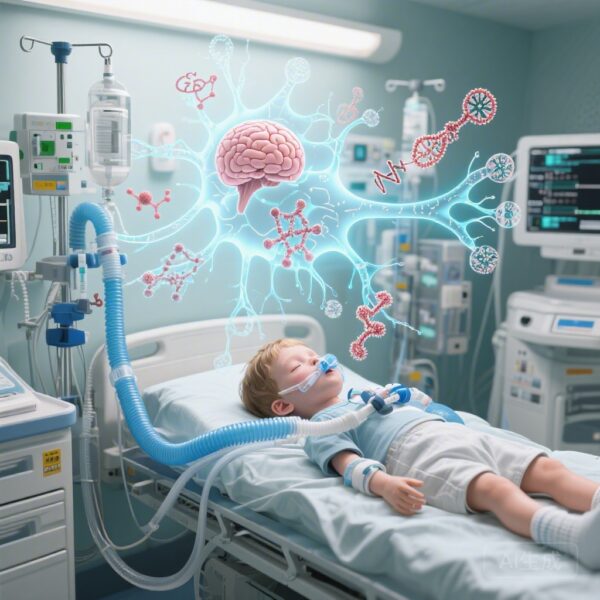
Plasma GFAP and NfL Levels Predict Acute Brain Injury and Poor Outcomes in Pediatric ECMO

This multi-center study demonstrates that serial monitoring of plasma GFAP and NfL biomarkers can detect acute brain injury in pediatric ECMO patients before imaging diagnosis, significantly correlating with long-term survival and functiona

Mar 2, 2026
Critical Care

Plasma GFAP and NfL as Real-Time Predictors of Brain Injury and Long-Term Disability in Pediatric ECMO

A prospective study demonstrates that rising levels of plasma GFAP and NfL precede neuroimaging-confirmed brain injury in children on ECMO. These biomarkers are also strongly associated with mortality and long-term functional impairment, of

Mar 2, 2026
Cardiology

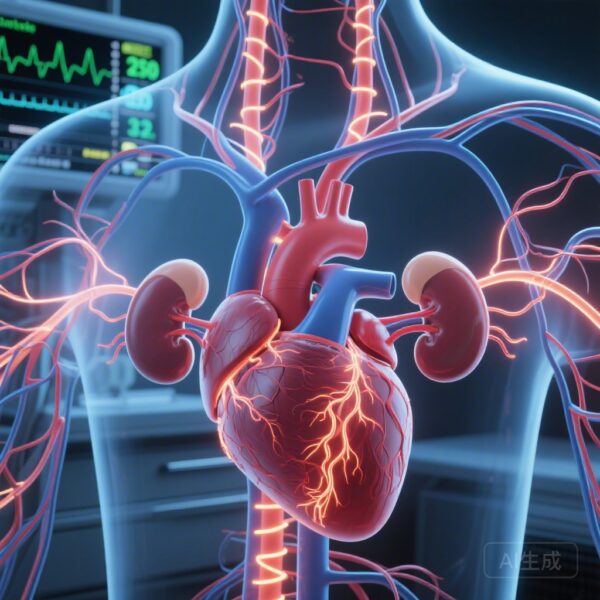
The Warning Signs of Deterioration: Acute Kidney Injury and Diuretic Resistance in SCAI Stage B Cardiogenic Shock

A large-scale study reveals that 25% of patients with SCAI Stage B cardiogenic shock deteriorate clinically. Acute kidney injury and diuretic resistance are identified as critical, independent predictors of poor outcomes, emphasizing the ne

Mar 1, 2026
Cardiology

AKI and Diuretic Resistance: Identifying the High-Risk Phenotype in SCAI Stage B Cardiogenic Shock

New research highlights that nearly a quarter of SCAI Stage B cardiogenic shock patients deteriorate. Acute kidney injury and diuretic resistance serve as critical early warning signs, providing clinicians a window for proactive interventio

Mar 1, 2026Sign in to read
Critical Care

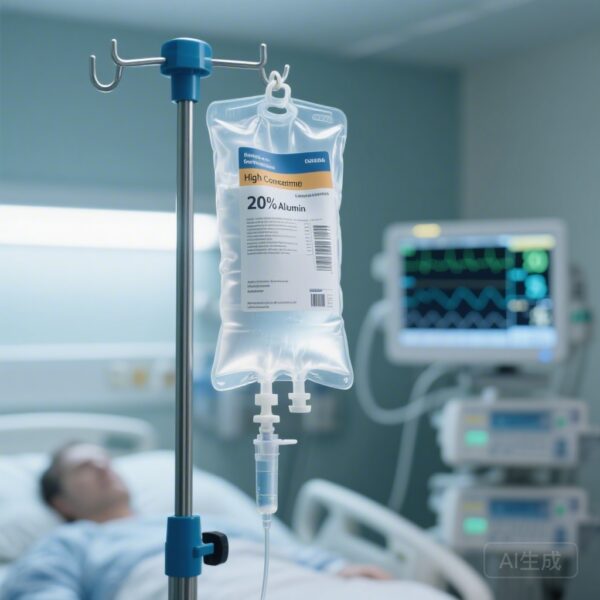
Albumin Replacement in Septic Shock: Safety Confirmed but Survival Benefit Remains Elusive

The ARISS randomized clinical trial found that 20% albumin supplementation to maintain serum levels ≥3.0 g/dL is safe in septic shock but does not significantly improve 90-day survival compared to standard crystalloids, though the studyR

Feb 23, 2026
Cardiology

Redefining Post-Cardiac Arrest Care: Two-Year TTM2 Data Confirm No Long-Term Advantage for Targeted Hypothermia

This 2-year follow-up of the TTM2 trial demonstrates that targeted hypothermia at 33°C provides no long-term benefit for functional or cognitive recovery compared to targeted normothermia. The findings emphasize the importance of early feve

Feb 20, 2026
Critical Care

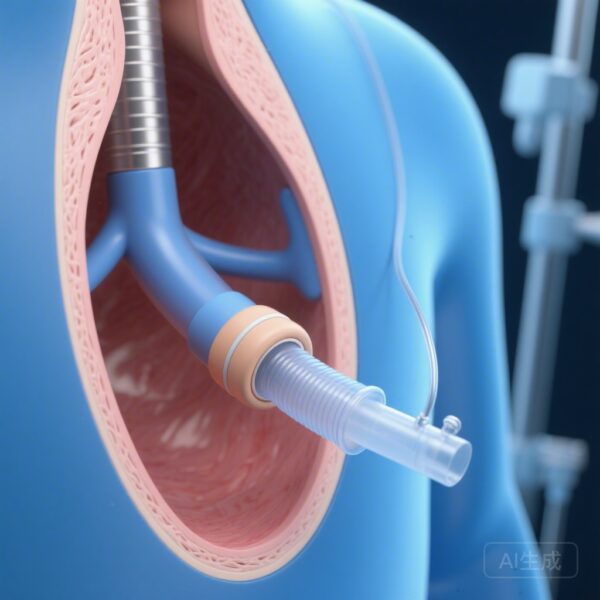
Subglottic Suction and Polyurethane Cuffs Fail to Improve Outcomes in Emergency Intubation: Insights from the PreVent 2 Trial

The PreVent 2 trial demonstrates that specialized endotracheal tubes with subglottic suction and polyurethane cuffs do not significantly reduce ventilator-associated complications or improve 6-month laryngeal, cognitive, or quality-of-life

Feb 19, 2026
Critical Care

Automated Oxygen Control vs. Manual Care: Large-Scale Trial Finds No Difference in Clinical Outcomes for Extremely Preterm Infants

A multicenter randomized trial of 1,082 extremely preterm infants found that automated FiO2 control did not significantly reduce death or major morbidities compared to manual titration, though it remains a safe labor-saving tool for neonata

Feb 14, 2026
Critical Care

Cerebral Oximetry-Guided Treatment Significantly Stabilizes Oxygenation in Extremely Preterm Infants: Results from a Randomized Clinical Trial

A randomized trial involving 100 extremely preterm infants shows that cerebral oximetry-guided treatment using a standardized guideline and NIRS device significantly reduces the burden of cerebral hypoxia and hyperoxia during the first five

Feb 10, 2026
Critical Care

Cerebral Oximetry-Guided Protocol Slashes Hypoxia and Hyperoxia Burden in Extremely Preterm Neonates

A randomized trial demonstrates that standardized treatment guided by cerebral oximetry reduces cerebral oxygenation instability by over 40% in extremely preterm infants, offering a precise new strategy for neonatal neuroprotection.

Feb 10, 2026
Critical Care

Liberating the Kidney: Can a Conservative Dialysis Strategy Improve Recovery in AKI-D?

The LIBERATE-D randomized trial suggests that a conservative, indication-driven dialysis strategy may enhance kidney recovery and reduce treatment burden in stable patients with dialysis-requiring acute kidney injury compared to conventiona

Feb 9, 2026Sign in to read
Critical Care

Precision Prognostics in Sepsis: How Stress Hyperglycemia and Glucose Variability Define Mortality Risk Across Metabolic Profiles

This study reveals that combining stress hyperglycemia ratio and glucose variability significantly improves mortality prediction in sepsis, with risk patterns varying significantly based on a patient’s baseline metabolic status (Norma

Feb 4, 2026
Critical Care

Precision Immunotherapy in Pneumonia: Presepsin-Guided Anakinra Significantly Reduces Organ Dysfunction and Mortality

The Phase IIa INSPIRE trial demonstrates that early administration of anakinra, guided by the presepsin biomarker, reduces the risk of organ dysfunction by 30% and significantly improves 90-day survival in hospitalized pneumonia patients, m

Jan 30, 2026
Critical Care

Sepsis Subtypes Are Fluid: How ‘Fuzzy’ Classification Explains Treatment Variability and Patient Trajectories

A large-scale study of 35,691 sepsis patients reveals that clinical subtypes are highly dynamic, with 82% of patients changing categories within 48 hours. This classification uncertainty significantly impacts treatment response and long-ter

Jan 26, 2026Sign in to read
Previous
11 / 20
1…910111213…20
Next

Most read

  1. 01Critical Care

    Plasma sRAGE Biomarker Guides Personalized Lung Recruitment Strategies in ARDS: Insights from the LIVE Trial

  2. 02Critical Care

    Burn Injury Reprograms Extracellular Vesicle Communication: Linking Immune Activation and Neuroinflammation

Go deeper with MedXY AI

Explore the evidence behind the news.

Ask AI
MedXY briefing

Stay informed

Medical news and research updates, delivered to your inbox.