We use cookies

Our website uses essential cookies and, with your consent, additional cookies to measure performance and improve our services. Cookie Policy.

You can change your choice at any time.

MMedXYNews
HomeVideos
© 2026 MedXY
Contact usAbout usPrivacy PolicyMedXY story
MedXY AI/MedXY News/Pediatrics

Pediatrics

Ask MedXY AI
What is the latest evidence?Key clinical updatesGuideline changes

Latest news

Adolescent Mental Health Care and Stigma: Insights from the ARTEMIS Randomized Clinical Trial and Complementary Evidence
Clinical Updatesadolescent mental healthcommunity intervention

Adolescent Mental Health Care and Stigma: Insights from the ARTEMIS Randomized Clinical Trial and Complementary Evidence

By MedXY|Jul 12, 2026

This review synthesizes evidence from the ARTEMIS trial and related studies on community-based adolescent mental health care and stigma reduction, highlighting intervention efficacy, implementation challenges, and translational potentials i


Immature Ovarian Teratomas with Microscopic Yolk Sac Tumor in Children and Adolescents: Insights from a Multicenter Study
newsimmature teratomaovarian tumor

Immature Ovarian Teratomas with Microscopic Yolk Sac Tumor in Children and Adolescents: Insights from a Multicenter Study

By MedXY|Jul 11, 2026

A comprehensive multicenter study reveals that ovarian immature teratomas with microscopic yolk sac tumor foci in pediatric patients have favorable outcomes, showing no increased recurrence risk despite higher tumor grade and stage.

Unveiling the Role of IL-10-Neutralising Autoantibodies in Pediatric-Onset Inflammatory Bowel Disease: Prevalence, Persistence, and Clinical Implications
Gastroenterologyhematopoietic stem-cell transplantationIL-10 autoantibodies

Unveiling the Role of IL-10-Neutralising Autoantibodies in Pediatric-Onset Inflammatory Bowel Disease: Prevalence, Persistence, and Clinical Implications

By MedXY|Jul 10, 2026

This study reveals that IL-10-neutralising autoantibodies occur in 2.1% of pediatric IBD cases without monogenic causes, persist over years, and may define a distinct clinical subgroup with specific therapeutic needs.

Levacetylleucine Shows Promising Safety and Efficacy in Treating Ataxia-Telangiectasia: Phase 3 Trial Findings
Neurologyataxia-telangiectasiaclinical trial

Levacetylleucine Shows Promising Safety and Efficacy in Treating Ataxia-Telangiectasia: Phase 3 Trial Findings

By MedXY|Jul 8, 2026

A phase 3 randomized, placebo-controlled crossover trial demonstrates that levacetylleucine significantly improves neurological function in ataxia-telangiectasia patients with a favorable safety profile.

Variation in Pediatric Critical Illness Experience Across Emergency Departments: Implications for Care and Transport
Emergency Medicineaccess to careEmergency Department Volume

Variation in Pediatric Critical Illness Experience Across Emergency Departments: Implications for Care and Transport

By MedXY|Jul 7, 2026

This study reveals that most emergency departments rarely encounter critically ill children, and only a minority of these cases could be redirected to high-volume centers, challenging the feasibility of universal direct transport policies f

Sibling-Controlled Evidence Reassures Safety of Prenatal Acetaminophen Use Regarding Autism and ADHD Risks
newsepidemiologyprenatal exposure

Sibling-Controlled Evidence Reassures Safety of Prenatal Acetaminophen Use Regarding Autism and ADHD Risks

By MedXY|Aug 18, 2026

A large sibling-matched cohort study found no link between prenatal acetaminophen exposure and autism or ADHD, suggesting prior associations were confounded by familial factors and supporting the safety of indicated paracetamol use during p

Decoding the Gut-Brain Axis: How Early Life Stress Shapes Gut Motility and Pain Through Neural Pathways
Gastroenterologyearly life stressenteric nervous system

Decoding the Gut-Brain Axis: How Early Life Stress Shapes Gut Motility and Pain Through Neural Pathways

By MedXY|Jul 5, 2026

Early life stress disrupts gut motility and pain regulation via enteric and sympathetic nervous system alterations, with human pediatric data confirming its clinical relevance and suggesting novel therapeutic targets.

Declining Trends in Impaired Awareness of Hypoglycemia and Severe Hypoglycemia in Youth with Type 1 Diabetes Over Two Decades
Diabetes & Endocrinologycontinuous glucose monitoringimpaired awareness of hypoglycemia

Declining Trends in Impaired Awareness of Hypoglycemia and Severe Hypoglycemia in Youth with Type 1 Diabetes Over Two Decades

By MedXY|Jul 4, 2026

A population-based study reveals a significant reduction in impaired awareness of hypoglycemia and severe hypoglycemia in youth with type 1 diabetes from 2002 to 2024, indicating substantial progress in diabetes care and the ongoing need fo

Streamlining Identification of Ketosis-Prone Diabetes in Youth Using PEPPER: Advancing Atypical Diabetes Discovery
Diabetes & Endocrinologyatypical diabetesdiabetes screening

Streamlining Identification of Ketosis-Prone Diabetes in Youth Using PEPPER: Advancing Atypical Diabetes Discovery

By MedXY|Jun 28, 2026

The novel Python-based tool PEPPER enhances electronic medical record searches, efficiently identifying youth with ketosis-prone diabetes, and dramatically reducing manual chart review time without compromising accuracy.

Evolving Paradigms in Pediatric Hyperthyroidism: A Two-Decade Review of Management and Outcomes
Clinical UpdatesGraves' Diseasepediatric hyperthyroidism

Evolving Paradigms in Pediatric Hyperthyroidism: A Two-Decade Review of Management and Outcomes

By MedXY|Jun 27, 2026

This review synthesizes 20 years of data on pediatric hyperthyroidism, highlighting shifts toward prolonged antithyroid drug therapy, reduced definitive treatments, and rising relapse rates, underscoring the need for individualized long-ter

newschildhood asthmaEosinophils

Early Neutrophil and Persistent Eosinophil Gene Signatures in Childhood Asthma

By MedXY|Jun 19, 2026

A longitudinal blood gene-expression study in children found an early neutrophil-driven immune pattern at age 1, followed by a persistent eosinophilic signature from 4.5 to 10.5 years in those who later developed asthma.

Low-Yield or High-Value? Preoperative Cardiac Workup in Children With Very Severe OSA
newsadenotonsillectomycardiac workup

Low-Yield or High-Value? Preoperative Cardiac Workup in Children With Very Severe OSA

By MedXY|Jun 19, 2026

Preoperative cardiac testing in children with very severe OSA had low diagnostic yield and rarely changed management. Risk appeared highest in obese adolescents with AHI >50 events/hour.

When the Prenatal Ultrasound “Level” Does Not Match the Neurologic Reality: Mapping Anatomical-Motor Discordance in Open Spinal Dysraphism
OB/GYN & Women's Healthmotor levelmyeloschisis

When the Prenatal Ultrasound “Level” Does Not Match the Neurologic Reality: Mapping Anatomical-Motor Discordance in Open Spinal Dysraphism

By MedXY|Aug 18, 2026

In 187 fetuses with open spinal dysraphism, prenatal motor level was more caudal than the anatomical level in 85% of cases, with larger gaps in myeloschisis and higher lesions.

Why the Spinal Lesion Level on Prenatal Ultrasound Often Does Not Match Fetal Motor Function
newsmotor levelmyeloschisis

Why the Spinal Lesion Level on Prenatal Ultrasound Often Does Not Match Fetal Motor Function

By MedXY|Aug 18, 2026

Prenatal ultrasound in open spinal dysraphism often underestimates functional level: in 85% of fetuses, motor level was more caudal than anatomy. Lesion type and height influenced the gap, with implications for counseling and fetal care pla

New Consensus Maps the Future of Pediatric Stroke Rehabilitation in Australia and New Zealand
newsDelphi consensusoutcome measures

New Consensus Maps the Future of Pediatric Stroke Rehabilitation in Australia and New Zealand

By MedXY|Jun 17, 2026

A modified Delphi study reached regional consensus on the most important outcomes and measurement tools for pediatric stroke rehabilitation, highlighting practical ways to standardize care and research across Australasia.

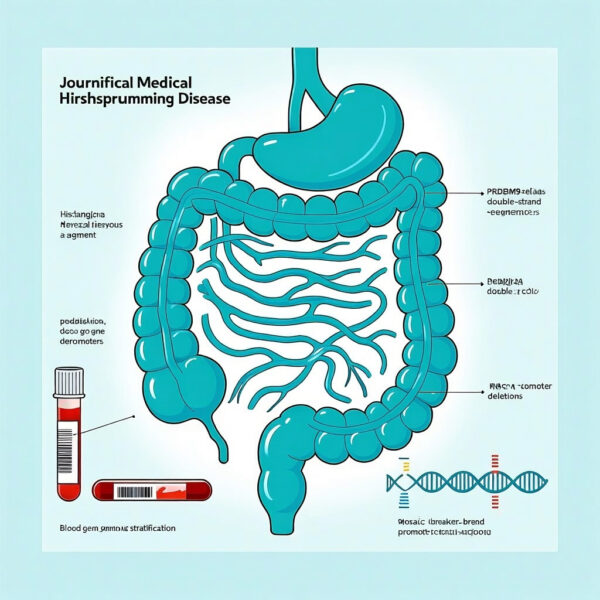
PRDM9 Deficiency Identifies a Predominant Molecular Subgroup in Sporadic Hirschsprung Disease and Enables Blood-based Risk Stratification
Gastroenterologymosaic promoter deletionspolygenic risk score

PRDM9 Deficiency Identifies a Predominant Molecular Subgroup in Sporadic Hirschsprung Disease and Enables Blood-based Risk Stratification

By MedXY|Jun 10, 2026

A 2026 Gastroenterology study links PRDM9 deficiency to ectopic DNA breaks, mosaic promoter deletions, and impaired enteric neuronal differentiation in sporadic Hirschsprung disease, while introducing a blood-based molecular score that impr

A Mobility-Enabled Active Driver for Berlin Heart EXCOR Showed Zero Major Device Malfunctions in High-Risk Pediatric VAD Support
CardiologyBerlin Heart EXCORDevice Safety

A Mobility-Enabled Active Driver for Berlin Heart EXCOR Showed Zero Major Device Malfunctions in High-Risk Pediatric VAD Support

By MedXY|Jun 10, 2026

In a prospective multicenter study, the EXCOR Active Driver demonstrated excellent reliability and high short-term survival in children requiring ventricular assist support, while supporting a registry-enabled pathway for class III pediatri

Retinal Nerve Fiber Layer Thickness at 36 Weeks May Help Predict 2-Year Neurodevelopment in Very Preterm Infants
newsneurodevelopmentpreterm infant

Retinal Nerve Fiber Layer Thickness at 36 Weeks May Help Predict 2-Year Neurodevelopment in Very Preterm Infants

By MedXY|Jun 8, 2026

In very preterm infants, thicker retinal nerve fiber layer on OCT at 36 weeks’ postmenstrual age was associated with better motor and cognitive outcomes at 2 years, supporting retinal imaging as a potential early neurodevelopmental biomarke

Neurocognitive Outcomes of In Utero Exposure to Antiseizure Medication: An Australian Cohort Study
Neurologyantiseizure medicationchild development

Neurocognitive Outcomes of In Utero Exposure to Antiseizure Medication: An Australian Cohort Study

By MedXY|Jun 7, 2026

An Australian cohort study found that prenatal exposure to valproate, levetiracetam, topiramate, and carbamazepine was associated with poorer cognitive outcomes in children, while lamotrigine exposure was not.

Checkpoint Inhibition Is Reshaping Pediatric Lymphoma Care, Led by Breakthroughs in Hodgkin Lymphoma and Expanding into PD-L1–Positive Non-Hodgkin Subtypes
Hematology-Oncologyimmune checkpoint therapyPD-1

Checkpoint Inhibition Is Reshaping Pediatric Lymphoma Care, Led by Breakthroughs in Hodgkin Lymphoma and Expanding into PD-L1–Positive Non-Hodgkin Subtypes

By MedXY|Jun 6, 2026

Immune checkpoint therapy has become a major advance in pediatric Hodgkin lymphoma and is now being actively tested across selected pediatric non-Hodgkin lymphomas with strong PD-L1 biology.

Prev
6 / 25
1…45678…25
Next
Ask MedXY AI

Most popular

Intimate Health
Five Benefits for Women Continuing Sexual Activity After Menopause
Intimate Health
Why Some Women Have a Strong Sex Drive—And Why Men Shouldn't Worry About It
Nursing & care
How often should a couple have sex?
Intimate Health
Classic Intimacy Recommendations: How to Help Women Reach Orgasm and Enjoy Mutual Pleasure
Intimate Health
What Makes a Woman "Physiologically Addicted" Is Never Money, But These Two Relationship Qualities

Browse by specialty

Open language-specific specialty feeds and department pages.

news6629 articlesCardiology1375 articlesClinical Updates1288 articlesOncology1139 articlesDiabetes & Endocrinology842 articlesNeurology820 articlesPublic Health595 articlesGastroenterology572 articles
Hematology-Oncology
487 articles
Pediatrics484 articles
Internal Medicine444 articles