MMedXYNews
Ask AIHomeVideos
© 2026 MedXY
Contact usAbout usPrivacy PolicyMedXY story
MedXY News/Superintelligence

Section

Superintelligence

189 articles

Ask AI
All specialtiesSuperintelligencenewsClinical UpdatesCardiologyOncology
Psychiatry

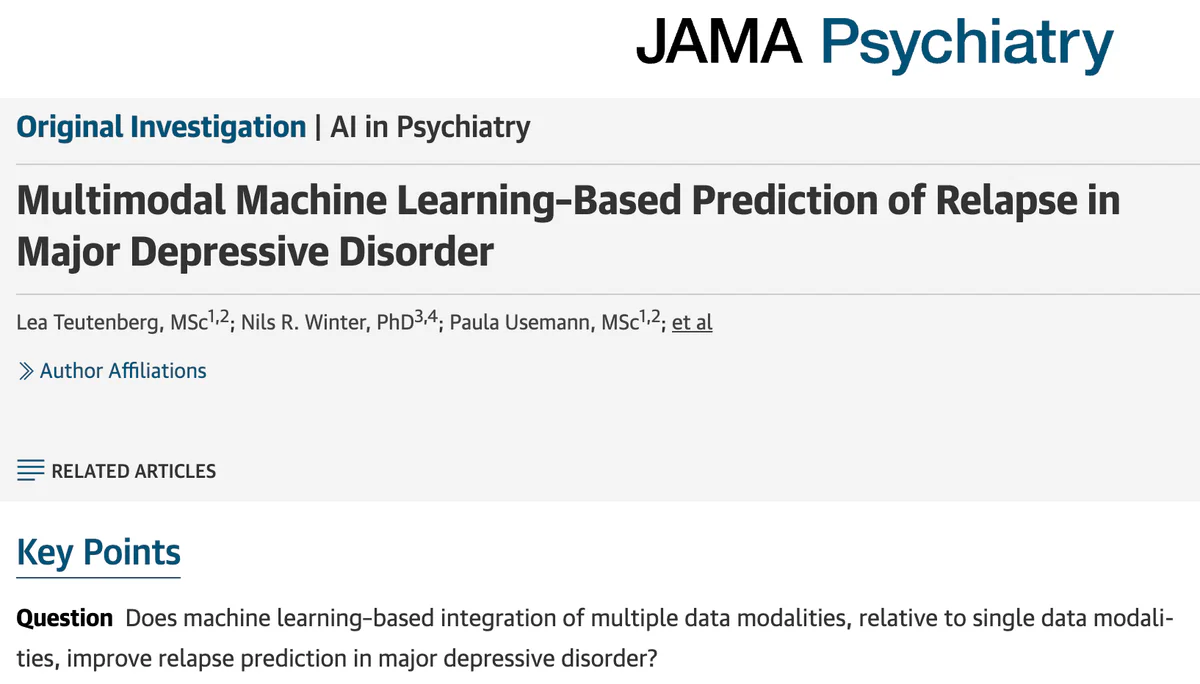
Multimodal Machine Learning-Based Prediction of Relapse in Major Depressive Disorder: Current Evidence and Future Directions

This review synthesizes recent evidence on machine learning models integrating multimodal data for relapse prediction in MDD, highlighting moderate accuracy driven mainly by clinical risk factors and advocating for dynamic approaches to bet
MedXY Editorial Team
Oct 31, 2026

Latest updates

Critical Care

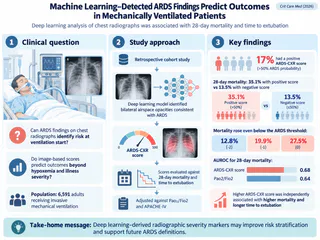
Machine Learning-Enhanced Radiographic Detection of ARDS Predicts Outcomes in Mechanically Ventilated Patients

A deep learning model identifying ARDS features on chest X-rays independently predicts 28-day mortality and ventilator duration beyond traditional clinical measures in patients undergoing invasive mechanical ventilation.

Oct 31, 2026
General Surgery

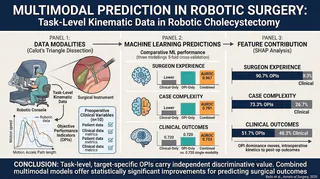
Multimodal Prediction in Robotic Surgery: Evaluating the Added Value of Task-Level Kinematic Metrics

This review synthesizes evidence on the incremental predictive value of task-specific kinematic performance data combined with preoperative clinical variables for robotic surgery outcomes and surgeon experience prediction.

Oct 30, 2026
Dentistry

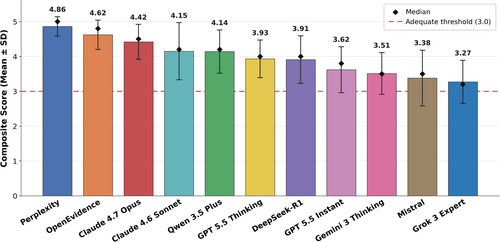
Evaluating AI Tools for Periodontal Disease Diagnosis: Insights from a Comparative Study of Large Language Models and Retrieval-Augmented Systems

This study compared 11 AI platforms, including large language models and retrieval-augmented systems, for diagnosing and managing periodontal diseases using clinical vignettes rated by expert periodontists.

Oct 29, 2026
news

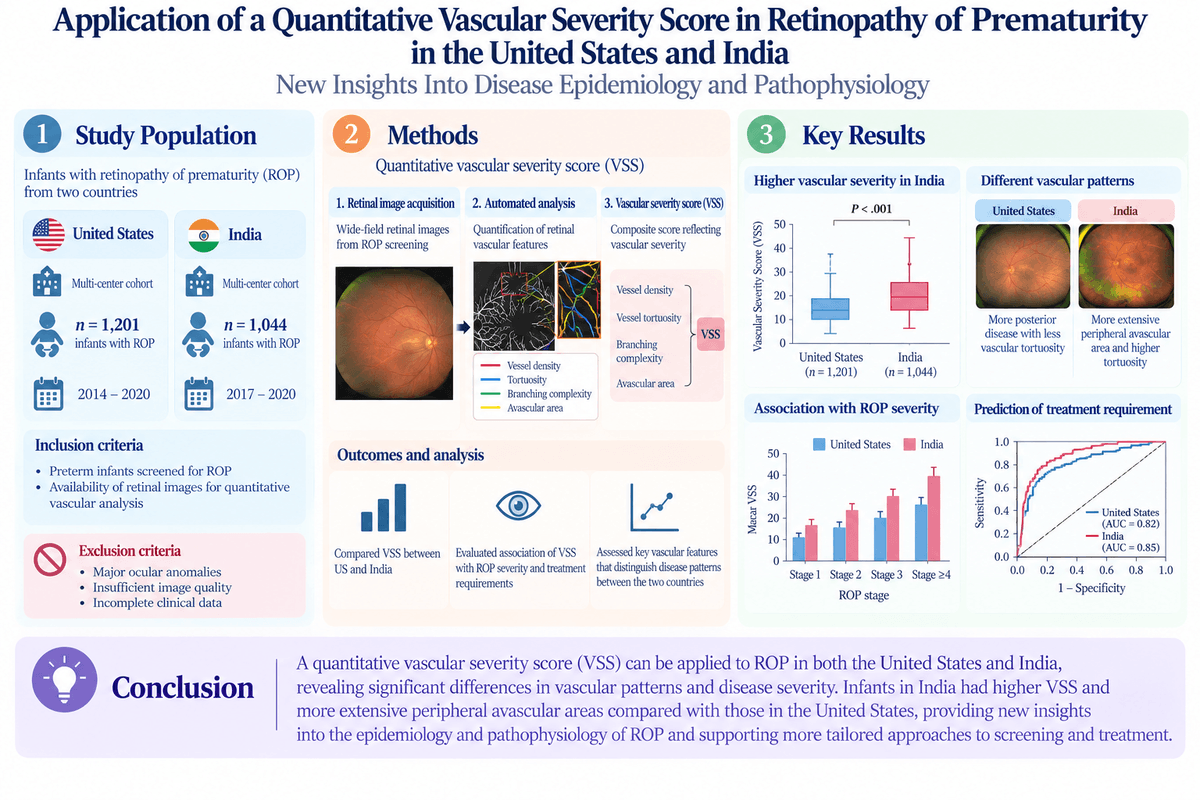
Quantitative Vascular Severity Scoring Enhances Insights into Retinopathy of Prematurity Across Diverse Populations

This study compares retinopathy of prematurity severity in US and Indian infants using an AI-derived vascular severity score, revealing epidemiological and pathophysiological differences that could impact diagnosis and management globally.

Oct 27, 2026
Superintelligence

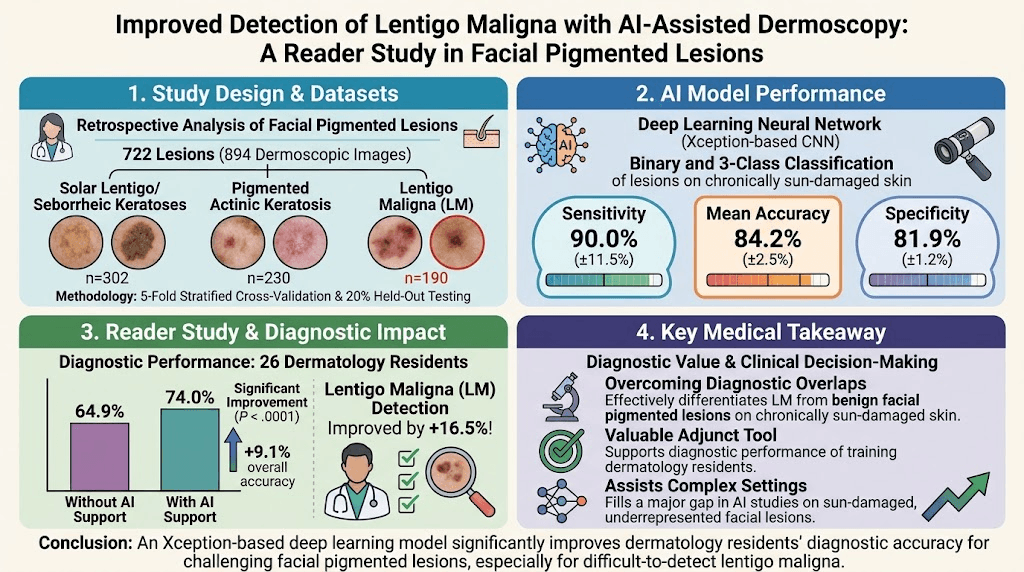
Enhancing Lentigo Maligna Detection with AI-Assisted Dermoscopy: A Clinical Reader Study on Facial Pigmented Lesions

A deep learning model significantly improves lentigo maligna detection and dermatology resident diagnostic accuracy when applied to dermoscopic images of facial pigmented lesions, underscoring AI’s adjunctive role in clinical dermatol

Oct 27, 2026
Superintelligence

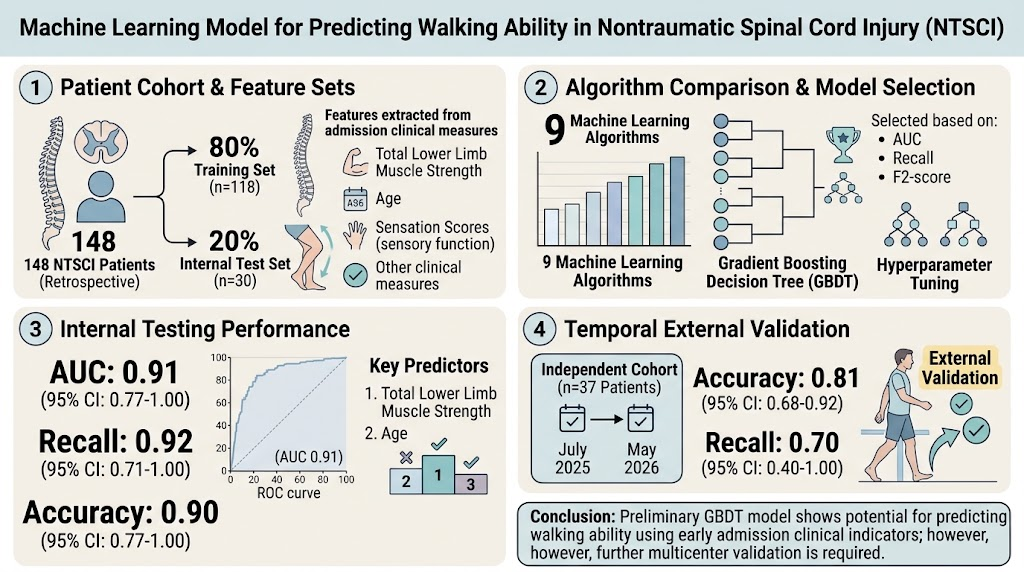
Predicting Walking Ability in Nontraumatic Spinal Cord Injury Using Machine Learning: A Novel Temporal Validation Study

A new machine learning model predicts post-rehabilitation walking ability in nontraumatic spinal cord injury patients with high accuracy, aiding early clinical decision-making and rehabilitation planning.

Oct 26, 2026
Superintelligence

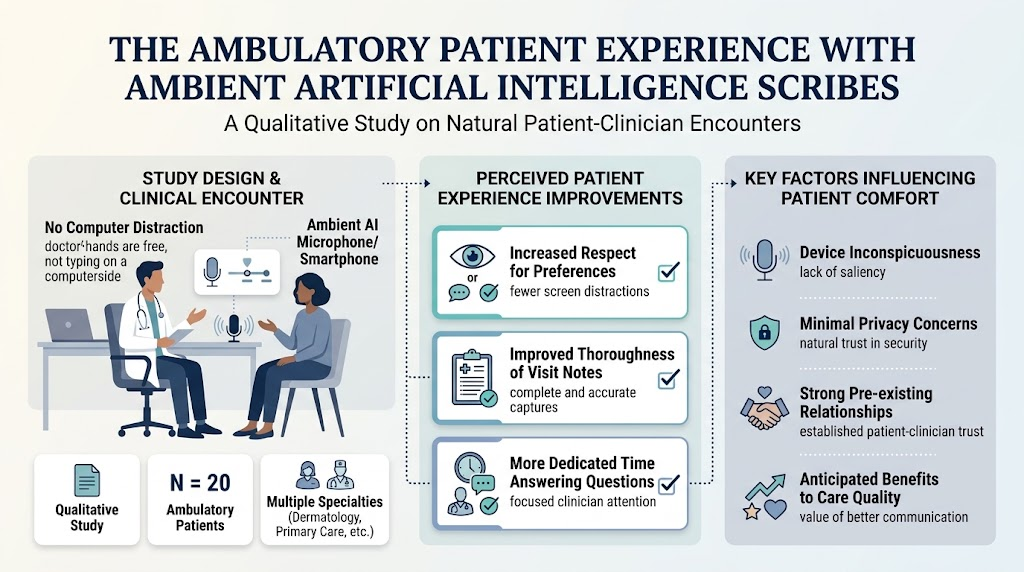
Enhancing Ambulatory Care: Patient Experiences with Ambient AI Scribes

This qualitative study explores how ambient AI scribes affect ambulatory patient experience, revealing improvements in communication, visit thoroughness, and patient comfort influenced by demographic and relational factors.

Oct 25, 2026
Superintelligence

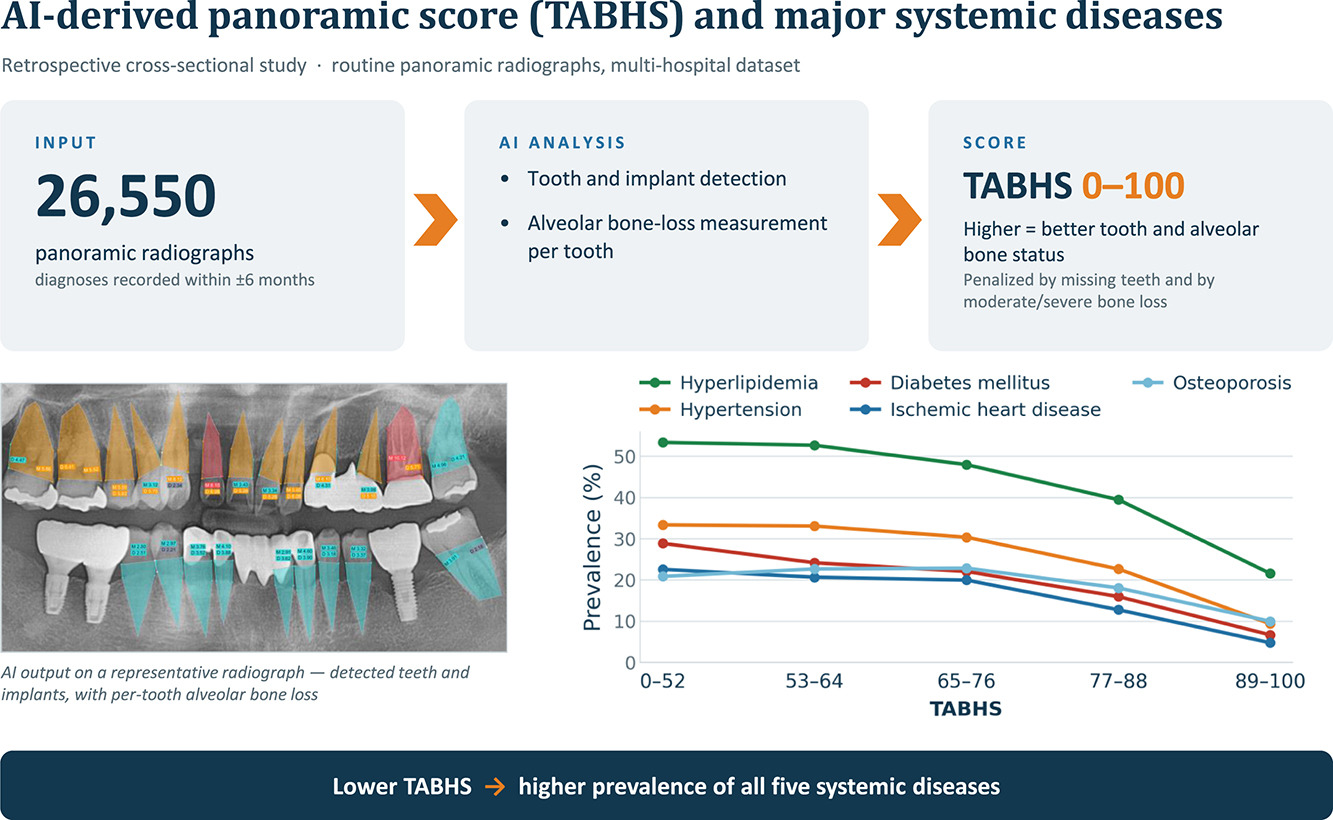
AI-Derived Panoramic Radiograph Score Links Oral Health to Major Systemic Diseases

An AI-generated panoramic dental imaging score correlates independently with diabetes, hypertension, ischemic heart disease, osteoporosis, and hyperlipidemia, supporting integrated medical-dental care.

Oct 24, 2026
Superintelligence

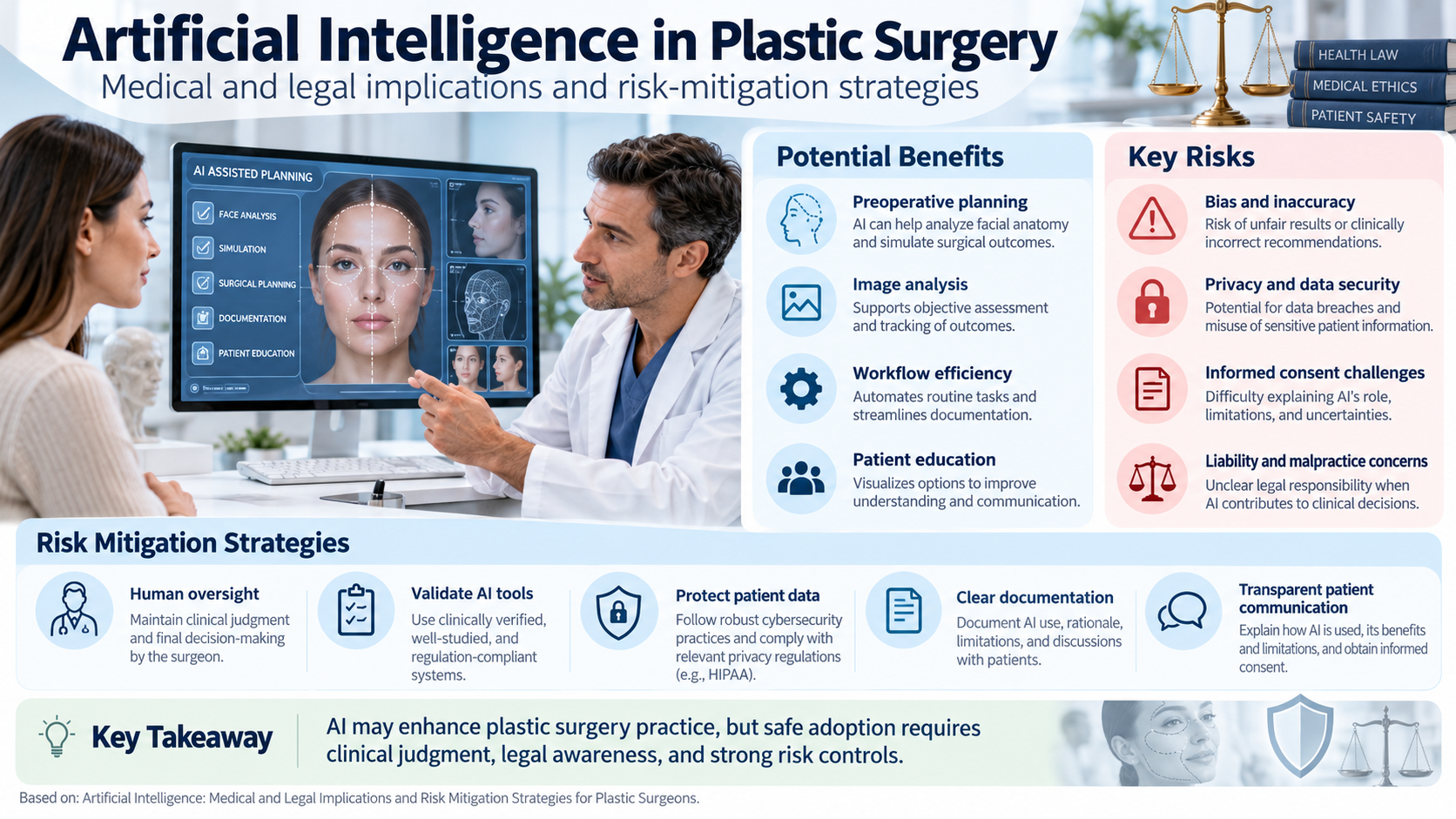
Navigating the Future: Medical and Legal Implications of Artificial Intelligence in Plastic Surgery

This article explores the expanding role of artificial intelligence in plastic surgery, detailing medical benefits, legal risks, and strategies for risk mitigation to protect patients and practitioners.

Oct 23, 2026
Superintelligence

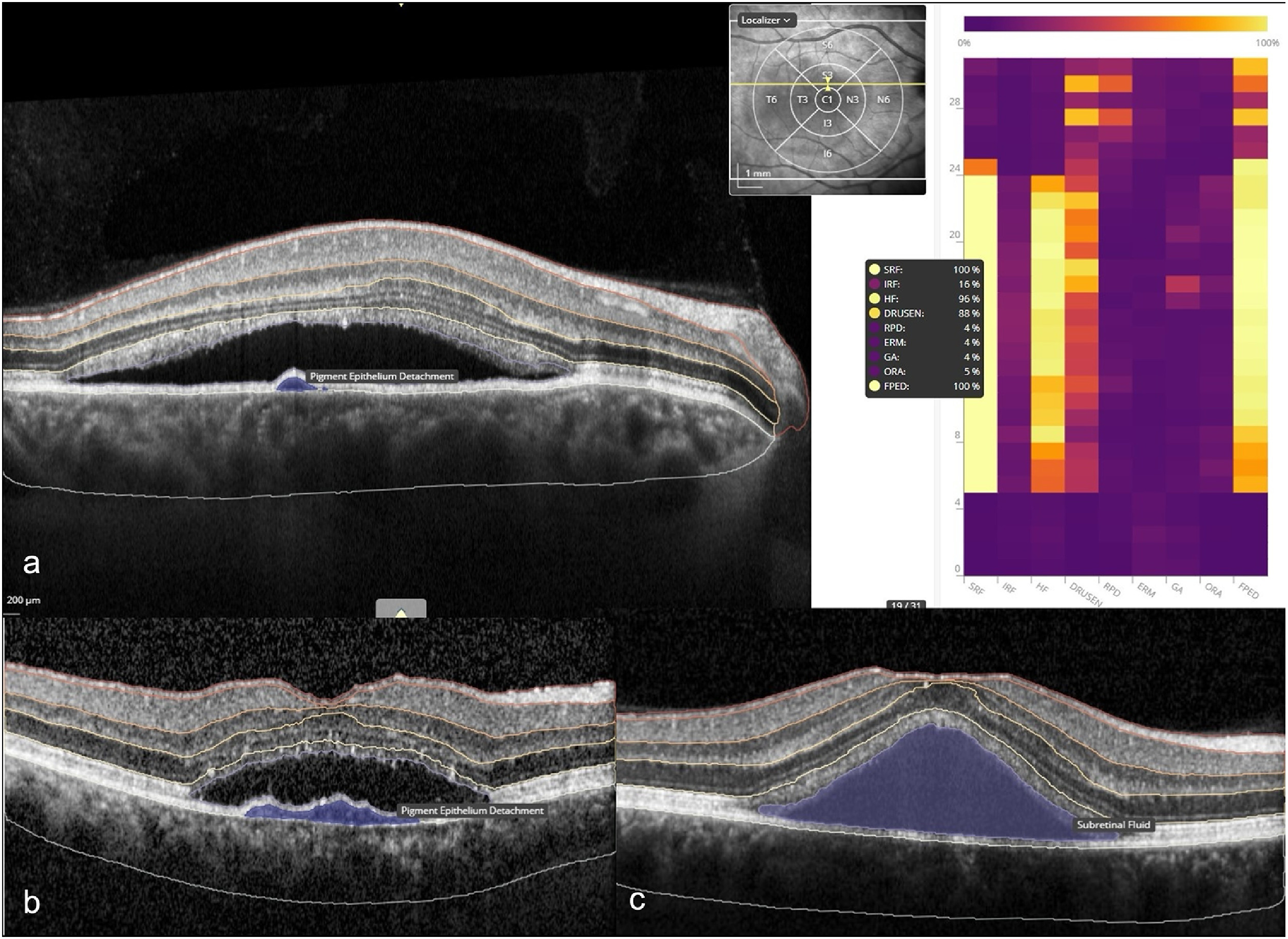
Predicting Central Serous Chorioretinopathy Outcomes Using Interpretable AI-Driven OCT Biomarkers: Insights from a Multicenter Cohort Study

A multicenter study demonstrates that interpretable machine learning applied to baseline OCT biomarkers accurately predicts chronicity in central serous chorioretinopathy, facilitating early risk stratification and personalized management.

Oct 21, 2026
Superintelligence

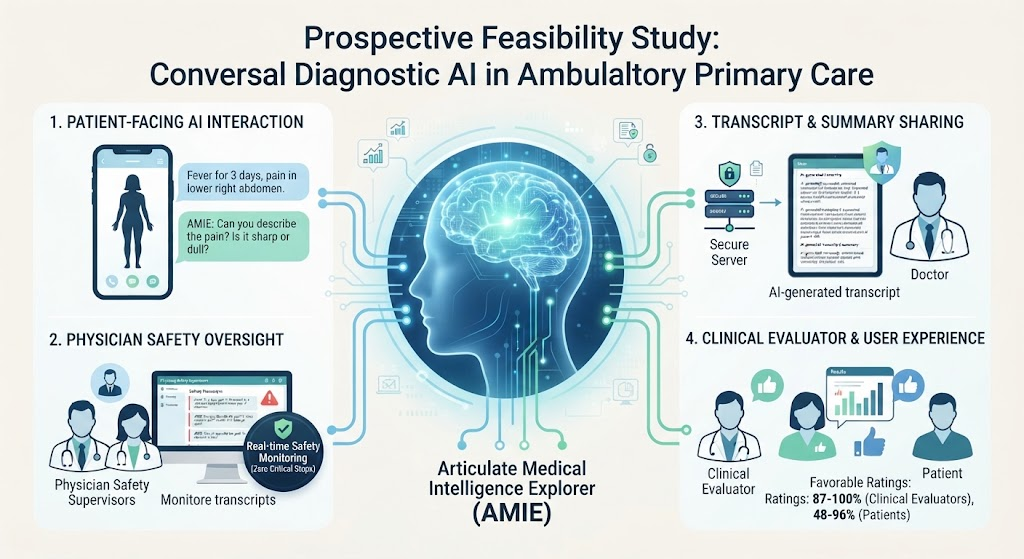
Evaluating Conversational AI in Urgent Primary Care: A Prospective Feasibility Study of the Articulate Medical Intelligence Explorer

This study assesses the safety, quality, and user acceptance of a conversational AI system aiding urgent primary care by engaging patients before appointments, demonstrating promising feasibility for clinical integration.

Oct 18, 2026
General Surgery

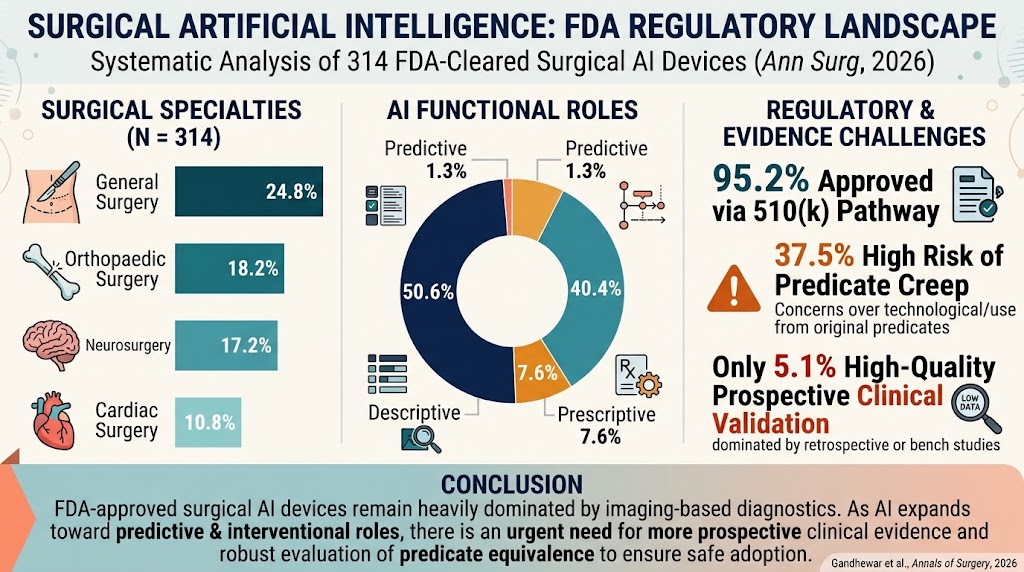
Navigating the Landscape of FDA-Approved Surgical AI Devices: Innovation, Evidence, and Regulatory Challenges

This article analyzes FDA-approved surgical AI devices, highlighting trends in technology, evidence quality, regulatory pathways, and implications for clinical adoption.

Oct 16, 2026
news

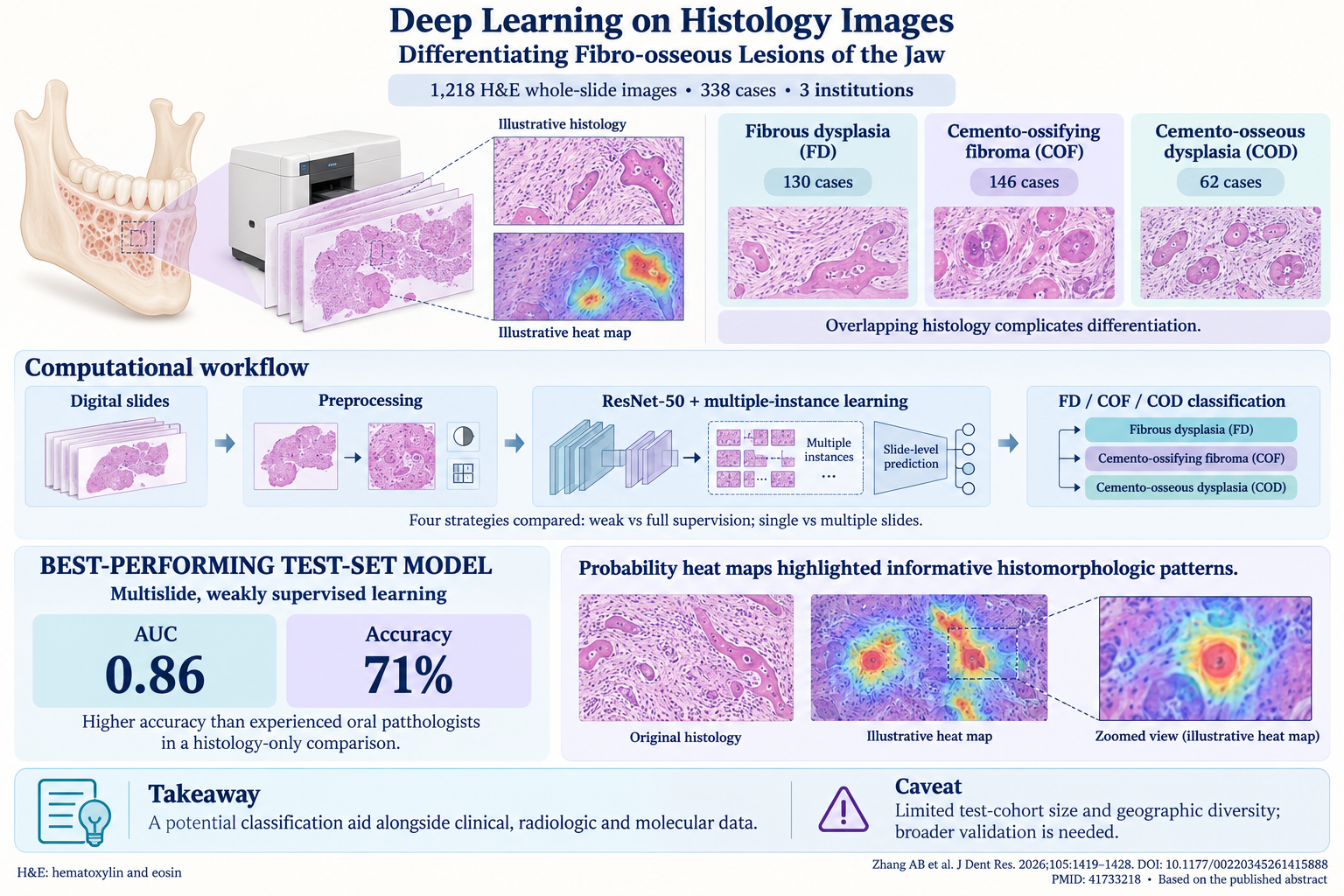
Harnessing Deep Learning for Accurate Differentiation of Fibro-Osseous Jaw Lesions

A novel deep learning model significantly improves diagnostic accuracy in distinguishing fibro-osseous jaw lesions (FD, COF, COD) from histology images, outperforming expert pathologists and offering a promising diagnostic support tool.

Oct 16, 2026
Clinical Updates

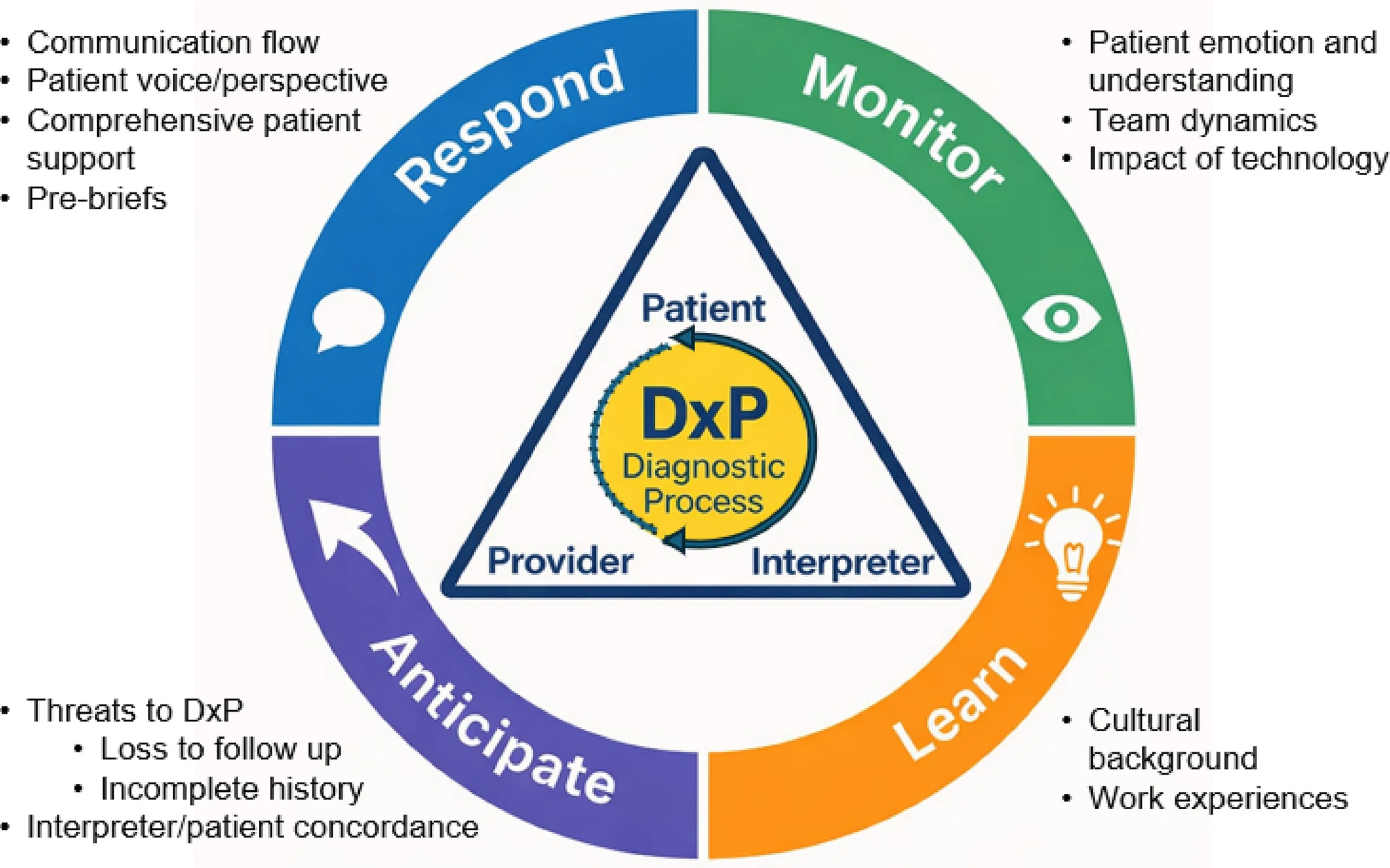
The Role of Medical Interpreters in Enhancing Resilience and the Challenges for Artificial Intelligence Integration

This review synthesizes evidence on medical interpreters’ critical roles in supporting resilience for non-English language preference patients during ambulatory diagnostic care, highlighting gaps and implications for AI interpretation

Oct 15, 2026
news

AI-Assisted Video Monitoring Revolutionizes Care for Tracheostomy-Dependent Infants: A Proof-of-Concept Evaluation

This study demonstrates promising accuracy of a patient-personalized AI system in detecting tracheostomy tube status and infant distress via video monitoring, highlighting potential for enhanced, continuous surveillance in high-risk infants

Oct 14, 2026
General Surgery

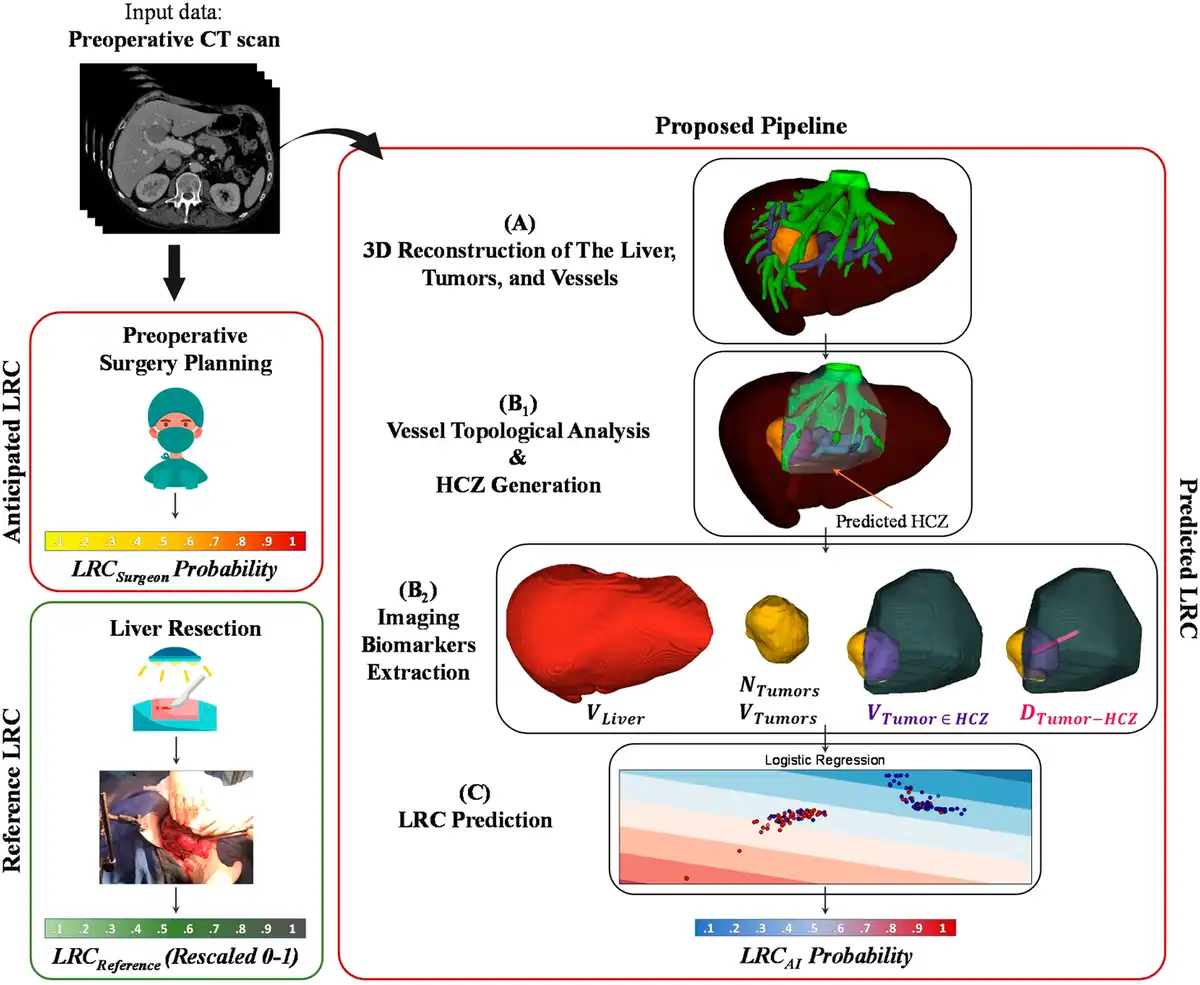
AI-Driven 3D Liver Modeling Enhances Prediction of Liver Resection Complexity from Preoperative CT Scans

An AI-based automatic 3D virtual liver modeling tool accurately predicts intraoperative liver resection complexity (LRC) from preoperative CT scans, outperforming surgeons’ assessments and potentially improving surgical planning and p

Oct 7, 2026Sign in to read
Superintelligence

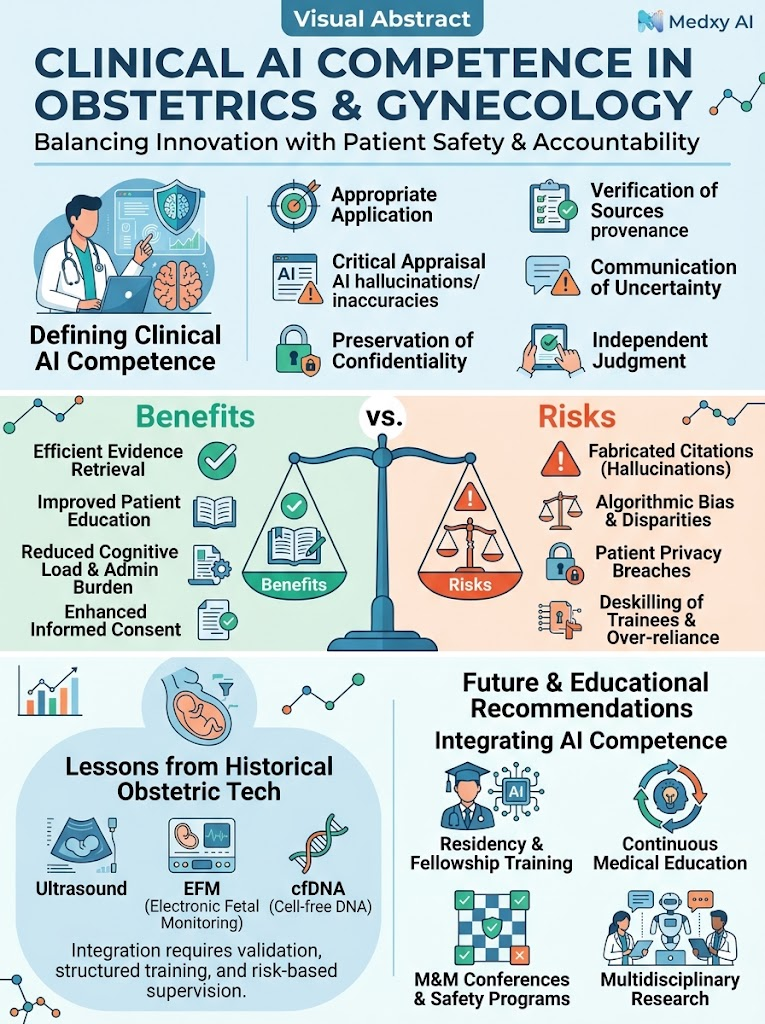
Clinical AI Competence in Obstetrics and Gynecology: Balancing Innovation with Patient Safety and Accountability

The integration of artificial intelligence in obstetrics and gynecology necessitates clinical competence to ensure patient safety, verify outputs, and maintain physician accountability. Structured training and evaluation are essential for r

Oct 6, 2026
Superintelligence

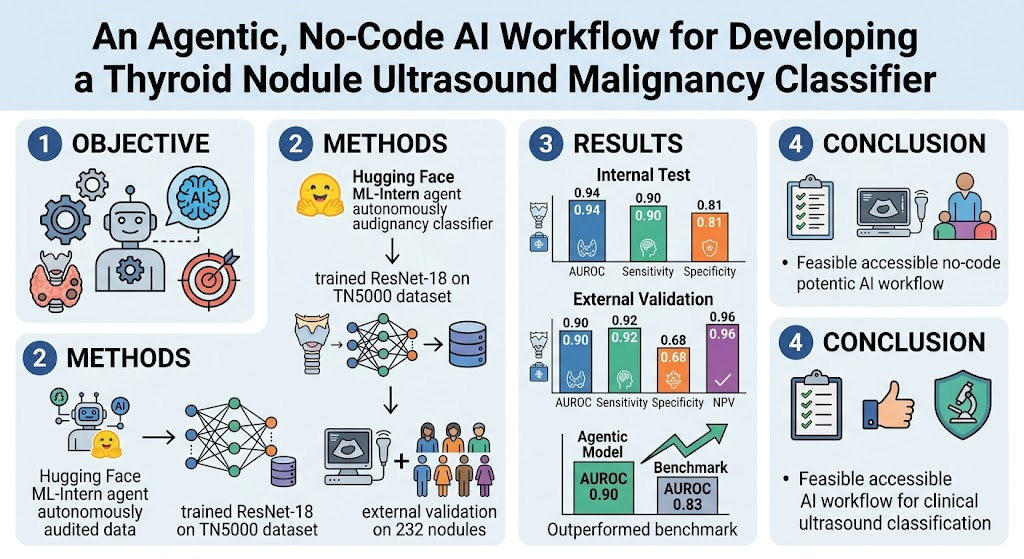
Harnessing No-Code AI for Thyroid Nodule Ultrasound Malignancy Classification: A Leap Toward Accessible and Reproducible Medical AI

A no-code, agentic AI workflow successfully developed and externally validated a calibrated thyroid nodule malignancy classifier, demonstrating strong diagnostic performance across multiple cancer histologies and enhancing accessibility in

Oct 4, 2026
Superintelligence

Enhancing Hospital Discharge Prediction with Optimized Large Language Models: A Retrospective Cohort Study

This study evaluates large language model (LLM) performance for predicting same-day hospital discharge, identifies primary error sources, and demonstrates that automated prompt optimization significantly improves predictive accuracy.

Oct 1, 2026
1 / 10
123…10
Next

Go deeper with MedXY AI

Explore the evidence behind the news.

Ask AI
MedXY briefing

Stay informed

Medical news and research updates, delivered to your inbox.