We use cookies

Our website uses essential cookies and, with your consent, additional cookies to measure performance and improve our services. Cookie Policy.

You can change your choice at any time.

MMedXYNews
HomeVideos
© 2026 MedXY
Contact usAbout usPrivacy PolicyMedXY story
MedXY AI/MedXY News/Gastroenterology

Gastroenterology

Ask MedXY AI
What is the latest evidence?Key clinical updatesGuideline changes

Latest news

Gut Microbiota as a Key Determinant of Quality of Life Impairment in Inflammatory Bowel Disease
Gastroenterologygut microbiotainflammatory bowel disease

Gut Microbiota as a Key Determinant of Quality of Life Impairment in Inflammatory Bowel Disease

By MedXY|Oct 9, 2025

A recent cross-sectional study reveals that alterations in gut microbiota correlate more strongly with impaired health-related quality of life in IBD patients than clinical disease activity, suggesting novel microbial therapeutic targets be

FDA Approves Golimumab (Simponi) for Pediatric Ulcerative Colitis: A New Therapeutic Option
GastroenterologyGolimumab

FDA Approves Golimumab (Simponi) for Pediatric Ulcerative Colitis: A New Therapeutic Option

By MedXY|Oct 8, 2025

The FDA has approved golimumab (Simponi) for treating moderately to severely active ulcerative colitis in children weighing at least 15 kg, based on the PURSUIT 2 phase 3 study demonstrating significant clinical remission and safety.

Menopausal Hormone Therapy and Reduced Risk of Upper Gastrointestinal Cancers: Insights From a Large Nordic Population Study
GastroenterologyEsophageal CancerGastric Cancer

Menopausal Hormone Therapy and Reduced Risk of Upper Gastrointestinal Cancers: Insights From a Large Nordic Population Study

By MedXY|Oct 9, 2025

A large Nordic study finds menopausal hormone therapy reduces the risk of esophageal and gastric cancers by up to 30%, especially with combined estrogen-progestin systemic formulations.

Revisiting Rehydration Strategies in Severe Acute Malnutrition with Gastroenteritis: Intravenous Versus Oral Approaches
Gastroenterologygastroenteritis

Revisiting Rehydration Strategies in Severe Acute Malnutrition with Gastroenteritis: Intravenous Versus Oral Approaches

By MedXY|Oct 6, 2025

A recent trial assessing intravenous versus oral rehydration in children with severe acute malnutrition and gastroenteritis found no mortality difference at 96 hours, challenging fears of fluid overload and supporting cautious consideration

Primary Sclerosing Cholangitis in a 45-Year-Old Male: A Case Report
Gastroenterologycase reportdiagnosis

Primary Sclerosing Cholangitis in a 45-Year-Old Male: A Case Report

By MedXY|Oct 6, 2025

A 45-year-old male presents with cholestatic liver enzyme elevation and pruritus, diagnosed with primary sclerosing cholangitis confirmed by imaging and liver biopsy. Clinical management and prognosis are discussed.

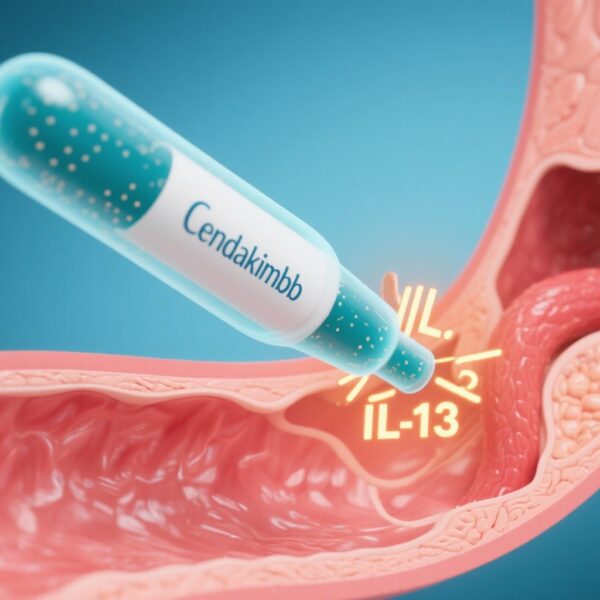
Cendakimab: A Promising Therapeutic for Eosinophilic Esophagitis in Adolescents and Adults
GastroenterologyCendakimabEosinophilic Esophagitis

Cendakimab: A Promising Therapeutic for Eosinophilic Esophagitis in Adolescents and Adults

By MedXY|Oct 9, 2025

Cendakimab, a monoclonal antibody targeting IL-13, shows significant improvements in symptoms, histologic response, and endoscopic features in eosinophilic esophagitis, with a tolerable safety profile through 48 weeks.

Decoding the Role of Reflux Secondary Bile Acids in Barrett’s Esophagus: Microbiome and Transcriptome Insights
Clinical UpdatesBarrett's esophagusbile acids

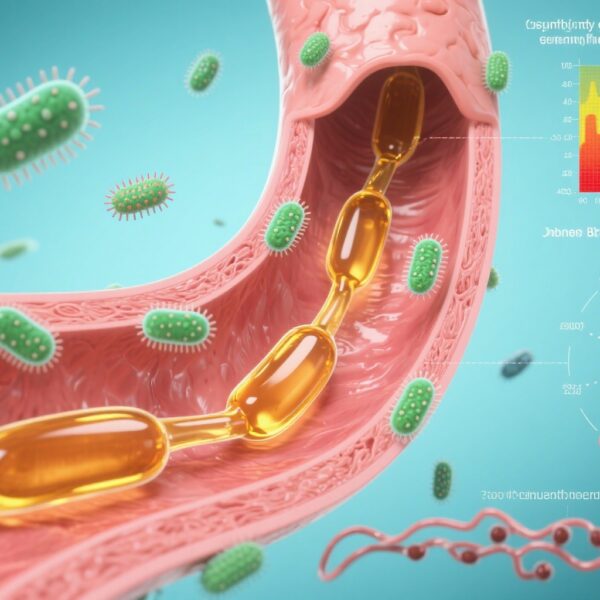
Decoding the Role of Reflux Secondary Bile Acids in Barrett’s Esophagus: Microbiome and Transcriptome Insights

By MedXY|Oct 9, 2025

This study reveals that elevated reflux secondary bile acids in Barrett’s esophagus influence the esophageal microbiome and gene expression, highlighting potential mechanisms underpinning progression to esophageal adenocarcinoma.

The Withdrawal of OCALIVA: Impact and Implications for Primary Biliary Cholangitis Treatment
GastroenterologyFDAPrimary Biliary Cholangitis

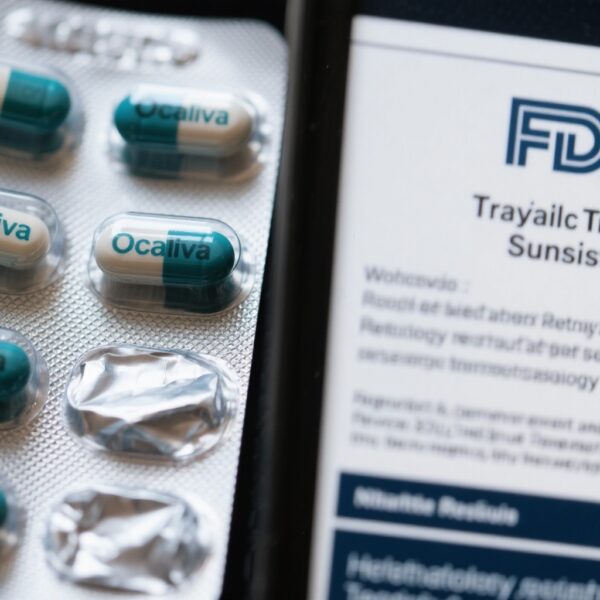
The Withdrawal of OCALIVA: Impact and Implications for Primary Biliary Cholangitis Treatment

By MedXY|Oct 8, 2025

Intercept Pharmaceuticals withdraws OCALIVA from the US market following FDA demands due to safety concerns and lack of proven efficacy in PBC, prompting suspension of related clinical trials and significant shifts in therapeutic landscape.

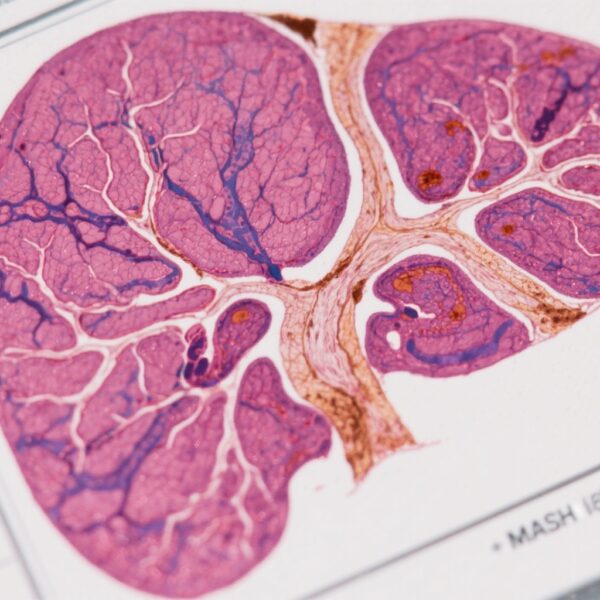
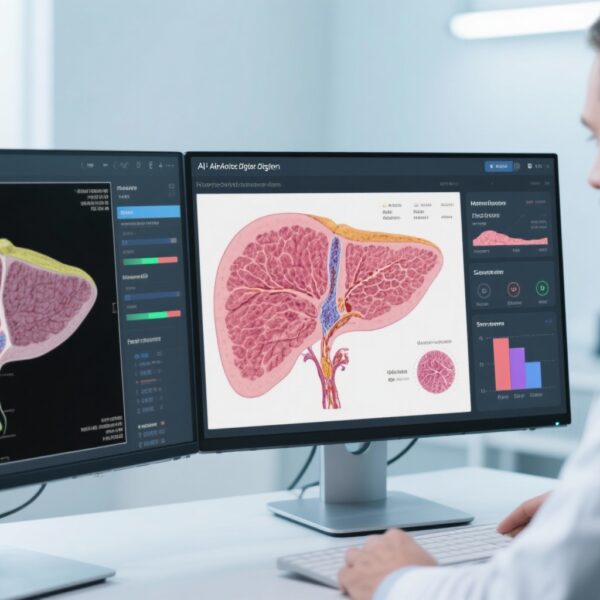
Enhancing Fibrosis Scoring in MASH: The Role of AI-Enhanced Digital Pathology
AIclinical trialsfibrosis

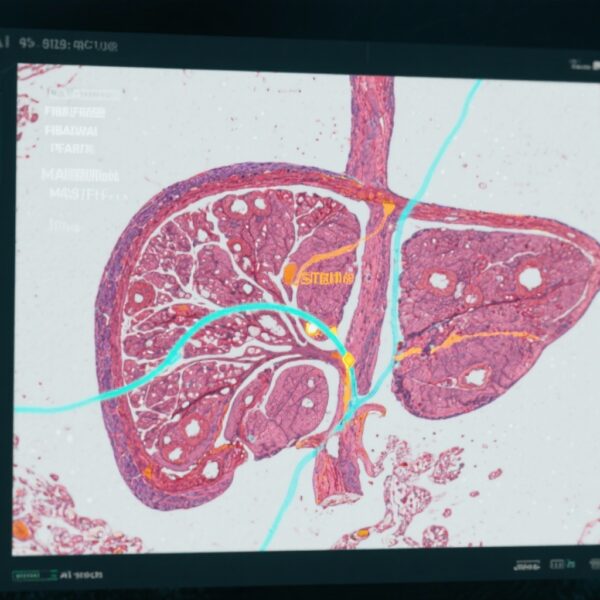
Enhancing Fibrosis Scoring in MASH: The Role of AI-Enhanced Digital Pathology

By MedXY|Oct 8, 2025

AI-assisted digital pathology improves inter-pathologist agreement on fibrosis staging in metabolic dysfunction-associated steatohepatitis (MASH), enhancing clinical trial accuracy and efficiency.

HEC88473 Dual GLP-1/FGF21 Agonist: Advancing Treatment for MASLD and T2DM with Promising Safety and Efficacy
Clinical UpdatesFGF21GLP-1

HEC88473 Dual GLP-1/FGF21 Agonist: Advancing Treatment for MASLD and T2DM with Promising Safety and Efficacy

By MedXY|Oct 8, 2025

A phase Ib/IIa trial demonstrated that HEC88473, a novel GLP-1/FGF21 dual agonist, is generally safe, effectively reduces liver fat, and improves glycemic and lipid profiles in MASLD patients with type 2 diabetes within five weeks of treatm

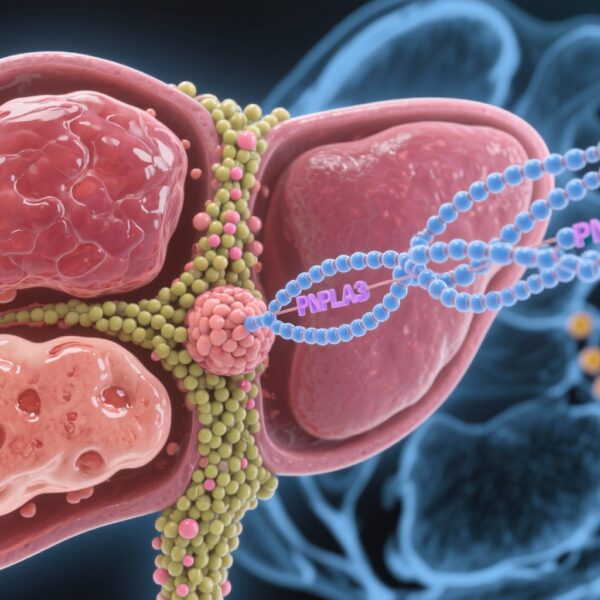
AZD2693: Targeting PNPLA3 148M Variant as a Precision Therapy for Metabolic Steatohepatitis
Clinical UpdatesAntisense oligonucleotideMASH

AZD2693: Targeting PNPLA3 148M Variant as a Precision Therapy for Metabolic Steatohepatitis

By MedXY|Oct 8, 2025

AZD2693, a liver-directed antisense oligonucleotide, safely reduces PNPLA3 expression and liver fat in homozygous PNPLA3 148M carriers with metabolic dysfunction-associated steatohepatitis, signaling promise for precision treatment in this

Rapirosiran: A Promising RNAi Therapy Targeting HSD17B13 in Metabolic Dysfunction-Associated Steatohepatitis
Clinical UpdatesHSD17B13metabolic dysfunction-associated steatohepatitis

Rapirosiran: A Promising RNAi Therapy Targeting HSD17B13 in Metabolic Dysfunction-Associated Steatohepatitis

By MedXY|Oct 8, 2025

This phase I study evaluates rapirosiran, an RNA interference therapeutic targeting HSD17B13, demonstrating safety, tolerability, and significant liver mRNA reduction in patients with metabolic dysfunction-associated steatohepatitis (MASH).

The THEMATIC Trial: Advancing Microbiota Transplantation to Prevent Hepatic Encephalopathy Recurrence in Cirrhosis
Clinical Updatescirrhosisfecal microbiota transplantation

The THEMATIC Trial: Advancing Microbiota Transplantation to Prevent Hepatic Encephalopathy Recurrence in Cirrhosis

By MedXY|Oct 8, 2025

The THEMATIC phase II trial demonstrates that fecal microbiota transplantation (FMT) is safe and reduces HE recurrence in cirrhosis, independent of dose, route, or donor diet, with gut microbiota engraftment linked to clinical outcomes.

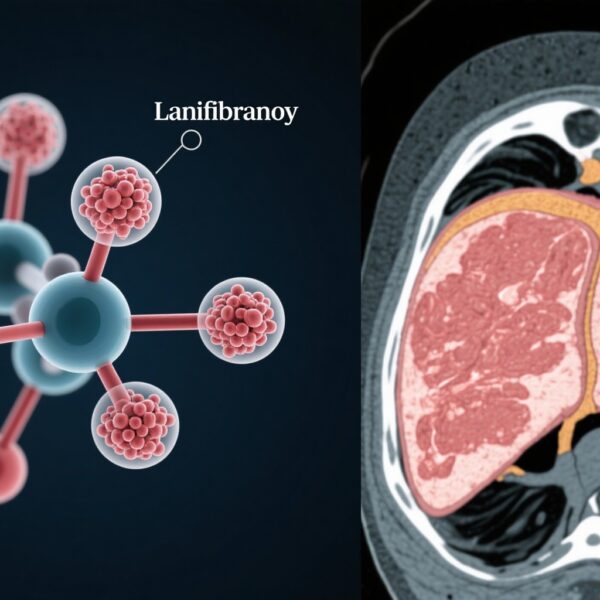
Pan-PPAR Agonist Lanifibranor: A Breakthrough in Improving Insulin Resistance and Hepatic Steatosis in T2D and MASLD Patients
Clinical Updateshepatic steatosisinsulin resistance

Pan-PPAR Agonist Lanifibranor: A Breakthrough in Improving Insulin Resistance and Hepatic Steatosis in T2D and MASLD Patients

By MedXY|Oct 8, 2025

Lanifibranor, a pan-PPAR agonist, significantly reduces liver fat and improves insulin sensitivity at multiple tissue sites in type 2 diabetes patients with MASLD, offering a new therapeutic avenue to address underlying metabolic dysfunctio

Icosabutate in Metabolic Dysfunction-Associated Steatohepatitis: Insights from the Phase IIb ICONA Trial
Clinical UpdatesFFAR1FFAR4

Icosabutate in Metabolic Dysfunction-Associated Steatohepatitis: Insights from the Phase IIb ICONA Trial

By MedXY|Oct 8, 2025

A phase IIb trial of the FFAR1/FFAR4 agonist icosabutate in MASH shows encouraging fibrosis improvement and biomarker responses despite not meeting the primary endpoint, supporting further development.

Icosabutate and FFAR1/FFAR4 Agonism in Metabolic Dysfunction-Associated Steatohepatitis (MASH): Insights from the ICONA Phase IIb Trial
Clinical Updatesclinical trialFFAR1

Icosabutate and FFAR1/FFAR4 Agonism in Metabolic Dysfunction-Associated Steatohepatitis (MASH): Insights from the ICONA Phase IIb Trial

By MedXY|Oct 8, 2025

The phase IIb ICONA trial evaluated icosabutate, a dual FFAR1/FFAR4 agonist, in patients with MASH, showing fibrosis improvement without meeting the primary endpoint, and supporting further development particularly in advanced fibrosis and

Why Losing Weight Can Worsen Fatty Liver Disease: The Crucial Role of Balanced Nutrition
Family Medicine & Nutritiondietliver health

Why Losing Weight Can Worsen Fatty Liver Disease: The Crucial Role of Balanced Nutrition

By MedXY|Oct 8, 2025

Losing weight doesn’t always mean improving fatty liver disease. Discover why strict diets lacking essential proteins can worsen liver health and learn practical dietary strategies to manage and reverse fatty liver effectively.

Dose-Dependent Enhancement of L-Tryptophan-Induced Gut Hormone Secretion and Appetite Suppression by Intraduodenal Calcium in Obesity
Clinical Updatescalciumobesity

Dose-Dependent Enhancement of L-Tryptophan-Induced Gut Hormone Secretion and Appetite Suppression by Intraduodenal Calcium in Obesity

By MedXY|Oct 8, 2025

Intraduodenal calcium at doses up to 1000 mg amplifies the anorexigenic effects of L-tryptophan by boosting gut hormones CCK, GLP-1, and PYY, reducing energy intake in obese males, highlighting a novel adjunctive approach for appetite regul

Enhanced Adenoma Detection in Water Exchange Colonoscopy Using AI: Insights from a Two-Center Randomized Trial
AIAdenoma Detectionartificial intelligence

Enhanced Adenoma Detection in Water Exchange Colonoscopy Using AI: Insights from a Two-Center Randomized Trial

By MedXY|Oct 7, 2025

A multicenter trial demonstrated that integrating AI-based computer-aided detection with water exchange colonoscopy significantly increases adenomas per colonoscopy without prolonging procedure time or increasing non-neoplastic lesion detec

AI-Assisted Optical Diagnosis in Colonoscopy: Ensuring Safety While Reducing Unnecessary Polypectomies
AIAdenoma Detection Rateartificial intelligence

AI-Assisted Optical Diagnosis in Colonoscopy: Ensuring Safety While Reducing Unnecessary Polypectomies

By MedXY|Oct 7, 2025

A randomized trial demonstrates that leaving small non-neoplastic colorectal polyps in situ with AI-assisted optical diagnosis is as safe and effective as systematic removal, supporting less invasive colonoscopy strategies.

Prev
24 / 25
1…22232425
Next
Ask MedXY AI

Most popular

Intimate Health
Five Benefits for Women Continuing Sexual Activity After Menopause
Intimate Health
Why Some Women Have a Strong Sex Drive—And Why Men Shouldn't Worry About It
Nursing & care
How often should a couple have sex?
Intimate Health
Classic Intimacy Recommendations: How to Help Women Reach Orgasm and Enjoy Mutual Pleasure
Intimate Health
What Makes a Woman "Physiologically Addicted" Is Never Money, But These Two Relationship Qualities

Browse by specialty

Open language-specific specialty feeds and department pages.

news6629 articlesCardiology1375 articlesClinical Updates1288 articlesOncology1139 articlesDiabetes & Endocrinology842 articlesNeurology820 articlesPublic Health595 articlesGastroenterology572 articles
Hematology-Oncology
487 articles
Pediatrics484 articles
Internal Medicine444 articles