Berberine - Uses, benefit and Side Effects
Berberine is a naturally occurring chemical compound extracted from various plants within the Berberis genus, including goldenseal, barberry, and Oreg
Our website uses essential cookies and, with your consent, additional cookies to measure performance and improve our services. Cookie Policy.
You can change your choice at any time.

Berberine is a naturally occurring chemical compound extracted from various plants within the Berberis genus, including goldenseal, barberry, and Oreg

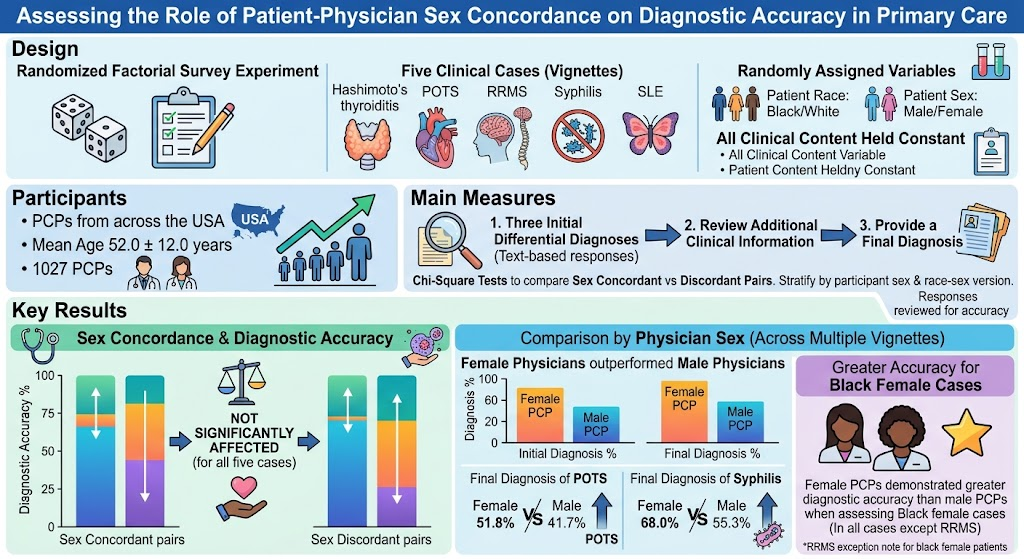
This study found that patient-physician sex concordance does not influence diagnostic accuracy in primary care, but female physicians consistently outperform male counterparts in diagnosing complex conditions such as POTS and syphilis, high

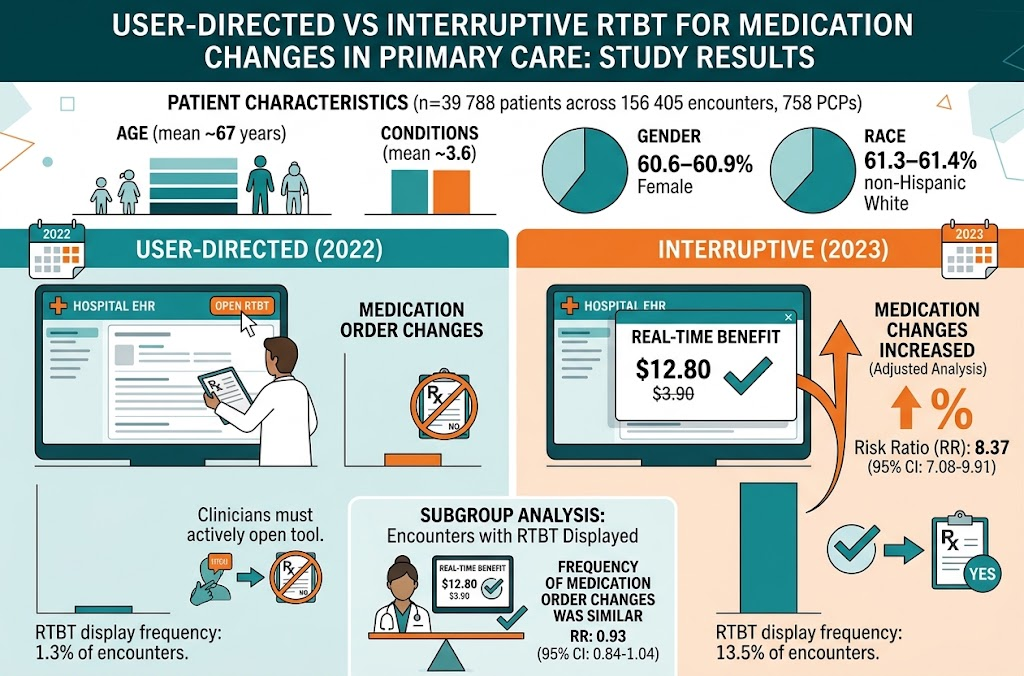
This article explores primary care providers’ perspectives on real-time benefit tools (RTBTs) embedded in electronic health records, highlighting their potential for cost-conscious prescribing amidst challenges like incomplete data an

In traditional perception, female menopause is often viewed as a sign of aging, or even as the endpoint of a couple's "sexual life." Many people assum

She sat across from me, running her fingers along the rim of her coffee cup, and suddenly said, "Did you know we've been together for three years, and

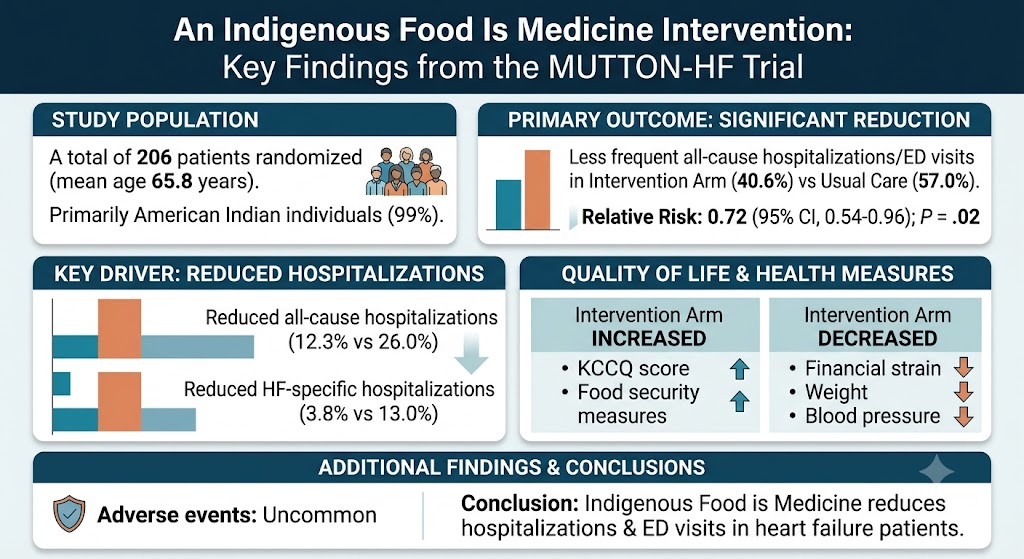
In a randomized trial among Navajo patients with heart failure, an 8-week culturally tailored meal program reduced all-cause hospitalization or ED visits by 28% compared with usual dietary advice, with improvements in quality of life and food security.

Menaquinone-7 (MK-7) supplementation over two years significantly slows progression of coronary artery calcification (CAC) in symptomatic coronary artery disease patients, with favorable safety and potential implications for plaque stabiliz

A novel conversation aid was developed and refined iteratively with patients and physicians to support shared decision-making for low carbon footprint inhaler prescribing in asthma and COPD, balancing environmental impact with safety and pa

A large primary care trial found that a combined patient- and GP-focused deprescribing intervention safely reduced long-term proton pump inhibitor use more effectively than usual care or GP-only education.

In rural Germany, GP-based teleneurology reduced direct neurology referrals but increased referrals to other specialists and hospitals, suggesting better triage rather than substitution of secondary care.

A prospective cohort study suggests that differentiated thyroid cancer patients with sustained excellent response after at least 5 years of specialist follow-up can be safely transitioned to primary care with very low recurrence risk.

A new Dutch study suggests e-consults may not dramatically cut hospital referrals overall, but they still offer important benefits when used in the right patients, specialties, and workflows.

A randomized trial found that rapid respiratory point-of-care testing did not reduce same-day antibiotic prescribing in primary care, though it was safe and may help when a virus is detected.

Reduced visit time pressure in primary care was linked to slightly more diagnoses, prescriptions, and diagnostic testing, especially for patients with multiple chronic conditions. The study highlights how appointment scheduling can influenc

A national analysis of US office visits found that obesity counseling remains uncommon, with only 40.1% of visits including any counseling and 12.2% including weight, diet, and exercise advice together.

A randomized clinical trial found that dementia screening for family members of older adults did not improve quality of life or caregiver preparedness, nor did it increase depression or anxiety.

A cross-sectional evaluation of AI-generated clinical notes found significant quality deficits compared to human-produced notes, particularly in thoroughness, organization, and usefulness.

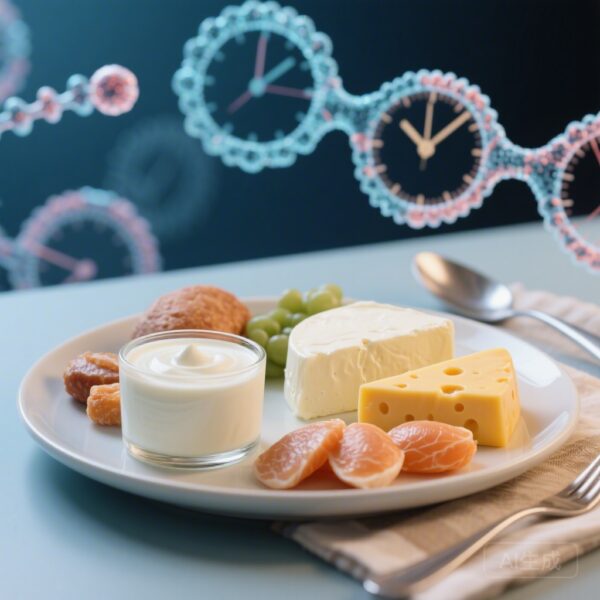
A randomized crossover trial demonstrates that a dairy-enriched diet with high-protein breakfast and early daytime carbohydrate restriction significantly upregulates circadian clock genes (BMAL1, REV-ERBα, CRY1), improves glycemic metrics i

The PACE-It pilot program demonstrates that integrating health and social care via multidisciplinary teams and technology significantly improves glycemic control, lipid management, and patient activation for individuals with complex needs,

A pilot randomized controlled trial demonstrates that the PACE-It program, an integrated multidisciplinary team utilizing technology-assisted communication, significantly improves glycemic control, lipid management, and patient activation i
Open language-specific specialty feeds and department pages.