MMedXYNews
Ask AIHomeVideos
© 2026 MedXY
Contact usAbout usPrivacy PolicyMedXY story
MedXY News/Clinical Updates

Section

Clinical Updates

1,553 articles

Ask AI
All specialtiesClinical UpdatesnewsCardiologyOncologyDiabetes & Endocrinology

Latest updates

Clinical Updates

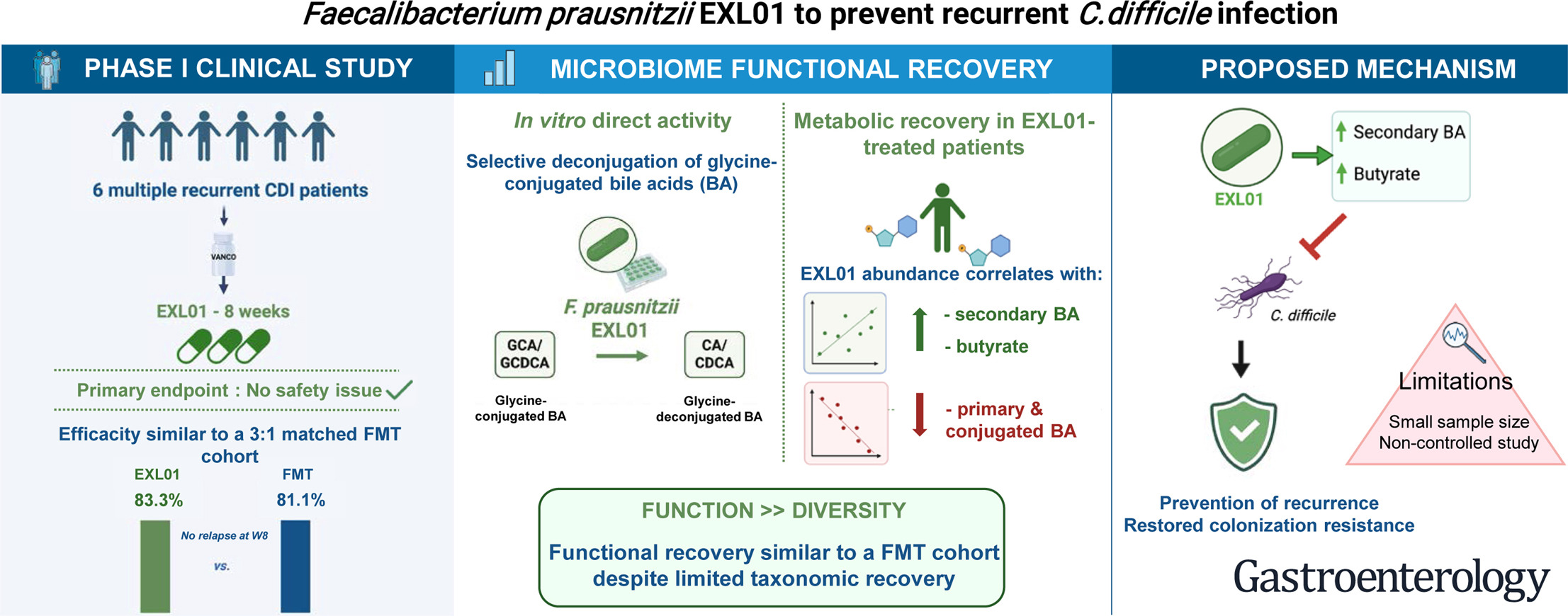
Precision Microbiome Therapeutics: Faecalibacterium prausnitzii EXL01 for Prevention of Multiple-Recurrent Clostridioides difficile Infection

Faecalibacterium prausnitzii EXL01, a single commensal bacterial strain, shows promise in preventing multiple-recurrent CDI by restoring key microbiome functions, including bile acid metabolism and butyrate production, with safety and effic
Sep 21, 2026
Clinical Updates

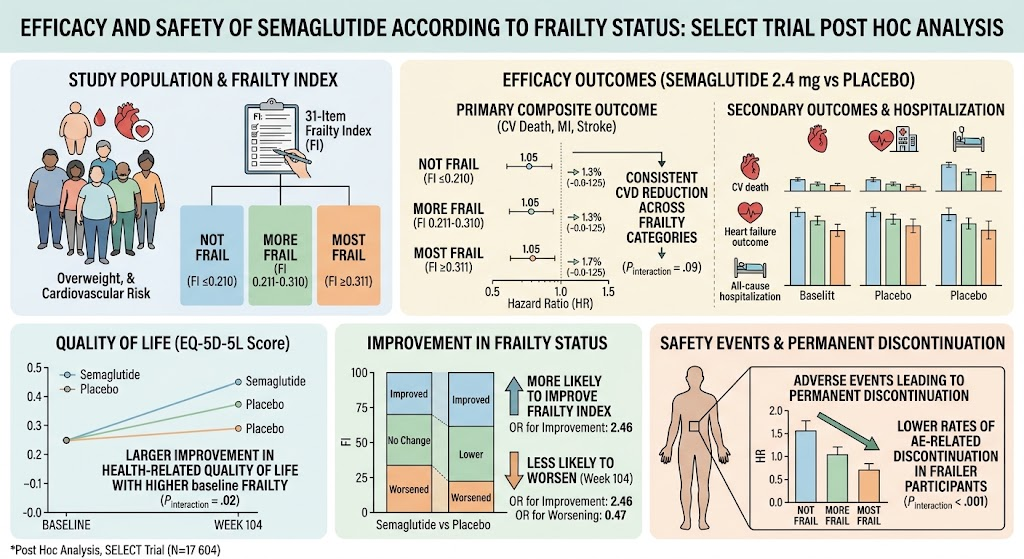
Efficacy and Safety of Semaglutide According to Frailty Status: Insights from the SELECT Randomized Clinical Trial Post Hoc Analysis

Semaglutide demonstrates consistent cardiovascular benefits and safety across frailty levels in overweight adults with cardiovascular disease, enhancing quality of life and frailty status without increased adverse events.

Sep 21, 2026
Cardiology

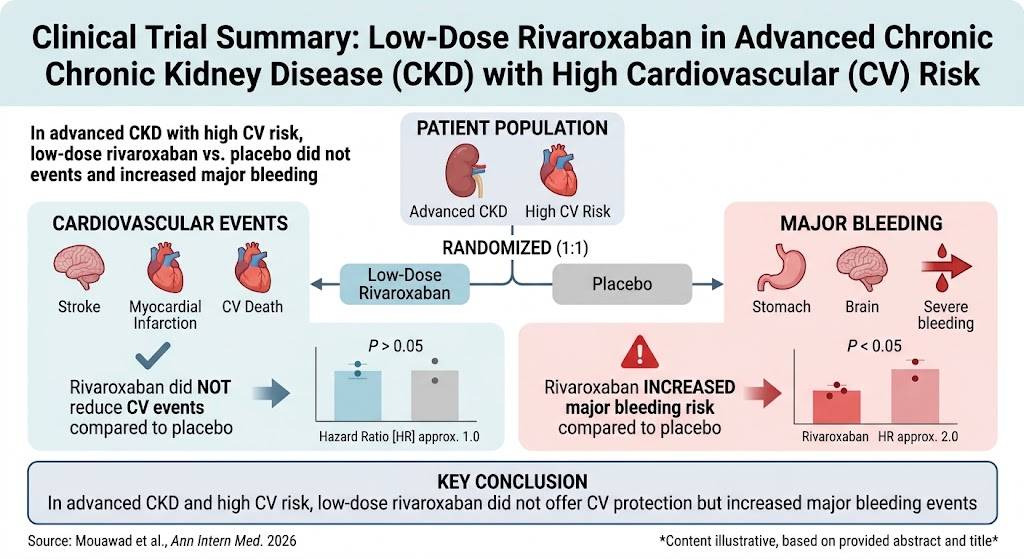
Efficacy and Safety of Low-Dose Rivaroxaban in Advanced Chronic Kidney Disease with High Cardiovascular Risk: A Comprehensive Review

Low-dose rivaroxaban failed to reduce cardiovascular events but increased major bleeding in advanced CKD patients at high cardiovascular risk, underscoring the need for cautious anticoagulant use.

Sep 20, 2026Sign in to read
Clinical Updates

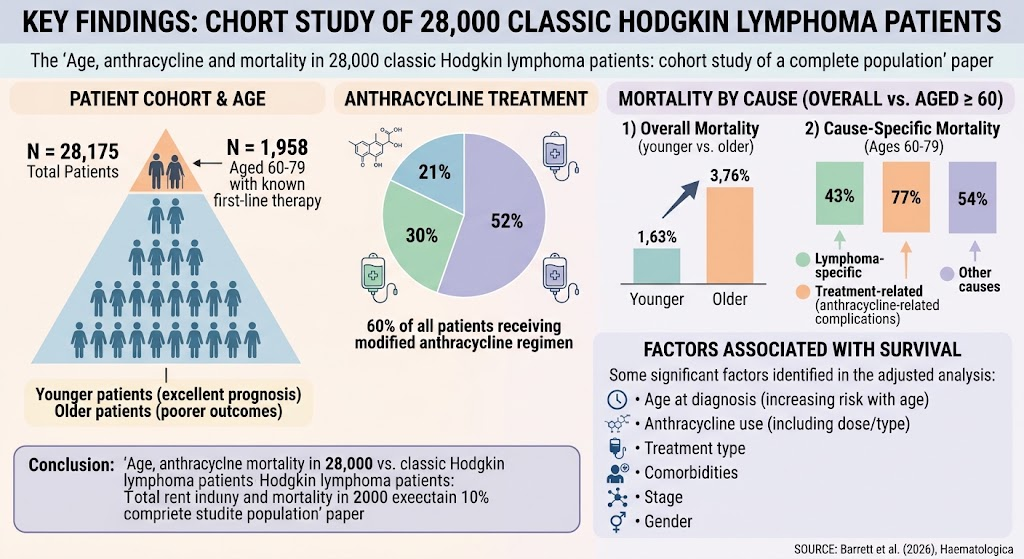
Age, Anthracycline Use, and Mortality Outcomes in Classic Hodgkin Lymphoma: Insights from a Large Complete Population Cohort

This review analyzes the impact of age and anthracycline-based chemotherapy on mortality in 28,000 classic Hodgkin lymphoma patients, highlighting poorer outcomes in the elderly and the therapeutic nuances influencing survival.

Sep 20, 2026
Clinical Updates

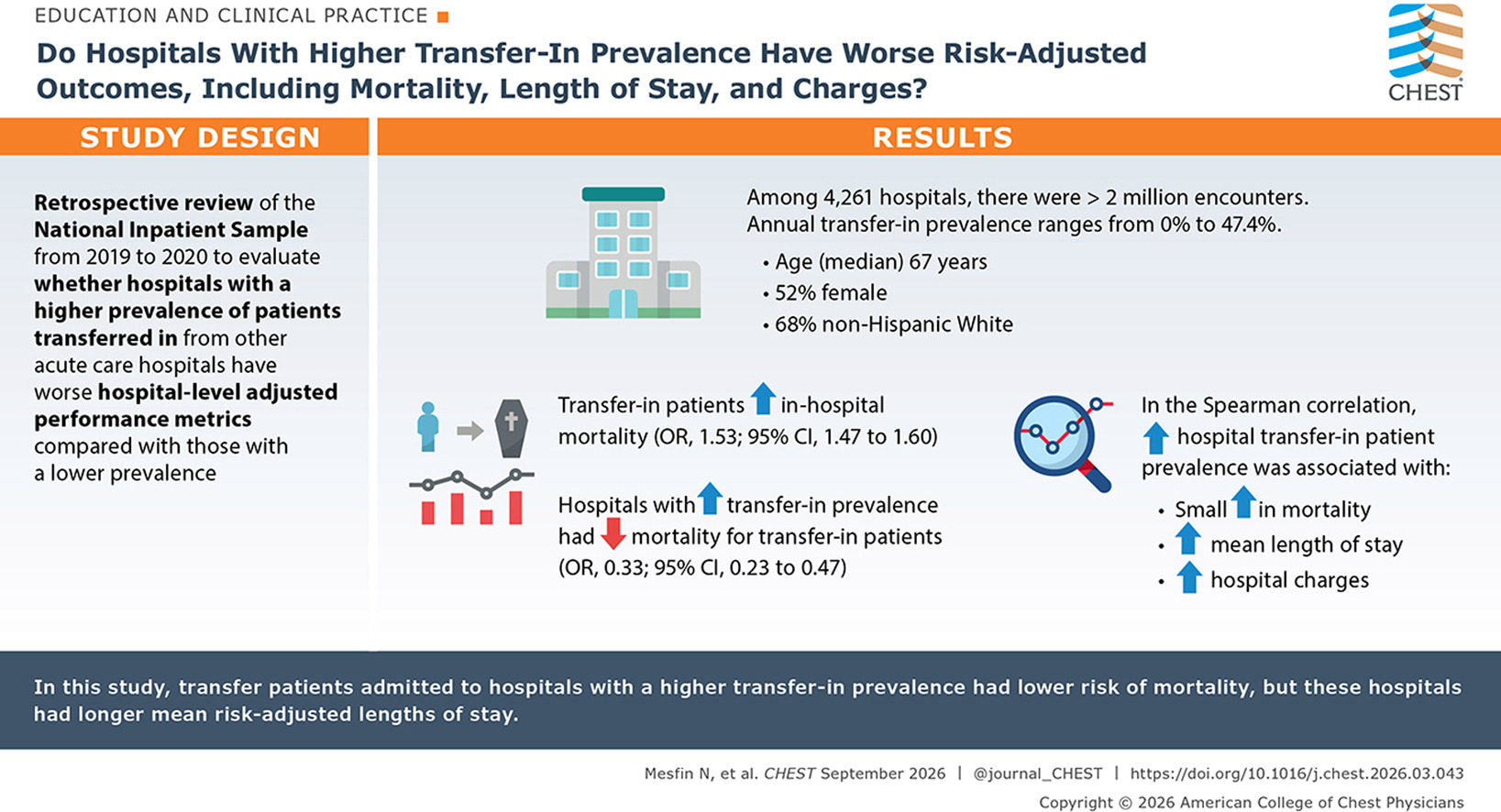
Impact of Hospital Transfer-In Prevalence on Risk-Adjusted Outcomes: Insights from a National Retrospective Cohort Study

This review synthesizes evidence on how hospitals’ prevalence of transfer-in patients relates to risk-adjusted mortality, length of stay, and charges, highlighting complex interplay between patient case mix and hospital performance me

Sep 20, 2026Sign in to read
Clinical Updates

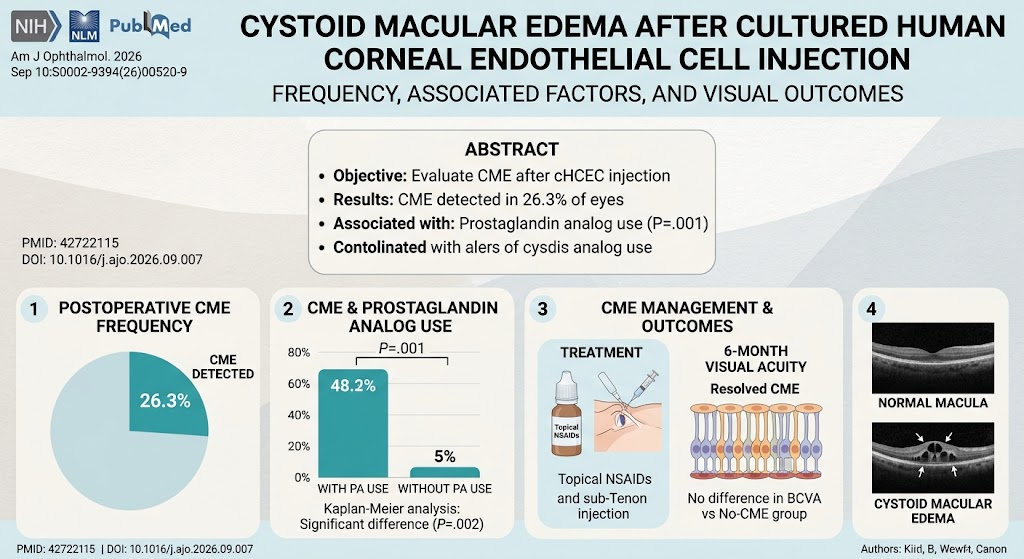
Cystoid Macular Edema Following Cultured Human Corneal Endothelial Cell Injection: Incidence, Risk Factors, and Visual Prognosis

This review synthesizes current evidence on the frequency and risk factors of cystoid macular edema (CME) after cultured human corneal endothelial cell (cHCEC) injection, highlighting prostaglandin analog use as a key associated factor and

Sep 19, 2026
Clinical Updates

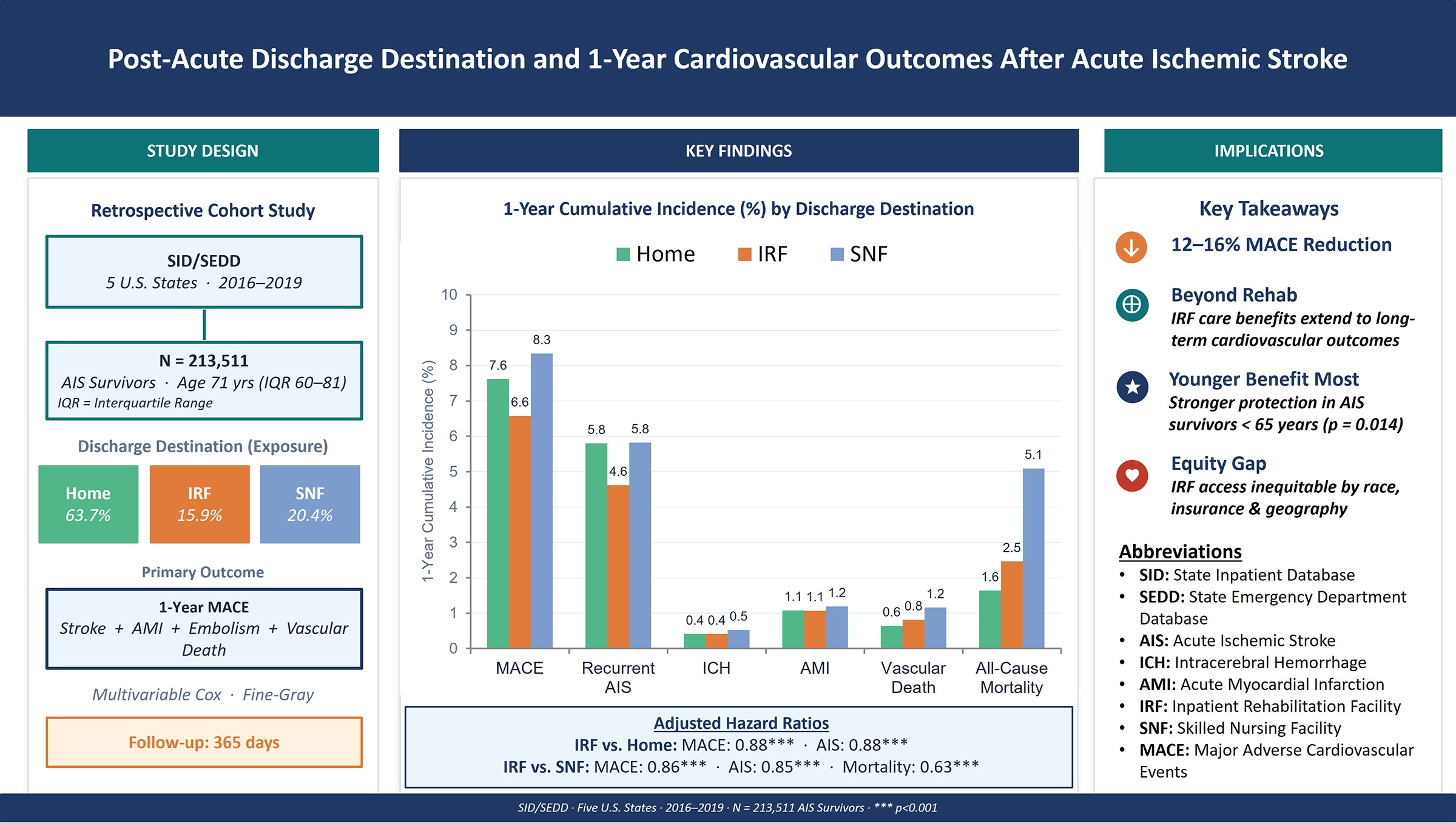
Inpatient Rehabilitation and Major Adverse Cardiovascular Events After Ischemic Stroke: Clinical Implications and Evidence Synthesis

Postacute discharge to inpatient rehabilitation facilities (IRF) after acute ischemic stroke (AIS) is associated with a reduced 1-year risk of major adverse cardiovascular events (MACE) compared to discharge to home or skilled nursing facil

Sep 19, 2026Sign in to read
Clinical Updates

Optimizing Palliative Care for Effective Hospice Transitions in Cancer Patients: Insights from Multicenter Qualitative and Quantitative Evidence

This review synthesizes evidence identifying critical programmatic factors, relational dynamics, and interventions enhancing hospice transitions in cancer palliative care, emphasizing collaborative oncology-palliative care relationships and

Sep 18, 2026
Clinical Updates

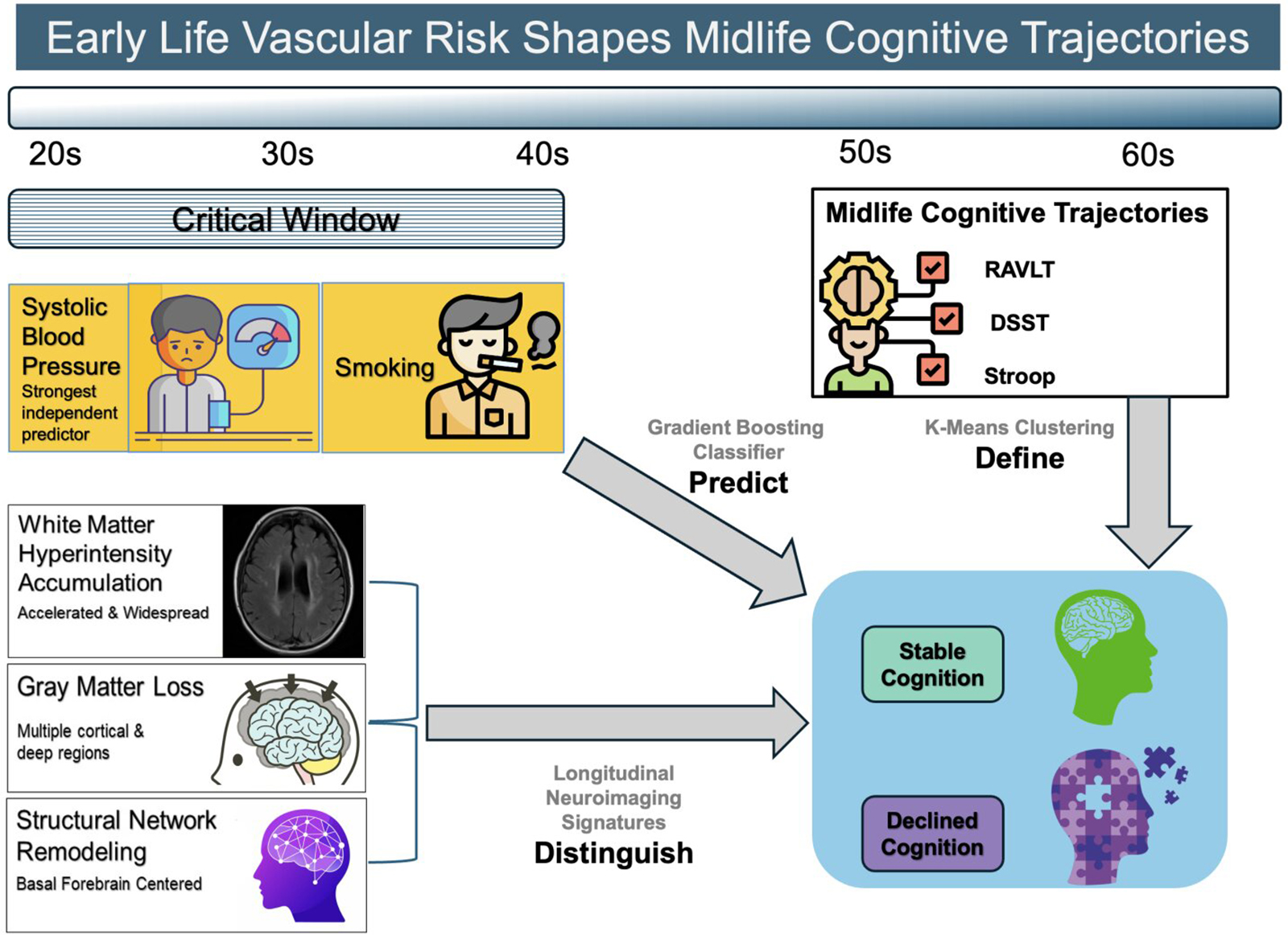
Early Life Vascular Risk and Midlife Markers of Brain Aging: Insights from Longitudinal Neuroimaging and Cognitive Trajectory Studies

This review synthesizes longitudinal evidence linking early adulthood vascular risks, particularly elevated systolic blood pressure and smoking, to midlife cognitive decline and brain structural alterations. It highlights critical intervent

Sep 17, 2026Sign in to read
Clinical Updates

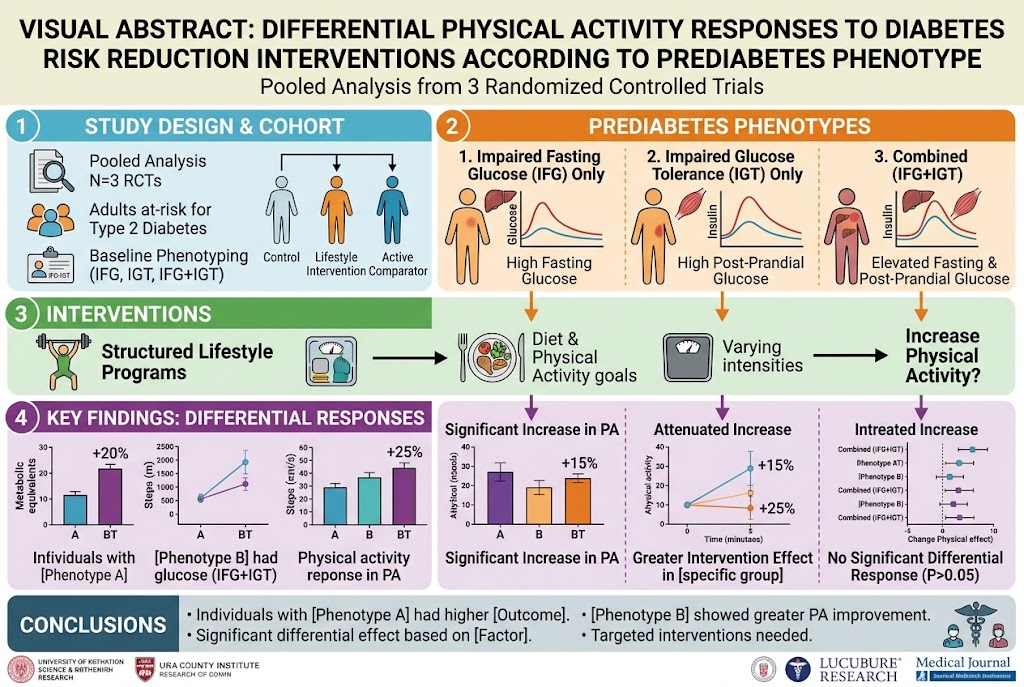
Differential Physical Activity Responses to Diabetes Risk Reduction Interventions According to Prediabetes Phenotype: Insights from Pooled Randomized Controlled Trials

The effectiveness of lifestyle interventions promoting physical activity for diabetes risk reduction varies by prediabetes phenotype, with individuals having impaired fasting glucose showing the least response. Tailored approaches may enhan

Sep 16, 2026Sign in to read
Anesthesiology

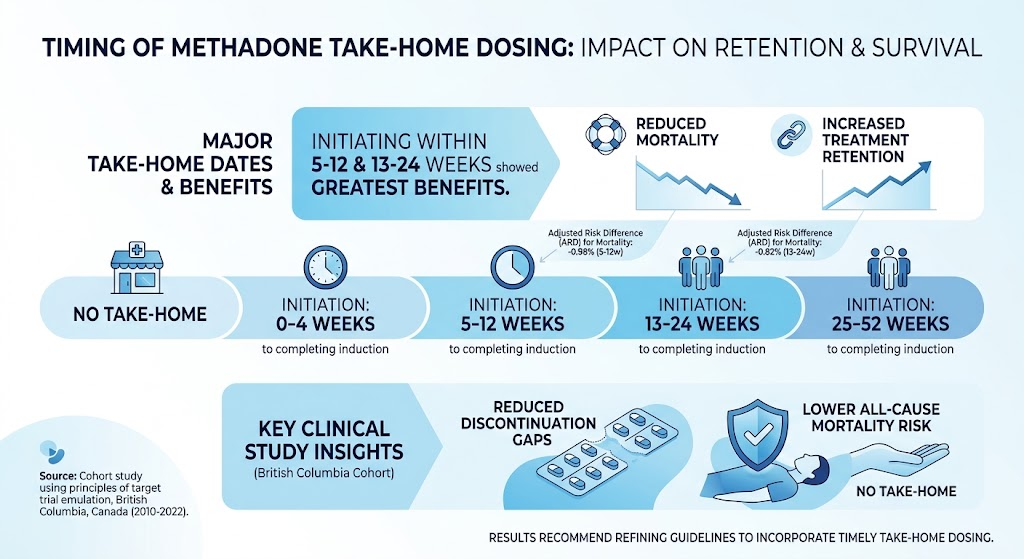
Timing of Initiation of Methadone Take-Home Dosing: Evidence Synthesis and Clinical Implications for Opioid Use Disorder Management

Early initiation of methadone take-home dosing (5-24 weeks post-induction) reduces mortality and treatment discontinuation, surpassing benefits seen with no take-home dosing. Flexible dosing policies improve retention without increasing ove

Sep 16, 2026Sign in to read
Cardiology

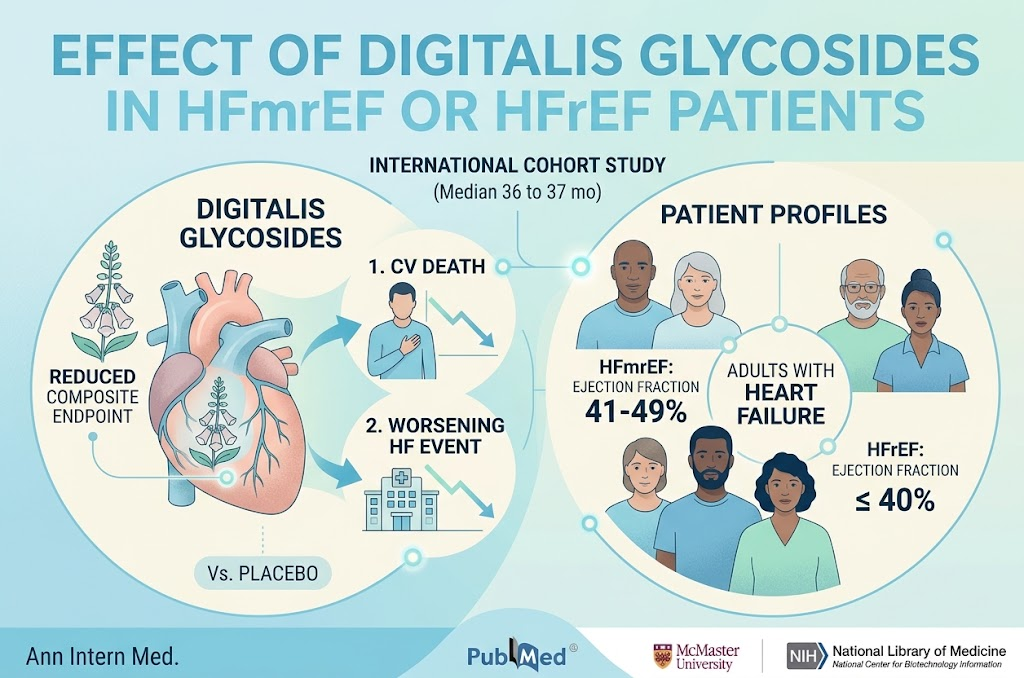
Impact of Digitalis Glycosides on Cardiovascular Outcomes in HFmrEF and HFrEF: A Comprehensive Evidence Synthesis

Digitalis glycosides reduce cardiovascular death or worsening heart failure events in HFmrEF and HFrEF patients over a median of 36–37 months, supported by randomized trials and meta-analyses highlighting their role in select heart failure

Sep 16, 2026
Clinical Updates

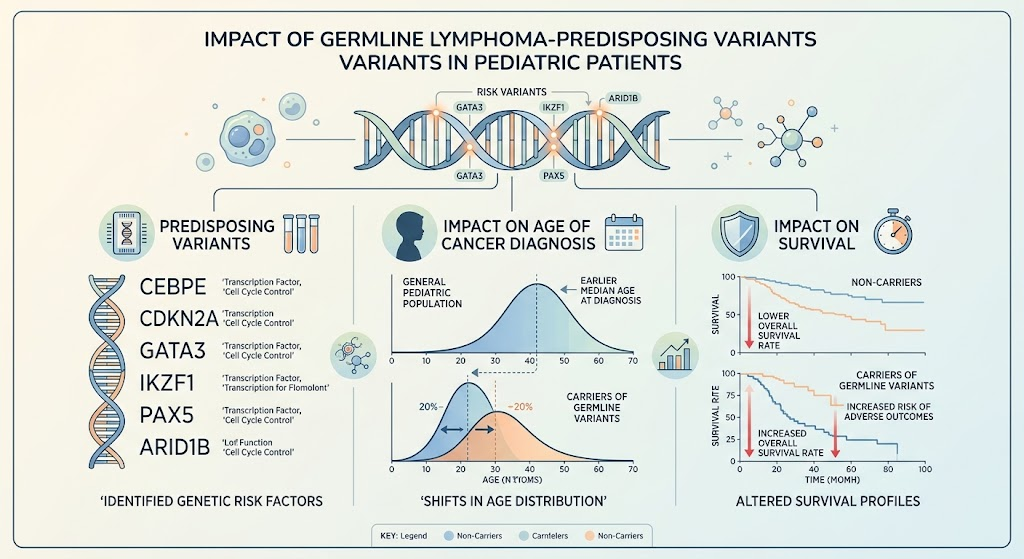
Germline Lymphoma-Predisposing Variants: Influence on Age at Diagnosis and Survival Outcomes in Pediatric Patients

This review synthesizes current evidence on germline lymphoma-predisposing variants, highlighting their impact on earlier cancer onset and variable survival rates in pediatric lymphoma patients, underscoring implications for genetic screeni

Sep 16, 2026Sign in to read
Clinical Updates

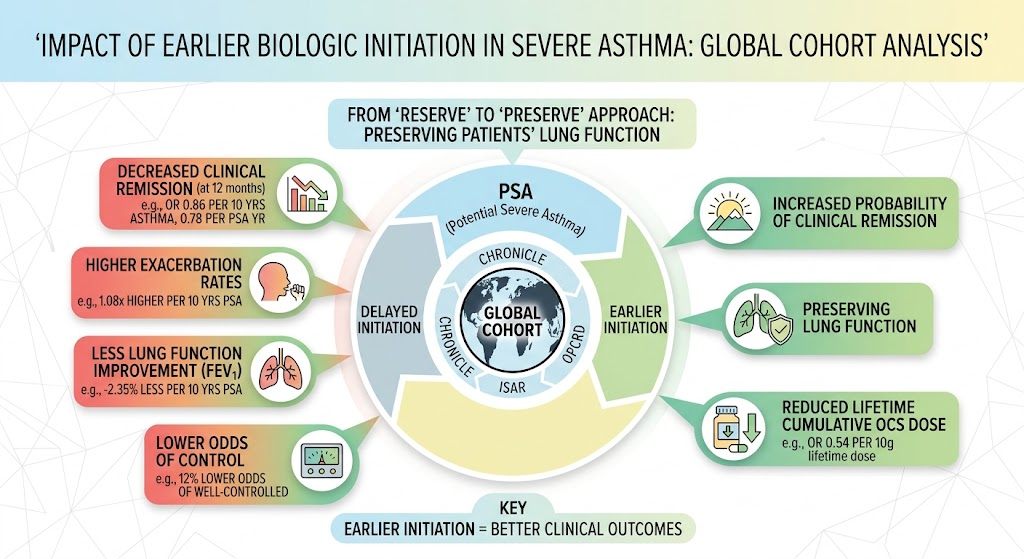
Early Biologic Initiation in Severe Asthma: Enhancing Remission and Clinical Outcomes from Global Real-World Cohorts

Earlier initiation of biologic therapies in severe asthma improves clinical remission rates, reduces exacerbations, preserves lung function, and decreases corticosteroid dependence, supporting a shift from reserving to preserving treatment

Sep 15, 2026Sign in to read
Clinical Updates

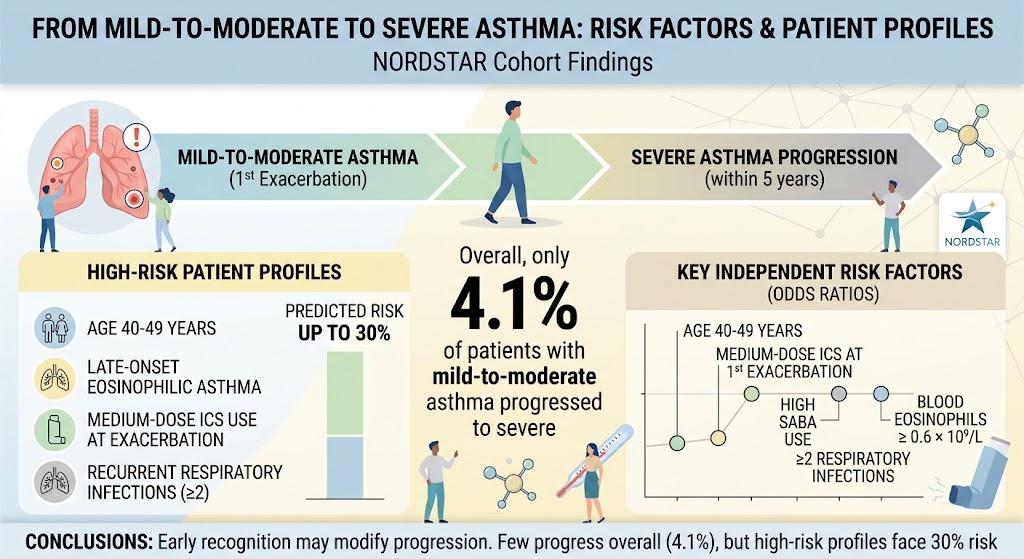
From Mild-to-Moderate to Severe Asthma: Risk Factors and Patient Profiles from the NORDSTAR Cohort and Advances in Severe Asthma Management

This review summarizes the progression risk from mild-to-moderate to severe asthma based on the NORDSTAR cohort and integrates emerging evidence on biologic therapies that improve severe asthma outcomes across diverse patient profiles.

Sep 15, 2026
Cardiology

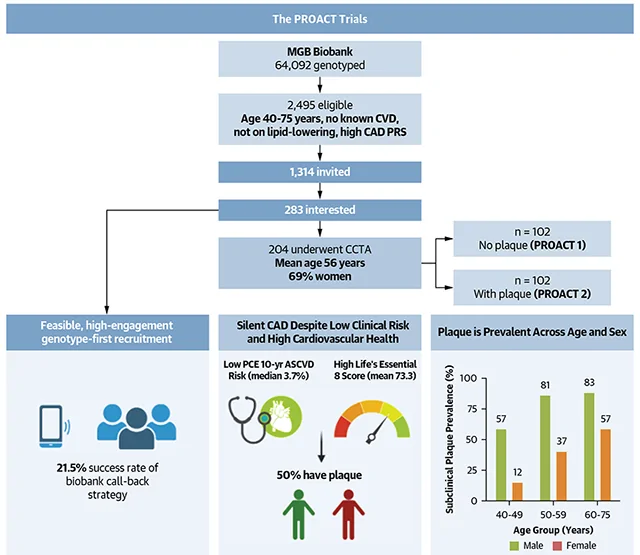
Polygenic Risk Based Detection and Treatment of Subclinical Coronary Atherosclerosis in the PROACT Clinical Trials: A Genotype-First Precision Prevention Approach

This review synthesizes emerging evidence from the PROACT trials on genotype-first identification of subclinical coronary atherosclerosis using polygenic risk scores (PRS), highlighting feasibility, engagement, and high prevalence of silent

Sep 15, 2026Sign in to read
Cardiology

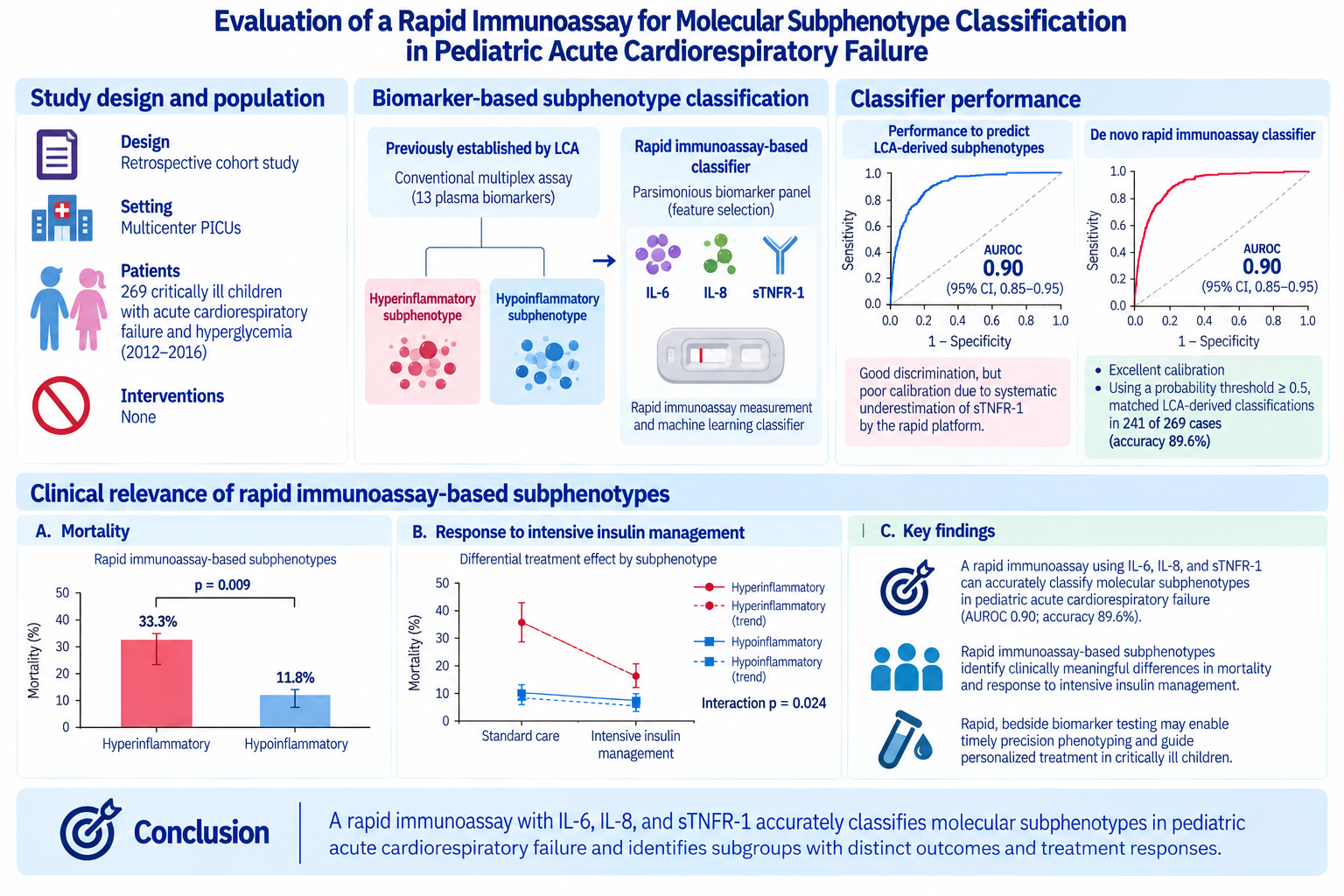
Rapid Immunoassay for Molecular Subphenotyping in Pediatric Acute Cardiorespiratory Failure: Clinical Implications and Future Directions

Rapid immunoassay-based classifiers accurately identify hyper- and hypoinflammatory subphenotypes in critically ill children, preserving prognostic and predictive utility and enabling precision therapies in acute pediatric cardiorespiratory

Sep 13, 2026
Clinical Updates

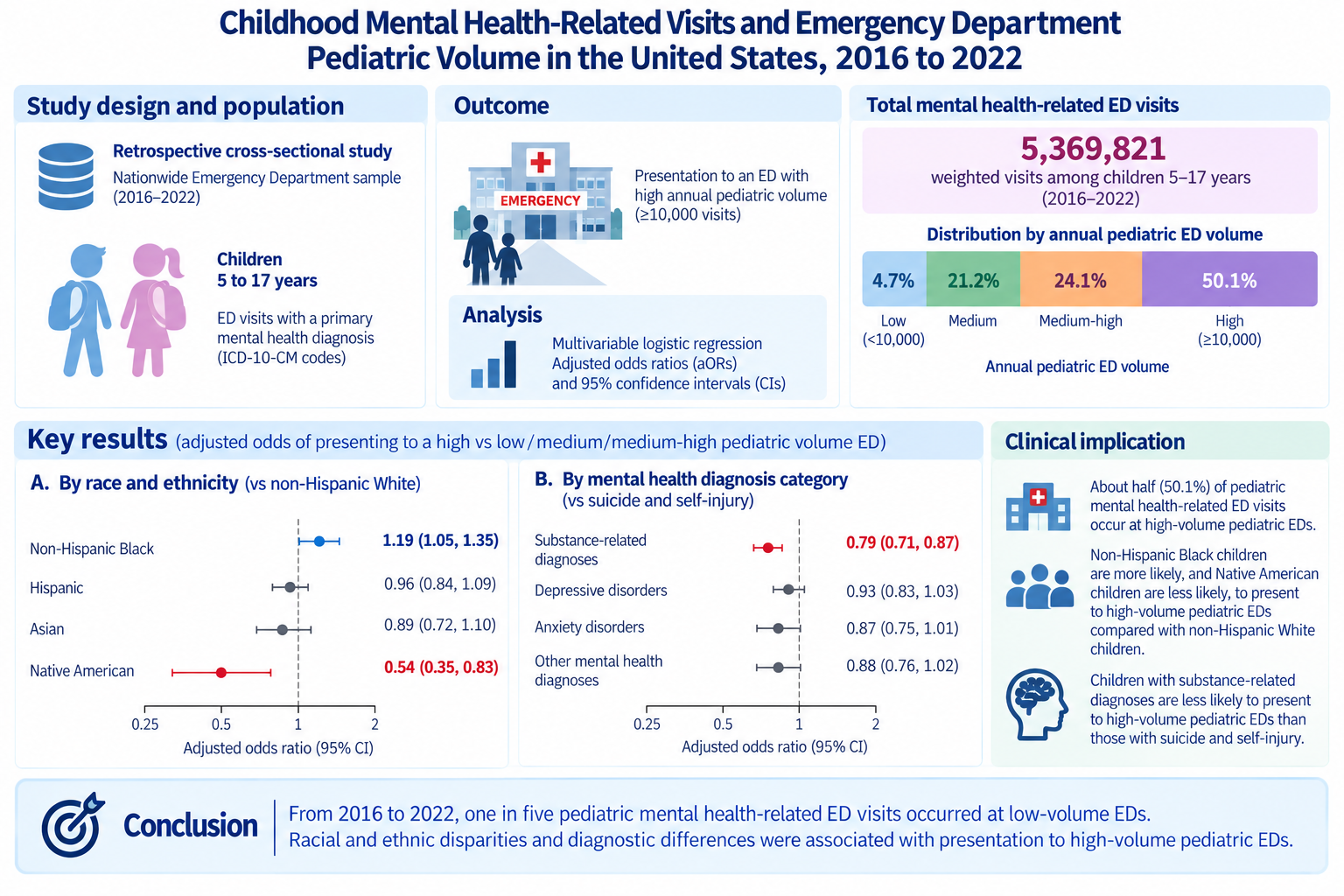
Childhood Mental Health-Related Emergency Department Visits and Pediatric Volume Dynamics in the US (2016-2022): A Comprehensive Review

Pediatric mental health ED visits in the US have surged 2016-2022, exhibiting volume-dependent disparities in patient demographics and diagnoses, highlighting opportunities for tailored interventions to enhance care across diverse emergency

Sep 13, 2026
Clinical Updates

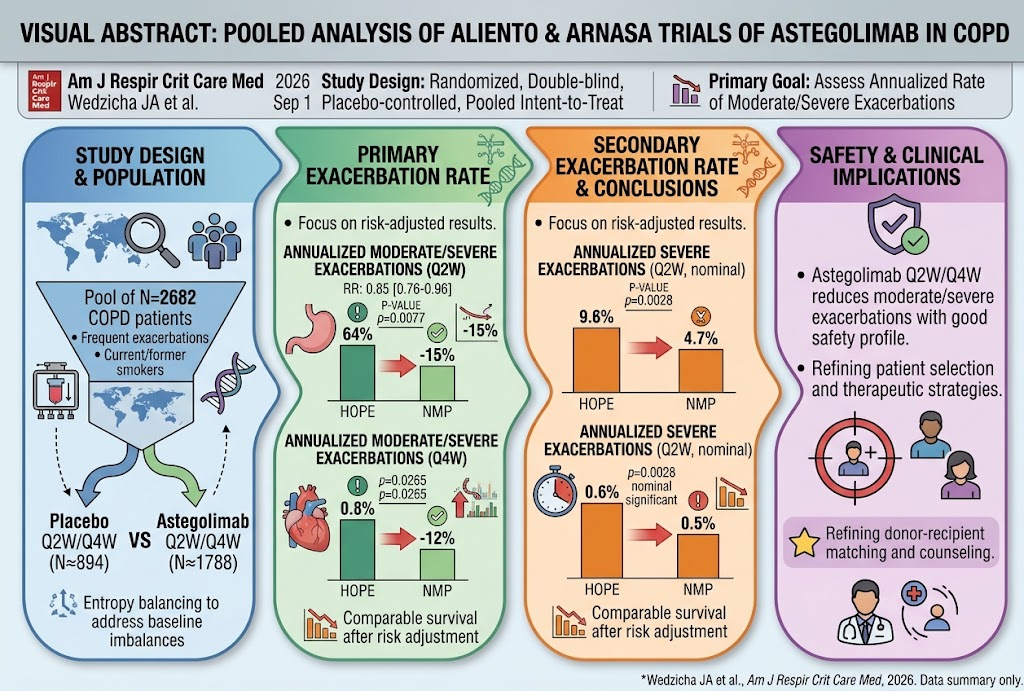
Astegolimab for Chronic Obstructive Pulmonary Disease with Frequent Exacerbations: Insights from the Pooled ALIENTO and ARNASA Trials

Astegolimab, an anti-ST2 monoclonal antibody, significantly reduced moderate/severe exacerbations in COPD patients with frequent exacerbations in pooled ALIENTO and ARNASA analyses, showing promise for targeting the IL-33/ST2 pathway with g

Sep 13, 2026
Clinical Updates

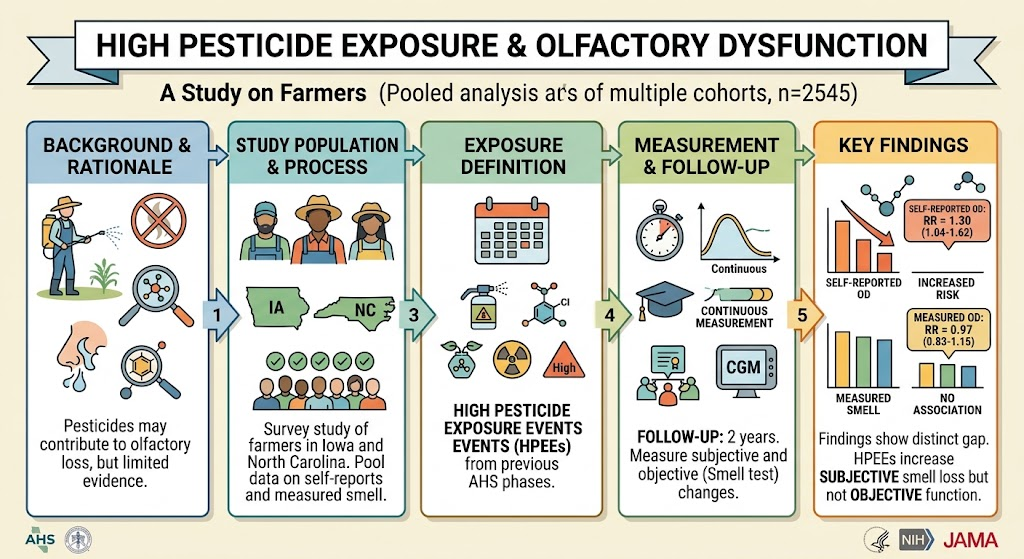
High Pesticide Exposure Events and Olfactory Dysfunction: Integrating Subjective and Objective Evidence from Agricultural Cohorts

Emerging evidence links high pesticide exposure events (HPEEs) in farmers to increased self-reported olfactory dysfunction, though objective smell testing yields inconclusive associations, highlighting critical gaps and methodological consi

Sep 13, 2026
Previous
15 / 25
1…1314151617…25
Next

Most read

  1. 01Cardiology

    Physical Activity Trajectories Before and After Cardiovascular Disease: Insights from the CARDIA Study

Go deeper with MedXY AI

Explore the evidence behind the news.

Ask AI
MedXY briefing

Stay informed

Medical news and research updates, delivered to your inbox.