We use cookies

Our website uses essential cookies and, with your consent, additional cookies to measure performance and improve our services. Cookie Policy.

You can change your choice at any time.

MMedXYNews
HomeVideos
© 2026 MedXY
Contact usAbout usPrivacy PolicyMedXY story
MedXY AI/MedXY News/Pediatrics

Pediatrics

Ask MedXY AI
What is the latest evidence?Key clinical updatesGuideline changes

Latest news

Atosiban Did Not Improve Neonatal Outcomes for Threatened Preterm Birth at 30–34 Weeks: Results from the Multicentre APOSTEL 8 Trial
newsAtosibanpreterm birth

Atosiban Did Not Improve Neonatal Outcomes for Threatened Preterm Birth at 30–34 Weeks: Results from the Multicentre APOSTEL 8 Trial

By MedXY|Dec 15, 2025

In the APOSTEL 8 randomized trial, intravenous atosiban did not reduce a composite of perinatal mortality and severe neonatal morbidity versus placebo for threatened preterm birth at 30+0–33+6 weeks.


Nirsevimab Halves RSV Bronchiolitis Risk in Infants — High Effectiveness Sustained Despite Emergent RSV‑B Mutations
newsbronchiolitisnirsevimab

Nirsevimab Halves RSV Bronchiolitis Risk in Infants — High Effectiveness Sustained Despite Emergent RSV‑B Mutations

By MedXY|Nov 10, 2025

A multicenter test-negative case-control study in France found high and sustained effectiveness of nirsevimab against RSV bronchiolitis in infants across two consecutive seasons (83.2% and 89.3%), despite emergence of RSV-B mutations.

Nirsevimab Cuts RSV Lower Respiratory Infections in Infants Without Replacing Other Viruses: Post‑hoc Analysis of the Phase 3 MELODY Trial
Infectious Diseasesinfantsmonoclonal antibody

Nirsevimab Cuts RSV Lower Respiratory Infections in Infants Without Replacing Other Viruses: Post‑hoc Analysis of the Phase 3 MELODY Trial

By MedXY|Nov 10, 2025

Post hoc analysis of the MELODY Phase 3 trial shows nirsevimab reduced RSV-associated lower respiratory tract infections and RSV coinfections in healthy term and late-preterm infants, with no signal of viral replacement by other respiratory

Nirsevimab in Chile’s First National RSV Campaign: 76% Reduction in RSV Hospitalisations and 85% Fewer ICU Admissions in Infants
Infectious DiseasesnirsevimabRSV

Nirsevimab in Chile’s First National RSV Campaign: 76% Reduction in RSV Hospitalisations and 85% Fewer ICU Admissions in Infants

By MedXY|Nov 10, 2025

A nationwide retrospective study from Chile finds that a universal nirsevimab immunisation strategy in 2024 reduced RSV-related lower respiratory tract infection hospitalisations by 76% and ICU admissions by 85%, with an NNT of 35 to preven

Real-world data suggest nirsevimab reduces RSV test-positivity up to 12 months but not beyond — cautious interpretation required
Infectious DiseasesnirsevimabPediatrics

Real-world data suggest nirsevimab reduces RSV test-positivity up to 12 months but not beyond — cautious interpretation required

By MedXY|Nov 10, 2025

A multicentre retrospective TriNetX analysis found reduced odds of RSV test-positivity for infants receiving nirsevimab when last dose was within 6–11 months before testing; protection was strongest within 6 months and not evident beyond 12

Widespread Nirsevimab and Maternal RSV Vaccination Linked to Large Drop in Infant Hospitalizations in First Full Season
Infectious DiseasesnirsevimabRSV

Widespread Nirsevimab and Maternal RSV Vaccination Linked to Large Drop in Infant Hospitalizations in First Full Season

By MedXY|Nov 10, 2025

Real-world surveillance from 2024–2025 shows substantial reductions in RSV-associated hospitalizations among infants after broad availability of maternal RSV vaccination and nirsevimab, with effectiveness estimates approximating those from

Screening Children and Young Adults for Familial Hypercholesterolemia: Clinically Helpful but Not Cost‑Effective
CardiologyCost-EffectivenessHypercholesterolemia

Screening Children and Young Adults for Familial Hypercholesterolemia: Clinically Helpful but Not Cost‑Effective

By MedXY|Nov 10, 2025

A modeling study found that sequential population screening for familial hypercholesterolemia (FH) at ages 10 or 18 is clinically effective but not cost‑effective versus usual care, unless follow-up monitoring and lifestyle interventions fo

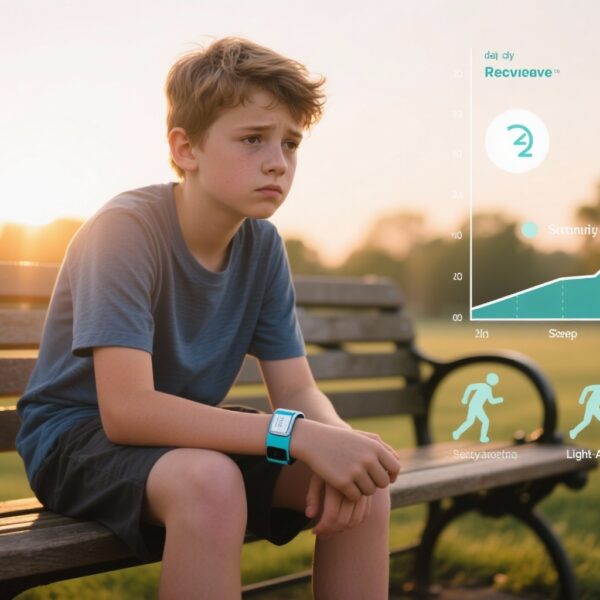
Less Sitting, More Sleep and MVPA Linked to Better Glycaemic Stability in Children with Type 1 Diabetes: A 2‑Year Compositional Analysis
Diabetes & EndocrinologyPhysical Activitysleep

Less Sitting, More Sleep and MVPA Linked to Better Glycaemic Stability in Children with Type 1 Diabetes: A 2‑Year Compositional Analysis

By MedXY|Nov 8, 2025

A longitudinal compositional analysis of 83 children with type 1 diabetes found that reallocating daily time away from sedentary behaviour toward sleep or moderate‑to‑vigorous physical activity (MVPA) was associated with lower HbA1c and int

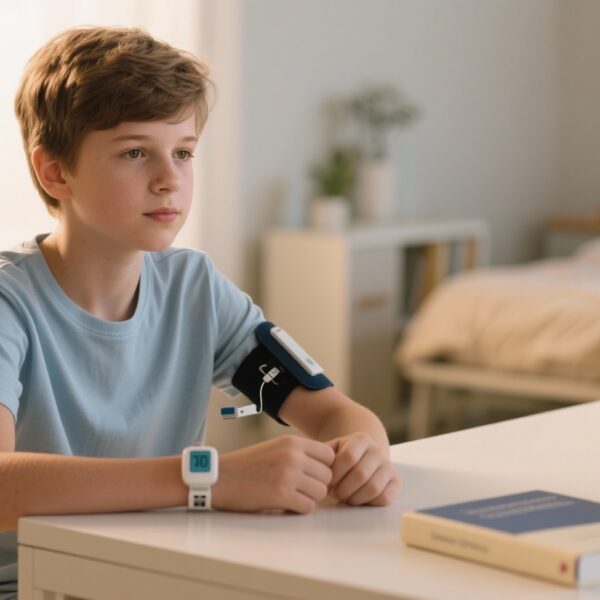
Balance, Not Bedrest: Daily Movement Patterns Linked to Faster Symptom Recovery After Pediatric Concussion
NeurologyPediatricsPhysical Activity

Balance, Not Bedrest: Daily Movement Patterns Linked to Faster Symptom Recovery After Pediatric Concussion

By MedXY|Nov 8, 2025

Compositional analysis of the PedCARE cohort suggests that an early period of relative rest combined with above-average light and moderate-to-vigorous activity over the first two weeks is associated with lower postconcussion symptom burden

FDA Approves Linzess for Pediatric IBS with Constipation: A New Hope for Children
GastroenterologyconstipationFDA approval

FDA Approves Linzess for Pediatric IBS with Constipation: A New Hope for Children

By MedXY|Nov 6, 2025

The FDA has approved linaclotide (Linzess) for treating irritable bowel syndrome with constipation (IBS-C) in children 7 and older, marking the first official treatment option for pediatric IBS-C.

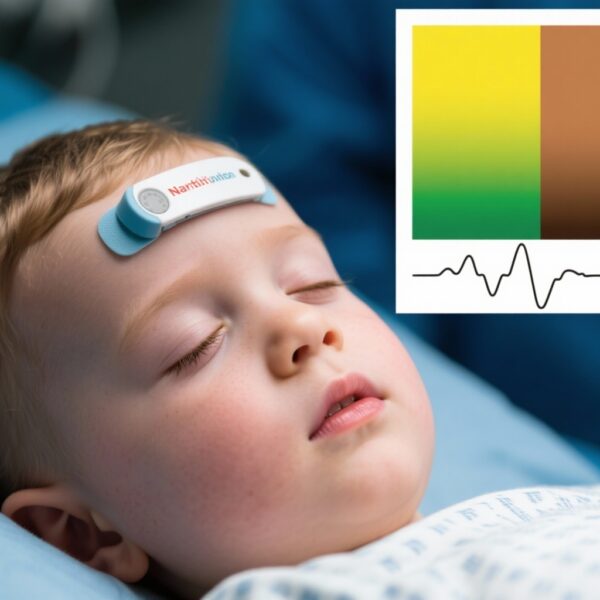
Darker Skin Tone Reduces Accuracy of Cerebral NIRS in Children: Implications from a Prospective Cohort
AnesthesiologyPediatrics

Darker Skin Tone Reduces Accuracy of Cerebral NIRS in Children: Implications from a Prospective Cohort

By MedXY|Nov 5, 2025

A prospective pediatric study shows forehead NIRS (INVOS 5100C) underestimates regional oxygenation in children with darker skin, producing clinically meaningful bias and raising concerns about equity in monitoring and device validation.

Understanding the FDA’s Rejection of SYD-101: Navigating the Challenges in Pediatric Myopia Treatment
newsatropineFDA approval

Understanding the FDA’s Rejection of SYD-101: Navigating the Challenges in Pediatric Myopia Treatment

By MedXY|Nov 4, 2025

The FDA has rejected Sydnexis’s low-dose atropine eye drop SYD-101 for controlling childhood myopia progression despite promising trial results, highlighting challenges in demonstrating long-term efficacy and clinical significance in

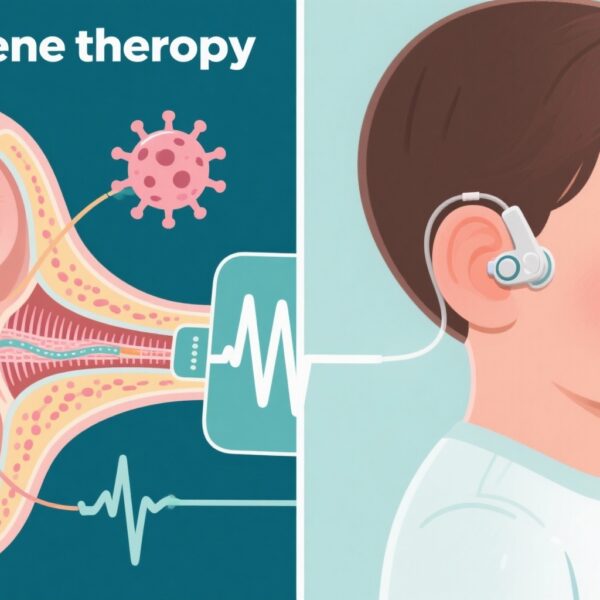
AAV‑OTOF Gene Therapy Restores Substantial Hearing in DFNB9 Across Ages — Rapid, Age‑dependent Benefits in a First-in‑Human Trial
newsAAVgene therapy

AAV‑OTOF Gene Therapy Restores Substantial Hearing in DFNB9 Across Ages — Rapid, Age‑dependent Benefits in a First-in‑Human Trial

By MedXY|Nov 4, 2025

A single‑arm trial of AAV‑OTOF (Anc80L65) in 10 patients (1.5–23.9 years) with autosomal recessive deafness 9 showed good tolerability and rapid, clinically meaningful hearing gains, with optimal outcomes in children aged 5–8 years; longer

OTOF Gene Therapy Rivaled—and in Some Domains Outperformed—Cochlear Implants in Restoring Hearing and Speech in Congenital Deafness
newsgene therapyOTOF

OTOF Gene Therapy Rivaled—and in Some Domains Outperformed—Cochlear Implants in Restoring Hearing and Speech in Congenital Deafness

By MedXY|Nov 4, 2025

A 2022–2024 nonblinded cohort study found OTOF gene therapy produced rapid, durable gains in auditory thresholds, speech perception, mismatch-negativity responses, and music perception versus cochlear implantation in children with genetical

Congenital CMV in Australia: Reported Cases Are a Small Fraction of Estimated Burden — Implications for Screening, Treatment, and Public Health
Infectious Diseasesantiviral therapyepidemiology

Congenital CMV in Australia: Reported Cases Are a Small Fraction of Estimated Burden — Implications for Screening, Treatment, and Public Health

By MedXY|Nov 4, 2025

National APSU surveillance (1999–2024) found 479 definite congenital CMV cases and dramatic under-ascertainment versus expected prevalence; symptomatic infants increasingly receive antivirals. Expanded surveillance, newborn screening, and c

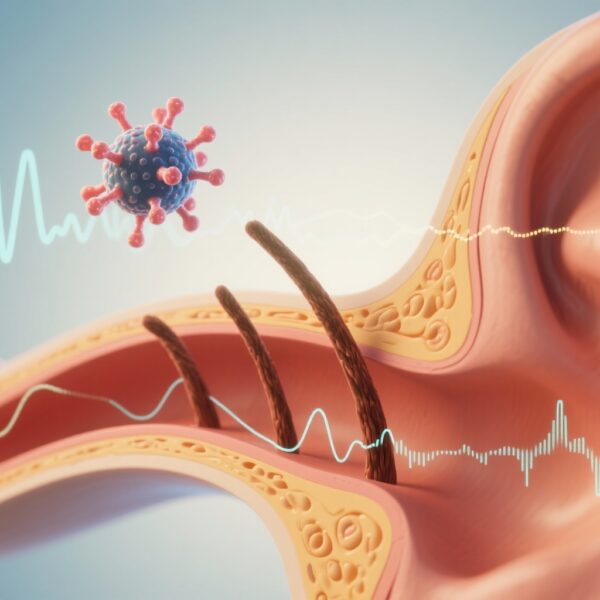
Unilateral Pediatric Chronic Otitis Media with Effusion Impairs Binaural Hearing and Raises Tinnitus Risk: Evidence Challenging Conservative Management
newsbinaural hearingPediatrics

Unilateral Pediatric Chronic Otitis Media with Effusion Impairs Binaural Hearing and Raises Tinnitus Risk: Evidence Challenging Conservative Management

By MedXY|Nov 4, 2025

A prospective cross-sectional study finds unilateral chronic otitis media with effusion (COME) in children is associated with poorer spatial release from masking and high tinnitus prevalence, suggesting potential central auditory consequenc

AI-RAPNO: Translating Artificial Intelligence into Reliable Response Assessment for Pediatric Neuro-Oncology
AIAIimaging

AI-RAPNO: Translating Artificial Intelligence into Reliable Response Assessment for Pediatric Neuro-Oncology

By MedXY|Nov 4, 2025

AI-RAPNO synthesizes current AI developments for pediatric brain tumour imaging and provides practical recommendations to improve trustworthiness, generalisability, and clinical implementation of AI-driven response assessment using the RAPN

Cochlear Implant Benefits in Children with Single‑Sided Deafness: Better in Quiet, Challenged in Noise — and Time Matters
newsbinaural hearingsingle-sided deafness

Cochlear Implant Benefits in Children with Single‑Sided Deafness: Better in Quiet, Challenged in Noise — and Time Matters

By MedXY|Nov 4, 2025

In 185 children receiving unilateral cochlear implants, residual acoustic hearing favored the non-implanted ear in quiet (especially for SSD), but noise attenuated that advantage. Shorter auditory deprivation and longer CI experience reduce

Longitudinal Developmental Outcomes and Early Cochlear Implantation Benefits in Children with Prelingual Single-Sided Deafness: Evidence Synthesis and Clinical Recommendations
Clinical Updatespediatric hearing losssingle-sided deafness

Longitudinal Developmental Outcomes and Early Cochlear Implantation Benefits in Children with Prelingual Single-Sided Deafness: Evidence Synthesis and Clinical Recommendations

By MedXY|Nov 4, 2025

Early cochlear implantation in children with prelingual single-sided deafness improves spatial hearing and cognitive outcomes, supporting neurodevelopment and mitigating risks of auditory deprivation and cortical reorganization.

Early Cochlear Implantation Shows Variable but Clinically Relevant Benefits in Children with Single-Sided Deafness: A Western Australian 10‑Year Series
newsPediatricssingle-sided deafness

Early Cochlear Implantation Shows Variable but Clinically Relevant Benefits in Children with Single-Sided Deafness: A Western Australian 10‑Year Series

By MedXY|Nov 4, 2025

A retrospective 10‑year series from Perth Children’s Hospital reports heterogeneous long‑term outcomes after pediatric cochlear implantation for single‑sided deafness; earlier implantation (within 1 year) was associated with greater l

Prev
17 / 25
1…1516171819…25
Next
Ask MedXY AI

Most popular

Intimate Health
Five Benefits for Women Continuing Sexual Activity After Menopause
Intimate Health
Why Some Women Have a Strong Sex Drive—And Why Men Shouldn't Worry About It
Nursing & care
How often should a couple have sex?
Intimate Health
Classic Intimacy Recommendations: How to Help Women Reach Orgasm and Enjoy Mutual Pleasure
Intimate Health
What Makes a Woman "Physiologically Addicted" Is Never Money, But These Two Relationship Qualities

Browse by specialty

Open language-specific specialty feeds and department pages.

news6629 articlesCardiology1375 articlesClinical Updates1288 articlesOncology1139 articlesDiabetes & Endocrinology842 articlesNeurology820 articlesPublic Health595 articlesGastroenterology572 articles
Hematology-Oncology
487 articles
Pediatrics484 articles
Internal Medicine444 articles