We use cookies

Our website uses essential cookies and, with your consent, additional cookies to measure performance and improve our services. Cookie Policy.

You can change your choice at any time.

MMedXYNews
HomeVideos
© 2026 MedXY
Contact usAbout usPrivacy PolicyMedXY story
MedXY AI/MedXY News/Anesthesiology

Anesthesiology

Ask MedXY AI
What is the latest evidence?Key clinical updatesGuideline changes

Latest news

Lacosamide Lowers Peripheral Nerve Excitability in Large Myelinated Fibers: Randomized Crossover Evidence and Biomarker Implications
Anesthesiologybiomarkers

Lacosamide Lowers Peripheral Nerve Excitability in Large Myelinated Fibers: Randomized Crossover Evidence and Biomarker Implications

By MedXY|Nov 6, 2025

A randomized, double‑blind crossover trial in healthy volunteers found lacosamide acutely reduced strength–duration time constant and other excitability metrics in large myelinated peripheral fibers; pregabalin and tapentadol produced no co


Preventing Post‑Induction Hypotension With Low‑Dose Norepinephrine Reduces Postoperative Complications After Major Abdominal Surgery
AnesthesiologyIntraoperative HypotensionMajor Abdominal Surgery

Preventing Post‑Induction Hypotension With Low‑Dose Norepinephrine Reduces Postoperative Complications After Major Abdominal Surgery

By MedXY|Nov 6, 2025

A single‑center RCT found that starting a titrated norepinephrine infusion at anesthesia induction reduced intraoperative hypotension and lowered 30‑day medico‑surgical complications compared with reactive ephedrine boluses in high‑risk abd

Continuous Intravenous Sedation Produces Novel EEG ‘Ups’ in Early Acute Hypoxemic Respiratory Failure — Implications for Monitoring and Outcomes
AnesthesiologyAcute Hypoxemic Respiratory Failurecritical care

Continuous Intravenous Sedation Produces Novel EEG ‘Ups’ in Early Acute Hypoxemic Respiratory Failure — Implications for Monitoring and Outcomes

By MedXY|Nov 6, 2025

In mechanically ventilated patients with early acute hypoxemic respiratory failure, continuous IV sedation produces EEG patterns (EEG Ups) not seen in natural sleep; these patterns correlate with sedation dose, drug combinations, clinical s

Physiologic PK-PD Modeling Reveals Greater Fentanyl Potency for Ventilatory Depression Than Simpler Approaches
Anesthesiologyanesthesiologyfentanyl

Physiologic PK-PD Modeling Reveals Greater Fentanyl Potency for Ventilatory Depression Than Simpler Approaches

By MedXY|Nov 6, 2025

A population PK–PD study in healthy volunteers found that a physiologic model incorporating CO2 kinetics and a ventilatory controller estimates fentanyl potency for ventilatory depression at ~2.3 ng/mL—substantially lower than estimates fro

Urine‑guided Intraoperative Hydration Halves AKI Risk After CRS‑HIPEC with Cisplatin: Randomized Trial Shows Promise
AnesthesiologyAKIcisplatin

Urine‑guided Intraoperative Hydration Halves AKI Risk After CRS‑HIPEC with Cisplatin: Randomized Trial Shows Promise

By MedXY|Nov 6, 2025

A randomized trial found that maintaining high intraoperative urine output (≥3 ml·kg−1·h−1 or ≥200 ml·h−1) during cytoreductive surgery and cisplatin‑based HIPEC reduced 7‑day postoperative AKI from 39.3% to 21.4% and lowered major 30‑day c

Pregabalin Restores Sleep and Circadian Rhythms in Neuropathic Pain—Unlike Morphine: Translational Insights from a Mouse SNI Model
Anesthesiologycircadian rhythmsneuropathic pain

Pregabalin Restores Sleep and Circadian Rhythms in Neuropathic Pain—Unlike Morphine: Translational Insights from a Mouse SNI Model

By MedXY|Nov 5, 2025

In a mouse spared nerve injury model, pregabalin—but not morphine—restored REM sleep, normalized locomotor and temperature circadian rhythms, and reversed spinal circadian gene changes. Findings suggest analgesic choice can differentially a

Restrictive Red Blood Cell Transfusion Is Safe for Most Patients — Except in Neurocritical Care (and Some Bleeding Syndromes)
Anesthesiologyneurocritical carerestrictive transfusion

Restrictive Red Blood Cell Transfusion Is Safe for Most Patients — Except in Neurocritical Care (and Some Bleeding Syndromes)

By MedXY|Nov 5, 2025

A Cochrane update (2025) of 69 randomized trials found restrictive RBC transfusion thresholds (typically Hb 7–8 g/dL) cut transfusion exposure ~42% without increasing 30‑day mortality overall, but liberal strategies improved long‑term neuro

Pathogen-Reduced Red Blood Cells Are Safe in Cardiac Surgery: ReCePI Phase 3 Shows Noninferior AKI Rates
Anesthesiologyacute kidney injurycardiac surgery

Pathogen-Reduced Red Blood Cells Are Safe in Cardiac Surgery: ReCePI Phase 3 Shows Noninferior AKI Rates

By MedXY|Nov 5, 2025

The ReCePI randomized phase 3 trial found that amustaline/glutathione pathogen-reduced red blood cells produced similar rates of acute kidney injury compared with conventional transfusion after cardiac or thoracic-aorta surgery, with few tr

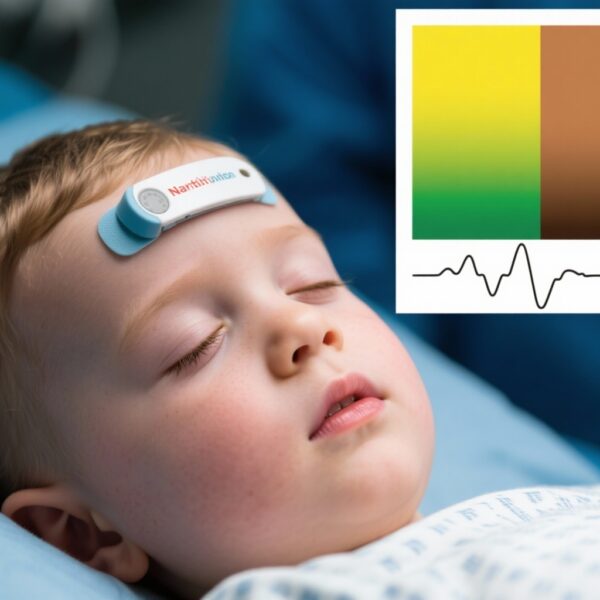
Darker Skin Tone Reduces Accuracy of Cerebral NIRS in Children: Implications from a Prospective Cohort
AnesthesiologyPediatrics

Darker Skin Tone Reduces Accuracy of Cerebral NIRS in Children: Implications from a Prospective Cohort

By MedXY|Nov 5, 2025

A prospective pediatric study shows forehead NIRS (INVOS 5100C) underestimates regional oxygenation in children with darker skin, producing clinically meaningful bias and raising concerns about equity in monitoring and device validation.

Postoperative Vasopressor Use After Noncardiac Surgery: Patterns, Outcomes, and Clinical Implications from a Global Observational Study
AnesthesiologyMortalitynoncardiac surgery

Postoperative Vasopressor Use After Noncardiac Surgery: Patterns, Outcomes, and Clinical Implications from a Global Observational Study

By MedXY|Oct 27, 2025

An international study reveals that postoperative vasopressor infusions after noncardiac surgery vary widely across hospitals and are linked to higher mortality and complications, highlighting the need for optimized management strategies.

Harnessing Digital Health: Efficacy of Virtual Reality and Interactive Tools in Reducing Pediatric Perioperative Anxiety and Pain
Anesthesiologydigital healthvirtual reality

Harnessing Digital Health: Efficacy of Virtual Reality and Interactive Tools in Reducing Pediatric Perioperative Anxiety and Pain

By MedXY|Oct 27, 2025

This network meta-analysis of 49 RCTs demonstrates that digital health interventions, notably virtual reality, 2D videos, and 2D games, significantly reduce perioperative anxiety and pain and improve induction compliance in pediatric surgic

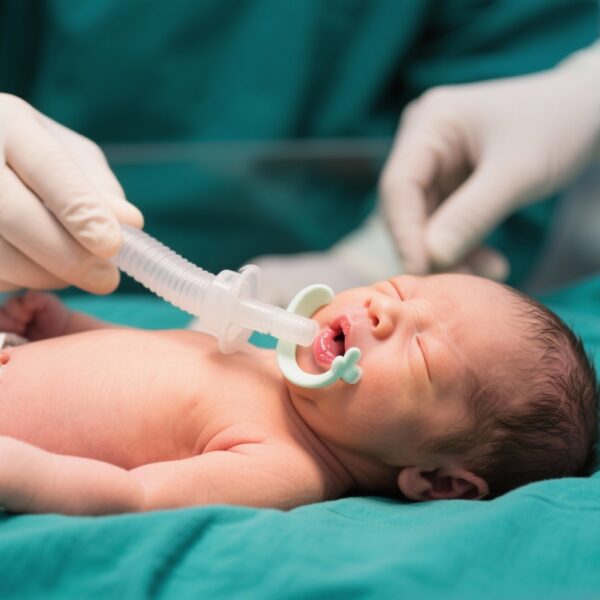
Customized Protective Palatal Obturator Enhances Safe Intubation in Neonatal Cleft Lip Surgery: Evidence from a Randomized Controlled Trial
Anesthesiologyairway management

Customized Protective Palatal Obturator Enhances Safe Intubation in Neonatal Cleft Lip Surgery: Evidence from a Randomized Controlled Trial

By MedXY|Oct 24, 2025

A customized protective palatal obturator significantly reduces oral tissue injury during intubation in newborns undergoing cleft lip surgery, improving safety without prolonging intubation.

Proactive Versus Reactive Intraoperative Blood Pressure Management: Insights from the PRETREAT Randomized Clinical Trial
AnesthesiologyBlood Pressure Managementsurgery

Proactive Versus Reactive Intraoperative Blood Pressure Management: Insights from the PRETREAT Randomized Clinical Trial

By MedXY|Oct 13, 2025

The PRETREAT trial found that proactive blood pressure management tailored by risk of intraoperative hypotension does not reduce postoperative functional disability compared to standard care in noncardiac surgery.

Individualized Perioperative Blood Pressure Management in Major Abdominal Surgery: Insights from the IMPROVE-multi Trial
Anesthesiologyacute kidney injuryclinical trial

Individualized Perioperative Blood Pressure Management in Major Abdominal Surgery: Insights from the IMPROVE-multi Trial

By MedXY|Oct 13, 2025

The IMPROVE-multi randomized clinical trial found that tailoring perioperative blood pressure targets to individual preoperative nighttime MAP levels did not reduce postoperative organ injury or mortality compared to routine management in h

Acute Normovolemic Hemodilution in Adult Cardiac Surgery: Efficacy, Safety, and Underutilization
Anesthesiologyacute normovolemic hemodilutioncardiac surgery

Acute Normovolemic Hemodilution in Adult Cardiac Surgery: Efficacy, Safety, and Underutilization

By MedXY|Oct 10, 2025

This article reviews a large retrospective study evaluating acute normovolemic hemodilution (ANH) in adult cardiac surgery, demonstrating its association with reduced blood transfusions and cost savings, yet highlighting its underuse in cli

Dexmedetomidine for Analgesia in Nonintubated Patients With Traumatic Rib Fractures: A Randomized Clinical Trial Analysis
Anesthesiologydexmedetomidineintensive care

Dexmedetomidine for Analgesia in Nonintubated Patients With Traumatic Rib Fractures: A Randomized Clinical Trial Analysis

By MedXY|Oct 10, 2025

This trial found that adjunctive dexmedetomidine did not reduce opioid use, pain scores, or pulmonary complications in nonintubated ICU patients with traumatic rib fractures, challenging its routine analgesic use in this setting.

Clotting Factor Concentrates vs Frozen Plasma in Severe Trauma Resuscitation: Insights from the FiiRST-2 Randomized Trial
Anesthesiologyhemostasisrandomized clinical trial

Clotting Factor Concentrates vs Frozen Plasma in Severe Trauma Resuscitation: Insights from the FiiRST-2 Randomized Trial

By MedXY|Oct 9, 2025

The FiiRST-2 trial found no superiority of clotting factor concentrates over frozen plasma for initial resuscitation in severely bleeding trauma patients, with similar transfusion needs and safety outcomes.

Intensive vs Conventional Intraoperative Blood Pressure Management: Insights from the BP-CARES Trial on Cardiovascular Outcomes After Major Abdominal Surgery
AnesthesiologyBlood Pressure ManagementCardiovascular Complications

Intensive vs Conventional Intraoperative Blood Pressure Management: Insights from the BP-CARES Trial on Cardiovascular Outcomes After Major Abdominal Surgery

By MedXY|Oct 9, 2025

The BP-CARES randomized trial found no cardiovascular benefit of intensive intraoperative blood pressure management (MAP ≥80 mm Hg) over conventional targets in high-risk major abdominal surgery patients.

Optimizing Anesthesia in Elderly NSCLC Patients: Impact of Midazolam and Dexmedetomidine Co-Administration on Hemodynamics and Stress Response
Anesthesiologydexmedetomidinehemodynamics

Optimizing Anesthesia in Elderly NSCLC Patients: Impact of Midazolam and Dexmedetomidine Co-Administration on Hemodynamics and Stress Response

By MedXY|Oct 7, 2025

Co-administering midazolam with dexmedetomidine in elderly NSCLC patients undergoing lobectomy enhances hemodynamic stability and reduces perioperative stress response, potentially improving recovery outcomes without increasing adverse even

Intercostal Nerve Block: A Viable Alternative to Thoracic Epidural for Pain Control in Lung Surgery
Anesthesiologypain managementThoracic surgery

Intercostal Nerve Block: A Viable Alternative to Thoracic Epidural for Pain Control in Lung Surgery

By MedXY|Oct 7, 2025

This randomized trial demonstrates that single-shot intercostal nerve block offers noninferior pain relief compared to thoracic epidural analgesia after thoracoscopic lung resection, with benefits in opioid reduction, mobility, and shorter

Prev
4 / 5
12345
Next
Ask MedXY AI

Most popular

Intimate Health
Five Benefits for Women Continuing Sexual Activity After Menopause
Intimate Health
Why Some Women Have a Strong Sex Drive—And Why Men Shouldn't Worry About It
Nursing & care
How often should a couple have sex?
Intimate Health
Classic Intimacy Recommendations: How to Help Women Reach Orgasm and Enjoy Mutual Pleasure
Intimate Health
What Makes a Woman "Physiologically Addicted" Is Never Money, But These Two Relationship Qualities

Browse by specialty

Open language-specific specialty feeds and department pages.

news6629 articlesCardiology1375 articlesClinical Updates1288 articlesOncology1139 articlesDiabetes & Endocrinology842 articlesNeurology820 articlesPublic Health595 articlesGastroenterology572 articles
Hematology-Oncology
487 articles
Pediatrics484 articles
Internal Medicine444 articles