We use cookies

Our website uses essential cookies and, with your consent, additional cookies to measure performance and improve our services. Cookie Policy.

You can change your choice at any time.

MMedXYNews
HomeVideos
MedXY AI/MedXY News/Tag: critical care
MedXY News
EnglishTag

critical care

Ask MedXY AI
type 2 diabetesclinical trialheart failureimmunotherapyobesitycardiovascular riskatrial fibrillationbiomarkerscritical careclinical trialsHypertensionartificial intelligenceCardiologyoncologypublic healthtype 1 diabetesdiabetesMortalityAlzheimer's diseasecardiovascular diseasebreast cancerepidemiology

Latest news

Tag

When Does an ICP Crisis Really Count? BOOST II Raises Questions About Bedside Detection in Severe TBI
Critical Carecritical careintracranial pressure

When Does an ICP Crisis Really Count? BOOST II Raises Questions About Bedside Detection in Severe TBI

By MedXY|Jun 19, 2026

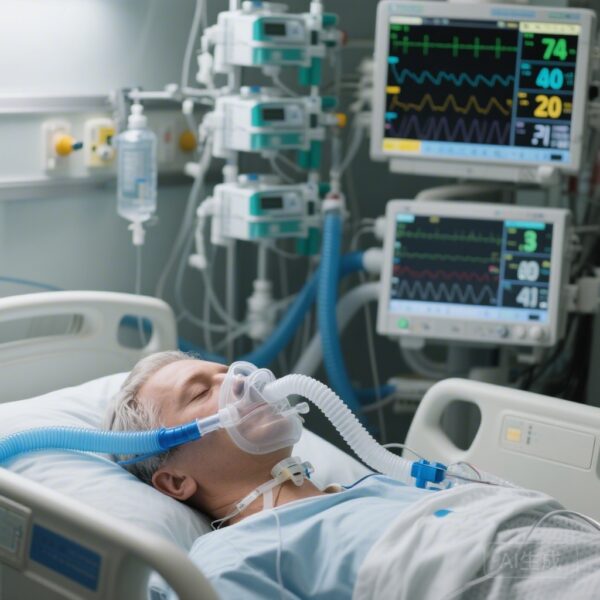
A post hoc BOOST II analysis found that many bedside-labeled intracranial pressure crises were not confirmed by continuous electronic data, challenging current ICP episode definitions in severe traumatic brain injury.


Personalized Automatic Management of Tracheal Cuff Pressure and Subglottic Secretion Drainage to Prevent Pneumonia in Critically Ill Intubated Patients: The MICROINHALO Multicenter Randomized Controlled Trial
© 2026 MedXY
Contact usAbout usPrivacy PolicyMedXY story
Critical Care
critical care
endotracheal tube cuff pressure

Personalized Automatic Management of Tracheal Cuff Pressure and Subglottic Secretion Drainage to Prevent Pneumonia in Critically Ill Intubated Patients: The MICROINHALO Multicenter Randomized Controlled Trial

By MedXY|Jun 6, 2026

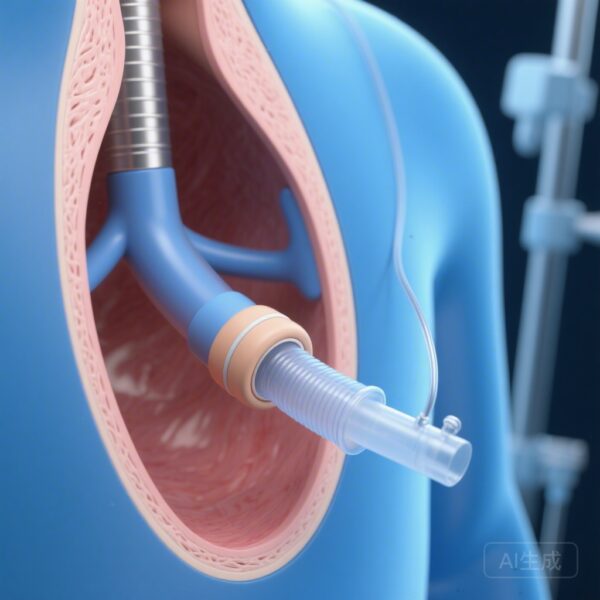
MICROINHALO found that automatic cuff pressure control plus subglottic secretion drainage did not reduce tracheal colonization, but it was linked to fewer ventilator-associated pneumonia cases in critically ill intubated patients.

Impact of Appropriate Antimicrobial Therapy on ICU Patient Outcomes: Subanalysis of the DIANA Study Dataset
Critical Careantimicrobial therapycritical care

Impact of Appropriate Antimicrobial Therapy on ICU Patient Outcomes: Subanalysis of the DIANA Study Dataset

By MedXY|Jun 5, 2026

In critically ill ICU patients with confirmed bacterial infections, appropriate empiric antimicrobial therapy was common and independently linked to lower 28-day mortality and more antimicrobial-free days.

Enteral vs IV Magnesium Replacement in Critically Ill Patients: A Randomized Noninferiority Trial
Critical Carecritical careenteral therapy

Enteral vs IV Magnesium Replacement in Critically Ill Patients: A Randomized Noninferiority Trial

By MedXY|Jun 5, 2026

A randomized ICU trial found oral/enteral magnesium was not proven noninferior to IV replacement for correcting mild-to-moderate hypomagnesemia, but it lowered urinary magnesium loss, cost, waste, carbon emissions, and IV fluid use.

Extracorporeal Cardiopulmonary Resuscitation for Pediatric Out-of-Hospital Cardiac Arrest
Cardiologycritical careemergency medicine

Extracorporeal Cardiopulmonary Resuscitation for Pediatric Out-of-Hospital Cardiac Arrest

By MedXY|Jun 2, 2026

In selected children with out-of-hospital cardiac arrest, extracorporeal CPR was associated with higher one-month survival and better neurologic outcomes than continued conventional CPR, though the study was observational and estimates were

Four Oxygenation Trajectories Define Reproducible Clinical Archetypes in Persistent Acute Respiratory Failure
Critical Careacute respiratory failureARDS

Four Oxygenation Trajectories Define Reproducible Clinical Archetypes in Persistent Acute Respiratory Failure

By MedXY|May 31, 2026

A multi-cohort study identified four reproducible 14-day oxygenation trajectory classes in persistent acute hypoxemic respiratory failure, with distinct mortality, biomarker patterns, and links to ARDS and hyperinflammatory subphenotypes.

New SCCM–ESICM Consensus Defines Refractory Septic Shock
Critical CareConsensuscritical care

New SCCM–ESICM Consensus Defines Refractory Septic Shock

By MedXY|May 15, 2026

A new SCCM–ESICM Delphi consensus standardizes clinical criteria for refractory septic shock, focusing on persistent hypoperfusion, fluid unresponsiveness, high vasopressor needs, and bedside ultrasound when mixed shock is suspected.

Early Resistance Training and Verticalization During ECMO: A Safe Path to Improved Functional Outcomes
Cardiologycritical careECMO

Early Resistance Training and Verticalization During ECMO: A Safe Path to Improved Functional Outcomes

By MedXY|Apr 27, 2026

A structured exercise program combining mobility therapy and resistance training in ECMO patients proved feasible and safe, with longer session times correlating with better functional performance.

Low-Calorie, Low-Protein Feeding in Shock: No Harm to Kidneys, NUTRIREA-3 Analysis Confirms
Critical Carecritical carenutrition therapy

Low-Calorie, Low-Protein Feeding in Shock: No Harm to Kidneys, NUTRIREA-3 Analysis Confirms

By MedXY|Apr 21, 2026

Early low-calorie and low-protein nutrition in critically ill patients with shock does not worsen renal outcomes compared to standard feeding, per NUTRIREA-3 post hoc analysis.

Language Barriers and Delirium Detection: Study Reveals Critical Disparities in ICU Care for Spanish-Speaking Patients
Critical Carecritical caredelirium

Language Barriers and Delirium Detection: Study Reveals Critical Disparities in ICU Care for Spanish-Speaking Patients

By MedXY|Apr 24, 2026

A new study highlights significant disparities in delirium detection for Spanish-speaking ICU patients, with usual-care methods missing 72% of cases. Caregiver-administered tools improved detection by 47%, offering a potential solution to l

Remimazolam Besylate Matches Propofol for Short-Term ICU Sedation: The SHOSREB Trial
Anesthesiologyanesthesiologycritical care

Remimazolam Besylate Matches Propofol for Short-Term ICU Sedation: The SHOSREB Trial

By MedXY|Apr 13, 2026

The SHOSREB trial demonstrates that remimazolam besylate is non-inferior to propofol for short-term light sedation in mechanically ventilated ICU patients, with both agents achieving 97.5% successful sedation rates and comparable time withi

Optimizing Positive End-Expiratory Pressure in Patients Without ARDS: From Non-Inferiority to Bayesian Probabilities of Benefit
Clinical Updatescritical caremechanical ventilation

Optimizing Positive End-Expiratory Pressure in Patients Without ARDS: From Non-Inferiority to Bayesian Probabilities of Benefit

By MedXY|Apr 5, 2026

Bayesian re-analysis of the RELAx trial suggests a 75-78% probability that a lower PEEP strategy is superior to higher PEEP in ICU patients without ARDS, with even higher benefits observed in specific clinical subgroups.

Red Blood Cell Exchange Transfusion for Severe Babesiosis: Evidence for Improved Survival and Clinical Outcomes
Clinical UpdatesBabesiosiscritical care

Red Blood Cell Exchange Transfusion for Severe Babesiosis: Evidence for Improved Survival and Clinical Outcomes

By MedXY|Apr 5, 2026

Recent multicenter data indicates that red blood cell exchange transfusion (ET) provides a nearly five-fold reduction in mortality and readmission for patients with severe babesiosis, challenging earlier smaller-scale observations.

Mind the Gap: Why Point-of-Care and Central Lab Electrolytes Are Not Interchangeable in the ICU
Critical Carecritical careElectrolyte Monitoring

Mind the Gap: Why Point-of-Care and Central Lab Electrolytes Are Not Interchangeable in the ICU

By MedXY|Mar 29, 2026

A prospective study highlights significant discrepancies between point-of-care and central laboratory sodium and potassium measurements in the ICU, revealing a 10.48 mmol/L limit of agreement for sodium and a widespread lack of physician aw

Rethinking Shock Management: From Standardized Protocols to Personalized Precision Medicine
Critical Carecritical careHemodynamic Monitoring

Rethinking Shock Management: From Standardized Protocols to Personalized Precision Medicine

By MedXY|Mar 19, 2026

Expert consensus highlights a shift in shock treatment, emphasizing that standardized protocols must give way to personalized, physiology-driven bedside care to prevent iatrogenic injury and improve survival.

Electrolyte Monitoring in the ICU: Bridging the Gap Between Point-of-Care and Central Laboratory Discrepancies
Clinical Updatescritical careElectrolytes

Electrolyte Monitoring in the ICU: Bridging the Gap Between Point-of-Care and Central Laboratory Discrepancies

By MedXY|Mar 18, 2026

This review analyzes the analytical biases between direct and indirect potentiometry for sodium and potassium measurement in critical care, highlighting significant clinical classification discrepancies and a widespread lack of physician aw

Antipsychotic Exposure in the ICU: A Double-Edged Sword for Catatonia Risk?
Critical CareantipsychoticsCatatonia

Antipsychotic Exposure in the ICU: A Double-Edged Sword for Catatonia Risk?

By MedXY|Mar 14, 2026

A prospective cohort study demonstrates that antipsychotic use in critically ill patients is significantly associated with fewer catatonia-free days, suggesting that dopamine blockade may be a primary driver of catatonic syndromes in intens

Daily Chlorhexidine Bathing in the ICU: Results from the CLEAN-IT Multicentre Trial
Critical CareAntimicrobial Resistancecritical care

Daily Chlorhexidine Bathing in the ICU: Results from the CLEAN-IT Multicentre Trial

By MedXY|Mar 2, 2026

A large-scale trial in Brazilian ICUs found that daily chlorhexidine bathing did not lower overall nosocomial infection rates but significantly reduced multi-drug resistant pathogen isolation and the use of high-priority reserve antibiotics

Albumin Replacement in Septic Shock: Safety Confirmed but Survival Benefit Remains Elusive
Critical CareAlbumincritical care

Albumin Replacement in Septic Shock: Safety Confirmed but Survival Benefit Remains Elusive

By MedXY|Feb 23, 2026

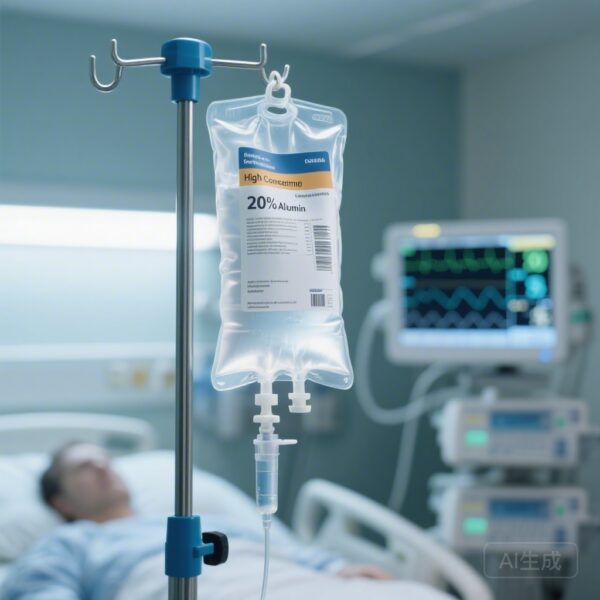
The ARISS randomized clinical trial found that 20% albumin supplementation to maintain serum levels ≥3.0 g/dL is safe in septic shock but does not significantly improve 90-day survival compared to standard crystalloids, though the study&#82

Subglottic Suction and Polyurethane Cuffs Fail to Improve Outcomes in Emergency Intubation: Insights from the PreVent 2 Trial
Critical Carecritical careventilator-associated pneumonia

Subglottic Suction and Polyurethane Cuffs Fail to Improve Outcomes in Emergency Intubation: Insights from the PreVent 2 Trial

By MedXY|Feb 19, 2026

The PreVent 2 trial demonstrates that specialized endotracheal tubes with subglottic suction and polyurethane cuffs do not significantly reduce ventilator-associated complications or improve 6-month laryngeal, cognitive, or quality-of-life

Prev
2 / 5
12345
Next
Ask MedXY AI

Most popular

Intimate Health
Five Benefits for Women Continuing Sexual Activity After Menopause
Intimate Health
Why Some Women Have a Strong Sex Drive—And Why Men Shouldn't Worry About It
Nursing & care
How often should a couple have sex?
Intimate Health
Classic Intimacy Recommendations: How to Help Women Reach Orgasm and Enjoy Mutual Pleasure
Intimate Health
What Makes a Woman "Physiologically Addicted" Is Never Money, But These Two Relationship Qualities