Unraveling the Complex Benefits and Risks of Renal Replacement Therapy in ICU Patients: Insights from a Japanese Registry
Highlight
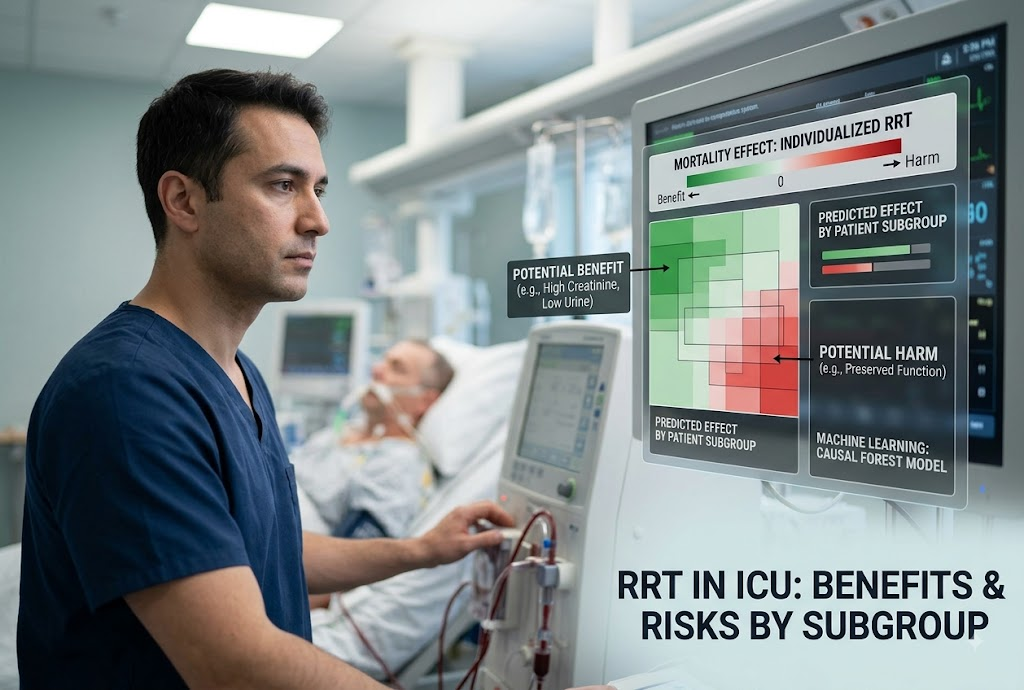
Renal replacement therapy (RRT) was overall associated with higher hospital mortality in critically ill patients, but substantial heterogeneity in treatment effects exists.
Machine learning methods identified patient subgroups with potential mortality benefit from RRT, particularly those with elevated serum creatinine, reduced urine output, and high blood urea nitrogen levels.
Patients with relatively preserved renal function experienced potential harm, underscoring the need for more individualized treatment decisions.
These findings support a data-driven, nuanced approach to optimize RRT initiation strategies in ICU settings.
Study Background
Sign in free to continue reading
Create or use your MedXY account to unlock the complete article.
This article was created using several editorial tools, including AI, as part of the process. Human editors reviewed this content before publication.