We use cookies

Our website uses essential cookies and, with your consent, additional cookies to measure performance and improve our services. Cookie Policy.

You can change your choice at any time.

MMedXYNews
HomeVideos
© 2026 MedXY
Contact usAbout usPrivacy PolicyMedXY story
MedXY AI/MedXY News/Ophthalmology

Ophthalmology

Ask MedXY AI
What is the latest evidence?Key clinical updatesGuideline changes

Latest news

The 22 mm Hg Threshold: Does a Historical Cutoff Still Dictate Modern Glaucoma Management?
newsClinical Decision-Makingglaucoma

The 22 mm Hg Threshold: Does a Historical Cutoff Still Dictate Modern Glaucoma Management?

By MedXY|Jan 17, 2026

A multicenter cohort study of 1.8 million clinic encounters reveals that while clinicians view intraocular pressure as a continuous risk factor, the historical 22 mm Hg cutoff remains a significant psychological trigger for escalating glauc
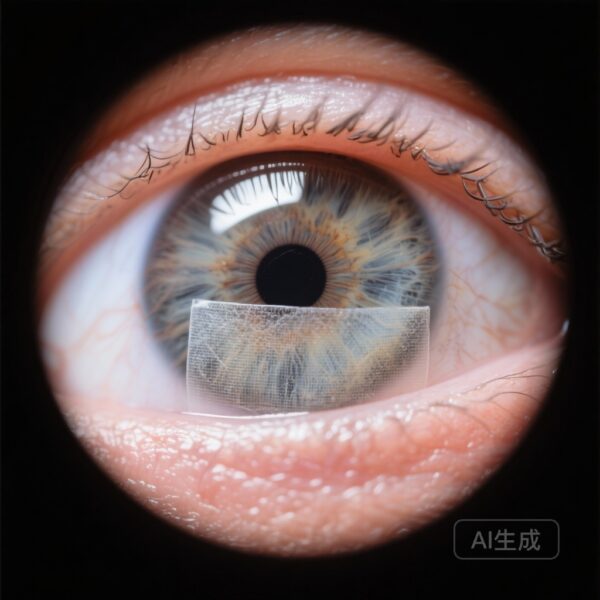
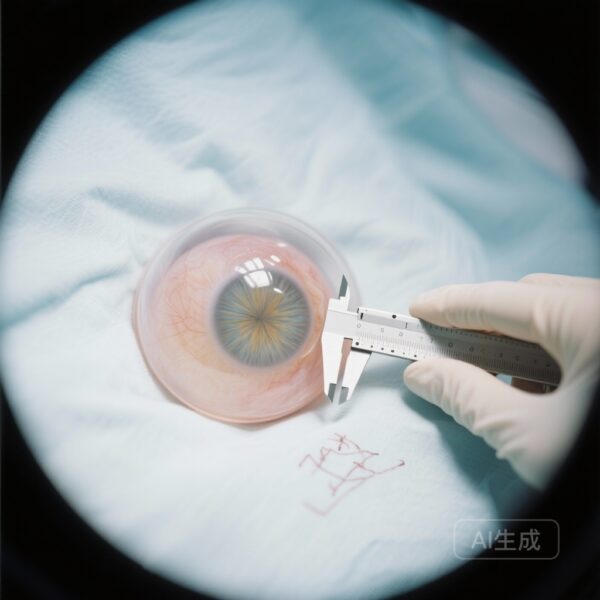
Donor Diabetes Status Does Not Compromise DMEK Outcomes: 1-Year Results from the DEKS Randomized Clinical Trial
Diabetes & EndocrinologydiabetesDMEK

Donor Diabetes Status Does Not Compromise DMEK Outcomes: 1-Year Results from the DEKS Randomized Clinical Trial

By MedXY|Jan 10, 2026

The Diabetes Endothelial Keratoplasty Study (DEKS) confirms that donor diabetes status has no clinically significant impact on 1-year graft success rates or endothelial cell loss after Descemet membrane endothelial keratoplasty (DMEK), faci

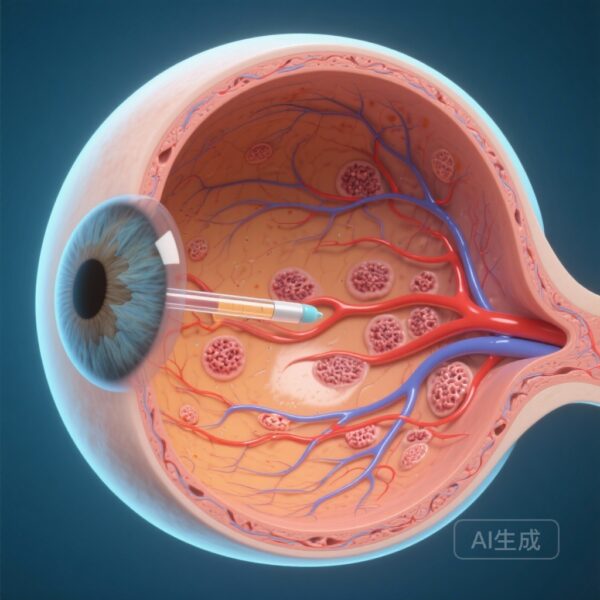
NT-501 Encapsulated Cell Therapy Successfully Slows Photoreceptor Loss in Macular Telangiectasia Type 2: Results from Two Phase 3 Trials
newsCiliary Neurotrophic FactorMacular Telangiectasia Type 2

NT-501 Encapsulated Cell Therapy Successfully Slows Photoreceptor Loss in Macular Telangiectasia Type 2: Results from Two Phase 3 Trials

By MedXY|Dec 31, 2025

Two Phase 3 trials show that NT-501 encapsulated cell therapy significantly reduces ellipsoid zone area loss in Macular Telangiectasia Type 2. While functional outcomes were inconsistent, the treatment demonstrated a robust neuroprotective

Pentosan Polysulfate Maculopathy Following Subcutaneous Injections for Arthritis: A Case Series
newscase reportdiagnosis

Pentosan Polysulfate Maculopathy Following Subcutaneous Injections for Arthritis: A Case Series

By MedXY|Dec 26, 2025

Three cases of pentosan polysulfate maculopathy occurred after subcutaneous administration for arthritis at much lower cumulative doses than oral use, highlighting retinal toxicity risk and need for early detection.

High-Dose Aflibercept 8 mg Demonstrates Sustained Visual Gains and Durability in Polypoidal Choroidal Vasculopathy
newsPolypoidal Choroidal Vasculopathyretinal diseases

High-Dose Aflibercept 8 mg Demonstrates Sustained Visual Gains and Durability in Polypoidal Choroidal Vasculopathy

By MedXY|Dec 24, 2025

This post hoc analysis of the PULSAR trial reveals that aflibercept 8 mg provides noninferior visual outcomes and comparable anatomic regression to standard 2 mg dosing in PCV patients, while allowing for significantly extended treatment in

Medical and Surgical Treatments for Neurotrophic Keratopathy: What Randomized Trials Tell Us (and What They Don’t)
newscenegerminneurotrophic keratopathy

Medical and Surgical Treatments for Neurotrophic Keratopathy: What Randomized Trials Tell Us (and What They Don’t)

By MedXY|Dec 16, 2025

A Cochrane review of seven RCTs (494 participants) finds low- to very low-certainty evidence that select medical therapies — notably recombinant human nerve growth factor — may improve corneal re-epithelialization in neurotrophic keratopath

Which Patients with Open-Angle Glaucoma Progress Faster? Key Prognostic Factors from a Cochrane Synthesis
newsglaucomaopen-angle glaucoma

Which Patients with Open-Angle Glaucoma Progress Faster? Key Prognostic Factors from a Cochrane Synthesis

By MedXY|Dec 15, 2025

A Cochrane review of 22 cohort studies (6,082 patients) found bilateral disease, disc haemorrhage, female sex, and active treatment have the most consistent associations with visual-field progression in open-angle glaucoma, but overall evid

Clinical Findings and Molecular Genetics of USH1C-Associated Usher Syndrome: A Retrospective Case Series
newscase reportdiagnosis

Clinical Findings and Molecular Genetics of USH1C-Associated Usher Syndrome: A Retrospective Case Series

By MedXY|Nov 27, 2025

This case series reviews clinical features, genetic variants, visual outcomes, and psychosocial impact in 28 patients with USH1C-associated Usher syndrome, highlighting slow retinal degeneration and significant social burden.

Rigid Gas-Permeable Contact Lenses Improve Visual Rehabilitation After Primary Congenital Glaucoma Surgery: Results of the CLEVR‑PCG Randomized Trial
newsamblyopia

Rigid Gas-Permeable Contact Lenses Improve Visual Rehabilitation After Primary Congenital Glaucoma Surgery: Results of the CLEVR‑PCG Randomized Trial

By MedXY|Nov 25, 2025

In children after primary congenital glaucoma surgery with poor spectacle response, rigid gas‑permeable contact lenses produced greater improvements in worse‑eye visual acuity, contrast sensitivity, and near stereoacuity over 12 months comp

Five-Year Visual Outcomes After Lensectomy for Childhood Traumatic Cataract: Modest Vision Gains but High Rates of Visual Axis Opacification in Pseudophakia
newsglaucoma

Five-Year Visual Outcomes After Lensectomy for Childhood Traumatic Cataract: Modest Vision Gains but High Rates of Visual Axis Opacification in Pseudophakia

By MedXY|Nov 25, 2025

A prospective PEDIG cohort found modest long-term vision after lensectomy for pediatric traumatic cataract, low 5-year glaucoma prevalence, and high 5-year surgery rates for visual axis opacification in pseudophakic eyes, especially without

Manual Marking Without Special Equipment Is Noninferior to Digital Guidance for Capsulorhexis Accuracy in Phacoemulsification
newsCataract

Manual Marking Without Special Equipment Is Noninferior to Digital Guidance for Capsulorhexis Accuracy in Phacoemulsification

By MedXY|Nov 25, 2025

A randomized noninferiority trial found that a device-free manual marking-assisted capsulorhexis (MMAC) produced capsulorhexis diameters and centration comparable to digital guidance (DGAC), supporting a low-cost, widely applicable techniqu

Foundation Models Narrow the Knowledge Gap in Ophthalmology but Struggle with Images
AIophthalmology

Foundation Models Narrow the Knowledge Gap in Ophthalmology but Struggle with Images

By MedXY|Nov 25, 2025

Contemporary foundation models match experts on text-only ophthalmology exam questions but underperform on image-based items; targeted multimodal training and prospective validation are needed before clinical deployment.

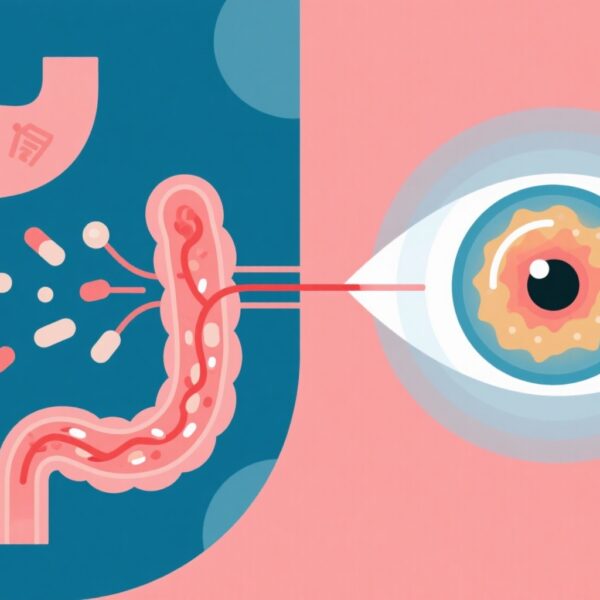
Indole-3-Propionic Acid Bridges Gut Dysfunction and Diabetic Retinopathy — A Biomarker and Therapeutic Avenue
Diabetes & Endocrinologygut microbiomeretinopathy đái tháo đường

Indole-3-Propionic Acid Bridges Gut Dysfunction and Diabetic Retinopathy — A Biomarker and Therapeutic Avenue

By MedXY|Nov 9, 2025

A Gut 2025 study identifies microbially produced indole-3-propionic acid (IPA) as a protective metabolite linking restored intestinal tryptophan handling to prevention of diabetic retinopathy in mice and associates low serum IPA with retino

Understanding the FDA’s Rejection of SYD-101: Navigating the Challenges in Pediatric Myopia Treatment
newsatropineFDA approval

Understanding the FDA’s Rejection of SYD-101: Navigating the Challenges in Pediatric Myopia Treatment

By MedXY|Nov 4, 2025

The FDA has rejected Sydnexis’s low-dose atropine eye drop SYD-101 for controlling childhood myopia progression despite promising trial results, highlighting challenges in demonstrating long-term efficacy and clinical significance in

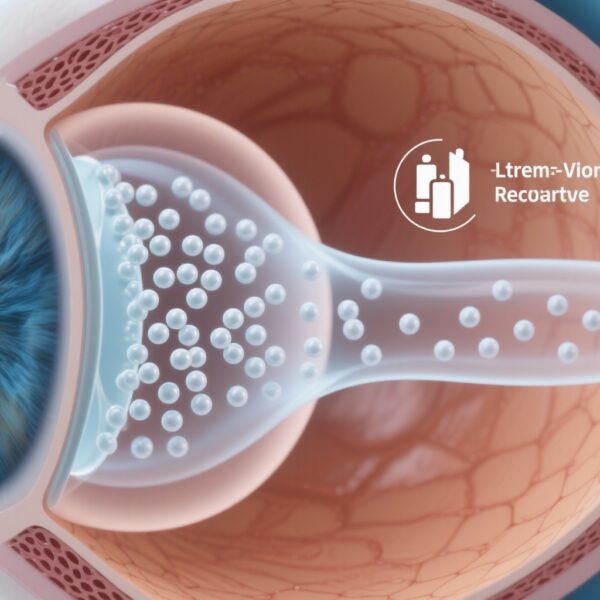
Biodegradable Aflibercept Microsphere‑Hydrogel Shows Long‑Term Ocular Biocompatibility in Rhesus Macaques
newsophthalmology

Biodegradable Aflibercept Microsphere‑Hydrogel Shows Long‑Term Ocular Biocompatibility in Rhesus Macaques

By MedXY|Nov 3, 2025

A biodegradable PLGA microsphere–thermo‑responsive hydrogel delivering aflibercept was well tolerated after single intravitreal injection in 23 rhesus macaques with preserved retinal structure and function up to 24 months.

Cenegermin Eye Drops Show High Healing Rates in Chinese Patients with Moderate–Severe Neurotrophic Keratopathy
newscenegerminChina

Cenegermin Eye Drops Show High Healing Rates in Chinese Patients with Moderate–Severe Neurotrophic Keratopathy

By MedXY|Nov 2, 2025

A prospective phase IV open‑label Chinese study found cenegermin achieved corneal healing in 84.6% of stage 2/3 neurotrophic keratopathy patients at 8 weeks, with durable effects through 56 weeks and an acceptable safety profile.

Long-Term Progression and Risk Factors of Diabetic Retinopathy in Type 2 Diabetes: Insights from the Skaraborg Cohort in Sweden
Diabetes & Endocrinologycohort studyretinopathy đái tháo đường

Long-Term Progression and Risk Factors of Diabetic Retinopathy in Type 2 Diabetes: Insights from the Skaraborg Cohort in Sweden

By MedXY|Oct 31, 2025

This cohort study tracks diabetic retinopathy incidence over 24 years in type 2 diabetes patients, highlighting the impact of glycemic control and hypertension on disease progression.

Glucagon-Like Peptide-1 Receptor Agonists and Ocular Risks: A Comprehensive Review of Neovascular AMD, Diabetic Retinopathy, and Ischemic Optic Neuropathy in Diabetes
Diabetes & Endocrinologydiabetic retinopathyGLP-1 receptor agonists

Glucagon-Like Peptide-1 Receptor Agonists and Ocular Risks: A Comprehensive Review of Neovascular AMD, Diabetic Retinopathy, and Ischemic Optic Neuropathy in Diabetes

By MedXY|Oct 29, 2025

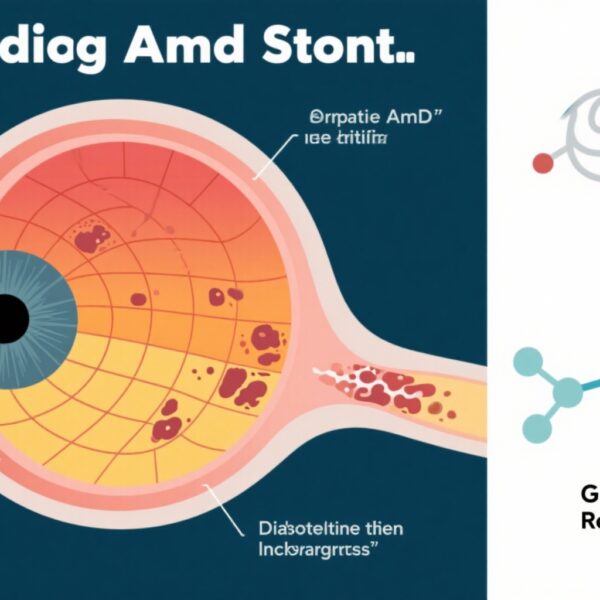
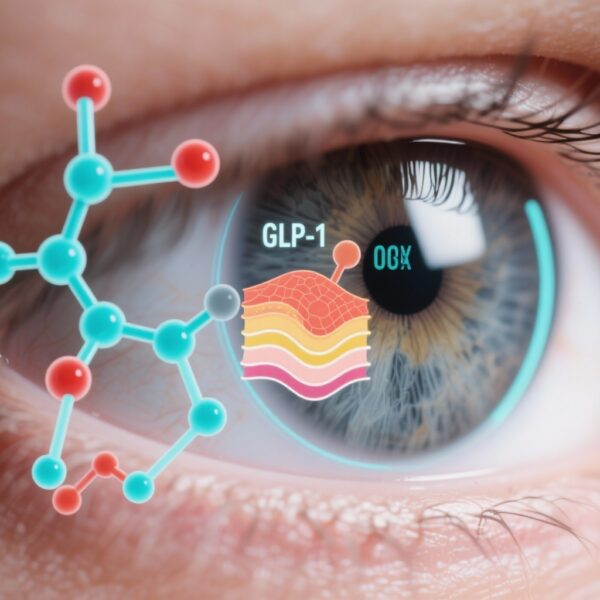
GLP-1 receptor agonists used in diabetes show a twofold increased risk of neovascular AMD, a modest risk elevation for diabetic retinopathy, and a small but significant increased risk for nonarteritic anterior ischemic optic neuropathy, war

Glucagon-Like Peptide-1 Receptor Agonists May Lower the Risk of Nonexudative Age-Related Macular Degeneration in Obese Non-Diabetic Adults
Diabetes & Endocrinologyage-related macular degenerationGLP-1 receptor agonists

Glucagon-Like Peptide-1 Receptor Agonists May Lower the Risk of Nonexudative Age-Related Macular Degeneration in Obese Non-Diabetic Adults

By MedXY|Oct 25, 2025

A large retrospective cohort study reveals that GLP-1 receptor agonists significantly reduce the risk of developing nonexudative age-related macular degeneration in obese individuals without diabetes, with no effect on progression to exudat

Advances in Targeted and Gene Therapies: Promising Data on KRAS G12D Inhibitors, DR5 Agonists, and Ocular Gene Therapy
Hematology-Oncologygene therapySoft Tissue Sarcoma

Advances in Targeted and Gene Therapies: Promising Data on KRAS G12D Inhibitors, DR5 Agonists, and Ocular Gene Therapy

By MedXY|Oct 24, 2025

Recent clinical trials report encouraging tumor shrinkage with KRAS G12D inhibitor VS-7375, significant progression-free survival benefit in soft tissue sarcoma with ozekibart, and a novel gene therapy acquisition targeting wet AMD.

Prev
10 / 12
1…89101112
Next
Ask MedXY AI

Most popular

Intimate Health
Five Benefits for Women Continuing Sexual Activity After Menopause
Intimate Health
Why Some Women Have a Strong Sex Drive—And Why Men Shouldn't Worry About It
Nursing & care
How often should a couple have sex?
Intimate Health
Classic Intimacy Recommendations: How to Help Women Reach Orgasm and Enjoy Mutual Pleasure
Intimate Health
What Makes a Woman "Physiologically Addicted" Is Never Money, But These Two Relationship Qualities

Browse by specialty

Open language-specific specialty feeds and department pages.

news6629 articlesCardiology1375 articlesClinical Updates1288 articlesOncology1139 articlesDiabetes & Endocrinology842 articlesNeurology820 articlesPublic Health595 articlesGastroenterology572 articles
Hematology-Oncology
487 articles
Pediatrics484 articles
Internal Medicine444 articles