MMedXYNews
Ask AIHomeVideos
MedXY AI/MedXY News/Tag: acute kidney injury

acute kidney injury

Latest news

Tag

Critical Care

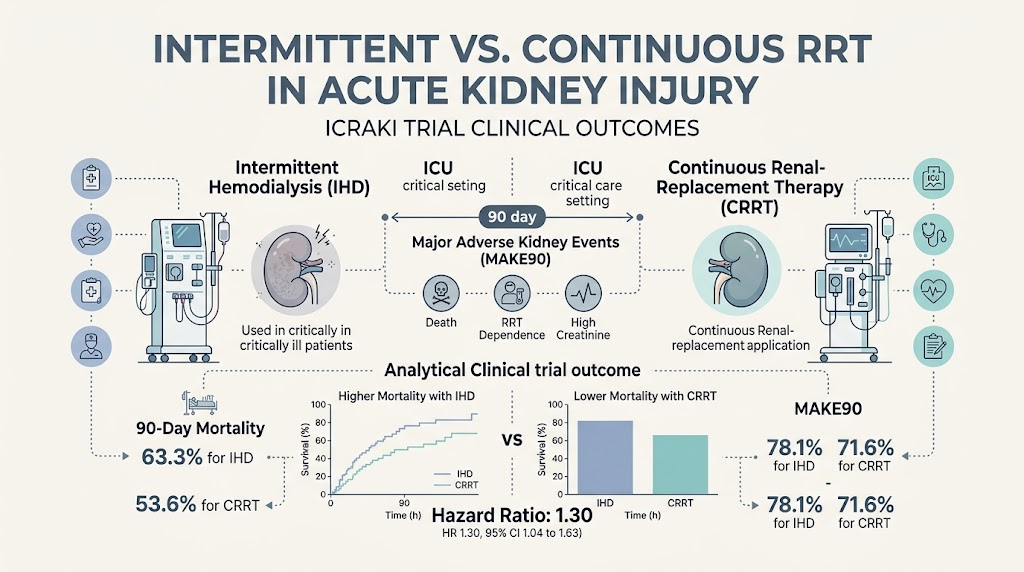
Intermittent vs Continuous Renal-Replacement Therapy in Acute Kidney Injury: Insights from a Multicenter Trial

This randomized trial compared intermittent hemodialysis and continuous renal-replacement therapy in critically ill AKI patients and found that continuous therapy was associated with lower 90-day mortality and similar kidney outcomes.
Oct 25, 2026
Critical Care

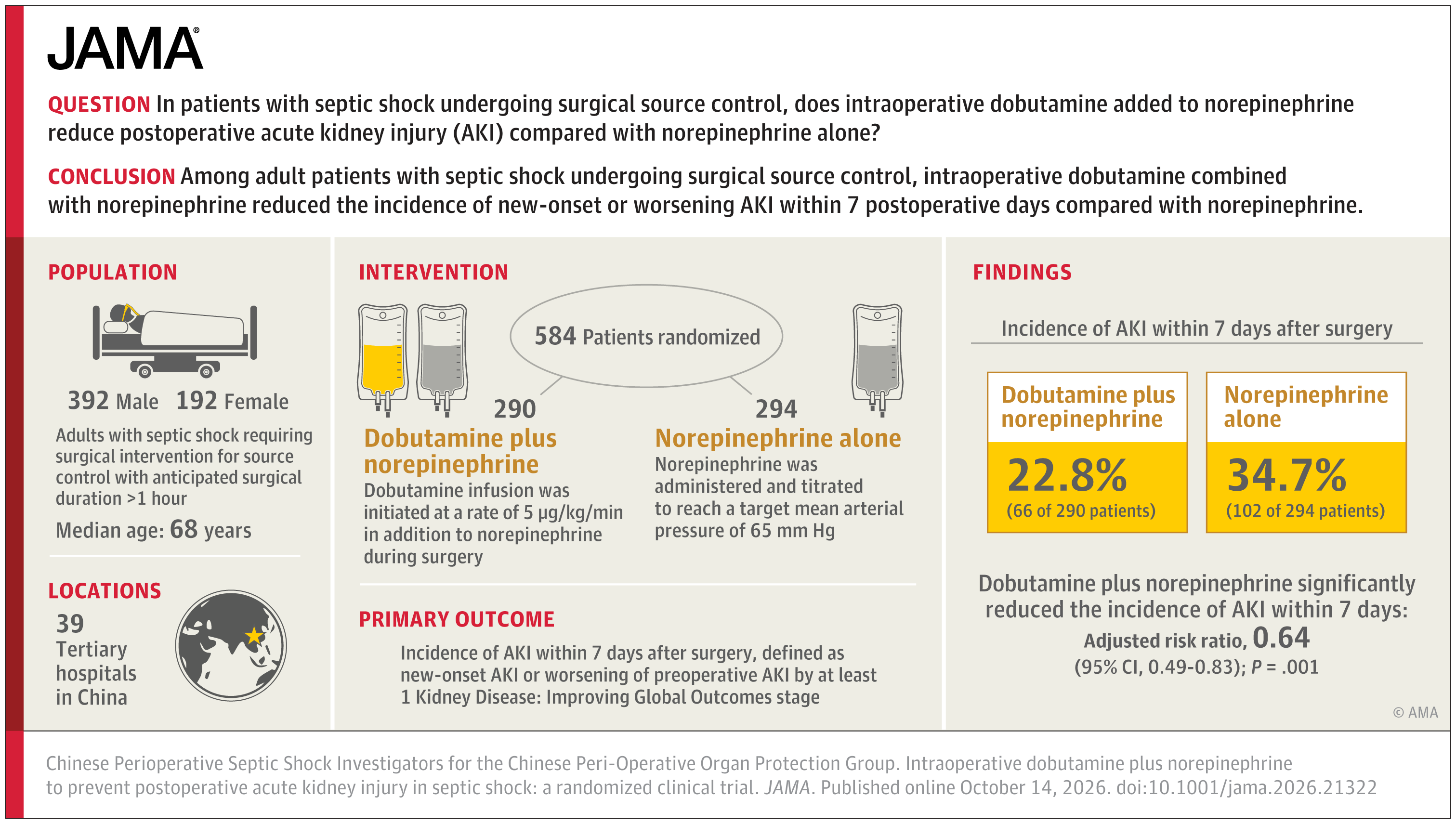
Intraoperative Dobutamine Plus Norepinephrine Significantly Reduces Postoperative Acute Kidney Injury in Septic Shock: Insights from a Multicenter Randomized Trial

A randomized clinical trial demonstrates that adding intraoperative dobutamine to norepinephrine during surgical source control for septic shock significantly decreases postoperative acute kidney injury incidence and severity.

Oct 23, 2026
Critical Care

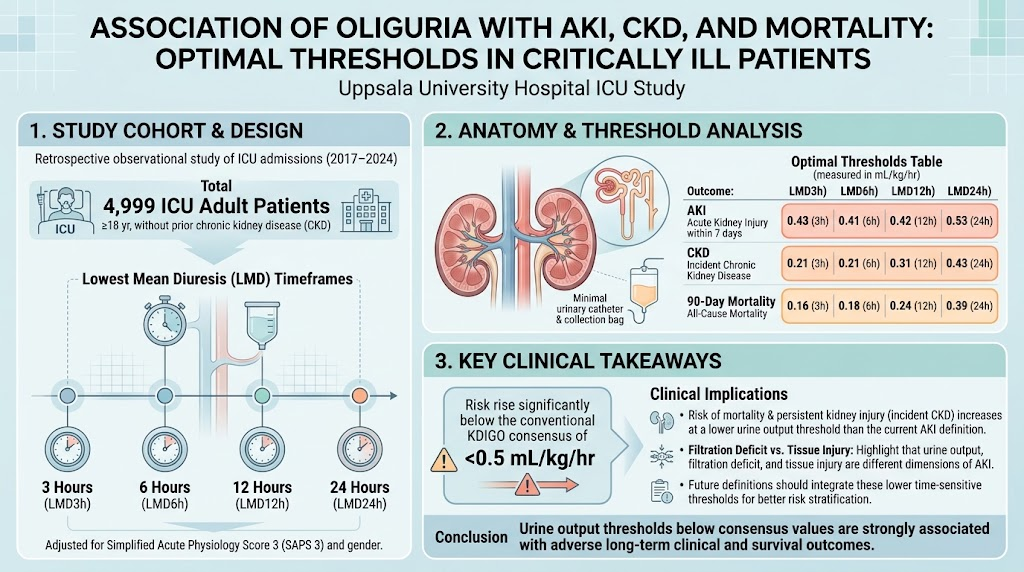
Reevaluating Oliguria Thresholds in Critical Care: Implications for AKI, CKD, and Mortality Risk

New evidence suggests lower urine output thresholds than current standards better predict acute kidney injury, chronic kidney disease, and mortality in critically ill patients, urging redefinition of oliguria parameters in AKI diagnostics.

Oct 19, 2026
Clinical Updates

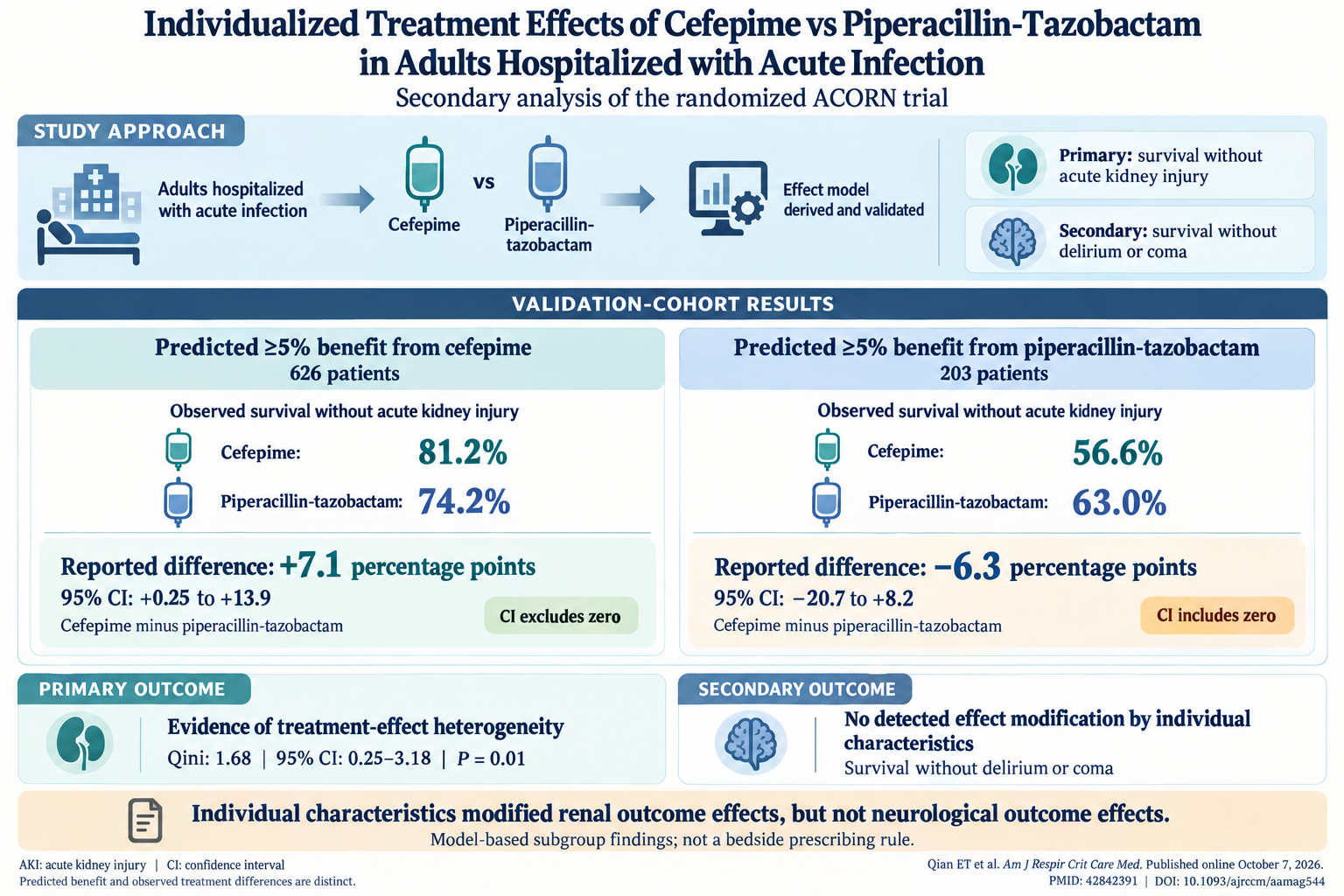
Individualized Treatment Effects of Cefepime vs Piperacillin-Tazobactam in Adults Hospitalized with Acute Infection: A Review of Evidence and Clinical Implications

This review synthesizes evidence on how individual patient characteristics modify the comparative effects of cefepime versus piperacillin-tazobactam on acute kidney injury and neurologic outcomes in adults hospitalized with acute infection.

Oct 13, 2026
Clinical Updates

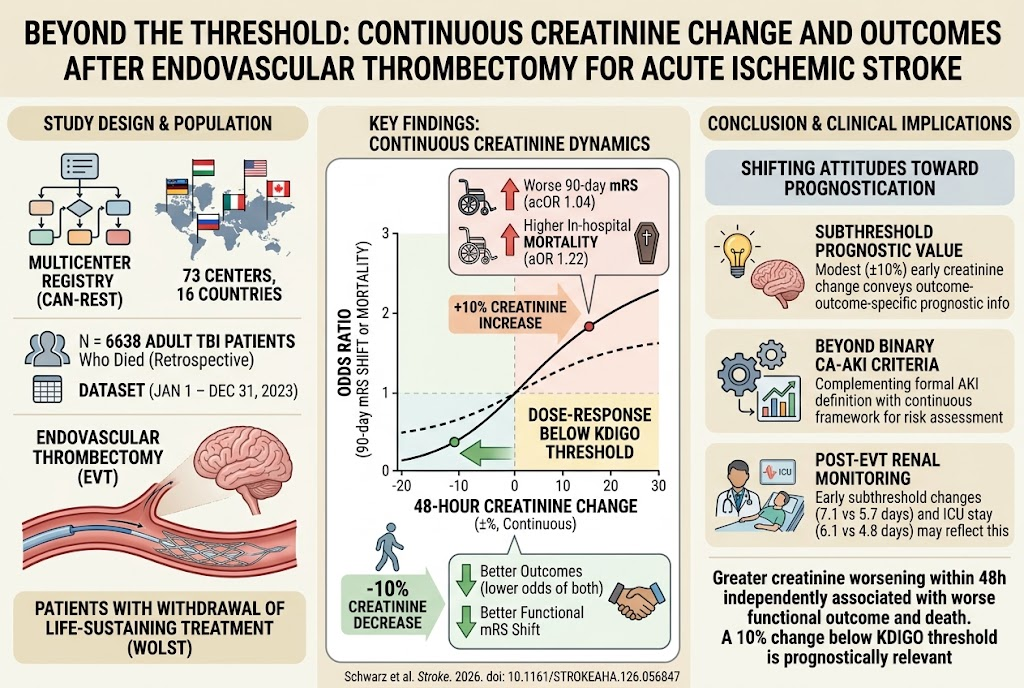
Beyond the Threshold: Continuous Creatinine Change and Outcomes After Endovascular Thrombectomy for Acute Ischemic Stroke

Early continuous creatinine changes within 48 hours after EVT correlate with graded risks of poor 90-day functional outcome and in-hospital mortality, revealing prognostic nuances beyond traditional dichotomous CA-AKI definitions.

Oct 5, 2026
Cardiology

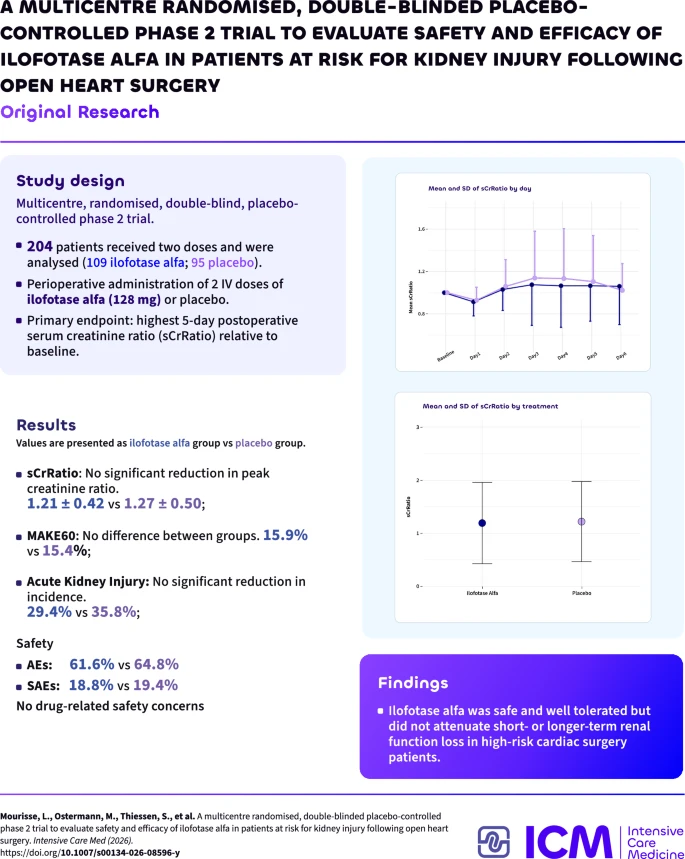
Ilofotase Alfa in Preventing Acute Kidney Injury Post-Cardiac Surgery: Insights from a Phase 2 Randomized Trial

A phase 2 randomized trial found that ilofotase alfa did not significantly reduce kidney injury or improve outcomes in high-risk patients undergoing on-pump cardiac surgery, though it was safe and well tolerated.

Sep 24, 2026
Critical Care

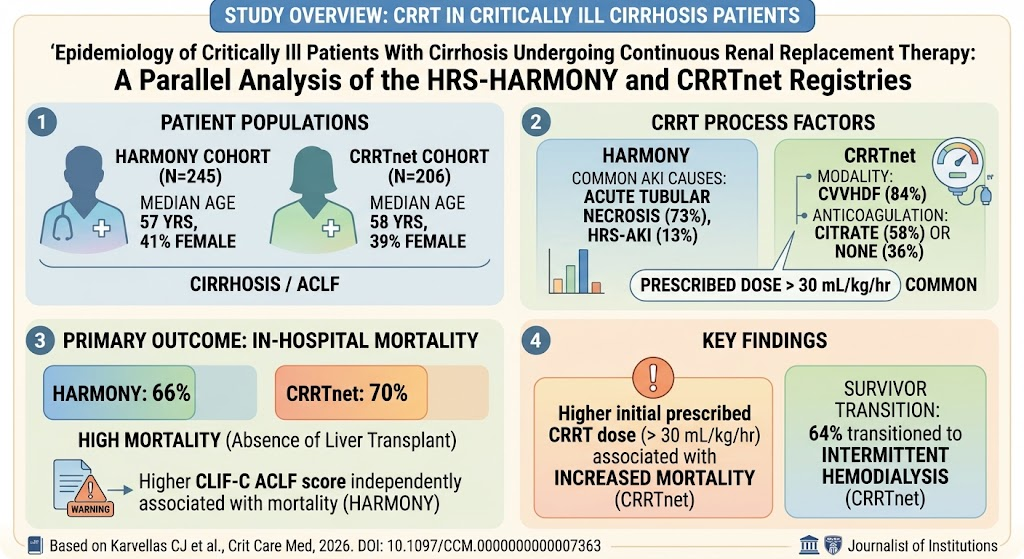
Epidemiology and Outcomes of CRRT in Critically Ill Cirrhosis Patients: Insights from the HRS-HARMONY and CRRTnet Registries

This study analyzes the epidemiology, treatment processes, and outcomes of critically ill cirrhosis patients undergoing continuous renal replacement therapy, highlighting high mortality rates, anticoagulation practices, and implications of

Sep 24, 2026Sign in to read
Critical Care

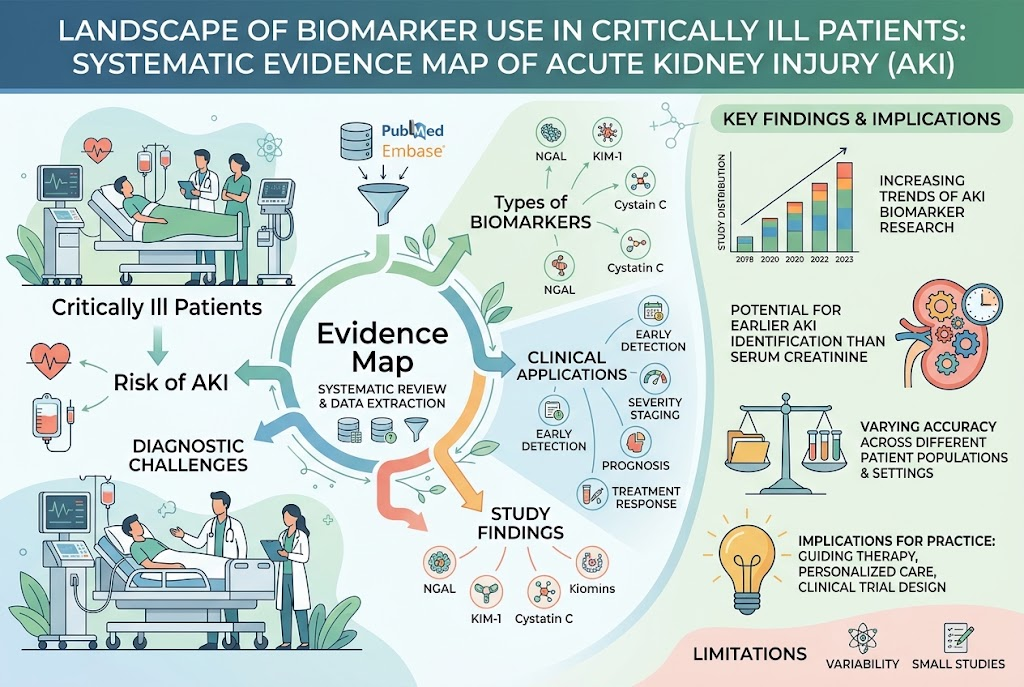
Unlocking the Potential of Novel Biomarkers for Acute Kidney Injury in the Critically Ill: A Comprehensive Evidence Mapping

This article reviews over 1100 studies on novel biomarkers for acute kidney injury (AKI) in critically ill patients, highlighting their predictive, diagnostic, and management roles while identifying gaps for future clinical implementation.

Sep 18, 2026
Nephrology

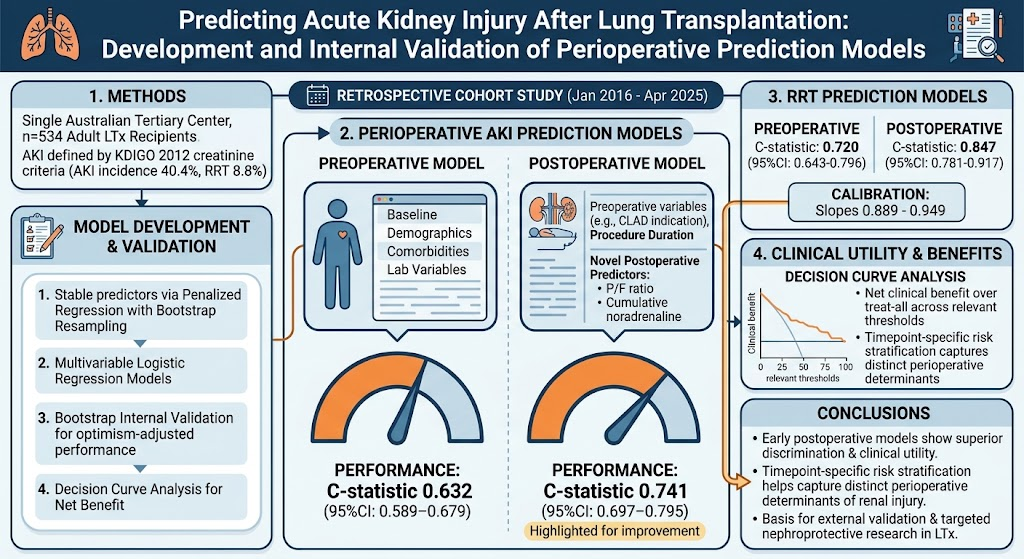
Advancing Perioperative Risk Stratification: Predicting Acute Kidney Injury Following Lung Transplantation

Comprehensive pre- and early postoperative models predict acute kidney injury and need for renal replacement after lung transplantation, improving risk stratification and enabling targeted nephroprotection.

Aug 20, 2026Sign in to read
Critical Care

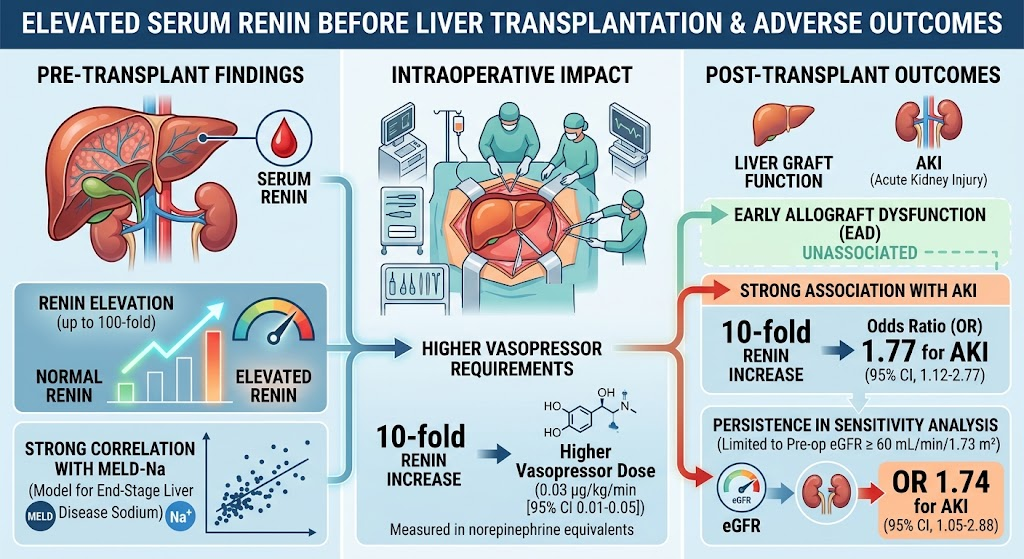
Elevated Preoperative Serum Renin Predicts Vasopressor Need and Acute Kidney Injury in Liver Transplant Patients

Pre-liver transplantation elevated serum renin levels correlate with increased intraoperative vasopressor use and postoperative acute kidney injury, suggesting its potential as a predictive biomarker for perioperative management and renal r

Aug 17, 2026Sign in to read
Critical Care

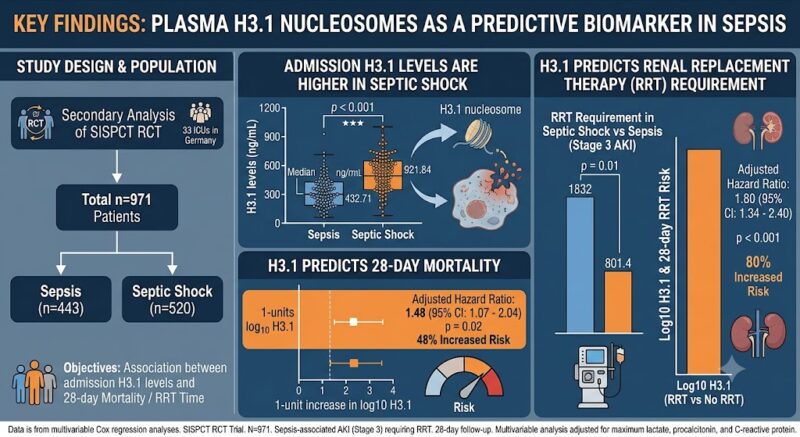
H3.1 Nucleosomes as Predictive Biomarkers for Renal Replacement Therapy and Mortality in Sepsis: Insights from the SISPCT Trial

Elevated plasma levels of H3.1 nucleosomes at ICU admission correlate with increased mortality and acute kidney injury requiring renal replacement therapy in sepsis, highlighting their potential as prognostic biomarkers.

Aug 7, 2026
Critical Care

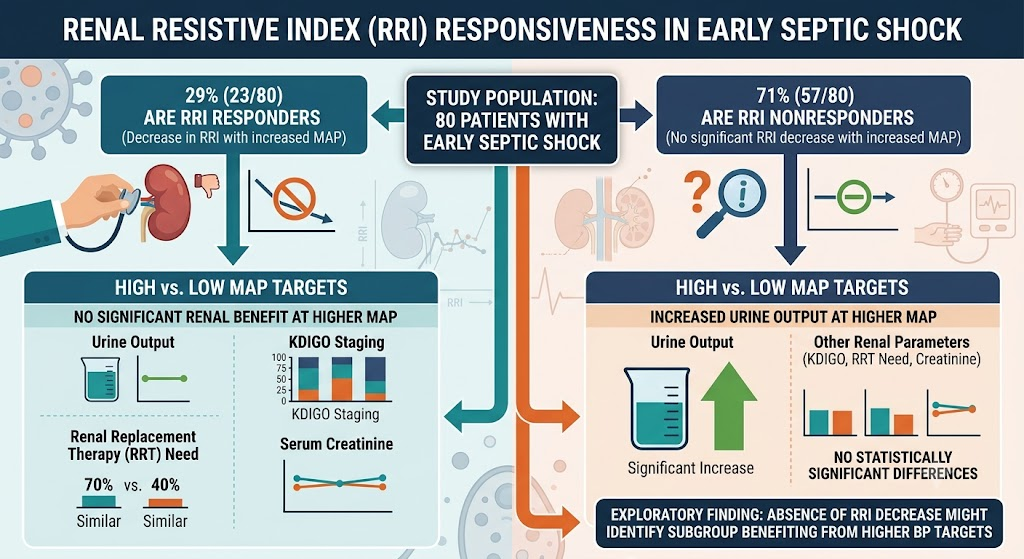
Evaluating Renal Resistive Index Responsiveness to MAP Targets in Early Septic Shock: Clinical Implications and Physiologic Insights

This study explores whether renal resistive index (RRI) changes during a transient elevation of mean arterial pressure (MAP) can guide individualized MAP targets to optimize renal function in early septic shock, finding that RRI decrease do

Aug 5, 2026
Nephrology

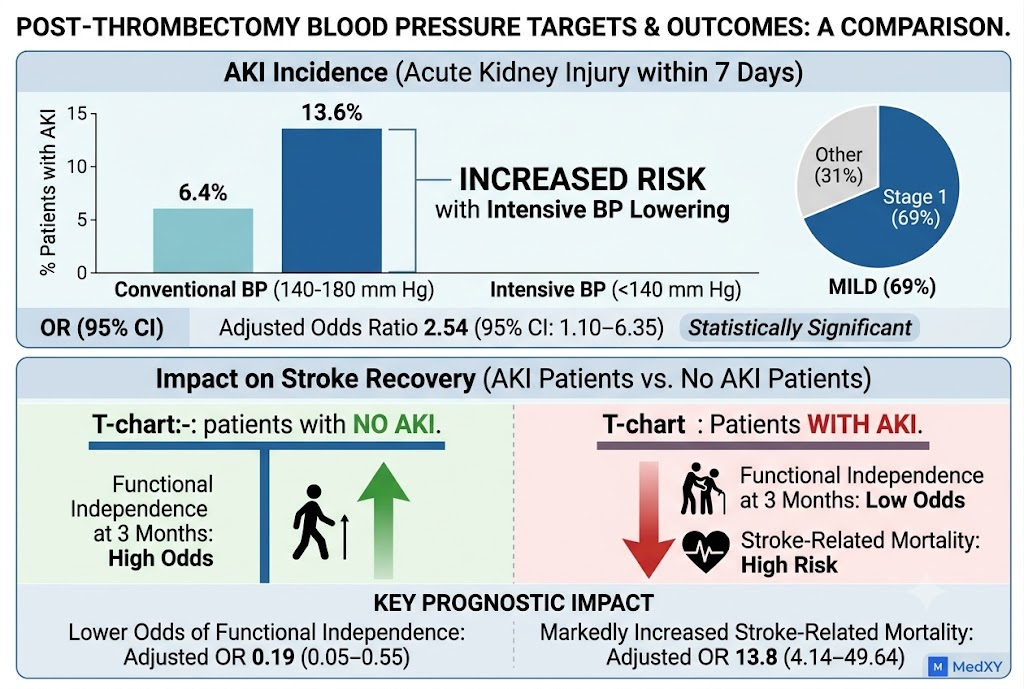
Balancing Blood Pressure After Endovascular Thrombectomy: Risks of Acute Kidney Injury and Impact on Stroke Recovery

Intensive blood pressure lowering post-thrombectomy increases acute kidney injury risk, which correlates with poorer neurological outcomes in stroke patients. Careful BP management is crucial to prevent renal complications and optimize reco

Jul 31, 2026Sign in to read
Transplantation

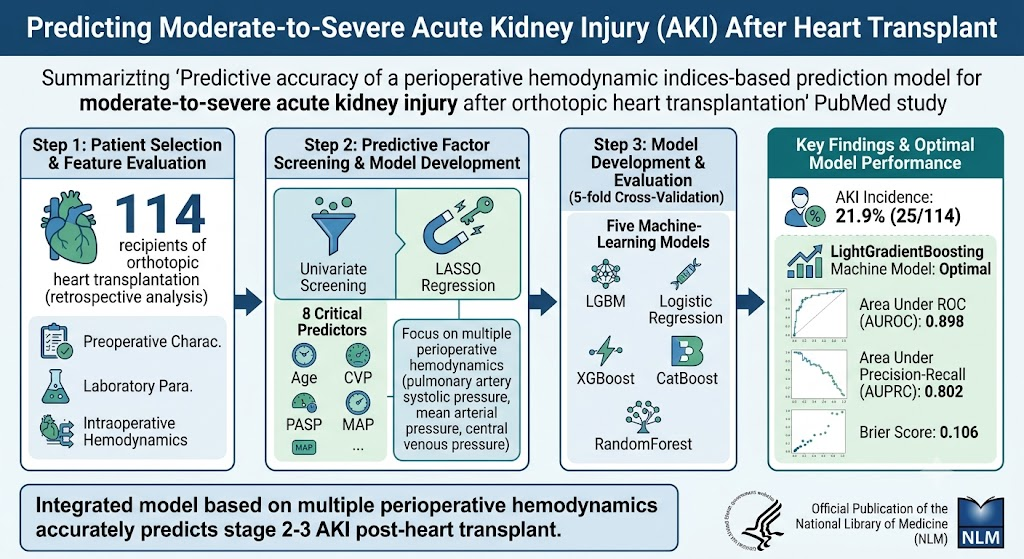
Machine-learning model incorporating perioperative hemodynamics predicts moderate-to-severe AKI after heart transplantation

A machine-learning model using perioperative hemodynamic indices accurately predicted stage 2-3 acute kidney injury after orthotopic heart transplantation in 114 patients, with light gradient boosting machine achieving AUC 0.898.

Jul 29, 2026Sign in to read
Anesthesiology

Optimizing Intraoperative Blood Pressure in Hypertensive High-Risk Patients: Insights from the HISTAP Trial

In hypertensive high-risk patients undergoing major abdominal surgery, targeting an intraoperative mean arterial pressure ≥80 mmHg reduces postoperative organ dysfunction and acute kidney injury compared to the standard target of ≥65 mmHg.

Jul 9, 2026Sign in to read
Gastroenterology

Chronic Kidney Disease Worsens Short-Term Outcomes in Hospitalized Patients With Cirrhosis Across a Global Cohort

In a large international prospective cohort of hospitalized patients with cirrhosis, chronic kidney disease was common, clustered with metabolic risk, and strongly associated with acute kidney injury, more decompensation, and higher in-hosp

Jun 7, 2026Sign in to read
Gastroenterology

OCE-205 Signals a Potential New Direction for Hepatorenal Syndrome-AKI, with Tolerability at the Center

In a phase 2 randomized trial, OCE-205 improved HRS-AKI in more patients than placebo and showed no excess ischemic or respiratory toxicity, but the study was underpowered after early termination.

Apr 20, 2026
Cardiology

Etiology, Management, and Outcomes of Society for Cardiovascular Angiography and Interventions Stage B Cardiogenic Shock

This clinical analysis of 500 patients identifies heart failure and arrhythmias as the primary causes of SCAI Stage B shock. Key findings highlight acute kidney injury and diuretic resistance as significant predictors of clinical deteriorat

Mar 10, 2026
Cardiology

The Warning Signs of Deterioration: Acute Kidney Injury and Diuretic Resistance in SCAI Stage B Cardiogenic Shock

A large-scale study reveals that 25% of patients with SCAI Stage B cardiogenic shock deteriorate clinically. Acute kidney injury and diuretic resistance are identified as critical, independent predictors of poor outcomes, emphasizing the ne

Mar 1, 2026
Cardiology

AKI and Diuretic Resistance: Identifying the High-Risk Phenotype in SCAI Stage B Cardiogenic Shock

New research highlights that nearly a quarter of SCAI Stage B cardiogenic shock patients deteriorate. Acute kidney injury and diuretic resistance serve as critical early warning signs, providing clinicians a window for proactive interventio

Mar 1, 2026Sign in to read
1 / 2
12
Next

Most read

  1. 01Intimate Health

    Five Benefits for Women Continuing Sexual Activity After Menopause

  2. 02Intimate Health

    Why Some Women Have a Strong Sex Drive—And Why Men Shouldn't Worry About It

  3. 03Nursing & care

    How often should a couple have sex?

  4. 04Cardiology

    Precision Medicine for Long QT Syndrome Type 2: Lumacaftor Corrects Trafficking Defects and Shortens QT Interval

  5. 05General Surgery

    Optimizing Postoperative Opioid Prescriptions After Intra-Abdominal Cancer Surgery: Comparing the 5x-Multiplier and 3-Tier Models

Go deeper with MedXY AI

Explore the evidence behind the news.

Ask AI
MedXY briefing

Stay informed

Medical news and research updates, delivered to your inbox.

© 2026 MedXY
Contact usAbout usPrivacy PolicyMedXY story