The Secret to Success? It’s All in Your Sleep (and How to Get More of It)
Background
What if the secret to professional achievement, emotional resilience, and physical health wasn’t found in a new productivity hack or the latest supplement, but rather in your bedroom? For centuries, society has celebrated those who burn the candle at both ends, idolizing leaders and innovators who seemingly thrive on little rest. But modern science is flipping this narrative on its head: quality sleep is not just a luxury, but a fundamental pillar of success and well-being.
Consider the case of “Alex,” a fictional but typical high-achiever. Alex is a junior executive at a fast-paced tech firm, juggling long hours, family life, and evening workouts. To keep up, Alex trims sleep to five hours a night, relying on caffeine to power through meetings. Initially, this feels sustainable. But over months, Alex’s mood dips, focus wanes, and minor errors creep into work. What’s happening under the surface illustrates the profound, often underestimated power of sleep.
Scientific and Clinical Evidence: What the Data Tell Us
Sleep is not a passive state. It’s an active, complex process vital for brain function, metabolic health, immune defense, and emotional regulation. Decades of research have established that most adults need at least 7–9 hours of sleep per night, yet surveys consistently show that up to one-third of adults regularly fall short.
Brain and Cognitive Function
During sleep, the brain consolidates memories, processes emotions, and clears metabolic waste. Studies show that sleep deprivation impairs attention, decision-making, and creativity—qualities critical for success at work and in life. In fact, the cognitive impairment from 17–19 hours of wakefulness can be equivalent to having a blood alcohol level of 0.05%.
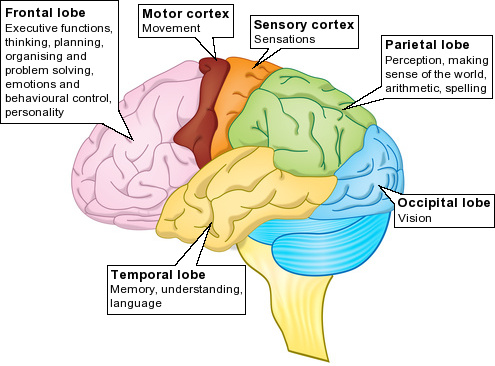
@Matthew Cole – Fotolia.com. Thanks to Headway for their kind permission to reproduce this image.
Physical Health and Immunity
Chronic sleep loss is linked to higher risks of obesity, diabetes, hypertension, and cardiovascular disease. A 2022 review in the journal “Sleep” found that sleeping less than six hours per night increases the risk of developing type 2 diabetes by up to 28% compared to those sleeping 7–8 hours. Immune function also dips with inadequate sleep, making us more susceptible to infections—a phenomenon confirmed during the COVID-19 pandemic.
Mental Health and Emotional Resilience
Sleep is tightly intertwined with mental health. Short sleep duration is both a symptom and a risk factor for anxiety and depression. A 2020 meta-analysis in JAMA Psychiatry found that people with insomnia are more than twice as likely to develop depression.
Performance and Success Metrics
It’s not just health that suffers. Research from the Harvard Medical School’s Division of Sleep Medicine demonstrates that sleep deprivation leads to more workplace errors, poorer leadership ratings, and even increased rates of absenteeism. Athletes, students, and executives all show measurable performance declines when sleep is sacrificed.
Misconceptions and Harmful Behaviors
Despite the science, myths about sleep persist:
- “I’ll sleep when I’m dead.” This bravado ignores the accumulating evidence that chronic sleep loss shortens lifespan and worsens quality of life.
- “Some people need less sleep.” True, there is individual variation, but genuine “short sleepers” (those who naturally thrive on <6 hours) are extremely rare—possibly due to rare genetic mutations affecting less than 1% of the population.
- “Caffeine and willpower can replace sleep.” Caffeine only masks some effects of sleepiness; it cannot restore lost cognitive performance or physical health.
- “Catching up on weekends works.” While extra weekend sleep can help, it does not fully reverse the health and performance deficits of chronic sleep loss.
Many people also engage in harmful behaviors: working late into the night, overusing screens before bed, or drinking alcohol to “unwind”—all of which disrupt healthy sleep architecture.
Correct Health Practices and Practical Recommendations
The good news? You can take actionable steps to improve your sleep, and by extension, your health and productivity.
1. Prioritize Sleep as a Non-Negotiable
Schedule your sleep like any other vital appointment. Aim for 7–9 hours per night, adjusting based on how you feel and perform.
2. Maintain a Consistent Sleep Schedule
Go to bed and wake up at the same time every day, even on weekends. This helps anchor your body’s internal clock (circadian rhythm).
3. Create a Restful Environment
Keep your bedroom cool, quiet, and dark. Invest in a comfortable mattress and blackout curtains. Reserve the bed for sleep and intimacy—avoid laptops, phones, and TV in bed.
4. Mind Your Evening Habits
Limit caffeine after midday. Avoid heavy meals, alcohol, and intense exercise within a few hours of bedtime. Instead, establish a relaxing wind-down routine: reading, gentle stretches, or mindfulness exercises.
5. Manage Light Exposure
Get bright natural light in the morning to help set your circadian rhythm. In the evening, dim lights and minimize screen time, or consider blue-light-blocking glasses if screen use is necessary.
6. Know When to Seek Help
If you consistently struggle with falling asleep, staying asleep, or daytime sleepiness, consult a healthcare provider. Conditions like insomnia or sleep apnea are treatable but require professional support.
Expert Insights and Commentary
Dr. Emily Chen, a sleep medicine specialist at the (fictional) Midtown Sleep Center, notes, “Sleep is a foundational health behavior—just as important as diet and exercise, but often overlooked. Many of my patients are surprised to learn how quickly their mood and focus improve after just a week of better sleep.”
She continues, “The biggest mistake I see is people treating sleep as optional. But sleep is not a bank account. You can’t make regular withdrawals without paying a price.”
A growing chorus of business leaders, athletes, and educators now emphasize sleep as a competitive advantage. NBA teams invest in sleep coaches; Fortune 500 companies incorporate sleep education into wellness programs. The message is clear: sleep is the ultimate performance enhancer.
Conclusion
The next time you find yourself tempted to cut corners on sleep to finish a project or squeeze in another errand, remember Alex’s story—and the decades of science showing that sleep is a superpower hiding in plain sight. By prioritizing sleep, you’re investing not only in your health, but also in your creativity, productivity, and long-term success.
References
1. Walker, M. (2017). Why We Sleep: Unlocking the Power of Sleep and Dreams. Scribner.
2. Cappuccio, F.P., et al. (2010). Sleep duration and all-cause mortality: a systematic review and meta-analysis of prospective studies. Sleep, 33(5), 585-592.
3. Itani, O., et al. (2017). Short sleep duration and health outcomes: A systematic review, meta-analysis, and meta-regression. Sleep Medicine, 32, 246-256.
4. Killgore, W.D.S. (2010). Effects of sleep deprivation on cognition. Progress in Brain Research, 185, 105–129.
5. Freeman, D., et al. (2020). The effects of improving sleep on mental health (OASIS): a randomised controlled trial with mediation analysis. The Lancet Psychiatry, 7(10), 941-952.
6. American Academy of Sleep Medicine. Sleep education resources. www.sleepeducation.org
This article was created using several editorial tools, including AI, as part of the process. Human editors reviewed this content before publication.