We use cookies

Our website uses essential cookies and, with your consent, additional cookies to measure performance and improve our services. Cookie Policy.

You can change your choice at any time.

MMedXYNews
HomeVideos
© 2026 MedXY
Contact usAbout usPrivacy PolicyMedXY story
MedXY AI/MedXY News/Tag: prognosis
MedXY News
EnglishTag

prognosis

Ask MedXY AI
type 2 diabetesclinical trialheart failureimmunotherapyobesitycardiovascular riskatrial fibrillationbiomarkerscritical careclinical trialsHypertensionartificial intelligenceCardiologyoncologypublic healthtype 1 diabetesdiabetesMortalityAlzheimer's diseasecardiovascular diseasebreast cancerepidemiology

Latest news

Tag

Molecular Stratification of Early-Stage Vulvar Squamous Cell Carcinoma: Prognostic Impact of HPV and TP53 Status
newsTP53HPV

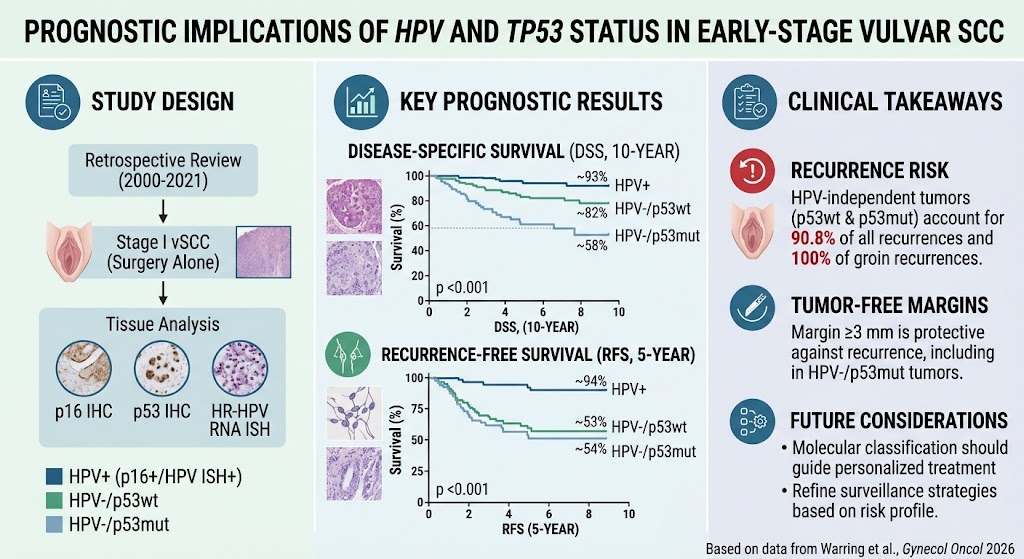
Molecular Stratification of Early-Stage Vulvar Squamous Cell Carcinoma: Prognostic Impact of HPV and TP53 Status

By MedXY|Sep 19, 2026

This study highlights how HPV and TP53 molecular subtyping in stage I vulvar squamous cell carcinoma delineates survival outcomes and recurrence risks, supporting its role in personalized management strategies.
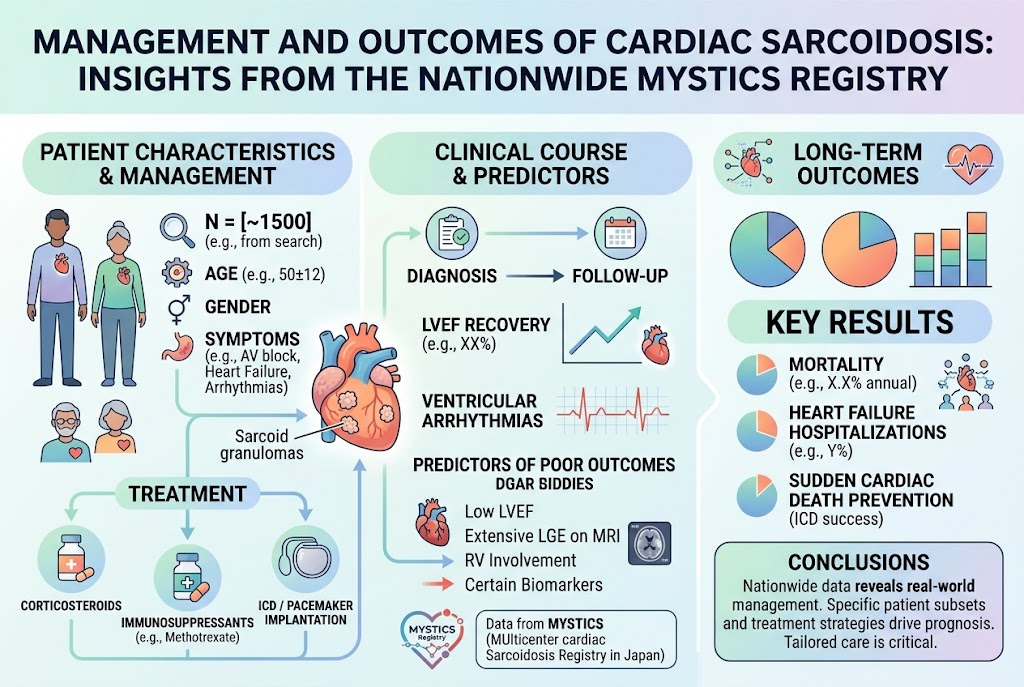

Cardiac Sarcoidosis: Nationwide Insights into Diagnosis, Management, and Outcomes from the MYSTICS Registry
Cardiologycardiac imagingimmunosuppressive therapy

Cardiac Sarcoidosis: Nationwide Insights into Diagnosis, Management, and Outcomes from the MYSTICS Registry

By MedXY|Sep 17, 2026

The MYSTICS Registry provides robust data on cardiac sarcoidosis, highlighting diagnostic challenges, treatment patterns, and prognostic differences among phenotypes, emphasizing tailored management strategies to improve patient outcomes.

Synergistic Impact of Age and Nerve Degeneration on Bell’s Palsy Recovery: Clinical Implications
NeurologyageBell's palsy

Synergistic Impact of Age and Nerve Degeneration on Bell’s Palsy Recovery: Clinical Implications

By MedXY|Sep 13, 2026

Older adults with severe nerve impairment in Bell’s palsy experience markedly poorer recovery, highlighting the critical role of early, aggressive intervention.

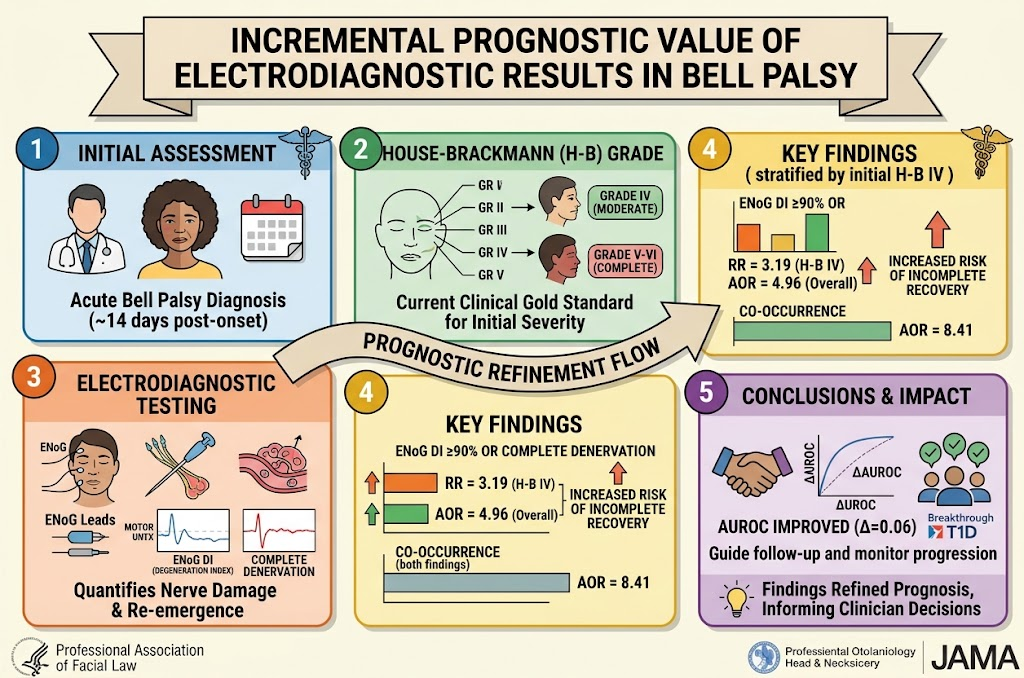
Enhancing Prognosis in Bell Palsy: Electrodiagnostic Testing Beyond House-Brackmann Grade
NeurologyBell palsyHouse-Brackmann grade

Enhancing Prognosis in Bell Palsy: Electrodiagnostic Testing Beyond House-Brackmann Grade

By MedXY|Sep 13, 2026

Electrodiagnostic tests, notably electroneuronography and electromyography, significantly improve prognosis prediction for Bell palsy recovery, including patients with moderate paralysis (H-B grade IV). These findings support broader use to

Decoding CPEB3-Regulated Alternative Polyadenylation: A New Genetic Lens on Hepatocellular Carcinoma Prognosis
GastroenterologyAlternative PolyadenylationCPEB3

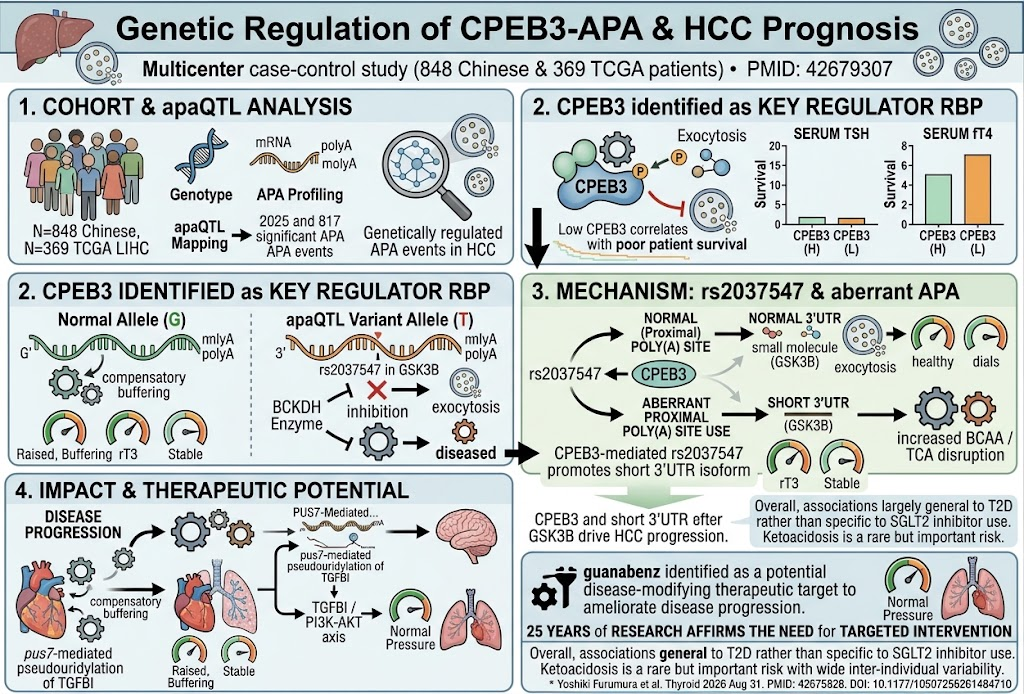
Decoding CPEB3-Regulated Alternative Polyadenylation: A New Genetic Lens on Hepatocellular Carcinoma Prognosis

By MedXY|Sep 5, 2026

This article explores how genetic variants affect CPEB3-mediated alternative polyadenylation in hepatocellular carcinoma, revealing potential prognostic markers and therapeutic targets to improve patient survival.

From Pressure Metrics to Personalized Prognosis: Transforming Risk Assessment in Advanced Chronic Liver Disease
GastroenterologyNon-invasive testsrisk stratification

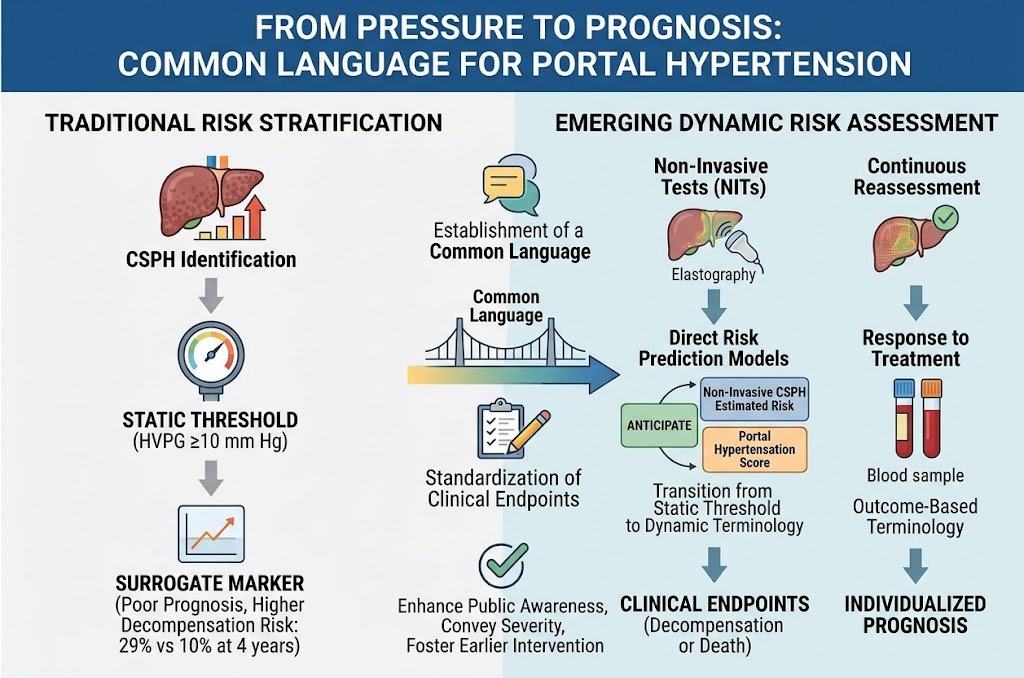
From Pressure Metrics to Personalized Prognosis: Transforming Risk Assessment in Advanced Chronic Liver Disease

By MedXY|Aug 31, 2026

A shift from static portal pressure thresholds to dynamic, non-invasive risk prediction models offers improved prognostic accuracy for decompensation in advanced chronic liver disease, enabling personalized patient management and better cli

MRI-Derived EOAD-Signature Atrophy as a Prognostic Biomarker in Early-Onset Mild Cognitive Impairment
NeurologyEarly-Onset Alzheimer Diseasemild cognitive impairment

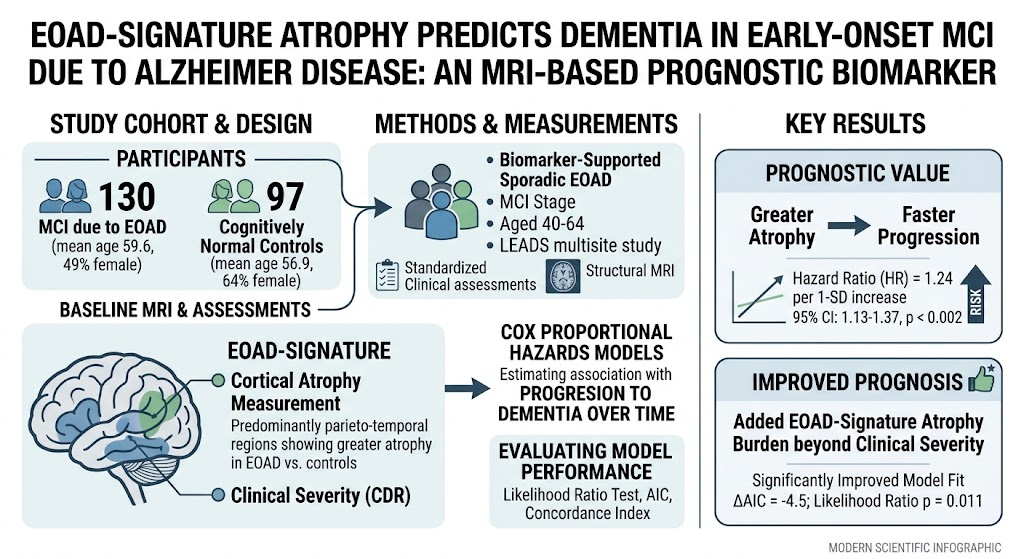
MRI-Derived EOAD-Signature Atrophy as a Prognostic Biomarker in Early-Onset Mild Cognitive Impairment

By MedXY|Aug 28, 2026

Baseline cortical atrophy within an EOAD-specific brain signature predicts progression from mild cognitive impairment to dementia, providing a valuable MRI biomarker for individualized prognosis in early-onset Alzheimer disease.

TERT Promoter Variants and Age: Refining Prognostic Precision in Papillary Thyroid Carcinoma
newsTERT promoterage

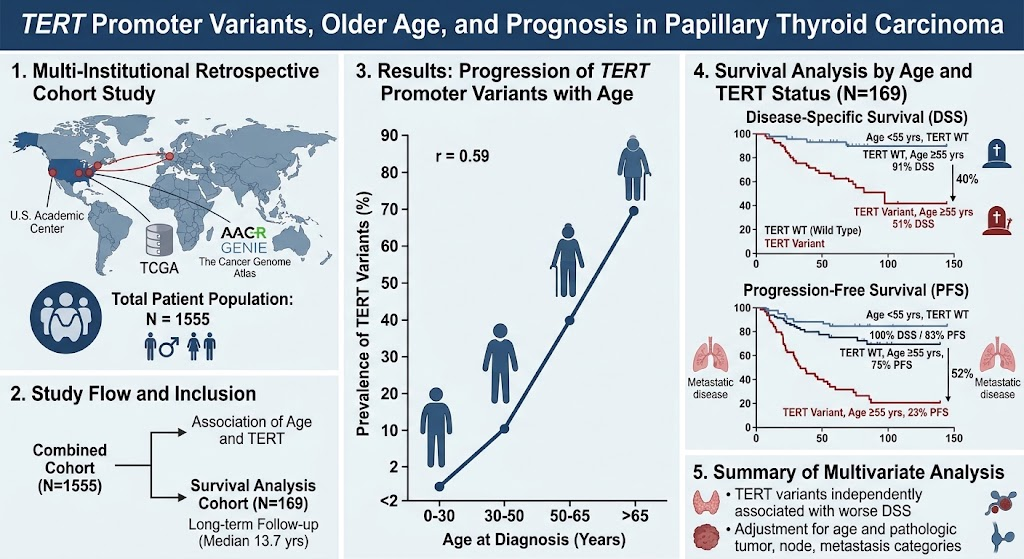
TERT Promoter Variants and Age: Refining Prognostic Precision in Papillary Thyroid Carcinoma

By MedXY|Aug 23, 2026

This analysis reveals that TERT promoter mutations, increasingly prevalent with age, better predict poor outcomes in papillary thyroid carcinoma than age alone, offering enhanced risk stratification for clinical management.

Validating Liver Stiffness Measurement as a Prognostic Tool in Primary Sclerosing Cholangitis: Insights from the Prospective FICUS Cohort
Gastroenterologytransplant-free survivalviêm ống mật xơ cứng nguyên phát

Validating Liver Stiffness Measurement as a Prognostic Tool in Primary Sclerosing Cholangitis: Insights from the Prospective FICUS Cohort

By MedXY|Aug 13, 2026

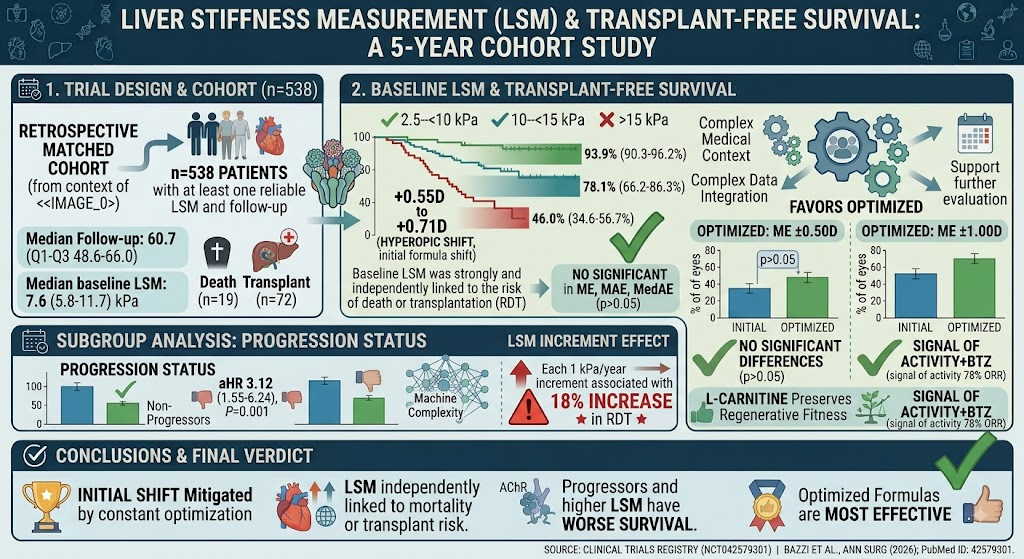
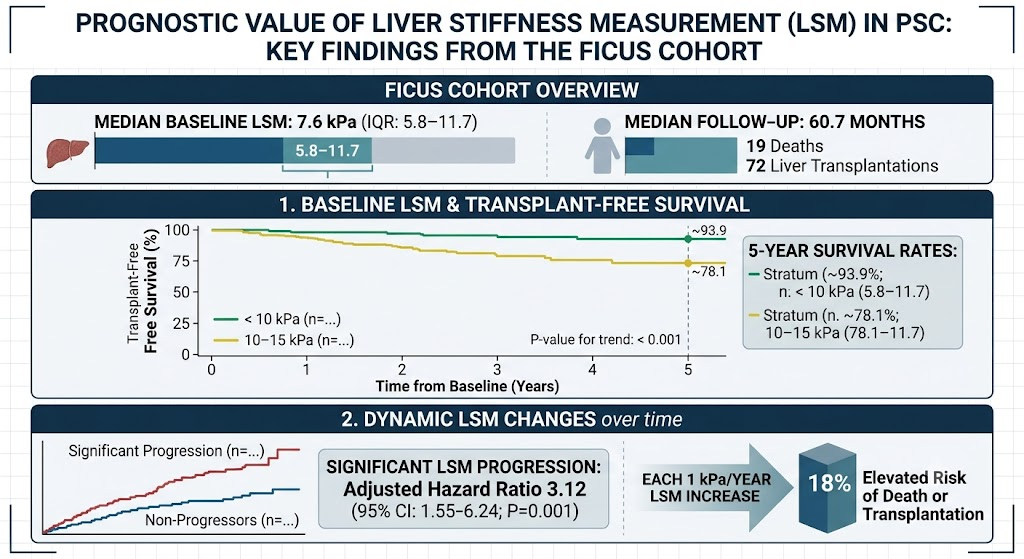
This prospective study confirms that liver stiffness measurement (LSM) by Fibroscan® effectively predicts transplant-free survival in primary sclerosing cholangitis (PSC), highlighting both static and dynamic assessments as powerful risk st

Liver Stiffness Measurements as Prognostic Tools in Primary Sclerosing Cholangitis: Insights from the Prospective FICUS Cohort
Gastroenterologyviêm ống mật xơ cứng nguyên phátliver stiffness measurement

Liver Stiffness Measurements as Prognostic Tools in Primary Sclerosing Cholangitis: Insights from the Prospective FICUS Cohort

By MedXY|Aug 7, 2026

This prospective study confirms that liver stiffness measurements by Fibroscan® strongly predict transplant-free survival in primary sclerosing cholangitis patients, validating both static values and dynamic changes as vital prognostic mark

New A-TANGO Organ Failure Score Refines ACLF Diagnosis and Risk Stratification in Global Cohorts
Critical Carecirrhosisprognosis

New A-TANGO Organ Failure Score Refines ACLF Diagnosis and Risk Stratification in Global Cohorts

By MedXY|Jul 26, 2026

A new organ failure score, A-TANGO, improves ACLF diagnosis and risk stratification compared to standard CLIF-C criteria, validated in large international cohorts.

Measurable Residual Disease as a Prognostic Biomarker in Frontline Azacitidine and Venetoclax-Treated AML: Insights from the French VENAURA Registry
Hematology-Oncologyacute myeloid leukemiaazacitidine

Measurable Residual Disease as a Prognostic Biomarker in Frontline Azacitidine and Venetoclax-Treated AML: Insights from the French VENAURA Registry

By MedXY|Jul 20, 2026

In AML patients receiving frontline azacitidine and venetoclax, achieving measurable residual disease negativity strongly predicts longer survival and lower relapse rates, overriding baseline risk factors, as shown in the French VENAURA reg

Molecular Mutations and Cardiovascular Risks Shape Prognosis in Triple-Negative Essential Thrombocythemia
Cardiologycardiovascular riskMutation profile

Molecular Mutations and Cardiovascular Risks Shape Prognosis in Triple-Negative Essential Thrombocythemia

By MedXY|Jul 15, 2026

This study reveals that specific gene mutations and cardiovascular risk factors significantly influence prognosis and thrombotic risk in triple-negative essential thrombocythemia, highlighting the importance of molecular profiling for perso

Impact of Diagnosis-to-Treatment Interval on Outcomes in Follicular Lymphoma Undergoing Immunochemotherapy
Hematology-Oncologydiagnosis-to-treatment intervalFollicular lymphoma

Impact of Diagnosis-to-Treatment Interval on Outcomes in Follicular Lymphoma Undergoing Immunochemotherapy

By MedXY|Jun 30, 2026

Shorter diagnosis-to-treatment intervals independently predict worse outcomes in follicular lymphoma treated with immunochemotherapy, highlighting a novel prognostic factor beyond existing risk indices.

Refining Prognostic Assessment in Perihilar Cholangiocarcinoma: The Clinical Utility of Dual Radial Margin Distance Cutoffs
General Surgeryperihilar cholangiocarcinomaprognosis

Refining Prognostic Assessment in Perihilar Cholangiocarcinoma: The Clinical Utility of Dual Radial Margin Distance Cutoffs

By MedXY|Jun 29, 2026

This study identifies dual cutoff values of 0 and 1 mm for radial margin distance in perihilar cholangiocarcinoma, providing a simple and effective stratification tool for postoperative recurrence risk and survival prediction.

Revisiting Level VII Lymph Node Metastasis in Medullary Thyroid Cancer: A Crucial Prognostic Subgroup
Diabetes & Endocrinologycancer stagingDi căn hạch cổ

Revisiting Level VII Lymph Node Metastasis in Medullary Thyroid Cancer: A Crucial Prognostic Subgroup

By MedXY|Jun 25, 2026

Level VII lymph node metastasis in medullary thyroid cancer signifies a highly aggressive phenotype with the poorest prognosis. Reclassifying level VII nodes as N1b improves prognostic accuracy and could refine staging and treatment strateg

Cancer and Heart Failure in Scotland: Epidemiology, Interactions, and Prognostic Implications
Cardiologycancerepidemiology

Cancer and Heart Failure in Scotland: Epidemiology, Interactions, and Prognostic Implications

By MedXY|Jun 24, 2026

This review synthesizes evidence on the prevalence, incidence, and prognosis of cancer and heart failure comorbidity in Scotland, integrating recent cohort data and cardio-oncology research to inform clinical practice and future research di

Donor-Derived Cell-Free DNA as a Prognostic Biomarker in Severe Cardiac Allograft Rejection: From Detection to Risk Stratification
Clinical Updatesdd-cfDNAHeart Transplantation

Donor-Derived Cell-Free DNA as a Prognostic Biomarker in Severe Cardiac Allograft Rejection: From Detection to Risk Stratification

By MedXY|Jun 17, 2026

Recent heart-transplant studies show donor-derived cell-free DNA not only detects rejection but also predicts mortality and persistent graft dysfunction, especially when elevated at diagnosis. Evidence supports a shift from binary surveilla

Machine Learning Clustering Reveals Distinct Phenotypes in Bilateral Hepatocellular Carcinoma
Gastroenterologybilateral hepatocellular carcinomahepatectomy

Machine Learning Clustering Reveals Distinct Phenotypes in Bilateral Hepatocellular Carcinoma

By MedXY|Jun 4, 2026

Machine learning identified two distinct bilateral hepatocellular carcinoma phenotypes with different tumor burdens, surgical approaches, and outcomes, suggesting preoperative risk stratification may improve patient selection and treatment

Application of the AHA-Proposed Cancer-Related Ischemic Stroke Classification: Reclassification and Prognostic Impact
Hematology-Oncologycancer-related ischemic strokeCRIS

Application of the AHA-Proposed Cancer-Related Ischemic Stroke Classification: Reclassification and Prognostic Impact

By MedXY|Jun 3, 2026

The AHA-proposed CRIS classification reclassified many cancer-associated strokes previously labeled cryptogenic and identified a subgroup with markedly worse survival, improving both etiologic clarity and prognostic stratification.

1 / 3
123
Next
Ask MedXY AI

Most popular

Intimate Health
Five Benefits for Women Continuing Sexual Activity After Menopause
Intimate Health
Why Some Women Have a Strong Sex Drive—And Why Men Shouldn't Worry About It
Nursing & care
How often should a couple have sex?
Intimate Health
Classic Intimacy Recommendations: How to Help Women Reach Orgasm and Enjoy Mutual Pleasure
Intimate Health
What Makes a Woman "Physiologically Addicted" Is Never Money, But These Two Relationship Qualities