We use cookies

Our website uses essential cookies and, with your consent, additional cookies to measure performance and improve our services. Cookie Policy.

You can change your choice at any time.

MMedXYNews
HomeVideos
© 2026 MedXY
Contact usAbout usPrivacy PolicyMedXY story
MedXY AI/MedXY News/Tag: hepatocellular carcinoma
MedXY News
EnglishTag

hepatocellular carcinoma

Ask MedXY AI
type 2 diabetesclinical trialheart failureimmunotherapyobesitycardiovascular riskatrial fibrillationbiomarkerscritical careclinical trialsHypertensionartificial intelligenceCardiologyoncologypublic healthtype 1 diabetesdiabetesMortalityAlzheimer's diseasecardiovascular diseasebreast cancerepidemiology

Latest news

Tag

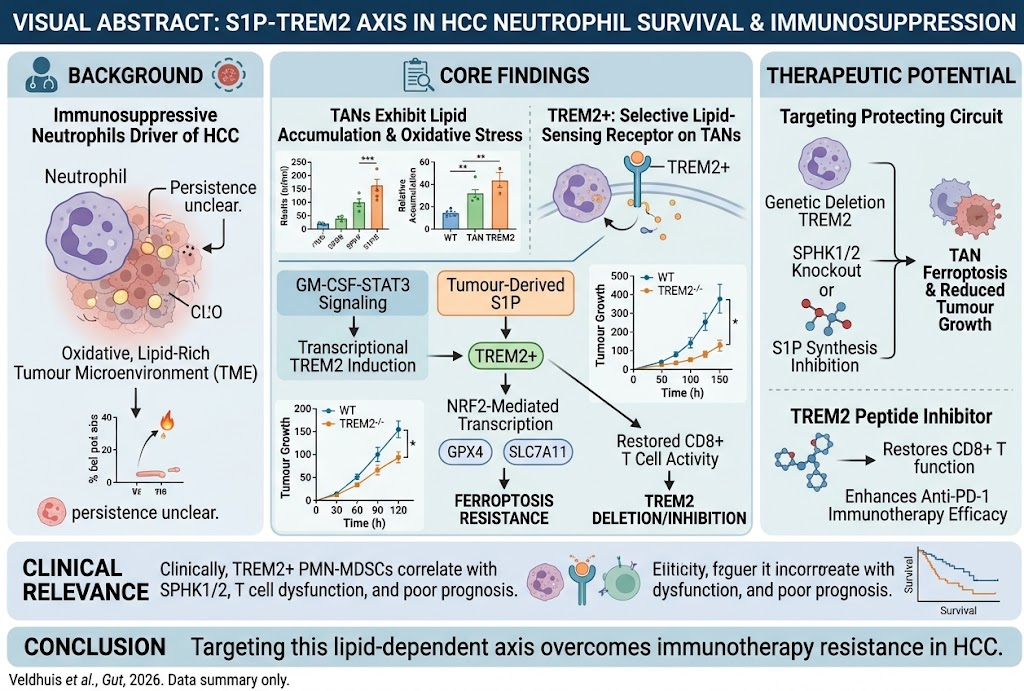
Unraveling the S1P-TREM2 Axis: A Novel Ferroptosis-Resistance Mechanism Driving Immunosuppressive Neutrophils and Tumour Progression in Hepatocellular Carcinoma
Gastroenterologyferroptosisimmunotherapy resistance

Unraveling the S1P-TREM2 Axis: A Novel Ferroptosis-Resistance Mechanism Driving Immunosuppressive Neutrophils and Tumour Progression in Hepatocellular Carcinoma

By MedXY|Sep 12, 2026

This study reveals how the S1P-TREM2-NRF2 signaling pathway protects tumor-associated neutrophils from ferroptosis, sustaining immunosuppression and promoting hepatocellular carcinoma progression, offering new therapeutic avenues.
Refining Prognostic Stratification in Hepatocellular Carcinoma: The Critical Role of Vascular Invasion Type and Extent
General Surgery
hepatic vein
prognostic stratification

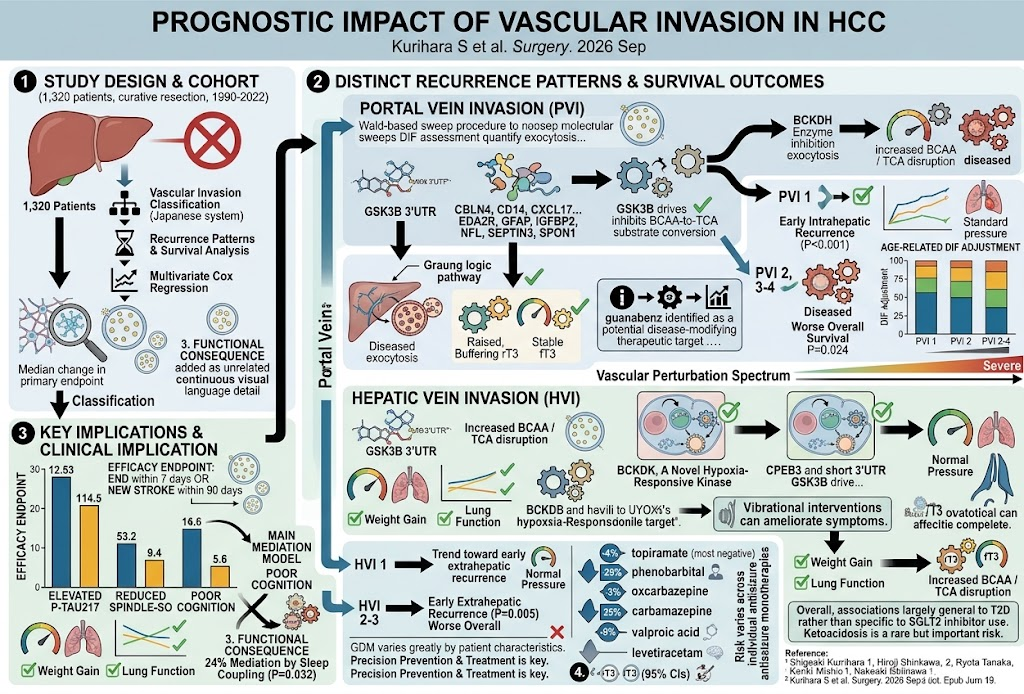
Refining Prognostic Stratification in Hepatocellular Carcinoma: The Critical Role of Vascular Invasion Type and Extent

By MedXY|Sep 5, 2026

This study elucidates how distinct patterns and gradations of vascular invasion in hepatocellular carcinoma differentially impact recurrence timing and overall survival, enabling improved postoperative risk stratification.

Decoding CPEB3-Regulated Alternative Polyadenylation: A New Genetic Lens on Hepatocellular Carcinoma Prognosis
GastroenterologyAlternative PolyadenylationCPEB3

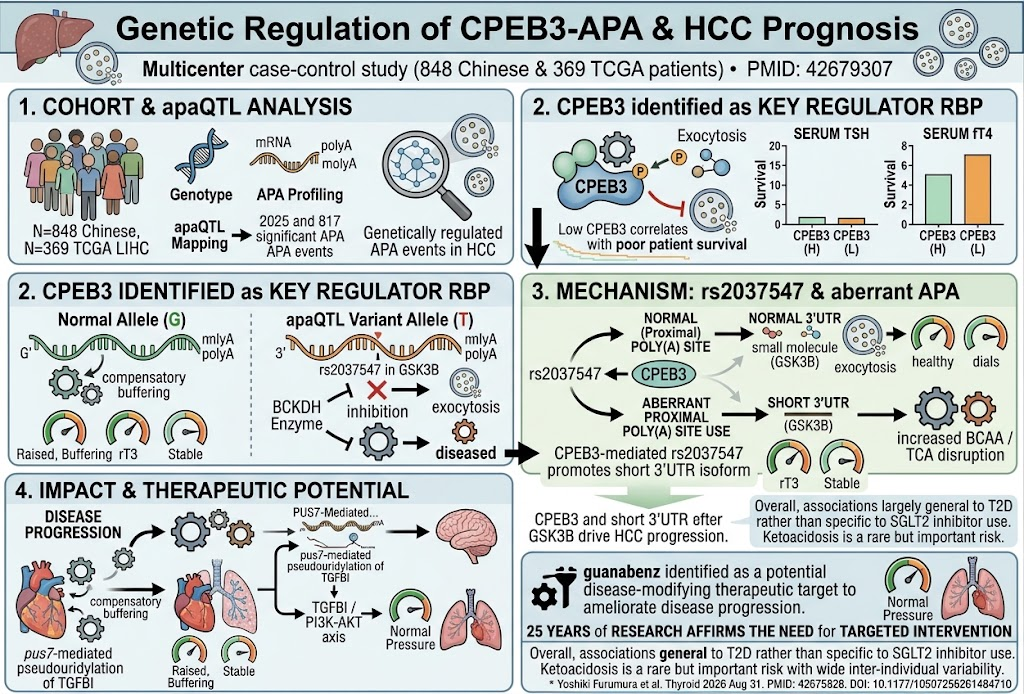
Decoding CPEB3-Regulated Alternative Polyadenylation: A New Genetic Lens on Hepatocellular Carcinoma Prognosis

By MedXY|Sep 5, 2026

This article explores how genetic variants affect CPEB3-mediated alternative polyadenylation in hepatocellular carcinoma, revealing potential prognostic markers and therapeutic targets to improve patient survival.

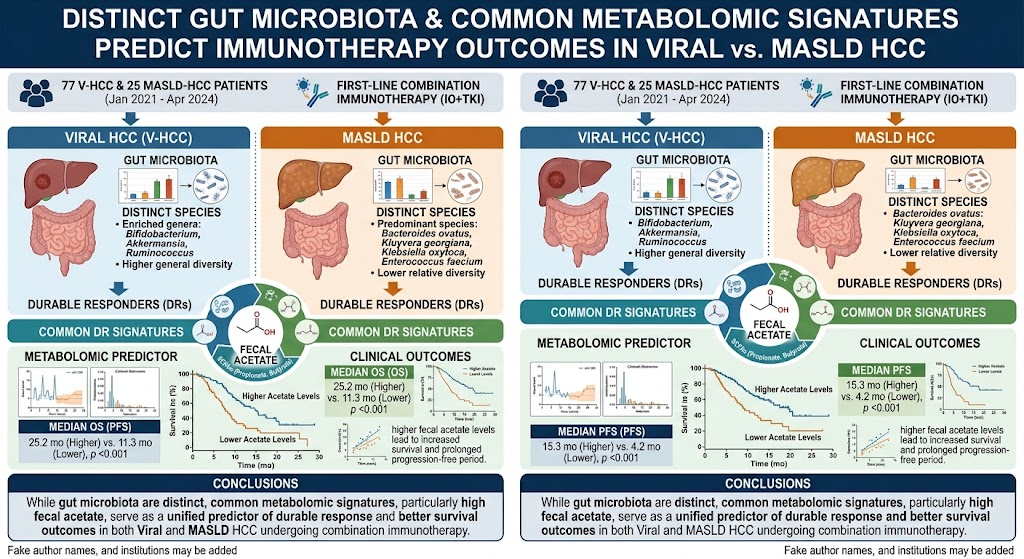
Gut Microbiota and Metabolomic Signatures as Predictors of Immunotherapy Outcomes in MASLD and Viral HCC
Gastroenterologygut microbiotametabolomics

Gut Microbiota and Metabolomic Signatures as Predictors of Immunotherapy Outcomes in MASLD and Viral HCC

By MedXY|Aug 22, 2026

Distinct gut microbial profiles but shared metabolomic markers, especially fecal acetate, predict response and survival with combination immunotherapy in metabolic dysfunction-associated and viral hepatitis-related hepatocellular carcinoma.

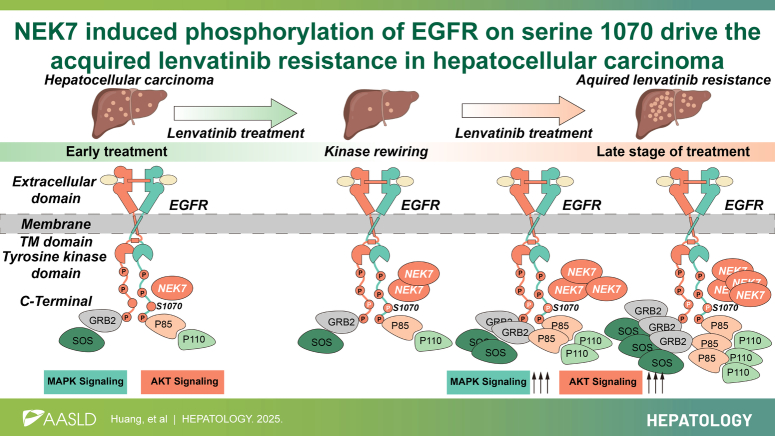
Targeting NEK7-Mediated EGFR Phosphorylation to Overcome Lenvatinib Resistance in Hepatocellular Carcinoma
GastroenterologyNEK7Lenvatinib resistance

Targeting NEK7-Mediated EGFR Phosphorylation to Overcome Lenvatinib Resistance in Hepatocellular Carcinoma

By MedXY|Aug 21, 2026

NEK7 promotes acquired lenvatinib resistance in hepatocellular carcinoma by phosphorylating EGFR at serine 1070, activating key signaling pathways. Blocking this interaction offers a promising therapeutic avenue to counteract resistance.

Decoding Hepatocellular Carcinoma in Fontan-Associated Liver Disease: Genomic and Transcriptomic Insights
CardiologyFontan-associated liver diseasegenomics

Decoding Hepatocellular Carcinoma in Fontan-Associated Liver Disease: Genomic and Transcriptomic Insights

By MedXY|Aug 12, 2026

This article explores the unique genomic and transcriptomic features of hepatocellular carcinoma in Fontan-associated liver disease, revealing distinct mutation patterns and poor-prognosis molecular subtypes that inform disease mechanisms a

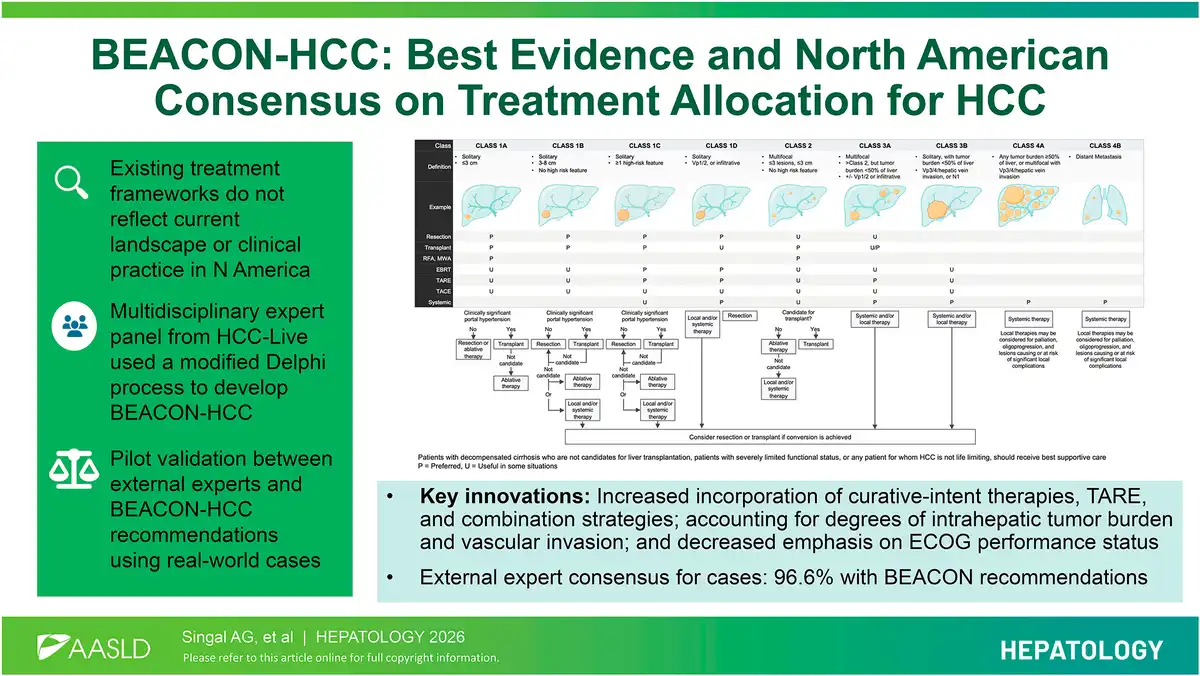
BEACON-HCC: A North American consensus reshaping treatment allocation for hepatocellular carcinoma
GastroenterologyBEACON-HCClocoregional therapy

BEACON-HCC: A North American consensus reshaping treatment allocation for hepatocellular carcinoma

By MedXY|Aug 9, 2026

BEACON-HCC is a multidisciplinary, evidence-based North American consensus that updates HCC treatment allocation—integrating tumor biology, nuanced intrahepatic burden, vascular invasion, and newer modalities (EBRT, TARE, systemic–locoregio

Extracellular Vesicles as Liquid Biopsy Biomarkers Predicting Immune Checkpoint Therapy Resistance in Hepatocellular Carcinoma
Gastroenterologyimmune checkpoint inhibitorsimmunotherapy resistance

Extracellular Vesicles as Liquid Biopsy Biomarkers Predicting Immune Checkpoint Therapy Resistance in Hepatocellular Carcinoma

By MedXY|Aug 9, 2026

Circulating extracellular vesicles carrying PD-1, PD-L1, and CTLA-4 can non-invasively predict responses and early resistance to immune checkpoint inhibitors in advanced hepatocellular carcinoma, improving patient stratification and managem

RIPPLY1 as a Guardian Against Cancer Stemness in CTNNB1-Mutated Hepatocellular Carcinoma
GastroenterologyCancer StemnessCTNNB1 mutation

RIPPLY1 as a Guardian Against Cancer Stemness in CTNNB1-Mutated Hepatocellular Carcinoma

By MedXY|Jul 31, 2026

RIPPLY1 suppresses cancer stemness by targeting TBX19, improving prognosis in CTNNB1-mutated hepatocellular carcinoma through inhibition of tumor progression.

Improved Survival in Unresectable Hepatocellular Carcinoma with Combined Transarterial Chemoembolization and Thermal Ablation: Insights from the Phase 3 TORCH Trial
Gastroenterologyhepatocellular carcinomarandomized clinical trial

Improved Survival in Unresectable Hepatocellular Carcinoma with Combined Transarterial Chemoembolization and Thermal Ablation: Insights from the Phase 3 TORCH Trial

By MedXY|Jul 30, 2026

The phase 3 TORCH trial demonstrates that adding selective radiofrequency ablation after transarterial chemoembolization significantly improves progression-free and overall survival in patients with unresectable liver-confined hepatocellula

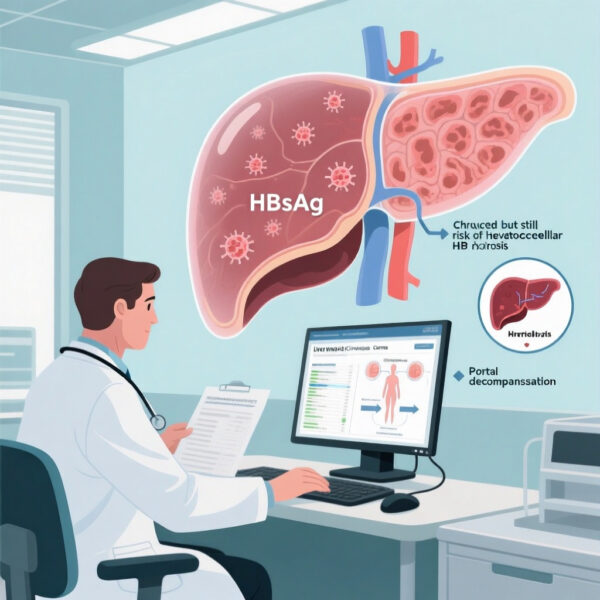
Long-term Risk of Hepatocellular Carcinoma After Clearance of Hepatitis B Surface Antigen
Gastroenterologychronic hepatitis BHBsAg seroclearance

Long-term Risk of Hepatocellular Carcinoma After Clearance of Hepatitis B Surface Antigen

By MedXY|Jul 14, 2026

This study evaluates the long-term incidence of liver cancer in chronic hepatitis B patients who clear hepatitis B surface antigen, finding significantly reduced cancer risk in younger patients without cirrhosis.

Circulating Methylated SEPT9 as a Novel Biomarker for Early Detection of Hepatocellular Carcinoma in Cirrhotic Patients
Clinical Updatesalpha-fetoproteincancer biomarkers

Circulating Methylated SEPT9 as a Novel Biomarker for Early Detection of Hepatocellular Carcinoma in Cirrhotic Patients

By MedXY|Jul 9, 2026

Combining circulating methylated SEPT9 with alpha-fetoprotein significantly enhances early hepatocellular carcinoma detection in cirrhotic patients, outperforming AFP alone and allowing improved surveillance sensitivity and specificity.

Glucagon-like Peptide-1 Receptor Agonists Versus Dipeptidyl Peptidase-4 Inhibitors Following Liver Resection for Hepatocellular Carcinoma in Type 2 Diabetes: Insights from a Target Trial Emulation Study
Clinical UpdatesDPP‑4 inhibitorsGLP-1 receptor agonists

Glucagon-like Peptide-1 Receptor Agonists Versus Dipeptidyl Peptidase-4 Inhibitors Following Liver Resection for Hepatocellular Carcinoma in Type 2 Diabetes: Insights from a Target Trial Emulation Study

By MedXY|Jul 5, 2026

Postoperative GLP-1RA initiation after liver resection for hepatocellular carcinoma in type 2 diabetes patients is associated with improved recurrence-free and overall survival compared to DPP-4 inhibitors, indicating potential incremental

Strategic Sequencing of Systemic Therapies in Advanced Hepatocellular Carcinoma: Beyond the Second Line
GastroenterologyChất ức chế kinase tyrosinehepatocellular carcinoma

Strategic Sequencing of Systemic Therapies in Advanced Hepatocellular Carcinoma: Beyond the Second Line

By MedXY|Jun 28, 2026

This article reviews evolving therapeutic sequences in advanced hepatocellular carcinoma, highlighting the integration of immune-based combinations, tyrosine kinase inhibitors, liver function preservation, and the emerging multidimensional

Targeting NEK9 to Overcome Immunotherapy Resistance in Hepatocellular Carcinoma by Reprogramming the Tumor Microenvironment
Gastroenterologyhepatocellular carcinomaimmunotherapy

Targeting NEK9 to Overcome Immunotherapy Resistance in Hepatocellular Carcinoma by Reprogramming the Tumor Microenvironment

By MedXY|Jun 27, 2026

NEK9 upregulation in hepatocellular carcinoma promotes immune evasion by enhancing PD-L1 expression and recruiting suppressive myeloid cells. Novel NEK9 inhibitors synergize with PD-L1 blockade, remodeling the tumor microenvironment and imp

HBsAg Seroclearance Lowers Hepatocellular Carcinoma Risk Beyond Viral Suppression in Cirrhosis, but Does Not Reduce Hepatic Decompensation
Gastroenterologychronic hepatitis Bcirrhosis

HBsAg Seroclearance Lowers Hepatocellular Carcinoma Risk Beyond Viral Suppression in Cirrhosis, but Does Not Reduce Hepatic Decompensation

By MedXY|Jun 10, 2026

In NA-treated cirrhotic chronic hepatitis B with complete viral suppression, HBsAg seroclearance was linked to lower HCC risk but not lower hepatic decompensation, reinforcing functional cure as a meaningful but incomplete clinical endpoint

RETREAT Score Stratifies Long-Term Hepatocellular Carcinoma Recurrence Risk After Liver Transplantation in Real-World Practice
Gastroenterologyhepatocellular carcinomaliver transplantation

RETREAT Score Stratifies Long-Term Hepatocellular Carcinoma Recurrence Risk After Liver Transplantation in Real-World Practice

By MedXY|Jun 7, 2026

A single-center validation study shows the RETREAT score reliably predicts long-term HCC recurrence after liver transplantation and identifies patients with markedly different recurrence-free and overall survival trajectories.

Y90 Radioembolization as a Bridge to Liver Transplantation in Hepatocellular Carcinoma with Portal Vein Tumor Thrombosis
Gastroenterologydownstaginghepatocellular carcinoma

Y90 Radioembolization as a Bridge to Liver Transplantation in Hepatocellular Carcinoma with Portal Vein Tumor Thrombosis

By MedXY|Jun 3, 2026

Y90 radioembolization downstaged about one-quarter of HCC patients with portal vein tumor thrombosis to transplant eligibility, and those who received liver transplantation had markedly better cancer-related outcomes and survival.

Non-contrast abbreviated MRI shows superior accuracy to ultrasound for hepatocellular carcinoma surveillance in cirrhosis: interim prospective trial results
Gastroenterologyabbreviated MRIcirrhosis

Non-contrast abbreviated MRI shows superior accuracy to ultrasound for hepatocellular carcinoma surveillance in cirrhosis: interim prospective trial results

By MedXY|May 13, 2026

A prospective trial found that non-contrast abbreviated MRI detected hepatocellular carcinoma in cirrhotic patients far better than ultrasound, with most MRI-detected tumors found at an early, potentially curable stage.

A Body Surface Area–Adjusted Bevacizumab Target Was Linked to Better Survival in Atezolizumab-Treated Unresectable Hepatocellular Carcinoma
Gastroenterologyatezolizumabbevacizumab

A Body Surface Area–Adjusted Bevacizumab Target Was Linked to Better Survival in Atezolizumab-Treated Unresectable Hepatocellular Carcinoma

By MedXY|May 10, 2026

A nationwide Japanese real-world study suggests that a defined body surface area–adjusted bevacizumab exposure range may improve progression-free and overall survival in unresectable HCC treated with atezolizumab plus bevacizumab, without i

1 / 3
123
Next
Ask MedXY AI

Most popular

Intimate Health
Five Benefits for Women Continuing Sexual Activity After Menopause
Intimate Health
Why Some Women Have a Strong Sex Drive—And Why Men Shouldn't Worry About It
Nursing & care
How often should a couple have sex?
Intimate Health
Classic Intimacy Recommendations: How to Help Women Reach Orgasm and Enjoy Mutual Pleasure
Intimate Health
What Makes a Woman "Physiologically Addicted" Is Never Money, But These Two Relationship Qualities