We use cookies

Our website uses essential cookies and, with your consent, additional cookies to measure performance and improve our services. Cookie Policy.

You can change your choice at any time.

MMedXYNews
HomeVideos
© 2026 MedXY
Contact usAbout usPrivacy PolicyMedXY story
MedXY AI/MedXY News/Tag: biomarkers
MedXY News
EnglishTag

biomarkers

Ask MedXY AI
type 2 diabetesclinical trialheart failureimmunotherapyobesitycardiovascular riskatrial fibrillationbiomarkerscritical careclinical trialsHypertensionartificial intelligenceCardiologyoncologypublic healthtype 1 diabetesdiabetesMortalityAlzheimer's diseasecardiovascular diseasebreast cancerepidemiology

Latest news

Tag

Midlife Plasma GFAP as a Long-Term Sentinel for Cerebral Small Vessel Disease: A Decadal Prospective Study
Neurologybiomarkerscerebral small vessel disease

Midlife Plasma GFAP as a Long-Term Sentinel for Cerebral Small Vessel Disease: A Decadal Prospective Study

By MedXY|Jan 6, 2026

Elevated plasma glial fibrillary acidic protein (GFAP) in middle age independently predicts the progression of cerebral small vessel disease MRI markers nearly a decade later, suggesting its potential as an early-stage prognostic biomarker


Inflammatory and Cardiac Biomarkers Predict VTE and Bleeding Risks in Ambulatory Cancer Patients
CardiologybiomarkersCardiology

Inflammatory and Cardiac Biomarkers Predict VTE and Bleeding Risks in Ambulatory Cancer Patients

By MedXY|Jan 5, 2026

A post hoc analysis of the AVERT trial identifies GDF-15, NT-proBNP, CRP, and hs-TnT as significant predictors for venous thromboembolism and bleeding in cancer patients, offering new tools for personalized risk stratification.

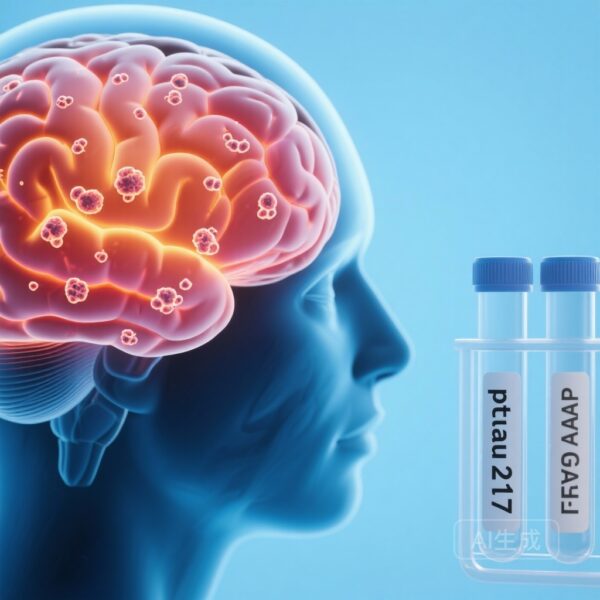
Precision Screening for Preclinical Alzheimer Disease: The Ascendance of Plasma p-tau217 as a Scalable Biomarker
Clinical UpdatesAlzheimer diseasebiomarkers

Precision Screening for Preclinical Alzheimer Disease: The Ascendance of Plasma p-tau217 as a Scalable Biomarker

By MedXY|Jan 2, 2026

This review synthesizes recent high-impact evidence on plasma p-tau217, demonstrating its superior utility in identifying amyloid pathology, predicting cognitive decline, and optimizing recruitment for primary prevention trials in cognitive

Beyond eGFR and UACR: kidneyintelX.dkd Refines Risk Stratification and Monitors Treatment Response in Diabetic Kidney Disease
Diabetes & Endocrinologybiomarkersdiabetes

Beyond eGFR and UACR: kidneyintelX.dkd Refines Risk Stratification and Monitors Treatment Response in Diabetic Kidney Disease

By MedXY|Dec 31, 2025

A post-hoc analysis of the CANVAS and CREDENCE trials reveals that the kidneyintelX.dkd score significantly improves risk reclassification and monitors the therapeutic impact of canagliflozin in patients with type 2 diabetes and chronic kid

Predicting Post-Hepatectomy Liver Failure with the PILOT Architecture: Integrating Liver Regeneration Biomarkers and Time-Phased Machine Learning
AIbiomarkersliver regeneration

Predicting Post-Hepatectomy Liver Failure with the PILOT Architecture: Integrating Liver Regeneration Biomarkers and Time-Phased Machine Learning

By MedXY|Dec 29, 2025

The novel PILOT machine learning architecture integrates time-phased perioperative data and regeneration-associated biomarkers to predict post-hepatectomy liver failure within six hours of surgery, significantly outperforming traditional cl

Mavacamten Significantly Reduces Myocardial Stress and Injury in Nonobstructive HCM: Insights From the ODYSSEY-HCM Trial
CardiologybiomarkersCardiology

Mavacamten Significantly Reduces Myocardial Stress and Injury in Nonobstructive HCM: Insights From the ODYSSEY-HCM Trial

By MedXY|Dec 24, 2025

While the ODYSSEY-HCM trial missed its primary functional endpoints, a new exploratory analysis reveals that mavacamten significantly reduces NT-proBNP and hs-cTnI levels in patients with nonobstructive hypertrophic cardiomyopathy, suggesti

Long-Term Silicon Exposure Fails to Predict Coronary Artery Disease Severity or Systemic Inflammation
Cardiologyatherosclerosisbiomarkers

Long-Term Silicon Exposure Fails to Predict Coronary Artery Disease Severity or Systemic Inflammation

By MedXY|Dec 24, 2025

A pilot study evaluating hair silicon as a long-term mineral marker found no significant association between silicon concentrations and coronary artery disease (CAD) severity or inflammatory markers, suggesting silicon may be metabolically

Calprotectin: A Mechanistically Informed Biomarker for Predicting Atherosclerotic Cardiovascular Disease
CardiologyASCVDbiomarkers

Calprotectin: A Mechanistically Informed Biomarker for Predicting Atherosclerotic Cardiovascular Disease

By MedXY|Dec 24, 2025

A longitudinal study from the Dallas Heart Study identifies calprotectin as a significant, independent predictor of ASCVD events, linking neutrophil activation to endothelial dysfunction and increased cardiovascular risk across diverse popu

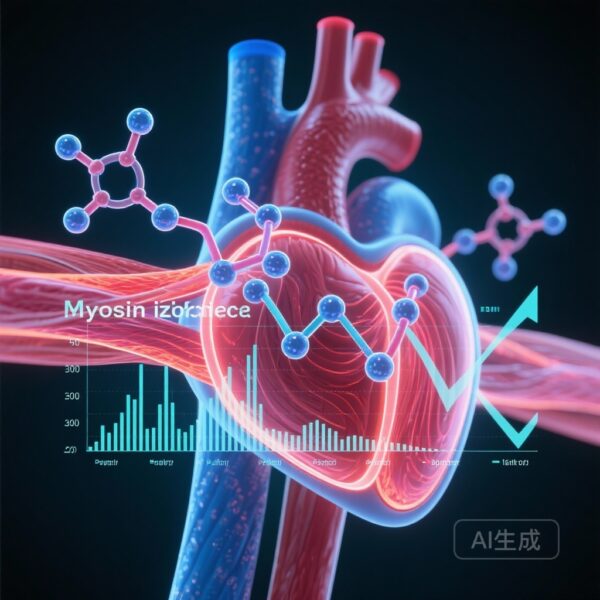
Beyond Troponin: Cardiac Myosin-Binding Protein C Accelerates NSTEMI Diagnosis and Emergency Department Triage
Cardiologybiomarkersemergency medicine

Beyond Troponin: Cardiac Myosin-Binding Protein C Accelerates NSTEMI Diagnosis and Emergency Department Triage

By MedXY|Dec 24, 2025

A secondary analysis of the APACE study demonstrates that Cardiac Myosin-Binding Protein C (cMyC) significantly improves NSTEMI diagnosis, particularly in early presenters. Integrating cMyC with high-sensitivity troponin into a dual-biomark

Beyond a Positive Result: α-Synuclein Seeding Kinetics Predict Cognitive Decline in Parkinson’s Disease
Neurologybiomarkerscognitive decline

Beyond a Positive Result: α-Synuclein Seeding Kinetics Predict Cognitive Decline in Parkinson’s Disease

By MedXY|Dec 23, 2025

A large-scale longitudinal study reveals that α-synuclein seed amplification assay (SAA) kinetic measures, particularly time to threshold, can differentiate Parkinson’s from PSP and predict future cognitive decline independently of Al

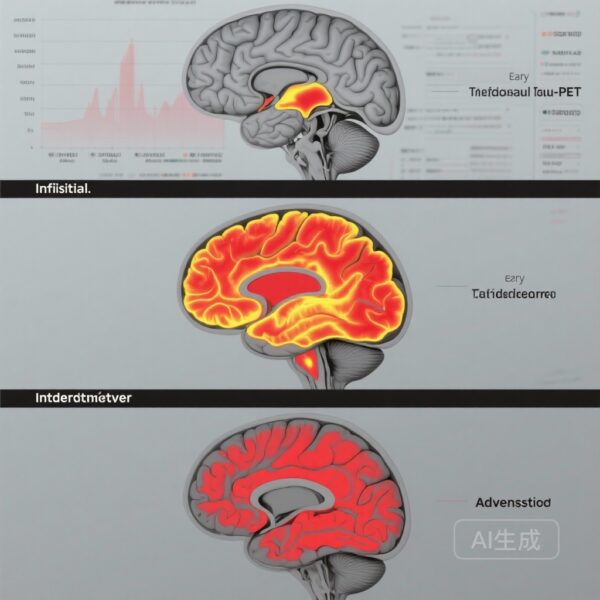
Stage-specific Tau-PET Dynamics in Biological Alzheimer’s Disease: Implications for Trial Design and Outcome Selection
NeurologyAlzheimer's diseasebiomarkers

Stage-specific Tau-PET Dynamics in Biological Alzheimer’s Disease: Implications for Trial Design and Outcome Selection

By MedXY|Dec 13, 2025

Longitudinal tau-PET accumulation follows distinct regional patterns across biological AD stages; aligning trial inclusion and outcome ROIs to baseline tau stage can substantially reduce sample sizes and improve power for disease-modifying

Lower Posttreatment Amyloid Predicts Slower Clinical Decline and Reduced Tau/Glial Biomarkers After Donanemab: Secondary Analysis of TRAILBLAZER‑ALZ 2
NeurologyAlzheimer diseaseamyloid PET

Lower Posttreatment Amyloid Predicts Slower Clinical Decline and Reduced Tau/Glial Biomarkers After Donanemab: Secondary Analysis of TRAILBLAZER‑ALZ 2

By MedXY|Dec 7, 2025

A secondary analysis of TRAILBLAZER‑ALZ 2 found that lower posttreatment amyloid plaque levels after donanemab correlate strongly with less clinical decline and reductions in plasma p‑tau217, p‑tau181, and GFAP over 76 weeks, supporting pla

Cellular Adhesion Molecules as Prognostic Biomarkers and Therapeutic Insights in Chronic Heart Failure: Integrative Review Emphasizing DAPA-HF Findings
Cardiologybiomarkerschronic heart failure

Cellular Adhesion Molecules as Prognostic Biomarkers and Therapeutic Insights in Chronic Heart Failure: Integrative Review Emphasizing DAPA-HF Findings

By MedXY|Dec 3, 2025

Elevated VCAM-1 levels correlate with worse outcomes in chronic HFrEF, independent of conventional markers; dapagliflozin’s benefits are consistent across VCAM-1 levels, highlighting inflammatory pathways as therapeutic targets.

Extratemporal epilepsy, obesity and male sex predict SUDEP risk in drug‑resistant focal epilepsy: clinical insights from the REPO2MSE prospective case‑control study
Neurologybiomarkersfocal epilepsy

Extratemporal epilepsy, obesity and male sex predict SUDEP risk in drug‑resistant focal epilepsy: clinical insights from the REPO2MSE prospective case‑control study

By MedXY|Dec 1, 2025

A multicentre prospective nested case‑control analysis (REPO2MSE) identifies extratemporal seizure onset, BMI ≥30, male sex, and predominantly nocturnal seizures as independent SUDEP risk factors in drug‑resistant focal epilepsy; peri‑ictal

High-Sensitivity Cardiac Troponins and Dementia Risk: Insights from Longitudinal Cohort Studies
CardiologybiomarkersCardiac troponin

High-Sensitivity Cardiac Troponins and Dementia Risk: Insights from Longitudinal Cohort Studies

By MedXY|Nov 28, 2025

Elevated high-sensitivity cardiac troponin I and T levels, indicative of subclinical myocardial injury in midlife, are associated with accelerated cognitive decline, structural brain changes, and increased dementia risk in later life.

Biomarker-Guided Preventive Care Halves Risk of Moderate–Severe AKI After Major Surgery: Results from BigpAK-2
Critical Careacute kidney injurybiomarkers

Biomarker-Guided Preventive Care Halves Risk of Moderate–Severe AKI After Major Surgery: Results from BigpAK-2

By MedXY|Nov 25, 2025

In BigpAK-2, a multinational randomized trial, a KDIGO-based preventive bundle triggered by tubular stress biomarkers reduced moderate or severe acute kidney injury within 72 hours after major surgery (OR 0.57; NNT 12) without increasing ad

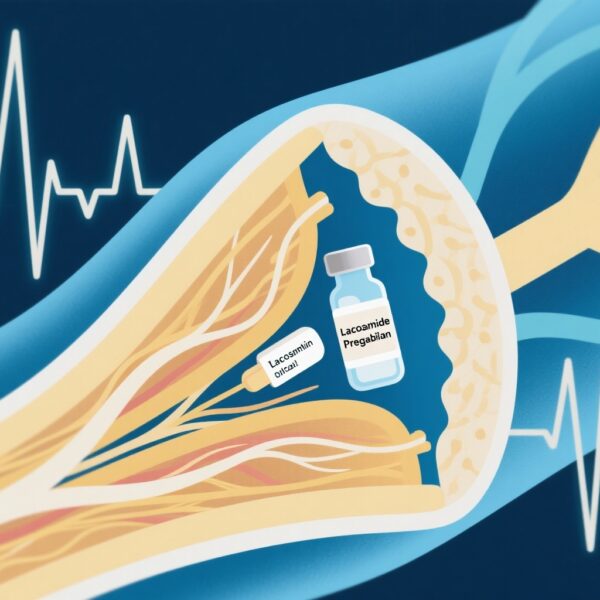
Lacosamide Lowers Peripheral Nerve Excitability in Large Myelinated Fibers: Randomized Crossover Evidence and Biomarker Implications
Anesthesiologybiomarkers

Lacosamide Lowers Peripheral Nerve Excitability in Large Myelinated Fibers: Randomized Crossover Evidence and Biomarker Implications

By MedXY|Nov 6, 2025

A randomized, double‑blind crossover trial in healthy volunteers found lacosamide acutely reduced strength–duration time constant and other excitability metrics in large myelinated peripheral fibers; pregabalin and tapentadol produced no co

Obesity Alters Symptom Trajectory and Inflammatory Signatures after Sport-Related Concussion: the NCAA‑DoD CARE Consortium
Diabetes & Endocrinologybiomarkersinflammation

Obesity Alters Symptom Trajectory and Inflammatory Signatures after Sport-Related Concussion: the NCAA‑DoD CARE Consortium

By MedXY|Nov 4, 2025

In a large prospective cohort, obese BMI (≥30) was associated with worse post-concussion neurocognitive outcomes and a persistently proinflammatory blood biomarker profile, despite fewer baseline symptoms. Findings suggest obesity modifies

Reduced Threat-Related Neural Efficiency as a Biomarker for Pediatric Anxiety: Implications for Diagnosis and CBT Response
newsbiomarkersCognitive Behavioral Therapy

Reduced Threat-Related Neural Efficiency as a Biomarker for Pediatric Anxiety: Implications for Diagnosis and CBT Response

By MedXY|Oct 30, 2025

This study identifies reduced neural efficiency during threat processing as a biomarker in pediatric anxiety disorders, linked to diagnosis and poorer CBT outcomes, offering potential for patient stratification and novel intervention target

Gender Differences in Chronic Rhinosinusitis: Insights into Diagnosis and Biomarkers
Allergy & Immunologybiomarkerschronic rhinosinusitis

Gender Differences in Chronic Rhinosinusitis: Insights into Diagnosis and Biomarkers

By MedXY|Oct 24, 2025

This study explores how biological sex influences CRS diagnosis and inflammatory biomarkers, revealing sex-specific patterns that could inform personalized treatment.

Prev
4 / 5
12345
Next
Ask MedXY AI

Most popular

Intimate Health
Five Benefits for Women Continuing Sexual Activity After Menopause
Intimate Health
Why Some Women Have a Strong Sex Drive—And Why Men Shouldn't Worry About It
Nursing & care
How often should a couple have sex?
Intimate Health
Classic Intimacy Recommendations: How to Help Women Reach Orgasm and Enjoy Mutual Pleasure
Intimate Health
What Makes a Woman "Physiologically Addicted" Is Never Money, But These Two Relationship Qualities