MMedXYNews
Ask AIHomeVideos
MedXY AI/MedXY News/Section: Superintelligence
Superintelligence

AI-Driven Quantitative CT Reveals Higher Relative Cardiovascular Risk from Coronary Plaque in Women: Insights from the CONFIRM2 Registry

MedXY Editorial TeamAug 17, 2025
cardiovascular riskSex Differences

Highlight

– AI-based quantitative computed tomography (AI-QCT) identifies coronary plaque characteristics with sex-specific prognostic significance.
– Although men exhibit higher total plaque volume and high-risk plaque prevalence, women show a substantially higher relative risk of major adverse cardiovascular events (MACEs) per unit plaque burden.
– Key AI-QCT features such as total plaque volume, noncalcified plaque, calcified plaque, and percentage atheroma volume predict outcomes more strongly in women.
– These findings advocate for more aggressive preventive and therapeutic strategies tailored to women’s cardiovascular risk profiles.

Study Background and Disease Burden

MedXY registered readers

Sign in free to continue reading

Create or use your MedXY account to unlock the complete article.

This article was created using several editorial tools, including AI, as part of the process. Human editors reviewed this content before publication.

Related articles

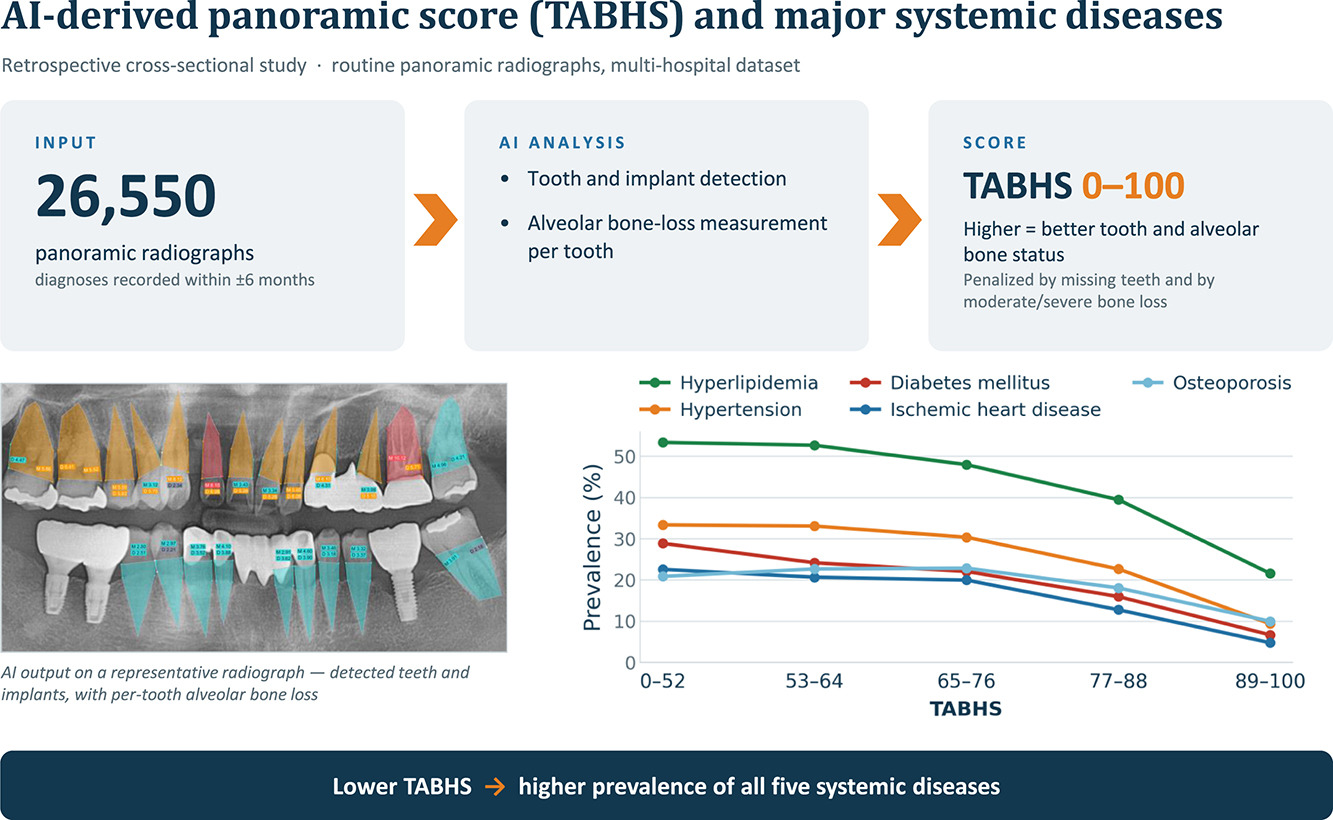
AI-Derived Panoramic Radiograph Score Links Oral Health to Major Systemic Diseases

SuperintelligenceOct 24, 2026

Enhancing Lentigo Maligna Detection with AI-Assisted Dermoscopy: A Clinical Reader Study on Facial Pigmented Lesions

SuperintelligenceOct 27, 2026

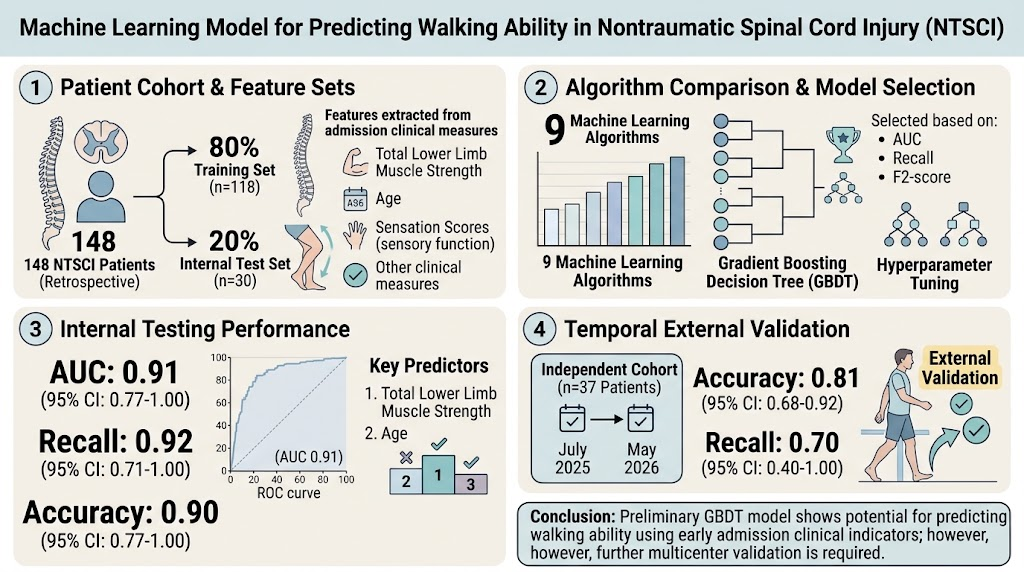
Predicting Walking Ability in Nontraumatic Spinal Cord Injury Using Machine Learning: A Novel Temporal Validation Study

SuperintelligenceOct 26, 2026
Loading comments...

Most read

  1. 01Intimate Health

    Five Benefits for Women Continuing Sexual Activity After Menopause

  2. 02Intimate Health

    Why Some Women Have a Strong Sex Drive—And Why Men Shouldn't Worry About It

  3. 03Nursing & care

    How often should a couple have sex?

  4. 04Cardiology

    Precision Medicine for Long QT Syndrome Type 2: Lumacaftor Corrects Trafficking Defects and Shortens QT Interval

  5. 05General Surgery

    Optimizing Postoperative Opioid Prescriptions After Intra-Abdominal Cancer Surgery: Comparing the 5x-Multiplier and 3-Tier Models

Go deeper with MedXY AI

Explore the evidence behind the news.

Ask AI
MedXY briefing

Stay informed

Medical news and research updates, delivered to your inbox.

© 2026 MedXY
Contact usAbout usPrivacy PolicyMedXY story