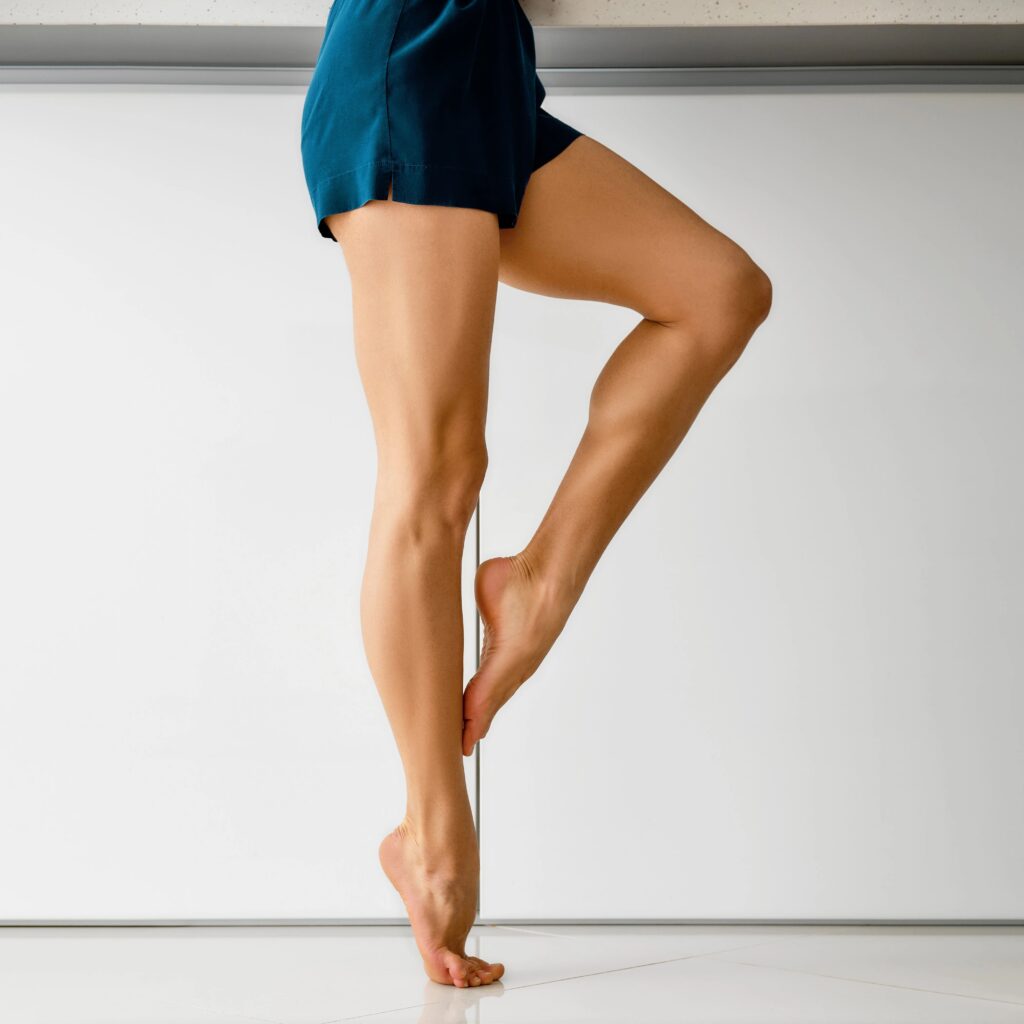
Introduction to Toe Raises: A Whole-Body Beneficial Exercise
Toe raises, a simple movement beloved by all internal organs, transcend time and space and can be performed anytime, anywhere to benefit the body. One session activates eight muscle groups in the legs. It is also an effective aerobic exercise that improves venous blood return from the lower limbs, increases myocardial oxygen supply, and protects cardiovascular health.
The Traditional Chinese Medicine Perspective
In Traditional Chinese Medicine (TCM), the toes, heel, lower leg, and inner thigh contain three important meridians: the Spleen, Liver, and Kidney meridians, collectively known as the Foot Three Yin Meridians. Regular toe raises stimulate these meridians, promoting upward flow of qi and blood, which warms and nourishes internal organs, enhances vital energy, and harmonizes circulation.
Seasonal Benefits and Historical Roots
Especially in spring, frequent toe raises help regulate metabolism and endocrine functions, which are crucial for maintaining overall health. The final movement of the ancient Qigong set Baduanjin, called “Back Seven Vibrations to Eliminate Hundred Diseases,” uses heel raises to stimulate the Kidney meridian, inducing whole-body vibrations that gently massage internal organs, providing health benefits and disease prevention.
Six Key Benefits of Daily Toe Raises
1. Muscle Strengthening: The legs act as the body’s “second heart.” Regular toe raises strengthen the calf muscles, stretch the plantar muscles and ligaments, improve balance, prevent falls, and increase endurance for standing, walking, running, and jumping.
2. Cardiovascular Protection: Venous return depends on muscle contractions generating pressure. Toe raises promote blood flow back to the heart, ensuring sufficient oxygen supply to the myocardium and supporting heart health.
3. Kidney Qi Nourishment: The inner foot houses the Kidney, Liver, and Spleen meridians. Stimulating these through toe raises helps clear meridian pathways, guides qi upward, and strengthens kidney energy.
4. Joint Pain Prevention: Sitting slows blood circulation around joints and reduces muscle activity by 50%, lowering metabolism. Toe raises enhance ankle stability, prevent varicose veins, and reduce knee stiffness and pain.
5. Hemorrhoid Prevention: Combining toe raises with pelvic floor contractions (anal and buttock muscle engagement) can help prevent hemorrhoids.
6. Stimulating Plantar Fascia: Toe raises provide appropriate massage and stimulation to the heel, preventing degradation of the heel pad and promoting regeneration of protective cushioning.
How to Perform Toe Raises Correctly
Stand naturally with arms relaxed by your sides and feet slightly together. Raise your heels as high as possible, hold balance for two seconds with calves tightened, then gently lower heels. Just before the heels touch the ground, perform a slight bounce to create a mild vibration. Repeat this rhythmically.
For enhanced benefits, coordinate with pelvic floor exercises: inhale slowly while raising heels and contracting pelvic muscles, exhale slowly while lowering heels and relaxing pelvic muscles.
Practice Guidelines
Perform toe raises twice daily, morning and evening, with a frequency of one raise every 2 to 3 seconds, lasting 1 to 5 minutes until the soles feel warm. Elderly beginners should hold onto a stable support such as a windowsill or railing to avoid falls, progressing to unsupported practice as balance improves.
Incorporating Toe Raises in Daily Life
– Walking: Walk 30 to 50 steps on your toes, rest briefly, and repeat as comfortable. Adjust speed for comfort; beginners may use a wall for balance.
– Sitting: With legs slightly apart and knees bent, repeatedly raise and flex your toes 30 to 50 times. For resistance, place two water bottles on your thighs.
– Lying Down: Lying flat with legs together, flex and point toes 20 to 30 times per session, 2 to 4 times daily. This ankle pump exercise improves circulation, reduces lower limb swelling, and prevents venous thrombosis.
Elderly individuals with mobility limitations or severe osteoporosis should avoid walking toe raises to prevent falls and may instead practice sitting or lying exercises.
Additional Health Benefits
For women, strengthening pelvic floor muscles enhances sexual sensation and orgasm. Men with chronic prostatitis or prostate enlargement may find that toe raises during urination facilitate smoother urine flow.
Consistent practice of toe raises five to six times daily for one to six months can significantly improve vitality and overall fitness.
Conclusion
Toe raises are a time-honored, accessible exercise that strengthens muscles, improves circulation, protects cardiovascular and kidney health, prevents joint pain, and supports pelvic health. Regular practice, combined with proper technique and pelvic floor engagement, offers a holistic approach to maintaining physical wellness rooted in traditional Chinese medicine principles.
This article was created using several editorial tools, including AI, as part of the process. Human editors reviewed this content before publication.