MMedXYNews
Ask AIHomeVideos
MedXY AI/MedXY News/Tag: mechanical ventilation

mechanical ventilation

Latest news

Tag

Critical Care

Machine Learning-Enhanced Radiographic Detection of ARDS Predicts Outcomes in Mechanically Ventilated Patients

A deep learning model identifying ARDS features on chest X-rays independently predicts 28-day mortality and ventilator duration beyond traditional clinical measures in patients undergoing invasive mechanical ventilation.
Oct 31, 2026
Critical Care

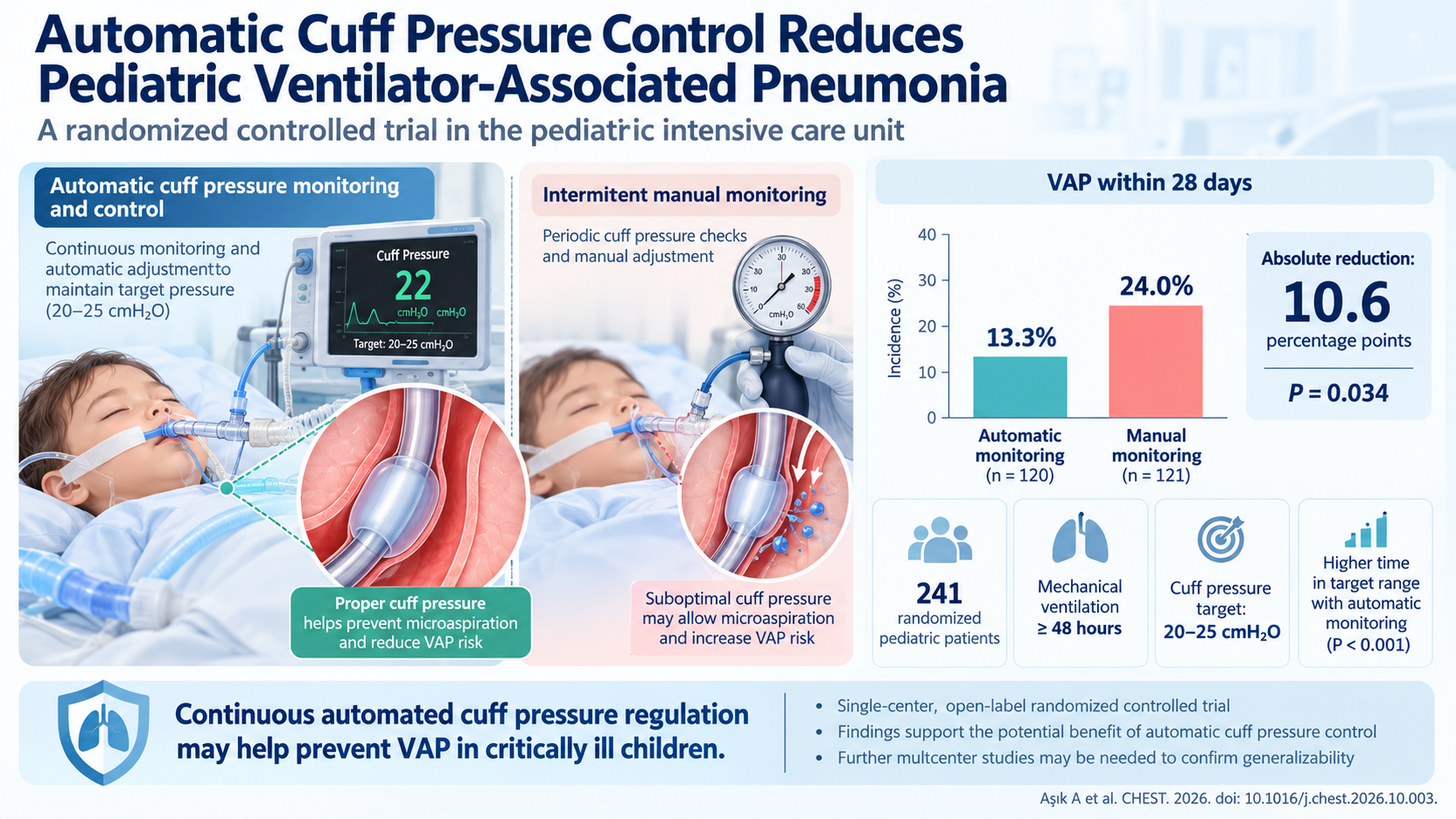
Continuous Automatic Endotracheal Cuff Pressure Monitoring Reduces Ventilator-Associated Pneumonia in Pediatric ICU: New Evidence from a Robust RCT

Continuous automatic cuff pressure monitoring significantly lowers ventilator-associated pneumonia incidence in critically ill children by ensuring better pressure control, offering an effective preventive strategy in pediatric intensive ca

Oct 23, 2026
Critical Care

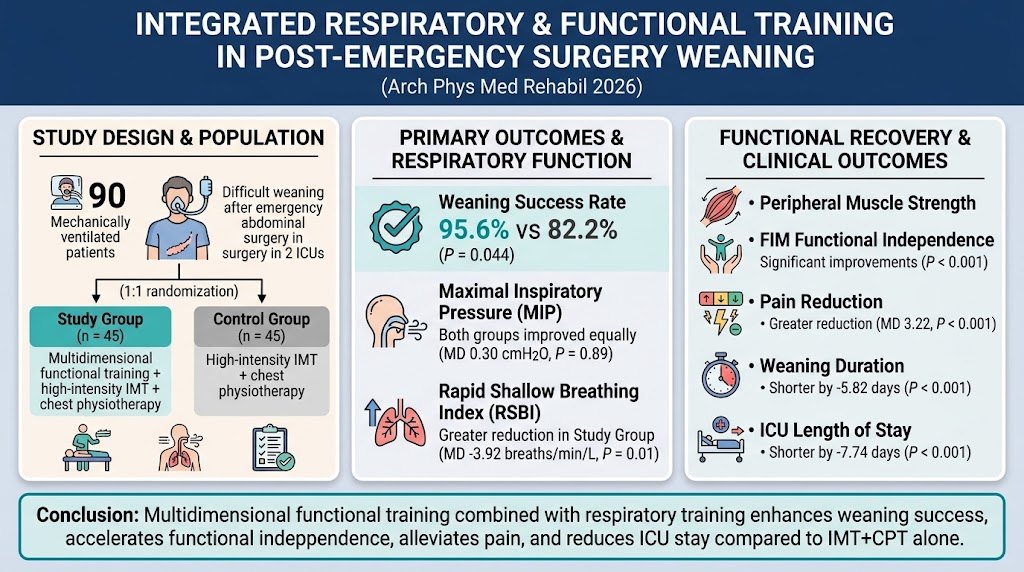
Integrated Respiratory and Functional Training Enhances Weaning and Recovery After Emergency Abdominal Surgery: Insights from a Randomized Controlled Trial

This RCT demonstrates that combining multidimensional functional training with inspiratory muscle training and chest physiotherapy improves weaning success, muscle strength, functional independence, pain reduction, and ICU stay following em

Oct 21, 2026
Clinical Updates

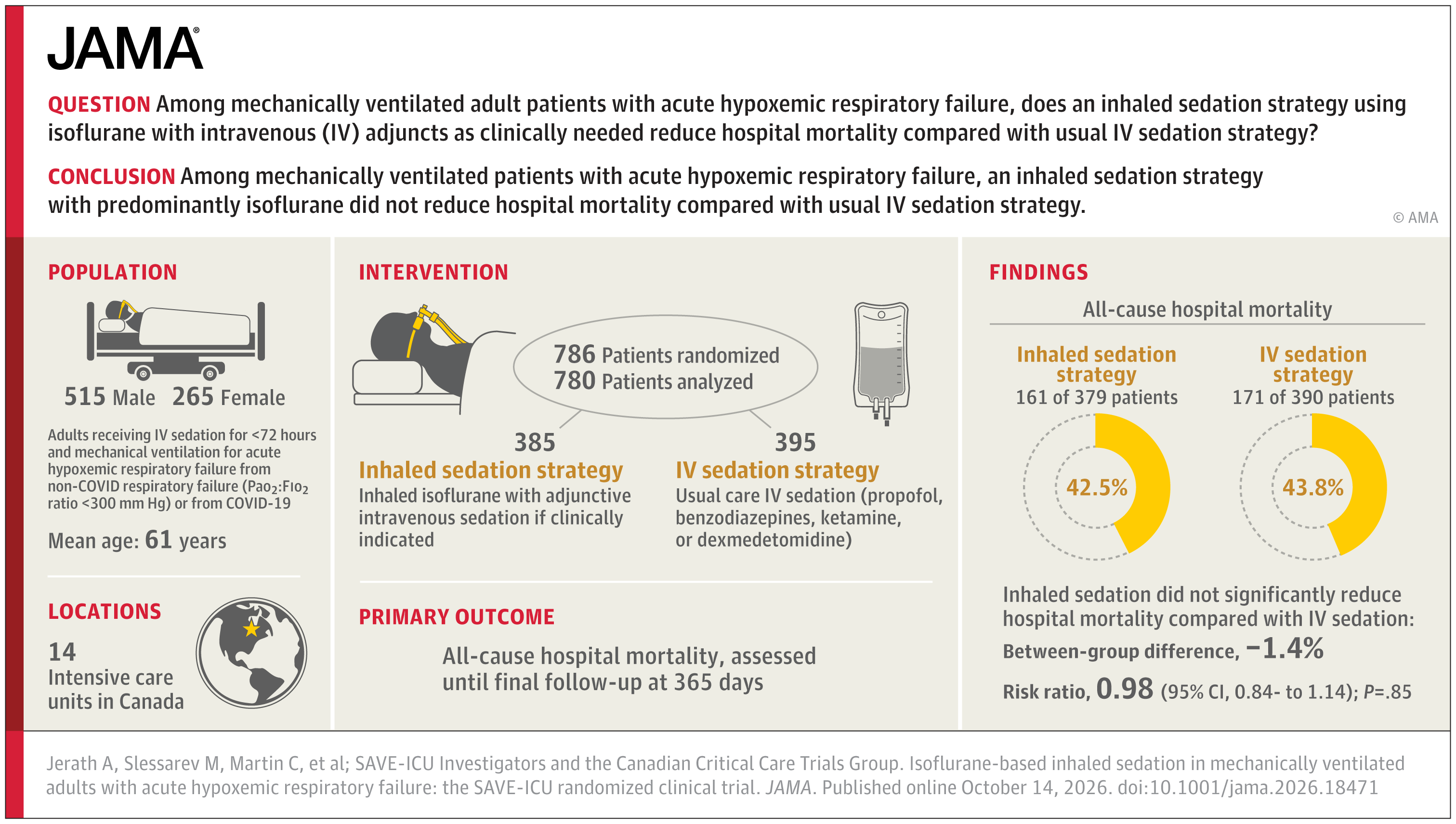
Isoflurane-Based Inhaled Sedation for Acute Hypoxemic Respiratory Failure: Insights from the SAVE-ICU Randomized Clinical Trial

This review critically examines the SAVE-ICU trial assessing isoflurane inhaled sedation versus intravenous sedation in mechanically ventilated adults with acute hypoxemic respiratory failure, highlighting implications for clinical practice

Oct 19, 2026
Critical Care

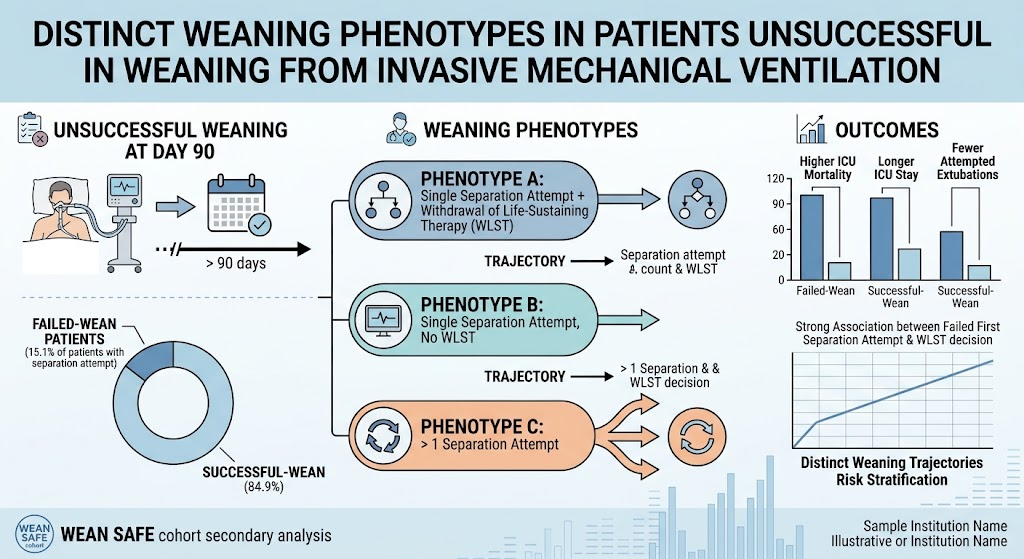
Distinct Weaning Phenotypes in Invasive Mechanical Ventilation Failures: Insights from the WEAN SAFE Cohort

This study identifies three distinct phenotypes among patients failing to wean from invasive mechanical ventilation, linking failed initial attempts, withdrawal decisions, and mortality, highlighting the need for tailored management strateg

Sep 20, 2026
Anesthesiology

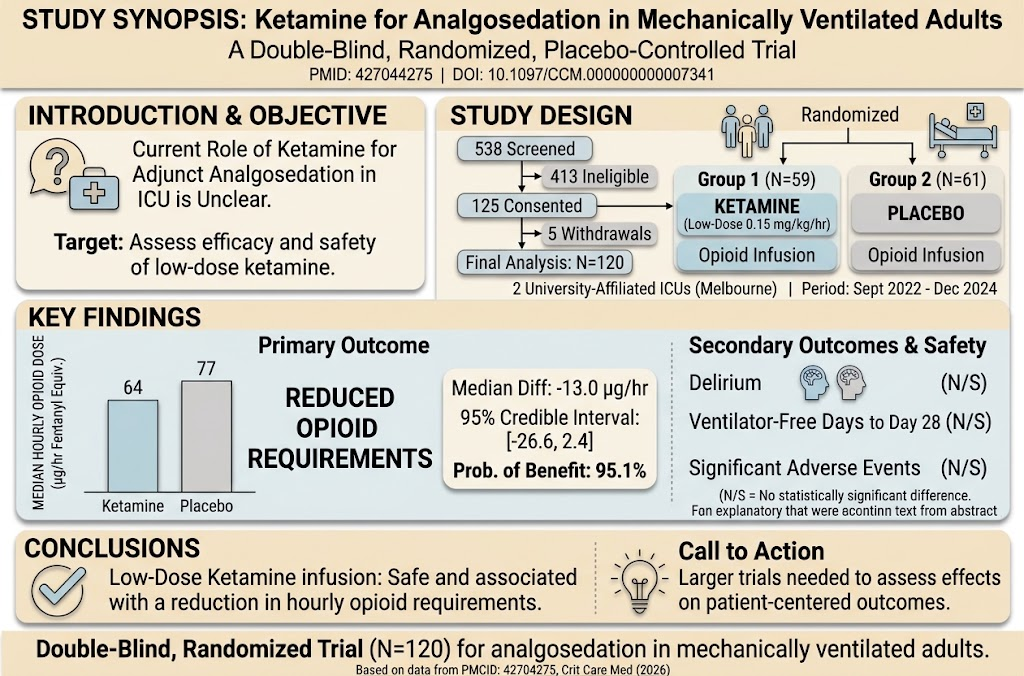
Low-Dose Ketamine Reduces Opioid Requirements in Mechanically Ventilated ICU Patients: Insights from a Double-Blind Randomized Trial

A randomized controlled trial demonstrates that adjunct low-dose ketamine infusion safely decreases opioid use in mechanically ventilated adults without increasing delirium or adverse events, suggesting potential benefits in ICU analgosedat

Sep 20, 2026
Critical Care

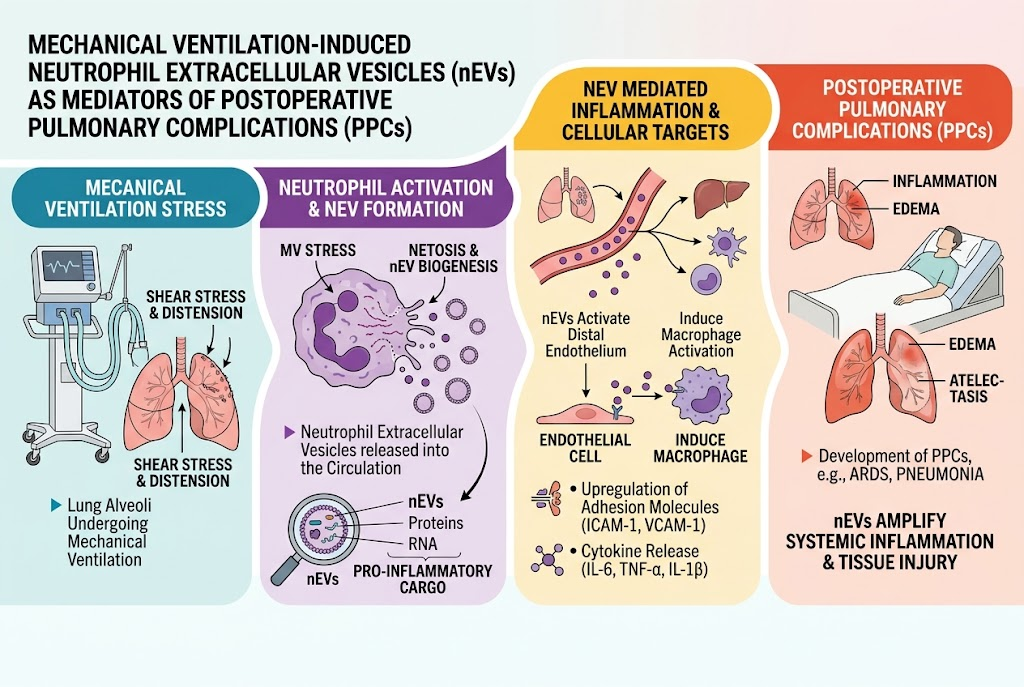
Mechanical Ventilation-Induced Neutrophil Extracellular Vesicles: A Novel Mediator in Postoperative Pulmonary Complications

Mechanical ventilation during surgery induces neutrophil extracellular vesicles that propagate lung inflammation and contribute to postoperative pulmonary complications, highlighting potential new biomarkers and therapeutic targets.

Sep 17, 2026
Critical Care

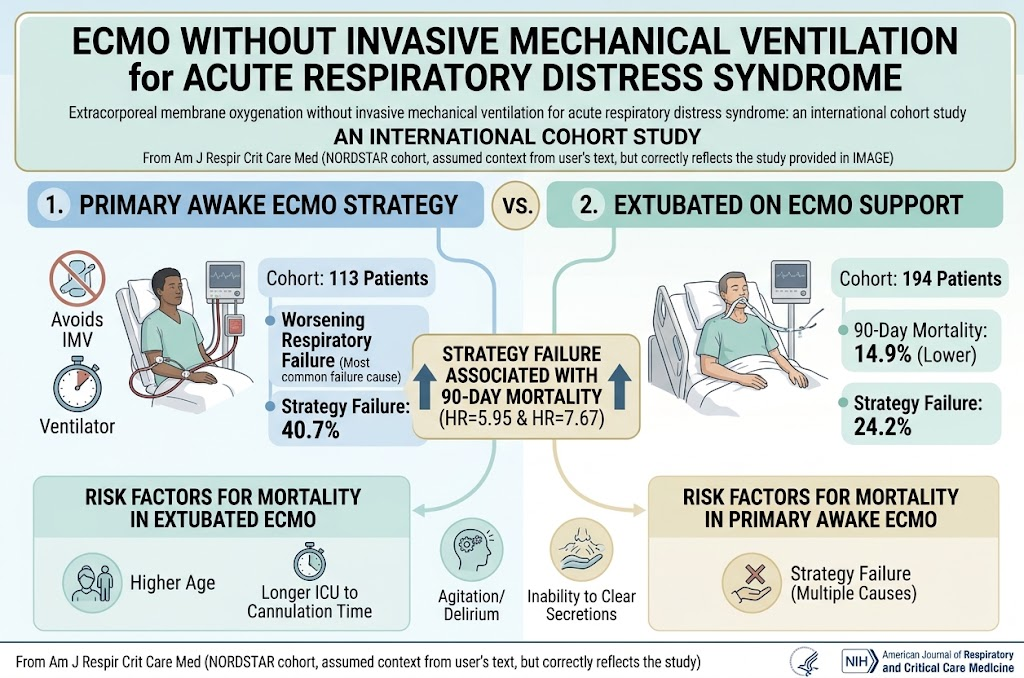
Extracorporeal Membrane Oxygenation without Mechanical Ventilation in ARDS: Insights from an International Cohort Study

This study evaluates ECMO as a standalone respiratory support in ARDS patients avoiding invasive mechanical ventilation, highlighting outcomes, strategy failures, and mortality implications.

Sep 15, 2026
Critical Care

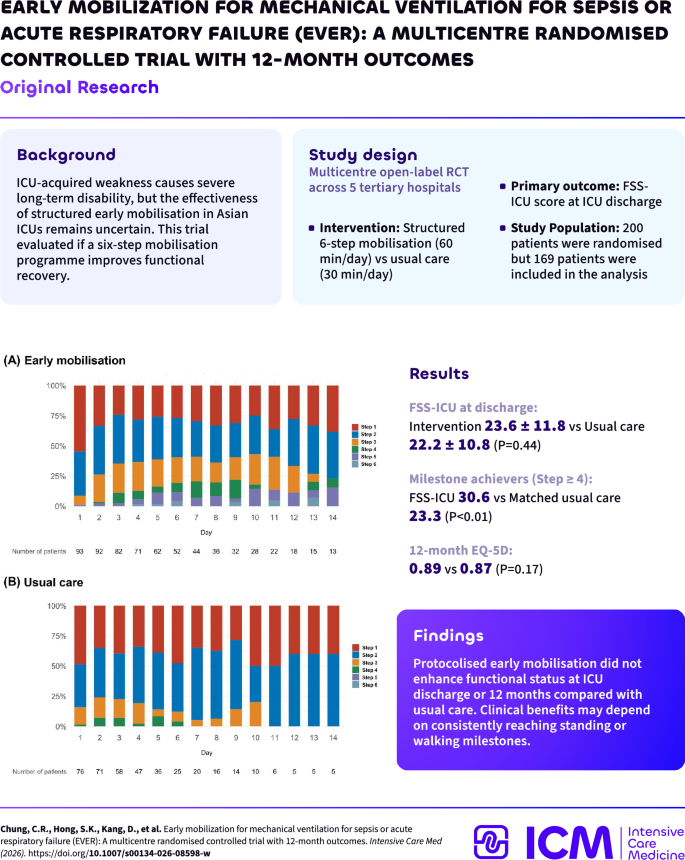
Evaluating the Impact of Early Mobilization in Mechanically Ventilated ICU Patients with Sepsis or Acute Respiratory Failure: Insights from the EVER Multicenter RCT

The EVER trial examined if a structured early mobilization protocol improves functional outcomes in ventilated patients with sepsis or respiratory failure. Despite earlier and increased mobilization, no significant functional benefit was ob

Sep 1, 2026
Critical Care

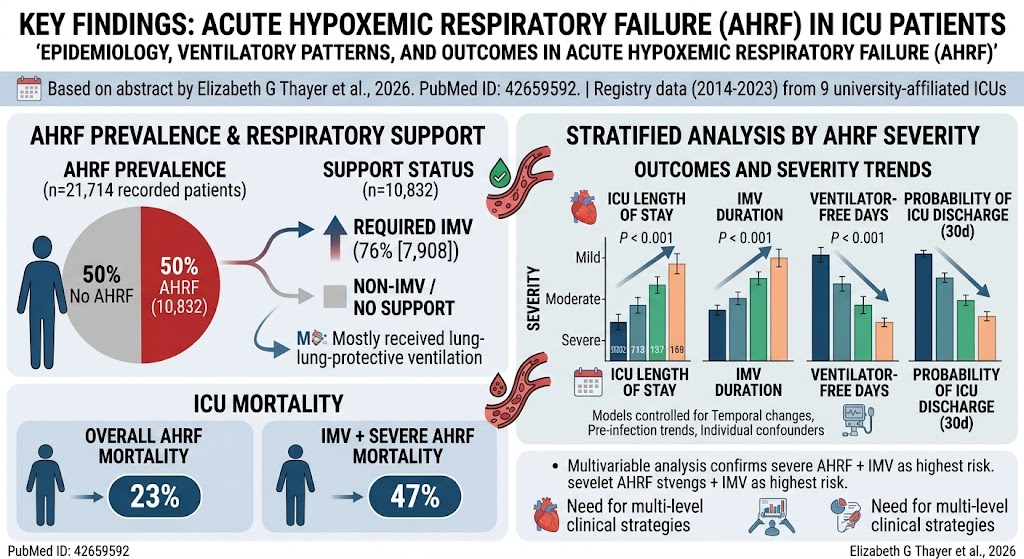
Understanding Acute Hypoxemic Respiratory Failure in ICU Patients: Epidemiology, Ventilatory Management, and Outcomes from a Multi-ICU Cohort Study

This study reveals that acute hypoxemic respiratory failure (AHRF) affects half of ICU patients needing respiratory support, with severity linked to worse outcomes. Lung-protective ventilation is common, underscoring the need for standardiz

Sep 1, 2026Sign in to read
Critical Care

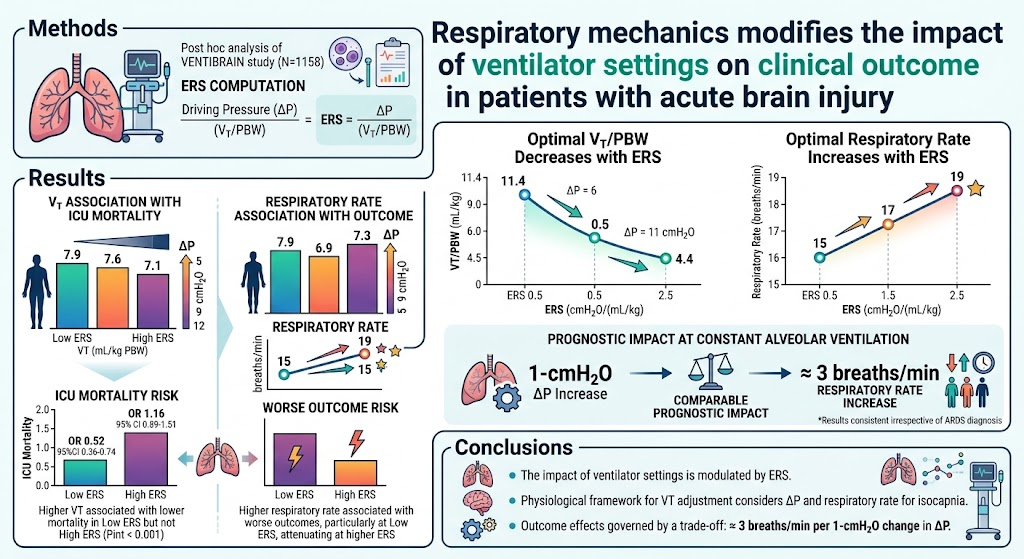
How Respiratory Mechanics Shapes Ventilator Settings and Outcomes in Acute Brain Injury Patients

This study reveals how respiratory system elastance influences the effects of tidal volume and respiratory rate on outcomes in mechanically ventilated acute brain injury patients, suggesting personalized ventilation strategies based on resp

Aug 24, 2026Sign in to read
Clinical Updates

Physical Restraint Use in Mechanically Ventilated ICU Patients: Impact on Delirium and Coma-Free Days Over 14 Days

RCT evidence shows that restrictive low-use versus liberal high-use physical restraint strategies in mechanically ventilated ICU patients do not differ in days alive without delirium or coma at 14 days.

Jul 14, 2026
Superintelligence

Revolutionizing Mechanical Ventilation: AI-Driven Real-Time Monitoring of Inspiratory Effort and Patient-Ventilator Synchrony

A novel artificial intelligence algorithm enables continuous, noninvasive monitoring of inspiratory muscle effort and patient-ventilator dyssynchrony during mechanical ventilation, demonstrating accuracy comparable to invasive gold standard

Jul 9, 2026Sign in to read
Critical Care

Prone Positioning for Severe Hypoxemia Rose Sharply During COVID-19 but Was Not Sustained Across North American ICUs

In 37 North American hospitals, proning of eligible mechanically ventilated patients increased markedly during COVID-19, then fell post-pandemic, with substantial interhospital variation throughout.

May 27, 2026Sign in to read
Critical Care

Predicted Body Weight May Be Too High for Many Critically Ill Women: New Evidence Challenges a Core Assumption in Lung-Protective Ventilation

A large analysis suggests the predicted body weight equation overestimates lung size in critically ill women, increasing the risk of higher driving pressures and contributing to excess mortality under standard tidal-volume targeting.

May 12, 2026Sign in to read
Clinical Updates

Optimizing Positive End-Expiratory Pressure in Patients Without ARDS: From Non-Inferiority to Bayesian Probabilities of Benefit

Bayesian re-analysis of the RELAx trial suggests a 75-78% probability that a lower PEEP strategy is superior to higher PEEP in ICU patients without ARDS, with even higher benefits observed in specific clinical subgroups.

Apr 3, 2026Sign in to read
Critical Care

Mortality Trends in Mechanically Ventilated ARDS: 20 Years of Paradox Revealed

A landmark 20-year analysis of over 200,000 mechanically ventilated ARDS patients reveals a striking paradox—mortality declined during the ICD-9 era but increased after ICD-10 adoption, challenging assumptions about ARDS outcomes and highli

Apr 2, 2026Sign in to read
Critical Care

Melatonin in the ICU Does Not Translate to Reduced Delirium Incidence

The DEMEL trial found that while 0.3 mg of melatonin achieved a superior pharmacokinetic profile over 3 mg, it failed to reduce delirium incidence or improve clinical outcomes in mechanically ventilated patients compared to placebo.

Dec 28, 2025Sign in to read
Anesthesiology

Individualized Driving Pressure-Guided PEEP Fails to Reduce Pulmonary Complications in Open Abdominal Surgery: Results from the DESIGNATION Trial

The DESIGNATION trial demonstrates that driving pressure-guided high PEEP with recruitment maneuvers does not reduce postoperative pulmonary complications compared to standard low PEEP in patients undergoing open abdominal surgery, while si

Dec 28, 2025
Anesthesiology

The Paradox of Personalized PEEP: Why Driving Pressure-Guided Ventilation Failed to Improve Outcomes in Emergency Surgery

This article evaluates the IMPROVE-2 trial and a recent meta-analysis on driving pressure-guided PEEP. Despite physiological improvements in lung compliance, individualized PEEP failed to reduce postoperative respiratory failure in emergenc

Dec 27, 2025Sign in to read
1 / 2
12
Next

Most read

  1. 01Intimate Health

    Five Benefits for Women Continuing Sexual Activity After Menopause

  2. 02Intimate Health

    Why Some Women Have a Strong Sex Drive—And Why Men Shouldn't Worry About It

  3. 03Nursing & care

    How often should a couple have sex?

  4. 04Cardiology

    Precision Medicine for Long QT Syndrome Type 2: Lumacaftor Corrects Trafficking Defects and Shortens QT Interval

  5. 05General Surgery

    Optimizing Postoperative Opioid Prescriptions After Intra-Abdominal Cancer Surgery: Comparing the 5x-Multiplier and 3-Tier Models

Go deeper with MedXY AI

Explore the evidence behind the news.

Ask AI
MedXY briefing

Stay informed

Medical news and research updates, delivered to your inbox.

© 2026 MedXY
Contact usAbout usPrivacy PolicyMedXY story