We use cookies

Our website uses essential cookies and, with your consent, additional cookies to measure performance and improve our services. Cookie Policy.

You can change your choice at any time.

MMedXYNews
HomeVideos
© 2026 MedXY
Contact usAbout usPrivacy PolicyMedXY story
MedXY AI/MedXY News/Tag: atrial fibrillation
MedXY News
EnglishTag

atrial fibrillation

Ask MedXY AI
type 2 diabetesclinical trialheart failureimmunotherapyobesitycardiovascular riskatrial fibrillationbiomarkerscritical careclinical trialsHypertensionartificial intelligenceCardiologyoncologypublic healthtype 1 diabetesdiabetesMortalityAlzheimer's diseasecardiovascular diseasebreast cancerepidemiology

Latest news

Tag

Genetic Susceptibility and Elite Rowing: The Dual Drivers of Atrial Fibrillation Risk in Former Athletes
Cardiologyatrial fibrillationCardiac Remodeling

Genetic Susceptibility and Elite Rowing: The Dual Drivers of Atrial Fibrillation Risk in Former Athletes

By MedXY|Jan 6, 2026

A landmark study reveals that former world-class rowers face a seven-fold higher risk of atrial fibrillation compared to the general population, driven by a combination of intensive cardiac remodeling and a strong polygenic predisposition.

Distinct Neuroimaging Signatures: Atrial Fibrillation and Atherosclerosis Drive Divergent Vascular Brain Lesion Patterns
Cardiologyatherosclerosisatrial fibrillation

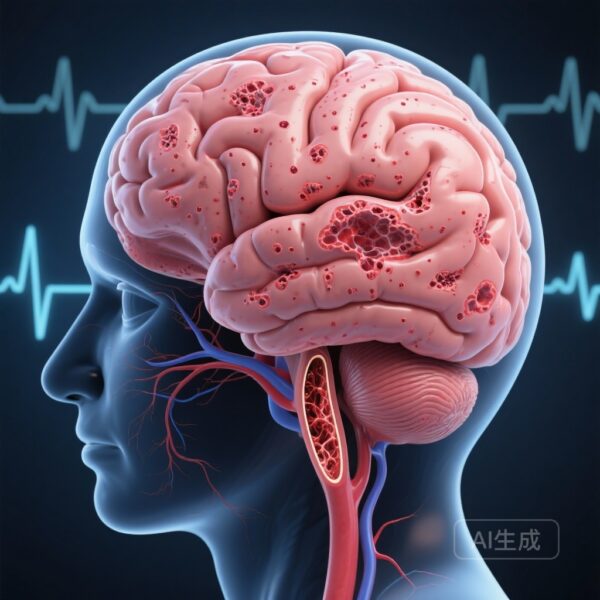
Distinct Neuroimaging Signatures: Atrial Fibrillation and Atherosclerosis Drive Divergent Vascular Brain Lesion Patterns

By MedXY|Jan 5, 2026

A large-scale comparative study of 3,508 patients reveals that atrial fibrillation and atherosclerosis produce significantly different vascular brain lesions on MRI, with AF favoring non-lacunar infarcts and periventricular white matter cha

Low Potassium Levels Linked to Five-Fold Increase in Daily Atrial Fibrillation Risk: Insights from Continuous Monitoring
Cardiologyatrial fibrillation

Low Potassium Levels Linked to Five-Fold Increase in Daily Atrial Fibrillation Risk: Insights from Continuous Monitoring

By MedXY|Jan 5, 2026

A post hoc analysis of the LOOP study reveals that hypokalaemia is significantly associated with an increased risk of daily atrial fibrillation, particularly longer episodes. The study highlights that deviations from a patient’s indiv

Safety Profile Favors Apixaban Over Rivaroxaban in High-Risk Patients with Atrial Fibrillation and Peripheral Artery Disease
Cardiologyanticoagulationatrial fibrillation

Safety Profile Favors Apixaban Over Rivaroxaban in High-Risk Patients with Atrial Fibrillation and Peripheral Artery Disease

By MedXY|Jan 5, 2026

A large-scale cohort study reveals that while rivaroxaban and apixaban offer similar protection against limb events and stroke in patients with AF and PAD, rivaroxaban is associated with a 55% higher risk of major bleeding, suggesting apixa

Is Female Sex a Truly Independent Risk Factor for Stroke in Atrial Fibrillation? Insights from a Large European Cohort
Cardiologyanticoagulationatrial fibrillation

Is Female Sex a Truly Independent Risk Factor for Stroke in Atrial Fibrillation? Insights from a Large European Cohort

By MedXY|Jan 4, 2026

A large European cohort study reveals that while women with atrial fibrillation are less likely to receive anticoagulants and show higher crude thromboembolism rates, female sex is not an independent risk factor after adjusting for comorbid

NSAID Co-prescription in Atrial Fibrillation: Doubling the Bleeding Burden Across All Oral Anticoagulants
Cardiologyatrial fibrillationbleeding risk

NSAID Co-prescription in Atrial Fibrillation: Doubling the Bleeding Burden Across All Oral Anticoagulants

By MedXY|Jan 4, 2026

A nationwide cohort study demonstrates that NSAID use in patients with atrial fibrillation on oral anticoagulants nearly doubles the risk of hospital-diagnosed bleeding, with significant risks observed across all anticoagulant types and mul

Nanosecond Pulsed Field Ablation Matches Radiofrequency Efficacy While Slashing Procedure Time: Insights From the InsightPFA Trial
Cardiologyatrial fibrillationElectrophysiology

Nanosecond Pulsed Field Ablation Matches Radiofrequency Efficacy While Slashing Procedure Time: Insights From the InsightPFA Trial

By MedXY|Dec 26, 2025

The InsightPFA trial confirms that a novel nanosecond pulsed field ablation (nsPFA) system is noninferior to radiofrequency ablation for paroxysmal atrial fibrillation, significantly reducing procedure and left atrial dwell times while main

Pulsed Field Ablation Demonstrates Exceptional Safety in Real-World Practice: Insights from the 40,000-Patient MANIFEST-US Study
Cardiologyatrial fibrillationpatient safety

Pulsed Field Ablation Demonstrates Exceptional Safety in Real-World Practice: Insights from the 40,000-Patient MANIFEST-US Study

By MedXY|Dec 25, 2025

The MANIFEST-US study of over 40,000 patients confirms that pulsed field ablation (PFA) for atrial fibrillation maintains a high safety profile in real-world U.S. clinical practice, with a major complication rate of just 0.63% and a complet

Diabetes, Obesity, and Early Rhythm Control in Atrial Fibrillation: Insights from the EAST-AFNET 4 Trial
Cardiologyatrial fibrillationcardiovascular outcomes

Diabetes, Obesity, and Early Rhythm Control in Atrial Fibrillation: Insights from the EAST-AFNET 4 Trial

By MedXY|Dec 22, 2025

This analysis of the EAST-AFNET 4 trial highlights that early rhythm control therapy’s cardiovascular benefits and safety are consistent regardless of diabetes or obesity status in atrial fibrillation patients.

No Net Benefit from Adding Antiplatelet Therapy to Anticoagulation After Ischemic Stroke With Atrial Fibrillation and Atherosclerosis — Higher Bleeding Risk
CardiologyAntithrombotic Therapyatrial fibrillation

No Net Benefit from Adding Antiplatelet Therapy to Anticoagulation After Ischemic Stroke With Atrial Fibrillation and Atherosclerosis — Higher Bleeding Risk

By MedXY|Dec 7, 2025

In a randomized trial of 316 patients with ischemic stroke/TIA, nonvalvular atrial fibrillation, and atherosclerotic disease, adding an antiplatelet to anticoagulation did not reduce ischemic events but doubled clinically relevant bleeding

Common, Rare and Somatic Genetic Drivers Together Double 5‑Year Atrial Fibrillation Risk: Toward an Integrated Genomic Model (IGM‑AF)
Cardiologyatrial fibrillationClonal hematopoiesis

Common, Rare and Somatic Genetic Drivers Together Double 5‑Year Atrial Fibrillation Risk: Toward an Integrated Genomic Model (IGM‑AF)

By MedXY|Dec 3, 2025

A UK Biobank whole‑genome study finds polygenic, rare monogenic, and somatic (CHIP) variants each independently associate with incident atrial fibrillation (AF); combined genomic profiling plus clinical risk (CHARGE‑AF) improves discriminat

Aggressive Risk Factor Management Improves 12‑Month Ablation Success: Insights from the ARREST‑AF Randomized Trial
Cardiologyatrial fibrillationweight loss

Aggressive Risk Factor Management Improves 12‑Month Ablation Success: Insights from the ARREST‑AF Randomized Trial

By MedXY|Dec 2, 2025

In patients with overweight/obesity and cardiometabolic comorbidity undergoing first-time AF ablation, a structured, physician‑led program of lifestyle and risk‑factor modification (LRFM) improved freedom from atrial arrhythmia at 12 months

Widespread Anticoagulation Has Lowered Stroke but Not Intracranial Bleeding in the Very Elderly: Insights from a Danish Nationwide AF Cohort (1999–2022)
Cardiologyatrial fibrillationelderly

Widespread Anticoagulation Has Lowered Stroke but Not Intracranial Bleeding in the Very Elderly: Insights from a Danish Nationwide AF Cohort (1999–2022)

By MedXY|Nov 29, 2025

Danish registry data (1999–2022) show large reductions in stroke across age groups with widespread oral anticoagulant (OAC) uptake, but only modest stroke gains and rising intracerebral hemorrhage in patients ≥85 years, highlighting the nee

Cryoballoon Ablation Is Non‑Inferior to Radiofrequency for 1‑Year Arrhythmia Control in Persistent AF — but Left Atrium Shrinks Less: Insights from the CRRF‑PeAF Trial
Cardiologyatrial fibrillationcatheter ablation

Cryoballoon Ablation Is Non‑Inferior to Radiofrequency for 1‑Year Arrhythmia Control in Persistent AF — but Left Atrium Shrinks Less: Insights from the CRRF‑PeAF Trial

By MedXY|Nov 28, 2025

The randomized CRRF‑PeAF trial (n=499) found cryoballoon pulmonary vein isolation non‑inferior to radiofrequency ablation for 1‑year atrial tachyarrhythmia recurrence in persistent atrial fibrillation, but radiofrequency produced greater le

Left Atrial Appendage Occlusion Reduces Cardioembolic Strokes and Improves Stroke Outcomes: Insights From LAAOS III Post Hoc Analysis
Cardiologyatrial fibrillationischemic stroke

Left Atrial Appendage Occlusion Reduces Cardioembolic Strokes and Improves Stroke Outcomes: Insights From LAAOS III Post Hoc Analysis

By MedXY|Nov 25, 2025

Post hoc analyses of LAAOS III show surgical left atrial appendage occlusion (LAAO) during cardiac surgery lowers the proportion of cardioembolic and cortical infarcts and is associated with less disability and lower early mortality after i

Vernakalant Beats Procainamide for Rapid ED Cardioversion of Recent-Onset Atrial Fibrillation: Results from RAFF4
Cardiologyatrial fibrillationProcainamide

Vernakalant Beats Procainamide for Rapid ED Cardioversion of Recent-Onset Atrial Fibrillation: Results from RAFF4

By MedXY|Nov 21, 2025

The RAFF4 randomized trial found intravenous vernakalant superior to procainamide for rapid cardioversion of acute atrial fibrillation in the emergency department — higher conversion within 30 minutes, faster time to sinus rhythm, and fewer

Daily Caffeinated Coffee After Cardioversion Cuts Atrial Fibrillation Recurrence: Results from the DECAF Randomized Trial
Cardiologyatrial fibrillationcaffeine

Daily Caffeinated Coffee After Cardioversion Cuts Atrial Fibrillation Recurrence: Results from the DECAF Randomized Trial

By MedXY|Nov 10, 2025

The DECAF randomized trial found that encouraging caffeinated coffee consumption (≈1 cup/day) after successful cardioversion reduced clinically detected AF/flutter recurrence over 6 months versus caffeine abstinence (47% vs 64%; HR 0.61). R

NOAC Monotherapy After Drug‑Eluting Stent: Safer and at Least as Effective as NOAC Plus Clopidogrel in AF Patients ≥1 Year After PCI
Cardiologyatrial fibrillationOral Anticoagulation

NOAC Monotherapy After Drug‑Eluting Stent: Safer and at Least as Effective as NOAC Plus Clopidogrel in AF Patients ≥1 Year After PCI

By MedXY|Nov 10, 2025

In the ADAPT AF‑DES randomized trial, NOAC monotherapy in AF patients with drug‑eluting stents implanted ≥1 year earlier reduced bleeding and was noninferior—and numerically superior—for a composite of ischemic and bleeding outcomes versus

Does Anticoagulation After Successful AF Ablation Matter? The OCEAN Trial Shows No Clear Advantage of Rivaroxaban over Aspirin
Cardiologyanticoagulationatrial fibrillation

Does Anticoagulation After Successful AF Ablation Matter? The OCEAN Trial Shows No Clear Advantage of Rivaroxaban over Aspirin

By MedXY|Nov 10, 2025

In patients who underwent successful catheter ablation for atrial fibrillation at least one year earlier, rivaroxaban did not significantly reduce the composite of clinical or covert embolic stroke compared with aspirin over 3 years, while

Mitochondrial Calcium Deficit Links Structural Remodeling to Atrial Fibrillation — and an Old Cholesterol Drug, Ezetimibe, Shows Unexpected Anti‑AF Potential
Cardiologyatrial fibrillationmitochondria

Mitochondrial Calcium Deficit Links Structural Remodeling to Atrial Fibrillation — and an Old Cholesterol Drug, Ezetimibe, Shows Unexpected Anti‑AF Potential

By MedXY|Nov 5, 2025

New human tissue and cellular data implicate impaired mitochondrial Ca2+ uptake, structural uncoupling of sarcoplasmic reticulum–mitochondria contacts, and oxidative stress in atrial fibrillation (AF); ezetimibe restored mitochondrial Ca2+

Prev
4 / 6
123456
Next
Ask MedXY AI

Most popular

Intimate Health
Five Benefits for Women Continuing Sexual Activity After Menopause
Intimate Health
Why Some Women Have a Strong Sex Drive—And Why Men Shouldn't Worry About It
Nursing & care
How often should a couple have sex?
Intimate Health
Classic Intimacy Recommendations: How to Help Women Reach Orgasm and Enjoy Mutual Pleasure
Intimate Health
What Makes a Woman "Physiologically Addicted" Is Never Money, But These Two Relationship Qualities