Don’t Miss This ‘Queen of Mushrooms’ This Spring! High Potassium and Calcium for Lung Health, Delicious Taste
Introduction: A Spring Superfood to Nourish Your Body
Spring brings fluctuating temperatures that can make the body vulnerable to cold and dampness, which may weaken your immune system. To protect and strengthen your body’s vital energy, it is essential to consume nourishing foods. While milk and eggs are often recommended, mushrooms, especially bamboo fungus, offer an excellent, nutrient-rich alternative.What Is Bamboo Fungus?
Bamboo fungus, also known as bamboo pith or bamboo mushroom, is a unique type of edible fungus that grows at the roots of bamboo plants. It features a distinctive white, delicate, net-like skirt that hangs from the cap, earning it the poetic nickname “Snow Skirt Fairy.” Historically, bamboo fungus was a coveted imperial delicacy and remains a popular ingredient in prestigious banquets. It is often cooked with chicken or pork ribs in soups, prized for its tender and crisp texture and subtle, fresh aroma.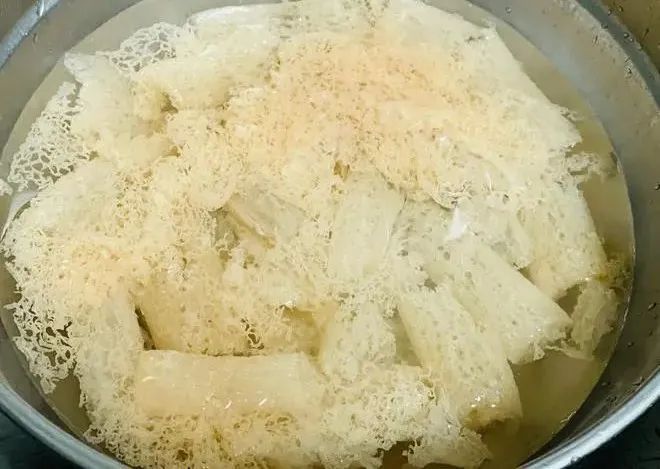
The “Queen of Mushrooms”: Nutritional and Medicinal Benefits
Traditional Chinese medicine views bamboo fungus as a tonic that replenishes vital energy and benefits overall health. Modern research supports this, identifying bamboo fungus as a high-protein, high-fiber, low-fat food rich in 16 amino acids, potassium, vitamins, and minerals. These nutrients contribute to preventing blood clots and cardiovascular diseases, making bamboo fungus especially suitable for people with high blood pressure, high blood sugar, obesity, or metabolic concerns.Health Benefits in Detail
1. Regulates Blood Pressure and Supports Heart Health
Bamboo fungus is exceptionally rich in potassium — about 11,882 mg per 100 grams, which is 42 times more than bananas and three times more than common mushrooms. Potassium helps the body eliminate excess sodium through urine, protecting blood vessels from damage. Moreover, the magnesium and calcium in bamboo fungus work synergistically to maintain normal heart function, promote blood circulation, and help regulate blood pressure.2. Moisturizes the Lungs and Relieves Phlegm
With a cool nature and sweet flavor, bamboo fungus nourishes yin, moistens the lungs, stops coughing, dissolves phlegm, and replenishes qi and blood. Its dual coloration—white and yellow—corresponds to its benefits for the lungs and spleen respectively, predominantly supporting lung health. It is especially beneficial for elderly individuals experiencing dry cough due to lung deficiency or early spring symptoms such as itchy throat, soreness, dryness, and cough.3. Enhances Immunity and Prevents Colds
Rich in active polysaccharides, bamboo fungus boosts immune function by enhancing the activity of immune cells. This makes it particularly valuable during the cold and flu season in winter and spring. Both traditional and modern medicine recognize bamboo fungus for its potential in tumor prevention by resisting cancer cell invasion.4. Promotes Digestion and Relieves Constipation
Bamboo fungus contains a remarkable amount of dietary fiber—46.8 grams per 100 grams—which is significantly higher than leeks and pumpkin. This fiber content aids digestion, reduces greasy food discomfort, helps eliminate abdominal fat, and supports regular bowel movements, especially beneficial for middle-aged and elderly people.5. Supports Liver Health and Lowers Blood Lipids
Known as a natural “oil scraper,” bamboo fungus protects the liver and helps reduce waistline fat. It also assists in lowering blood pressure and blood lipids, contributing to cardiovascular health.Delicious Recipes Featuring Bamboo Fungus
Enjoying bamboo fungus in soups is a tasty way to reap its health benefits, especially during seasonal changes.Bamboo Fungus Black Chicken Soup
Ingredients: Half a black chicken, 5 bamboo fungus pieces. Preparation: Soak bamboo fungus for 30 minutes. Wash and cut the chicken into pieces, place in a pot with cold water, bring to a boil, and skim off the foam. Add ginger and green onions, boil again, then simmer on low heat for about an hour until chicken is tender. Add bamboo fungus and cook for another 10 minutes. Season with salt to taste. Benefits: This classic tonic soup nourishes qi and yin, suitable for symptoms like night sweats, dry mouth, dry cough with little phlegm.
Bamboo Fungus Yam and Pork Rib Soup
Ingredients: 500g pork ribs, 1 yam, 4–5 bamboo fungus pieces. Preparation: Blanch pork ribs, peel and chop yam, soak bamboo fungus. Put yam, pork ribs, and ginger in a pot, bring to a boil, and simmer for about an hour. Add bamboo fungus and continue simmering for 30 minutes. Season with salt before serving.Three-Mushroom Soup
Ingredients: bamboo fungus, shiitake mushrooms, morel mushrooms. Preparation: Soak and blanch the mushrooms. Stir-fry ginger and green onions in a little oil, add boiling water, salt, and chicken essence. Add mushrooms and simmer for 10 minutes. This soup supports spleen, lung, and kidney health and boosts immunity, ideal for those with itchy or sore throat, dryness, or cough.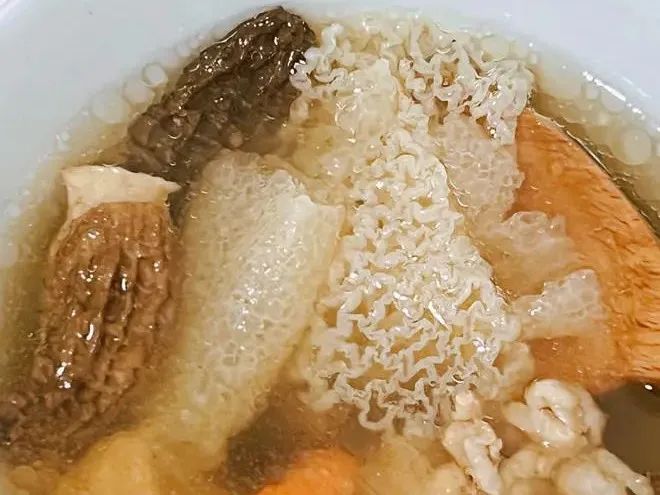
Bamboo Fungus Shrimp Paste Casserole
Ingredients: 6 bamboo fungus pieces, 1 pack shrimp paste, broth. Preparation: Stuff the soaked bamboo fungus with shrimp paste. Boil broth, add the stuffed bamboo fungus, cook for about 10 minutes until shrimp paste is done.How to Select and Store Bamboo Fungus
When choosing dried bamboo fungus, select pieces that are slightly yellow (oxidation from drying is normal). Avoid overly white pieces as they may have been treated with sulfur dioxide. Choose fully dehydrated specimens for better quality. The aroma should be natural and sweet; avoid any with a pungent smell. Store dried bamboo fungus in a cool, dry, and well-ventilated place.Preparation Tips
1. Soak the bamboo fungus in clean water for 30 minutes. Remove the bottom stem and cap, which can retain residual mushroom liquid that causes an off-flavor. Gently rub with cornstarch to remove sand. 2. Adding salt during soaking helps eliminate the mushroom’s earthy odor and draws out impurities.Conclusion
Bamboo fungus is a flavorful and highly nutritious mushroom that offers numerous health benefits, particularly for heart, lung, liver health, and immunity. Incorporating it into your diet during spring can help fortify your body against seasonal changes and support overall wellness. Try these delicious, easy-to-make recipes to enjoy this “Queen of Mushrooms” at its best.This article was created using several editorial tools, including AI, as part of the process. Human editors reviewed this content before publication.