We use cookies

Our website uses essential cookies and, with your consent, additional cookies to measure performance and improve our services. Cookie Policy.

You can change your choice at any time.

MMedXYNews
HomeVideos
© 2026 MedXY
Contact usAbout usPrivacy PolicyMedXY story
MedXY AI/MedXY News/Tag: neurodevelopment
MedXY News
EnglishTag

neurodevelopment

Ask MedXY AI
type 2 diabetesclinical trialheart failureimmunotherapyobesitycardiovascular riskatrial fibrillationbiomarkerscritical careclinical trialsHypertensionartificial intelligenceCardiologyoncologypublic healthtype 1 diabetesdiabetesMortalityAlzheimer's diseasecardiovascular diseasebreast cancerepidemiology

Latest news

Tag

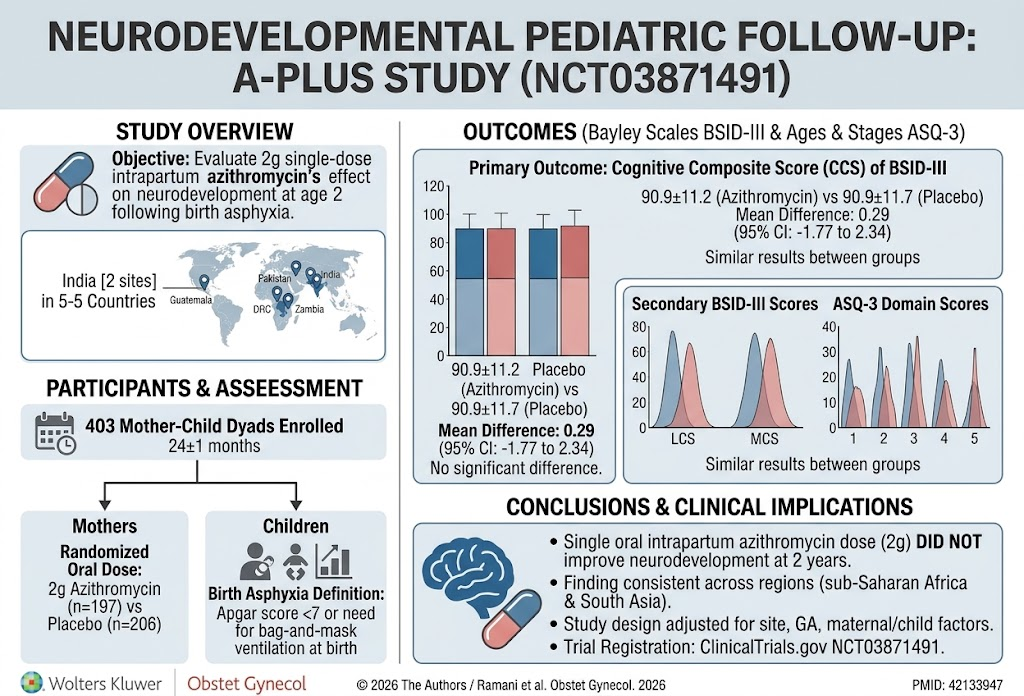
Evaluating Neurodevelopmental Outcomes Following Intrapartum Azithromycin Administration in Neonates with Birth Asphyxia: Insights from the A-PLUS Follow-Up Study
newsbirth asphyxiaintrapartum antibiotic

Evaluating Neurodevelopmental Outcomes Following Intrapartum Azithromycin Administration in Neonates with Birth Asphyxia: Insights from the A-PLUS Follow-Up Study

By MedXY|Sep 8, 2026

A multicountry follow-up study found no significant improvement in neurodevelopmental outcomes at two years in infants with birth asphyxia whose mothers received a single 2 g oral dose of azithromycin during labor versus placebo.
Impact of Gestational Age and Fetal Size on Neurodevelopment from Infancy through Adolescence
news
term birth
fetal size

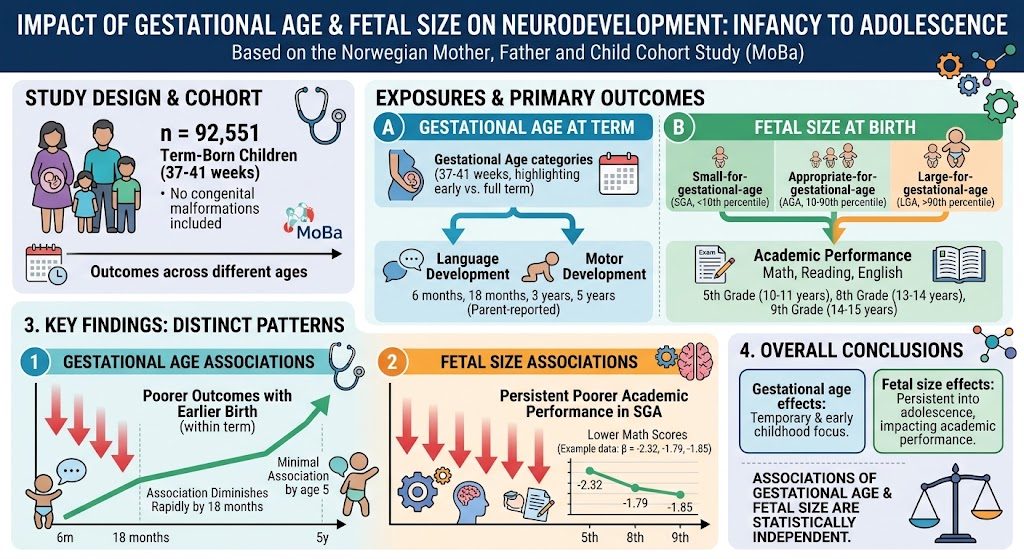
Impact of Gestational Age and Fetal Size on Neurodevelopment from Infancy through Adolescence

By MedXY|Aug 28, 2026

This study reveals that among term births, fetal size at birth more strongly predicts long-term neurodevelopmental outcomes than gestational age, with small-for-gestational-age infants demonstrating persistent academic challenges into adole

Impact of Maternal Third-Trimester TRAb Levels on Neonatal Thyroid Function and Early Childhood Neurodevelopment: Insights from a Bidirectional Cohort Study
Diabetes & EndocrinologyGraves' Diseasecohort study

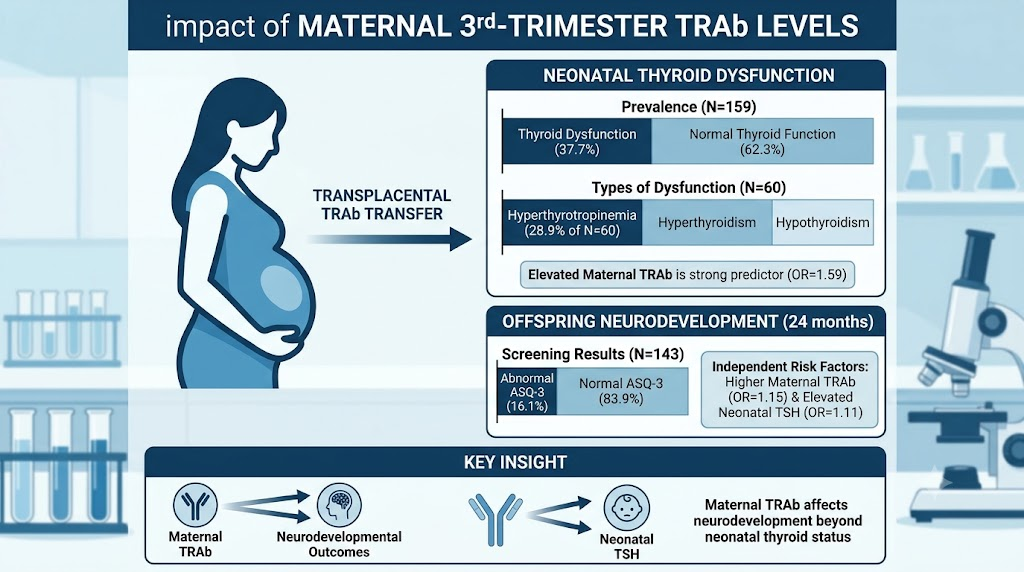
Impact of Maternal Third-Trimester TRAb Levels on Neonatal Thyroid Function and Early Childhood Neurodevelopment: Insights from a Bidirectional Cohort Study

By MedXY|Aug 5, 2026

Elevated maternal third-trimester TRAb levels in Graves’ disease are linked to neonatal thyroid dysfunction and impaired neurodevelopment at 24 months, independent of neonatal thyroid status, highlighting the need for prenatal monitor

Child Neurodevelopmental Outcomes After Late Preterm Hypoglycemia
newshypoglycemianeonatal health

Child Neurodevelopmental Outcomes After Late Preterm Hypoglycemia

By MedXY|Aug 18, 2026

This study found no association between neonatal hypoglycemia in late preterm infants and adverse neurodevelopmental outcomes at age 6 years or older.

Neurodevelopmental Outcomes of Children Conceived Post-Hysterosalpingography With Iodinated Contrast: A Critical Cohort Analysis
Diabetes & Endocrinologyhysterosalpingographyiodinated contrast

Neurodevelopmental Outcomes of Children Conceived Post-Hysterosalpingography With Iodinated Contrast: A Critical Cohort Analysis

By MedXY|Jul 12, 2026

This cohort study assesses the influence of hysterosalpingography with iodinated contrast on neurodevelopmental outcomes in children, revealing lower IQ scores in those conceived shortly after the procedure, warranting further investigation

Retinal Nerve Fiber Layer Thickness at 36 Weeks May Help Predict 2-Year Neurodevelopment in Very Preterm Infants
newsneurodevelopmentpreterm infant

Retinal Nerve Fiber Layer Thickness at 36 Weeks May Help Predict 2-Year Neurodevelopment in Very Preterm Infants

By MedXY|Jun 8, 2026

In very preterm infants, thicker retinal nerve fiber layer on OCT at 36 weeks’ postmenstrual age was associated with better motor and cognitive outcomes at 2 years, supporting retinal imaging as a potential early neurodevelopmental biomarke

Retinal OCT as an Early Window into Brain Development in Very Preterm Infants: Interpreting 36-Week Microanatomy for 2-Year Neurodevelopment
Clinical UpdatesneurodevelopmentOCT

Retinal OCT as an Early Window into Brain Development in Very Preterm Infants: Interpreting 36-Week Microanatomy for 2-Year Neurodevelopment

By MedXY|Jun 8, 2026

A new prospective cohort study suggests that retinal nerve fiber layer thickness on neonatal OCT at 36 weeks’ PMA may help predict 2-year motor and cognitive outcomes in very preterm infants.

Maternal Diabetes and Early Neurodevelopment: Differential Risks Emerge Across Diabetes Types and Infant Sex
Diabetes & Endocrinologydevelopmental milestonesGestational Diabetes

Maternal Diabetes and Early Neurodevelopment: Differential Risks Emerge Across Diabetes Types and Infant Sex

By MedXY|Apr 17, 2026

A nationwide cohort study of 466,462 infants reveals that maternal pregestational diabetes significantly increases the risk of delayed developmental milestones, with type 1 diabetes conferring the highest risk and female offspring showing p

Long-Term Academic Performance Following Prenatal Opioid Analgesic Exposure: A Population-Based Risk Assessment
Clinical UpdatesAcademic Performanceneurodevelopment

Long-Term Academic Performance Following Prenatal Opioid Analgesic Exposure: A Population-Based Risk Assessment

By MedXY|Mar 30, 2026

This review analyzes the association between in utero prescription opioid exposure and third-grade academic outcomes, highlighting a distinct risk signal for tramadol compared to codeine and oxycodone **Outlining Key Sections** I’m no

Over 50% of Publicly Insured Children Face Neurodevelopmental Disorders Following Infant Heart Surgery
Cardiologycongenital heart diseasehealthcare disparities

Over 50% of Publicly Insured Children Face Neurodevelopmental Disorders Following Infant Heart Surgery

By MedXY|Feb 5, 2026

A comprehensive study highlights that over half of publicly insured children develop neurodevelopmental disorders within five years of infant cardiac surgery. While service utilization is high, a critical gap persists between initial screen

Early Developmental Intervention Linked to Sustained Executive Function Gains in Very Preterm Children
Neurologyearly interventionExecutive Function

Early Developmental Intervention Linked to Sustained Executive Function Gains in Very Preterm Children

By MedXY|Jan 26, 2026

A secondary analysis of a randomized clinical trial reveals that parent-led enhanced developmental intervention, beginning in the NICU and spanning two years, significantly improves executive function domains—including attention, inhibition

Deciphering Prenatal Risks: Why Maternal Health, Not Medication, Often Drives Neurodevelopmental Outcomes
newsADHDMaternal Mental Health

Deciphering Prenatal Risks: Why Maternal Health, Not Medication, Often Drives Neurodevelopmental Outcomes

By MedXY|Jan 25, 2026

Recent large-scale cohort studies suggest that previously observed links between prenatal exposure to acid-suppressants or antipsychotics and neurodevelopmental disorders are largely due to familial confounding. Conversely, active maternal

Beyond Picky Eating: Large-Scale Study Reveals the Genetic Architecture and Developmental Impact of ARFI Phenotypes
newsARFIDneurodevelopment

Beyond Picky Eating: Large-Scale Study Reveals the Genetic Architecture and Developmental Impact of ARFI Phenotypes

By MedXY|Jan 6, 2026

This large-scale study of 35,751 children characterizes ARFI phenotypes, revealing a 6.3% clinical prevalence and significant genetic heritability. Findings link ARFI to the ADCY3 locus and long-term neurodevelopmental difficulties, emphasi

Restrictive versus Liberal Transfusion Thresholds in Very Low Birthweight Infants: Fewer Transfusions Without Harm to Survival or Early Neurodevelopment
Hematology-Oncologyneurodevelopmentrestrictive transfusion

Restrictive versus Liberal Transfusion Thresholds in Very Low Birthweight Infants: Fewer Transfusions Without Harm to Survival or Early Neurodevelopment

By MedXY|Dec 12, 2025

A Cochrane meta-analysis of six RCTs (3,451 infants) finds restrictive hemoglobin thresholds reduce transfusion exposure modestly with no detectable effect on mortality or neurodevelopmental impairment at 18–26 months.

Hydrocortisone in Preterm Infants and School-Age Functional Outcomes: Comprehensive Review of Evidence from Randomized Clinical Trials
Clinical Updateshydrocortisoneneurodevelopment

Hydrocortisone in Preterm Infants and School-Age Functional Outcomes: Comprehensive Review of Evidence from Randomized Clinical Trials

By MedXY|Dec 15, 2025

Neonatal hydrocortisone treatment in preterm infants at high risk for bronchopulmonary dysplasia does not improve school-age functional outcomes, highlighting the persistent burden of developmental impairment despite intervention.

Acute Kidney Injury in Extremely Preterm Infants Predicts Higher Risk of Death or Neurodevelopmental Impairment at Two Years
Nephrologyacute kidney injuryneurodevelopment

Acute Kidney Injury in Extremely Preterm Infants Predicts Higher Risk of Death or Neurodevelopmental Impairment at Two Years

By MedXY|Nov 19, 2025

Secondary analysis of the PENUT trial found that acute kidney injury (AKI) in infants born at 24–27 weeks’ gestation is independently associated with death or moderate to severe neurodevelopmental impairment at 22–26 months’ corrected

Decoding the Genetic Complexity of Impulsivity and Its Neurodevelopmental Impact
Neurologygeneticsneurodevelopment

Decoding the Genetic Complexity of Impulsivity and Its Neurodevelopmental Impact

By MedXY|Oct 29, 2025

This study reveals the heterogeneous genetic architecture of impulsivity, uncovering diverse biological pathways linking it to neurodevelopment and psychopathology across the lifespan.

Silent Long-Term Harm: How Prenatal Lead Exposure Shapes Adult Mental Health
Pediatricslead exposuremental health

Silent Long-Term Harm: How Prenatal Lead Exposure Shapes Adult Mental Health

By MedXY|Oct 24, 2025

This article explores the link between prenatal and early postnatal lead exposure and adult anxiety and depression, emphasizing critical exposure windows and long-term mental health implications.

Long-Term Educational Trajectories After Preterm Birth: Unraveling the Roles of Biological and Sociodemographic Factors
newseducational outcomesneurodevelopment

Long-Term Educational Trajectories After Preterm Birth: Unraveling the Roles of Biological and Sociodemographic Factors

By MedXY|Oct 6, 2025

This study reveals that although individuals born preterm face higher risks of lower educational attainment, sociodemographic factors have a greater impact on long-term educational outcomes than prematurity itself.

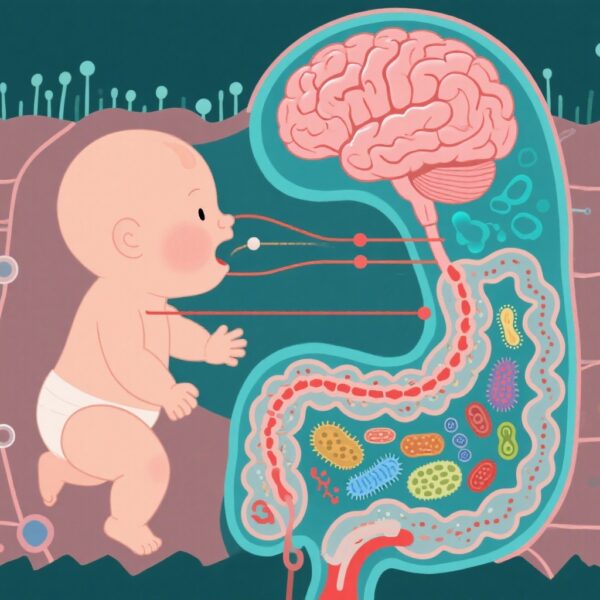
Early-Life Gut Microbiome Maturity: A Key Regulator of Blood-Brain Barrier Integrity and Cognitive Development
Clinical Updatesblood–brain barriercognitive development

Early-Life Gut Microbiome Maturity: A Key Regulator of Blood-Brain Barrier Integrity and Cognitive Development

By MedXY|Sep 30, 2025

This study demonstrates that the maturity of the early-life gut microbiome influences blood-brain barrier integrity and cognitive functions, highlighting a novel therapeutic target for neurodevelopmental disorders.

1 / 2
12
Next
Ask MedXY AI

Most popular

Intimate Health
Five Benefits for Women Continuing Sexual Activity After Menopause
Intimate Health
Why Some Women Have a Strong Sex Drive—And Why Men Shouldn't Worry About It
Nursing & care
How often should a couple have sex?
Intimate Health
Classic Intimacy Recommendations: How to Help Women Reach Orgasm and Enjoy Mutual Pleasure
Intimate Health
What Makes a Woman "Physiologically Addicted" Is Never Money, But These Two Relationship Qualities