We use cookies

Our website uses essential cookies and, with your consent, additional cookies to measure performance and improve our services. Cookie Policy.

You can change your choice at any time.

MMedXYNews
HomeVideos
MedXY AI/MedXY News/Tag: aging
MedXY News
EnglishTag

aging

Ask MedXY AI
type 2 diabetesclinical trialheart failureimmunotherapyobesitycardiovascular riskatrial fibrillationbiomarkerscritical careclinical trialsHypertensionartificial intelligenceCardiologyoncologypublic healthtype 1 diabetesdiabetesMortalityAlzheimer's diseasecardiovascular diseasebreast cancerepidemiology

Latest news

Tag

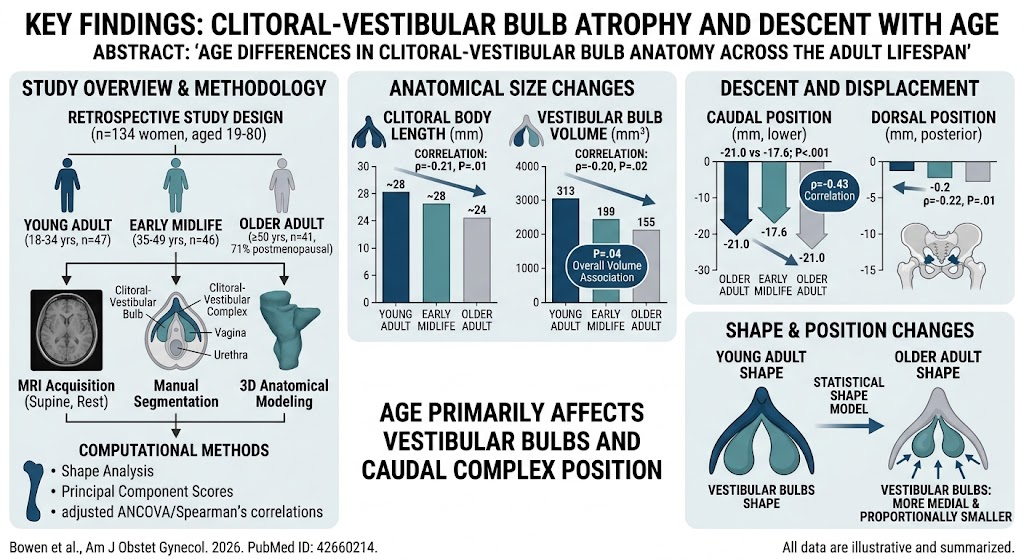
Age-Related Anatomical Changes in the Clitoral-Vestibular Bulb Complex: Implications for Female Pelvic Health
newspelvic MRIvestibular bulb

Age-Related Anatomical Changes in the Clitoral-Vestibular Bulb Complex: Implications for Female Pelvic Health

By MedXY|Sep 1, 2026

This study elucidates age-associated morphological changes in the clitoral-vestibular bulb complex using MRI, revealing diminished size and caudal displacement that may underlie sexual dysfunction and pelvic symptoms in aging women.
Lipoprotein(a) and Atherosclerotic Cardiovascular Disease Risk Across the Adult Lifespan: Insights from a Large Population Study
CardiologyLipoprotein(a)
© 2026 MedXY
Contact usAbout usPrivacy PolicyMedXY story
cardiovascular risk

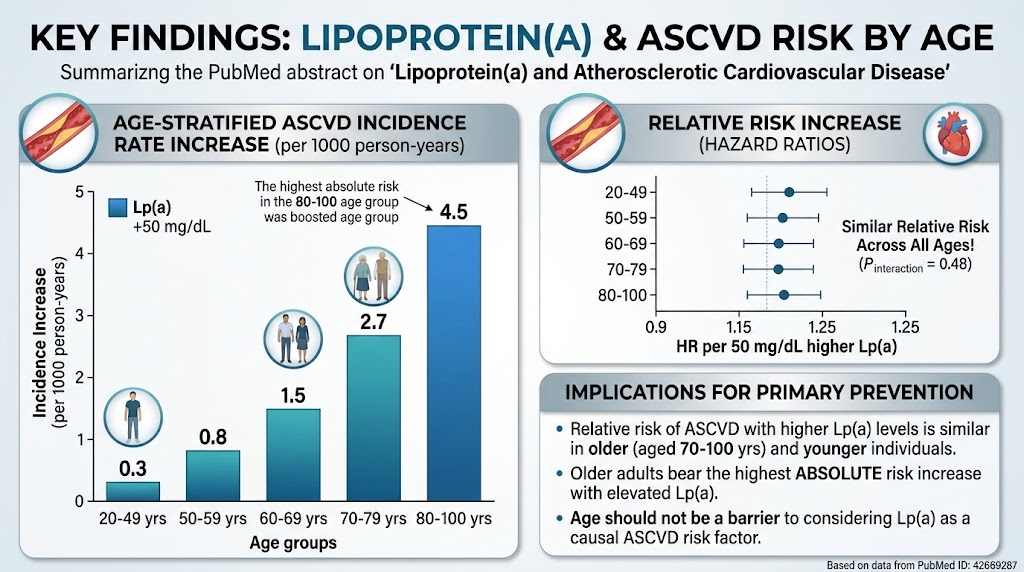
Lipoprotein(a) and Atherosclerotic Cardiovascular Disease Risk Across the Adult Lifespan: Insights from a Large Population Study

By MedXY|Sep 1, 2026

Elevated lipoprotein(a) confers a consistent relative risk increase for atherosclerotic cardiovascular disease across all adult ages, with absolute risks rising substantially in older adults.

Bridging Social Determinants of Health and Multidimensional Frailty Among Older Adults: A Domain-Specific Latent Class and Network Analysis
Neurologycognitionpublic health

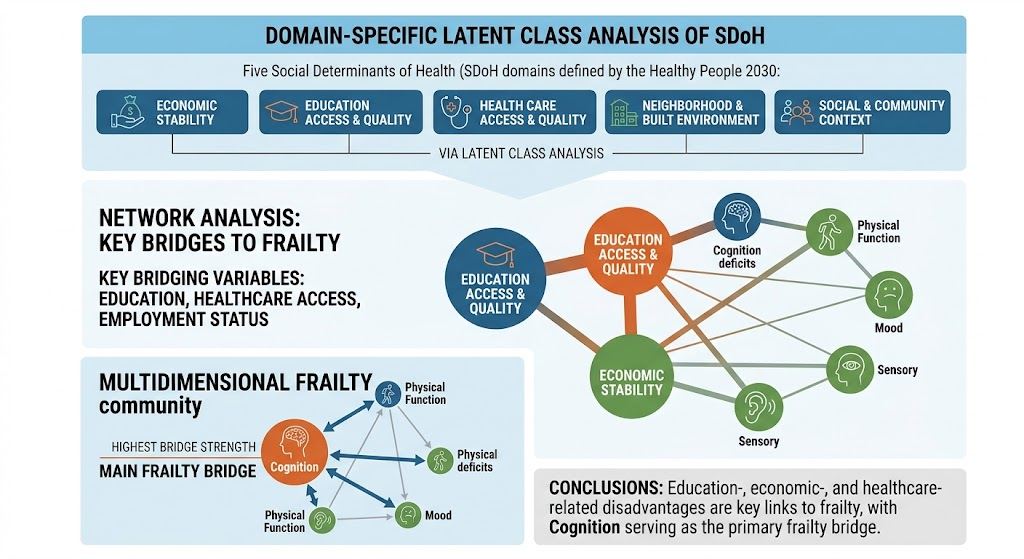
Bridging Social Determinants of Health and Multidimensional Frailty Among Older Adults: A Domain-Specific Latent Class and Network Analysis

By MedXY|Aug 26, 2026

This study explores how economic, educational, healthcare, neighborhood, and social factors link to multiple frailty dimensions in Chinese older adults, highlighting cognition as a key intermediary.

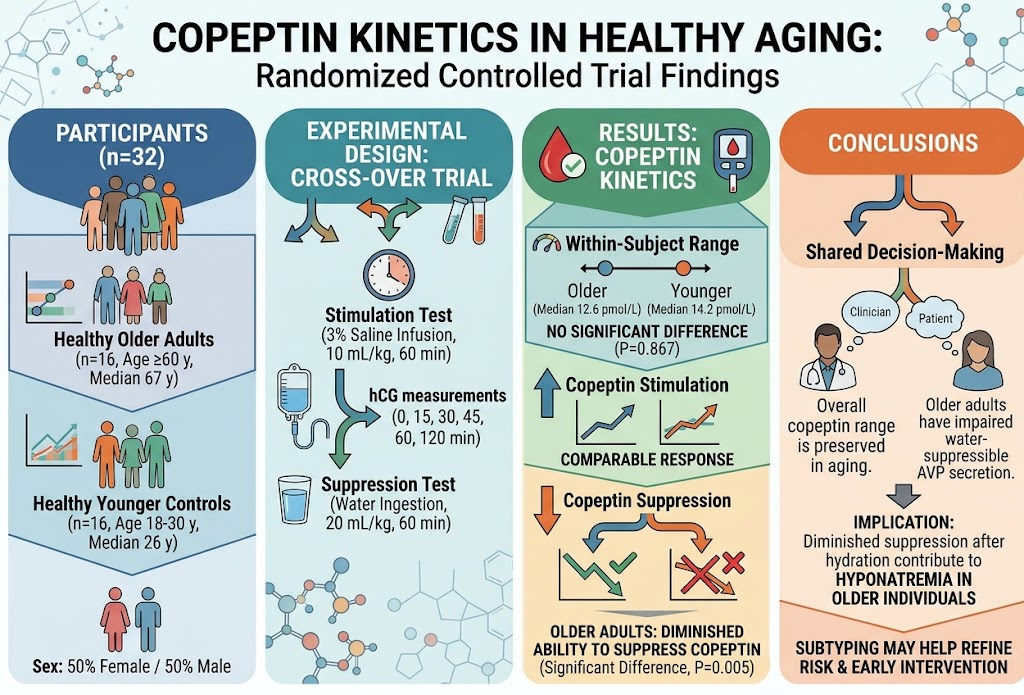
Preserved Copeptin Kinetics with Aging: Insights into Water Homeostasis and Hyponatremia Risk in Older Adults
Diabetes & EndocrinologyVasopressincopeptin

Preserved Copeptin Kinetics with Aging: Insights into Water Homeostasis and Hyponatremia Risk in Older Adults

By MedXY|Aug 17, 2026

This study reveals that copeptin kinetics remain mostly intact in healthy aging, but older adults exhibit diminished copeptin suppression after hydration, potentially explaining their increased vulnerability to hyponatremia.

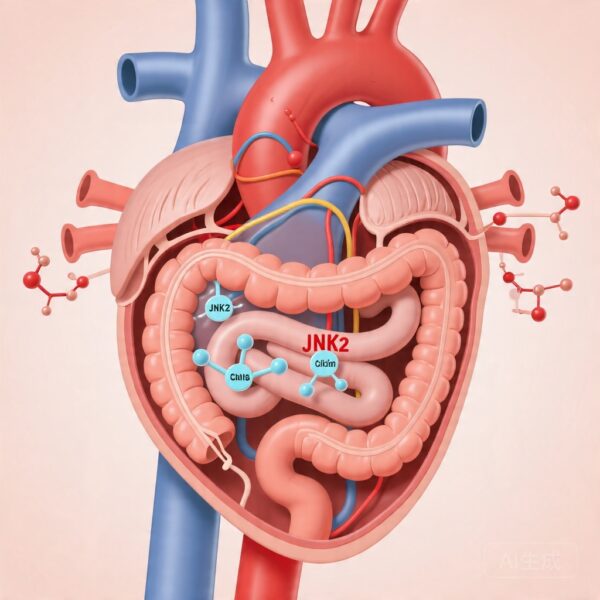
Unraveling the Gut-Heart Connection: How Leaky Gut Fuels Atrial Fibrillation in Aging
Cardiologyagingatrial fibrillation

Unraveling the Gut-Heart Connection: How Leaky Gut Fuels Atrial Fibrillation in Aging

By MedXY|Apr 22, 2026

Researchers identify JNK2 as a key mediator in gut-heart crosstalk, linking intestinal permeability to atrial fibrillation pathogenesis through inflammatory stress signals, offering new therapeutic targets.

The Interplay of Aging and Chronic Iodine Excess on Thyrotropin Dynamics: A 20-Year Longitudinal Synthesis
Clinical UpdatesagingDịch tễ học Tuyến giáp

The Interplay of Aging and Chronic Iodine Excess on Thyrotropin Dynamics: A 20-Year Longitudinal Synthesis

By MedXY|Mar 11, 2026

This review analyzes a landmark 20-year study highlighting how chronic iodine excess and aging synergistically elevate TSH levels, revealing that iodine-induced thyroid changes persist even after dietary reduction.

Why Our Strength and Fitness Peak in Our 20s–30s — and How Exercise Can Push Back the Clock
Internal Medicineagingexercise

Why Our Strength and Fitness Peak in Our 20s–30s — and How Exercise Can Push Back the Clock

By MedXY|Dec 20, 2025

A 47-year study shows physical capacity peaks in the late 20s–30s and accelerates downward from about age 40 — but regular exercise, started at any age, can meaningfully delay decline.

Higher Vitamin B12 from Mid- to Late Life Is Associated with Slower Cognitive Decline: Evidence and Implications
Clinical Updatesagingcognitive decline

Higher Vitamin B12 from Mid- to Late Life Is Associated with Slower Cognitive Decline: Evidence and Implications

By MedXY|Nov 5, 2025

Elevated vitamin B12 levels from mid- to late life correlate with reduced rates of cognitive decline across language, memory, and executive function domains, independent of folate status, highlighting potential preventative strategies again

Quit Smoking Anytime: How Stopping in Midlife Can Preserve Your Memory and Thinking Skills
Neurologyagingbrain health

Quit Smoking Anytime: How Stopping in Midlife Can Preserve Your Memory and Thinking Skills

By MedXY|Nov 1, 2025

New research reveals that quitting smoking in mid to late life significantly slows cognitive decline, offering an added three years of brain health regardless of quitting age.

Amygdala Tau Pathology as a Key Contributor to Depressive Symptoms in Aging: Insights from Neuroimaging Studies
Neurologyagingamygdala

Amygdala Tau Pathology as a Key Contributor to Depressive Symptoms in Aging: Insights from Neuroimaging Studies

By MedXY|Oct 21, 2025

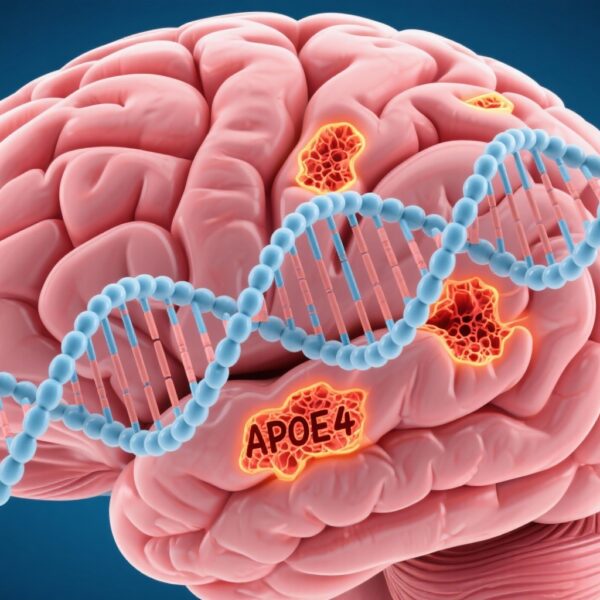
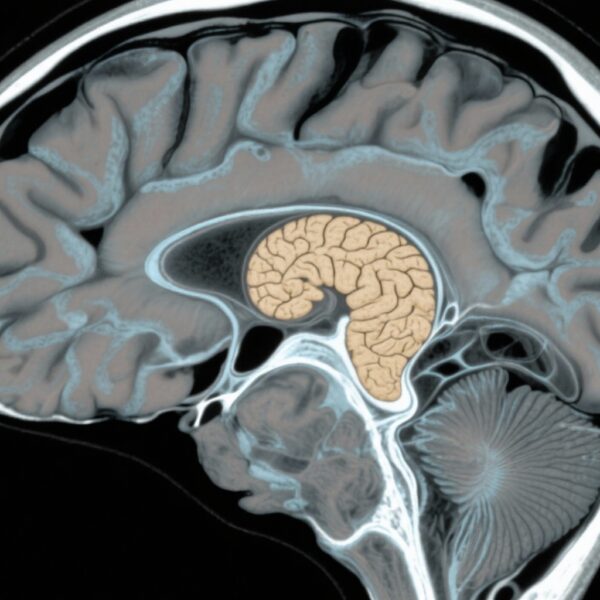
Amygdala tau accumulation in cognitively normal older adults correlates with worsening depressive symptoms, especially in APOE ε4 carriers, highlighting its role in neuropsychiatric changes during aging.

APOE4 Amplifies Blood Biomarkers’ Association with Cognitive Decline in Aging Adults: Insights from a Biracial 20-Year Cohort Study
NeurologyagingAPOE4

APOE4 Amplifies Blood Biomarkers’ Association with Cognitive Decline in Aging Adults: Insights from a Biracial 20-Year Cohort Study

By MedXY|Oct 21, 2025

This study reveals that APOE4 carriers with elevated blood neurodegenerative biomarkers experience accelerated cognitive decline, highlighting the gene’s role in exacerbating neurodegeneration among community-dwelling older adults wit

Moderate-to-Vigorous Physical Activity, p-tau181, and Cognition in Older Adults with Memory Complaints: Insights from the MAPT Study
NeurologyagingAlzheimer's disease

Moderate-to-Vigorous Physical Activity, p-tau181, and Cognition in Older Adults with Memory Complaints: Insights from the MAPT Study

By MedXY|Oct 20, 2025

Higher moderate-to-vigorous physical activity slows p-tau181 increase, a marker of Alzheimer’s pathology, but elevated p-tau181 diminishes exercise-related cognitive benefits in older adults.

Blood Biomarkers of Alzheimer’s Disease Predict Long-Term Muscle Strength Decline in Older Adults
Internal MedicineagingAlzheimer's disease

Blood Biomarkers of Alzheimer’s Disease Predict Long-Term Muscle Strength Decline in Older Adults

By MedXY|Oct 20, 2025

This study links Alzheimer’s disease-related blood biomarkers with accelerated muscle strength loss over 12 years, highlighting the interplay between neurodegeneration and physical decline in aging populations.

Life Course Air Pollution Exposure Linked to Cognitive Decline and Brain Structural Changes in Older Adults
Neurologyagingair pollution

Life Course Air Pollution Exposure Linked to Cognitive Decline and Brain Structural Changes in Older Adults

By MedXY|Oct 20, 2025

A population-based study reveals that midlife exposure to air pollutants such as nitrogen dioxide and particulate matter is associated with cognitive decline and brain structural alterations by age 69-71, highlighting long-term neurological

Life Course Air Pollution Exposure and Cognitive Decline: Insights from the 1946 British Birth Cohort
Neurologyagingair pollution

Life Course Air Pollution Exposure and Cognitive Decline: Insights from the 1946 British Birth Cohort

By MedXY|Oct 20, 2025

This population-based study reveals that midlife exposure to nitrogen dioxide and particulate matter correlates with poorer cognitive function and adverse brain structural changes in later life, underscoring the neurocognitive risks of air

Mid-to-Late-Life Smoking Cessation Slows Long-Term Cognitive Decline: Insights from a 12-Country Longitudinal Study
Neurologyagingcognitive decline

Mid-to-Late-Life Smoking Cessation Slows Long-Term Cognitive Decline: Insights from a 12-Country Longitudinal Study

By MedXY|Oct 20, 2025

Smoking cessation in middle-aged and older adults is linked to a slower decline in memory and fluency over six years, suggesting quitting smoking benefits long-term cognitive health regardless of age at cessation.

The Ginger Miracle? Exploring the Anti-Aging Potential of Ginger and What the Science Really Says
Family Medicine & Nutritionaginganti-aging

The Ginger Miracle? Exploring the Anti-Aging Potential of Ginger and What the Science Really Says

By MedXY|Oct 7, 2025

Recent studies suggest a compound in ginger may clear half of aging cells in two days, but practical benefits and safety concerns warrant cautious optimism. Here’s a science-based look at ginger and aging.

Do Active People Really Live Longer? Twin Study Reveals the Complex Truth About Exercise, Aging, and Longevity
Family Medicine & Nutritionagingexercise

Do Active People Really Live Longer? Twin Study Reveals the Complex Truth About Exercise, Aging, and Longevity

By MedXY|Oct 7, 2025

A decades-long twin study reveals that while exercise is linked to longevity, genetics and baseline health play a crucial role, and the relationship between exercise and aging follows a U-shaped curve.

Beyond the Wrinkles: Unveiling 3 Hidden Accelerators of Aging After 50
Family Medicine & NutritionagingEpigenetics

Beyond the Wrinkles: Unveiling 3 Hidden Accelerators of Aging After 50

By MedXY|Oct 7, 2025

Stanford scientists identify smoking, cadmium, and lead as major environmental factors accelerating biological aging, revealing new insights into how lifestyle and environment shape health beyond genetics.

Eat Smart, Think Smarter: The Brain-Boosting Foods You Need and Those to Avoid
Family Medicine & Nutritionagingbrain health

Eat Smart, Think Smarter: The Brain-Boosting Foods You Need and Those to Avoid

By MedXY|Oct 7, 2025

Discover how everyday foods can nourish your brain health and which common items may silently impair your memory and focus. Learn evidence-based dietary tips for sharper cognition at any age.

1 / 2
12
Next
Ask MedXY AI

Most popular

Intimate Health
Five Benefits for Women Continuing Sexual Activity After Menopause
Intimate Health
Why Some Women Have a Strong Sex Drive—And Why Men Shouldn't Worry About It
Nursing & care
How often should a couple have sex?
Intimate Health
Classic Intimacy Recommendations: How to Help Women Reach Orgasm and Enjoy Mutual Pleasure
Intimate Health
What Makes a Woman "Physiologically Addicted" Is Never Money, But These Two Relationship Qualities