We use cookies

Our website uses essential cookies and, with your consent, additional cookies to measure performance and improve our services. Cookie Policy.

You can change your choice at any time.

MMedXYNews
HomeVideos
MedXY AI/MedXY News/Tag: esophageal squamous cell carcinoma
MedXY News
EnglishTag

esophageal squamous cell carcinoma

Ask MedXY AI
type 2 diabetesclinical trialheart failureimmunotherapyobesitycardiovascular riskatrial fibrillationbiomarkerscritical careclinical trialsHypertensionartificial intelligenceCardiologyoncologypublic healthtype 1 diabetesdiabetesMortalityAlzheimer's diseasecardiovascular diseasebreast cancerepidemiology

Latest news

Tag

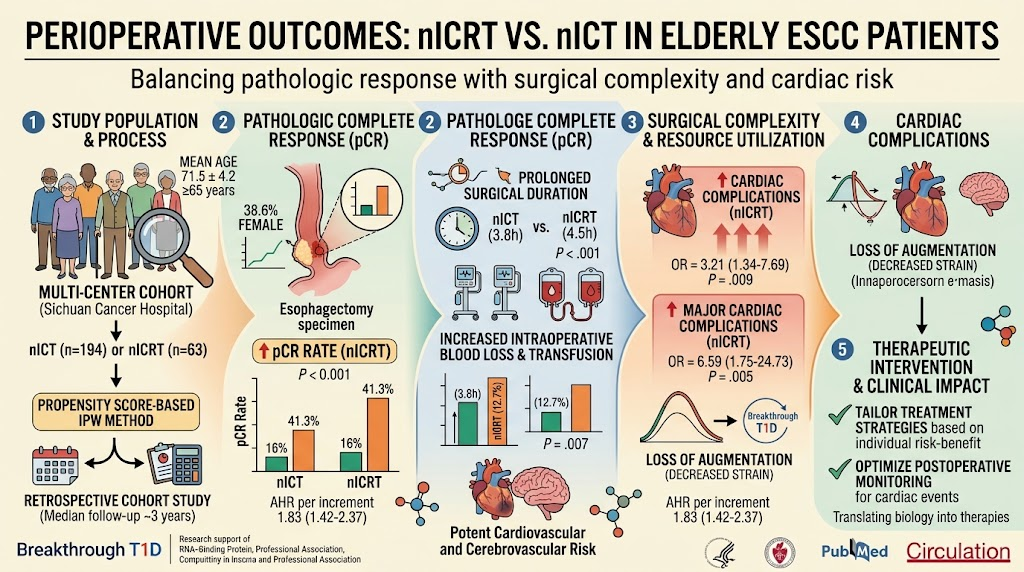
Balancing Efficacy and Safety: Neoadjuvant Immunochemoradiotherapy vs. Immunochemotherapy in Elderly Esophageal Squamous Cell Carcinoma
General Surgeryelderly patientsImmunochemoradiotherapy

Balancing Efficacy and Safety: Neoadjuvant Immunochemoradiotherapy vs. Immunochemotherapy in Elderly Esophageal Squamous Cell Carcinoma

By MedXY|Sep 15, 2026

In elderly patients with locally advanced esophageal squamous cell carcinoma, neoadjuvant immunochemoradiotherapy offers superior tumor response but increases surgical complexity and cardiac risks compared to immunochemotherapy. Personalize
Achalasia and Its Differential Impact on Esophageal Squamous Cell Carcinoma and Adenocarcinoma Risk: Insights from a Large Nordic Case-Control Study
Gastroenterology
© 2026 MedXY
Contact usAbout usPrivacy PolicyMedXY story
epidemiology
Esophageal Adenocarcinoma

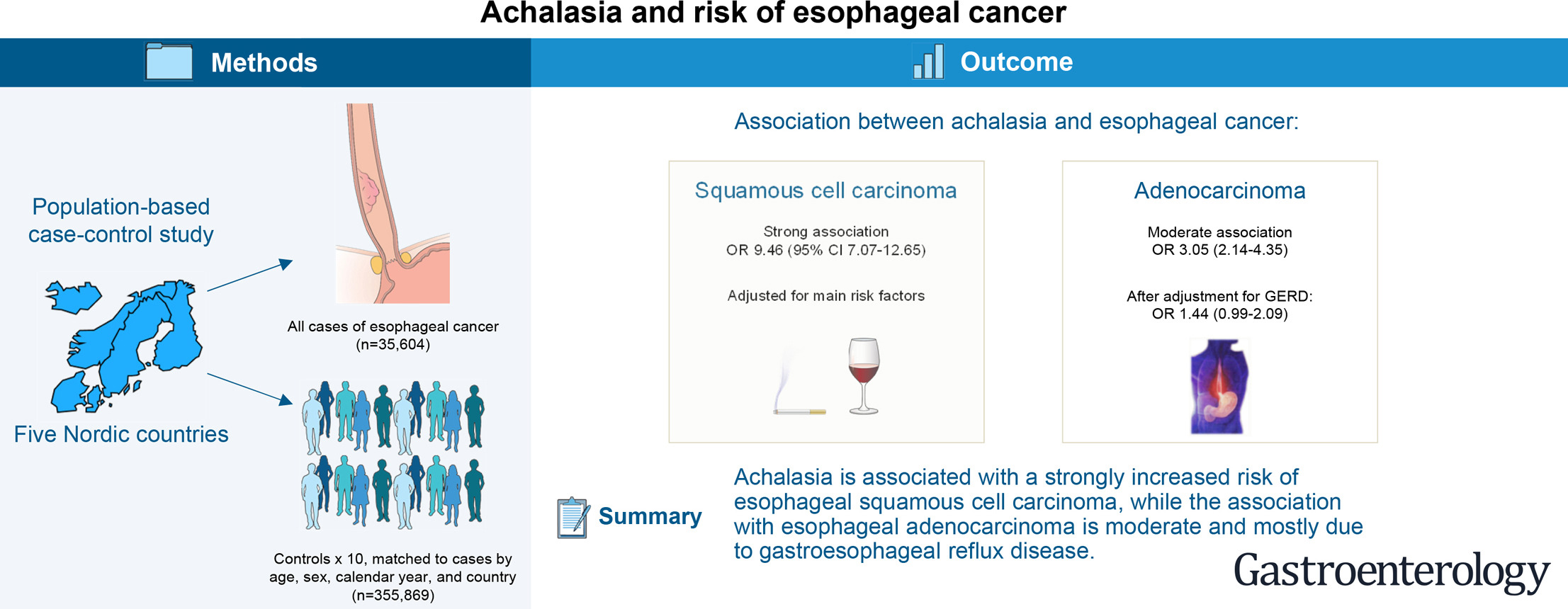
Achalasia and Its Differential Impact on Esophageal Squamous Cell Carcinoma and Adenocarcinoma Risk: Insights from a Large Nordic Case-Control Study

By MedXY|Sep 5, 2026

A comprehensive multinational study reveals that achalasia significantly raises the risk of esophageal squamous cell carcinoma independently, while its association with adenocarcinoma is modest and largely mediated by gastroesophageal reflu

Neoadjuvant Chemoradiotherapy vs. Surgery with Adjuvant Therapy for ESCC: Five-Year Outcomes Challenge the Universal Standard
Gastroenterologyadjuvant therapyesophageal squamous cell carcinoma

Neoadjuvant Chemoradiotherapy vs. Surgery with Adjuvant Therapy for ESCC: Five-Year Outcomes Challenge the Universal Standard

By MedXY|Jan 6, 2026

A Phase 3 randomized clinical trial finds no significant difference in 5-year overall survival between neoadjuvant chemoradiotherapy and surgery with adjuvant therapy for locally advanced ESCC, emphasizing the need for personalized treatmen

Neoadjuvant Pembrolizumab Plus Chemoradiotherapy Yields 43.2% pCR in Resectable ESCC — IL-6 Emerges as a Predictive Biomarker
newsesophageal squamous cell carcinomaIL-6

Neoadjuvant Pembrolizumab Plus Chemoradiotherapy Yields 43.2% pCR in Resectable ESCC — IL-6 Emerges as a Predictive Biomarker

By MedXY|Dec 9, 2025

The multicenter PALACE-2 trial reports a 43.2% pathological complete response (pCR) with preoperative pembrolizumab combined with chemoradiotherapy for resectable esophageal squamous cell carcinoma and identifies baseline serum IL-6 as a po

Preoperative Pembrolizumab Plus Chemoradiotherapy (PPCT) for Locally Advanced Resectable ESCC: PALACE‑2 Phase 1/2 Results and Immune‑Microenvironment Insights
newsesophageal squamous cell carcinomaneoadjuvant immunotherapy

Preoperative Pembrolizumab Plus Chemoradiotherapy (PPCT) for Locally Advanced Resectable ESCC: PALACE‑2 Phase 1/2 Results and Immune‑Microenvironment Insights

By MedXY|Dec 1, 2025

PALACE‑2 reports that preoperative pembrolizumab combined with chemoradiotherapy produced a 43.2% pathologic complete response in resectable, locally advanced esophageal squamous cell carcinoma, with acceptable short‑term survival and a hig

Ask MedXY AI

Most popular

Intimate Health
Five Benefits for Women Continuing Sexual Activity After Menopause
Intimate Health
Why Some Women Have a Strong Sex Drive—And Why Men Shouldn't Worry About It
Nursing & care
How often should a couple have sex?
Intimate Health
Classic Intimacy Recommendations: How to Help Women Reach Orgasm and Enjoy Mutual Pleasure
Intimate Health
What Makes a Woman "Physiologically Addicted" Is Never Money, But These Two Relationship Qualities