MMedXYNews
Ask AIHomeVideos
MedXY AI/MedXY News/Tag: AML

AML

Latest news

Tag

Clinical Updates

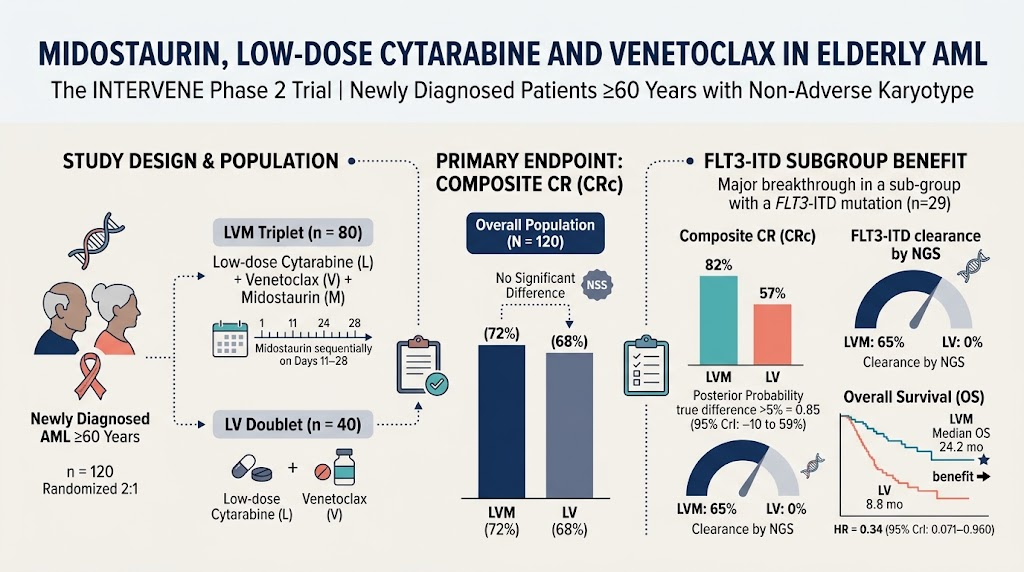
Combining Midostaurin with Low-Dose Cytarabine and Venetoclax in Older Adults with Newly Diagnosed AML: Evidence and Implications from the INTERVENE Phase 2 Trial

The INTERVENE trial reveals that adding midostaurin to low-dose cytarabine and venetoclax is tolerable and improves FLT3-ITD clearance and survival in older AML patients with FLT3-ITD, addressing resistance in this high-risk subgroup.
Oct 25, 2026
Hematology-Oncology

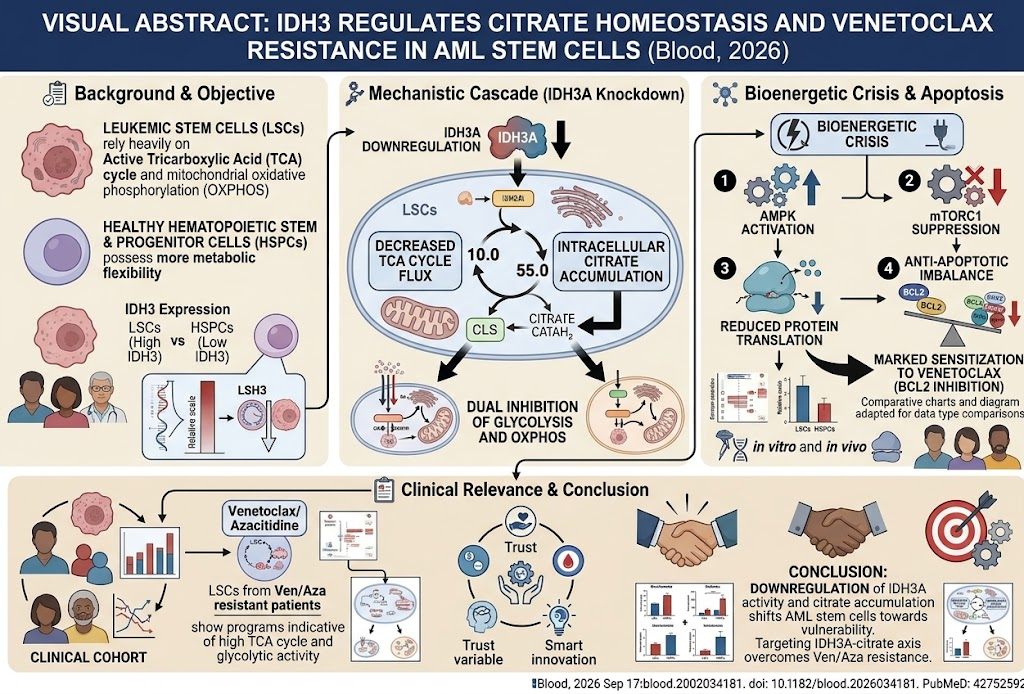
IDH3 as a Metabolic Checkpoint Modulating Venetoclax Resistance in AML Stem Cells

This article elucidates how the TCA cycle enzyme IDH3 critically regulates metabolic fitness in AML stem cells, influencing venetoclax resistance and offering a novel target to improve therapeutic outcomes.

Sep 27, 2026
Clinical Updates

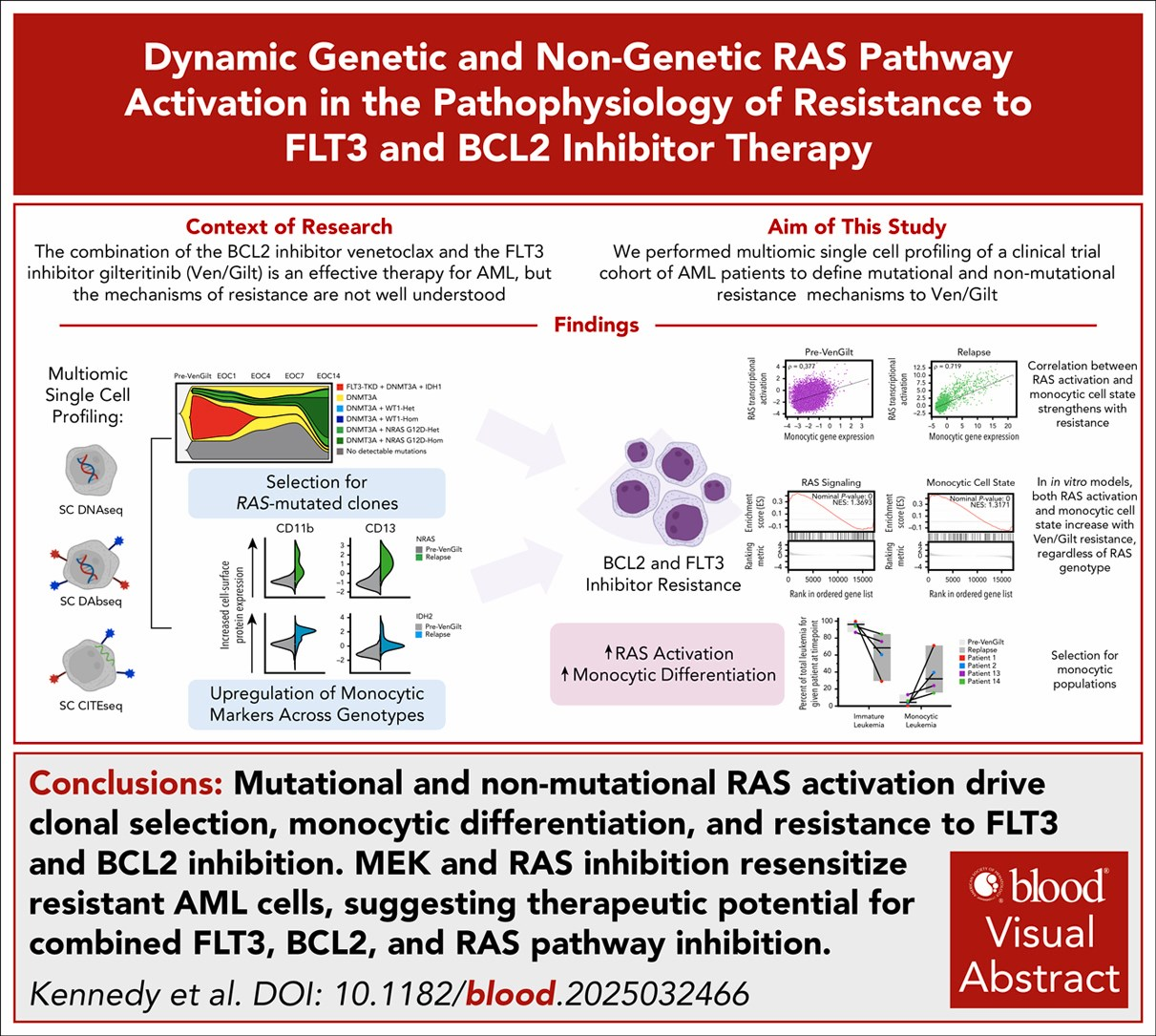
Dynamic Genetic and Nongenetic RAS-Pathway Activation Drives Resistance to FLT3 and BCL2 Inhibitor Therapy in AML

This review synthesizes cutting-edge findings on how genetic and nongenetic RAS-pathway activation mediates resistance to combined FLT3 and BCL2 inhibition in acute myeloid leukemia, highlighting implications for treatment strategies and bi

Sep 24, 2026
Hematology-Oncology

Optimizing GVHD Prophylaxis after Reduced-Intensity Matched Donor Transplantation in AML and MDS: Insights from PTCy and ATG Strategies

A large registry analysis supports post-transplant cyclophosphamide (PTCy) as an effective alternative to anti-thymocyte globulin (ATG) for preventing graft-versus-host disease (GVHD) in reduced-intensity conditioning matched donor peripher

Sep 16, 2026
Hematology-Oncology

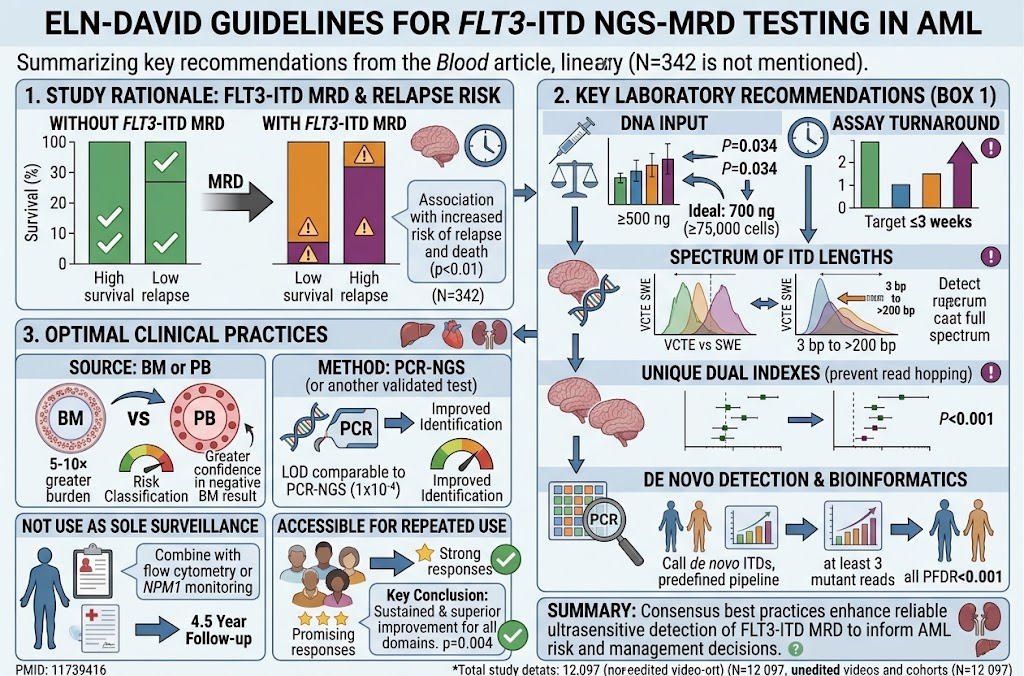
ELN‑DAVID technical recommendations: NGS-based FLT3‑ITD MRD testing in AML — what clinicians and labs need to know

The ELN‑DAVID 2026 technical note establishes standards for NGS-based detection of FLT3‑ITD measurable residual disease (MRD) in AML, with lab validation, reporting, timing, and clinical-use recommendations to make FLT3‑ITD MRD testing acti

Aug 15, 2026
Hematology-Oncology

Noncanonical FLT3-ITD Signaling Drives Immune Evasion via PKCι-STAT1–Mediated CD8+ T-Cell Exhaustion in Acute Myeloid Leukemia

FLT3-ITD mutations in AML promote immune evasion through a novel PKCι–STAT1 signaling axis that induces CD276-mediated CD8+ T-cell exhaustion, offering a promising target for combined FLT3 and CD276-directed therapies.

Jul 15, 2026Sign in to read
Clinical Updates

Long-term Outcomes of Oral Decitabine/Cedazuridine Plus Venetoclax in Older or Unfit Patients with Newly Diagnosed Acute Myeloid Leukemia

Oral decitabine/cedazuridine plus venetoclax provides an effective, fully oral frontline therapy for older or unfit patients with AML, showing encouraging response rates and manageable safety with long-term follow-up, highlighting particula

Jul 9, 2026
Hematology-Oncology

Unified Conditioning and GVHD Prophylaxis with Fludarabine, Cyclophosphamide, and 2 Gy TBI plus Post-Transplant Cyclophosphamide in Elderly AML/MDS Patients Undergoing Haploidentical or Unrelated Donor Allo-SCT

Fludarabine, cyclophosphamide, and low-dose TBI combined with post-transplant cyclophosphamide provide a safe and effective single platform for haploidentical and unrelated donor allo-SCT in older AML/MDS patients, showing favorable surviva

Jun 30, 2026
Hematology-Oncology

BRAF Mutations in AML: Rare, Biologically Distinct, and Linked to Poor Outcomes

BRAF mutations occur in about 1% of AML and are usually non-V600 variants enriched in myelodysplasia-related disease. This cohort study found poor survival and suggested that current therapies, including venetoclax-based regimens, remain in

Jun 19, 2026
Hematology-Oncology

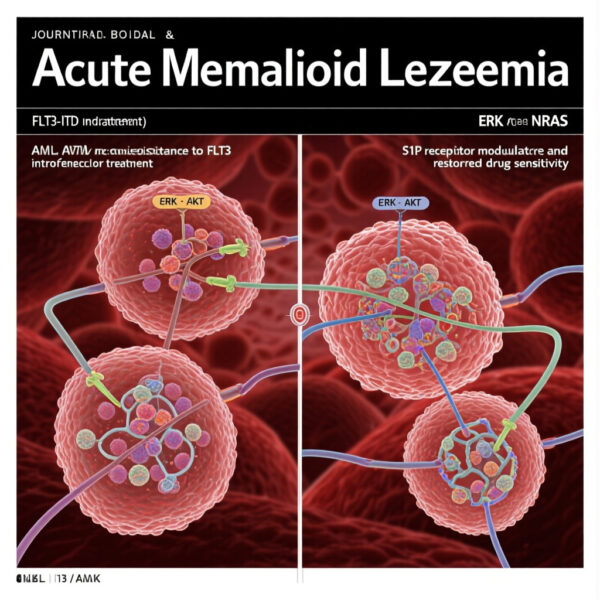
S1P Receptor Modulation Restores FLT3 Inhibitor Sensitivity in NRAS-Mutated FLT3-ITD Acute Myeloid Leukemia

Preclinical data suggest fingolimod and mocravimod can resensitize NRAS-mutated FLT3-ITD AML to FLT3 inhibitors by suppressing ERK-SPHK1-AKT signaling, including activity in patient blasts and an orthotopic mouse model.

Jun 4, 2026
Hematology-Oncology

Anti-CD117 Conditioning With Briquilimab Shows Feasibility and Stem-Cell Depletion in Older Adults Undergoing Allogeneic Transplant for High-Risk AML and MDS

A phase 1 trial suggests briquilimab can be safely added to nonmyeloablative conditioning before allogeneic transplant in older adults with high-risk AML or MDS, with biologic evidence of hematopoietic stem/progenitor cell depletion and enc

Jun 2, 2026
Hematology-Oncology

Activity of PROTAC MDM2 Degrader in Primary Leukemia Cells and PDX Models

MD-265, a PROTAC MDM2 degrader, showed strong anti-leukemia activity in primary AML cells and mouse PDX models, outperformed a conventional MDM2 inhibitor, and spared normal stem cells relatively well.

May 27, 2026Sign in to read
Hematology-Oncology

CBFB::MYH11 MRD After the Second Chemotherapy Cycle: A Guide to Allogeneic Transplantation in Favorable-Risk AML

Post-cycle 2 CBFB::MYH11 MRD best predicted outcomes in favorable-risk AML. Patients with levels ≥1% had higher relapse risk, and those receiving allo-HCT in CR1 had better 3-year disease-free survival than chemotherapy consolidation.

May 18, 2026Sign in to read
Hematology-Oncology

Comprehensive Mutational Profiling and Clinical Outcomes in Adult AML with NUP98 Rearrangement

Adult AML with NUP98 rearrangements is a high-risk subtype marked by frequent FLT3-ITD and WT1 mutations, poor survival, and potential benefit from FLT3 inhibitors and stem cell transplant.

May 18, 2026Sign in to read
Hematology-Oncology

Allogeneic Stem Cell Transplantation Improves Survival in High-Risk t(6;9) AML, Especially in Younger Patients and Those Achieving CR1

A large EBMT study shows allo-HSCT provides favorable 2-year survival (65.7%) in high-risk t(6;9) AML, with superior outcomes in CR1 and pediatric/AYA patients. FLT3-ITD positivity triples relapse risk but doesn’t impact overall survi

Apr 27, 2026Sign in to read
Hematology-Oncology

Donor-Derived VCAR33 CAR T-Cell Therapy Shows Promise in High-Risk AML Post-Transplant

VCAR33, a donor-derived anti-CD33 CAR T-cell therapy, demonstrated acceptable safety and preliminary efficacy in relapsed/refractory AML/MDS after allogeneic HCT, with 20% overall response rate and manageable toxicities.

Apr 27, 2026
Hematology-Oncology

Immunophenotypic Evolution and Clinical Outcomes in R/R AML Treated with Revumenib

A study of 48 patients with R/R AML treated with revumenib revealed that 52% experienced dynamic immunophenotypic changes. Achieving MRD-negative morphologic remission significantly improved overall survival, highlighting the necessity for

Mar 29, 2026Sign in to read
Hematology-Oncology

Beyond Genetics: Targeting BMP and TAZ/TEAD Mechanotransduction to Reverse Chemoresistance in Acute Myeloid Leukemia

Recent research identifies BMPR1B and TAZ/TEAD as critical mechanotransduction drivers in relapsed AML. By targeting these pathways, clinicians may overcome the protective effects of bone marrow stiffening and intramedullary pressure, offer

Mar 24, 2026
Hematology-Oncology

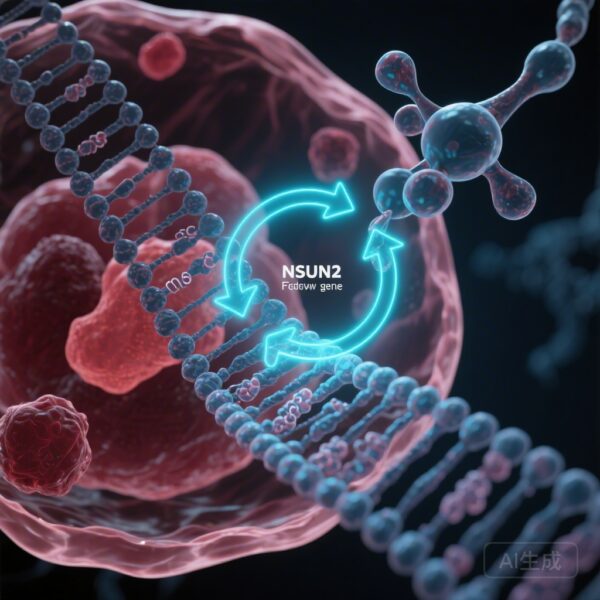
The NSUN2-FOSB Feedforward Loop: Unlocking m5C-Mediated Survival in Acute Myeloid Leukemia

Researchers identify a novel NSUN2-FOSB-BCL2L1 regulatory axis in AML that drives leukemia stem cell self-renewal through m5C RNA methylation. This pathway offers a potential therapeutic target that spares normal hematopoiesis, suggesting a

Mar 16, 2026
Clinical Updates

Targeting the Glycan Signature: Oncofetal Chondroitin Sulfate as a Selective Vulnerability in Acute Myeloid Leukemia

This review explores oncofetal chondroitin sulfate (ofCS) as a revolutionary AML target. Unlike traditional antigens, ofCS is absent in normal bone marrow, allowing antibody-drug conjugates to eliminate leukemia cells with minimal hematotox

Mar 16, 2026Sign in to read
1 / 2
12
Next

Most read

  1. 01Intimate Health

    Five Benefits for Women Continuing Sexual Activity After Menopause

  2. 02Intimate Health

    Why Some Women Have a Strong Sex Drive—And Why Men Shouldn't Worry About It

  3. 03Nursing & care

    How often should a couple have sex?

  4. 04Cardiology

    Precision Medicine for Long QT Syndrome Type 2: Lumacaftor Corrects Trafficking Defects and Shortens QT Interval

  5. 05General Surgery

    Optimizing Postoperative Opioid Prescriptions After Intra-Abdominal Cancer Surgery: Comparing the 5x-Multiplier and 3-Tier Models

Go deeper with MedXY AI

Explore the evidence behind the news.

Ask AI
MedXY briefing

Stay informed

Medical news and research updates, delivered to your inbox.

© 2026 MedXY
Contact usAbout usPrivacy PolicyMedXY story